What a Cold Resistant Conveyor Belt Is
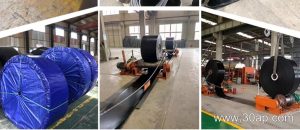
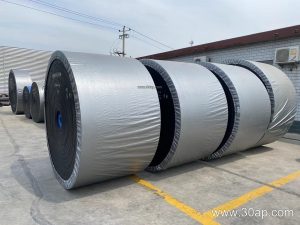
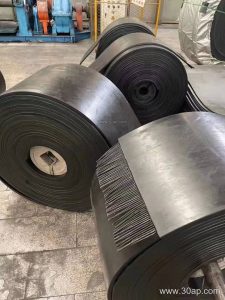
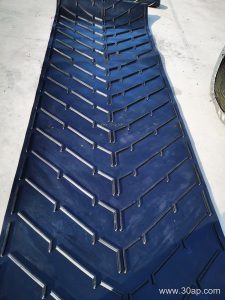
A cold resistant conveyor belt is a fabric or steel-reinforced rubber belt engineered to stay flexible when ambient temperatures drop well below freezing. Standard rubber compounds stiffen in cold weather, which makes a belt hard to train, prone to cracking at the pulley, and difficult to splice. The cold resistant variant uses a low-temperature rubber compound in both the cover and the skim layers so the belt can wrap around pulleys and trough through idler rollers without surface fractures.
Buyers often call this product a low-temperature conveyor belt or winter-grade belt. Those are equivalent names for the same item. It should not be confused with a heat resistant conveyor belt, which serves the opposite temperature range.
How the Belt Is Built
The construction follows standard conveyor belt practice with a cold-adapted compound. A typical build includes:
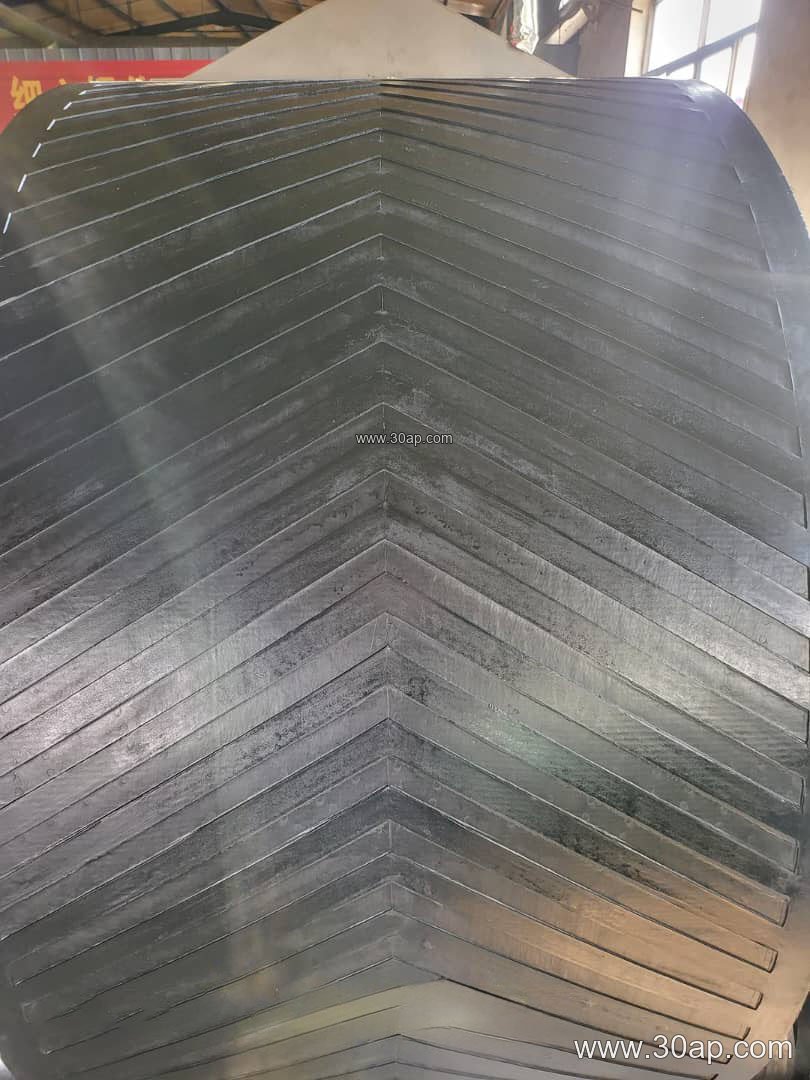
- Top and bottom cover rubber formulated for low-temperature flexibility
- One or more fabric plies, often EP or NN, acting as the tension-bearing carcass
- Skim rubber between plies to bond the layers
- Optional breaker fabric or reinforced edges for impact zones
Fabric core conveyor belt grades such as EP100, EP200, EP315 and EP400 are common choices for medium-duty cold-weather lines. For long overland routes or high tonnage, a steel cord conveyor belt may be preferred. The cold resistant compound is applied to either carcass type, so the low-temperature property is a cover and compound decision rather than a carcass family.
Cover thickness is usually specified in the familiar format, for example 4+2 mm, 5+2 mm or 6+2 mm. Carcass ply counts commonly range from two to six layers. These values are reference points only; the final build is confirmed by the belt designer against the conveyor duty.
Where It Is Used
Cold resistant belts appear wherever material must keep moving in winter conditions. Typical settings include:
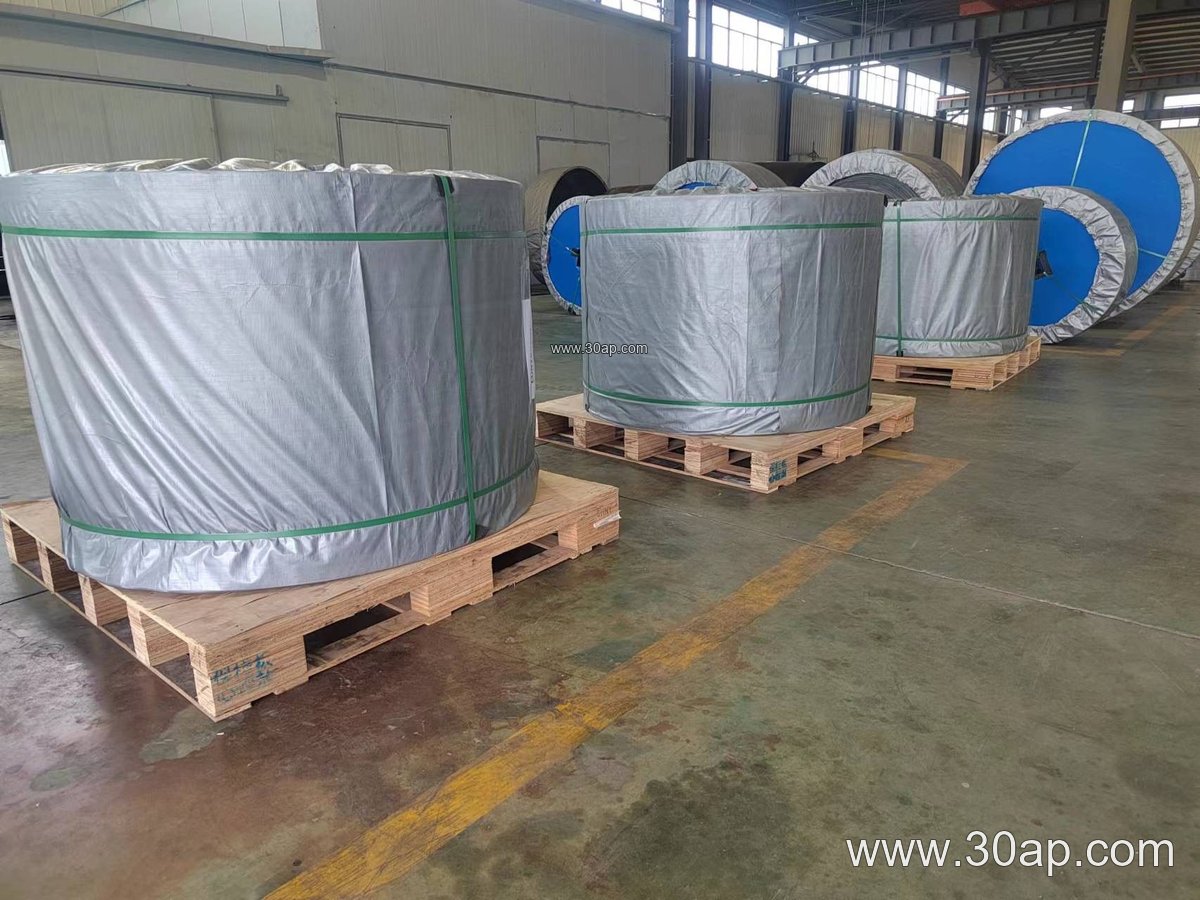
- Open-pit mines and quarry conveyor lines in cold regions
- Coal handling and coal mining conveyor systems that run through unheated galleries
- Cement and aggregate plants with outdoor stockpile conveyors
- Power plant coal yards and port ship loading conveyors exposed to freezing wind
- Sand and gravel pits, crusher discharge lines and recycling yards
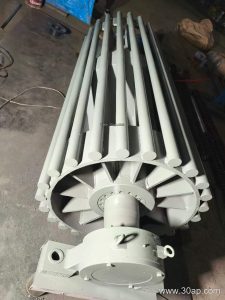
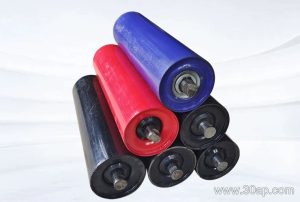
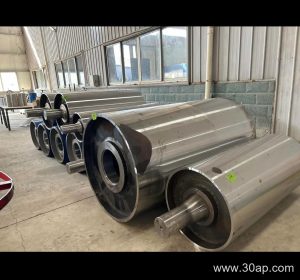
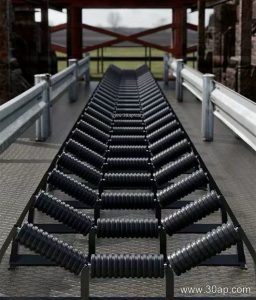
In these plants the belt works together with conveyor pulleys, idler rollers and conveyor brackets. Cold weather affects all of them, so the belt is only one part of a winter-ready conveyor. A cold resistant belt paired with standard rollers may still run poorly if the rollers freeze or the brackets shift with frost heave.
Selection Points for Buyers
Temperature Range and Compound
Ask the supplier to state the minimum service temperature the compound is designed for. Cold resistance is not a single grade; some belts suit moderate frost, others are built for severe arctic duty. Confirm whether the rating applies to static or running conditions.
Strength and Width
Belt tension class should match the calculated operating load. Widths such as B650, B800, B1000, B1200 and B1400 are common in cold-region plants, but the correct width comes from the conveyor design, not from a catalogue default. A wider belt does not automatically require a larger pulley, and belt width alone should never be used to fix a shaft diameter.
Splice and Edge Quality
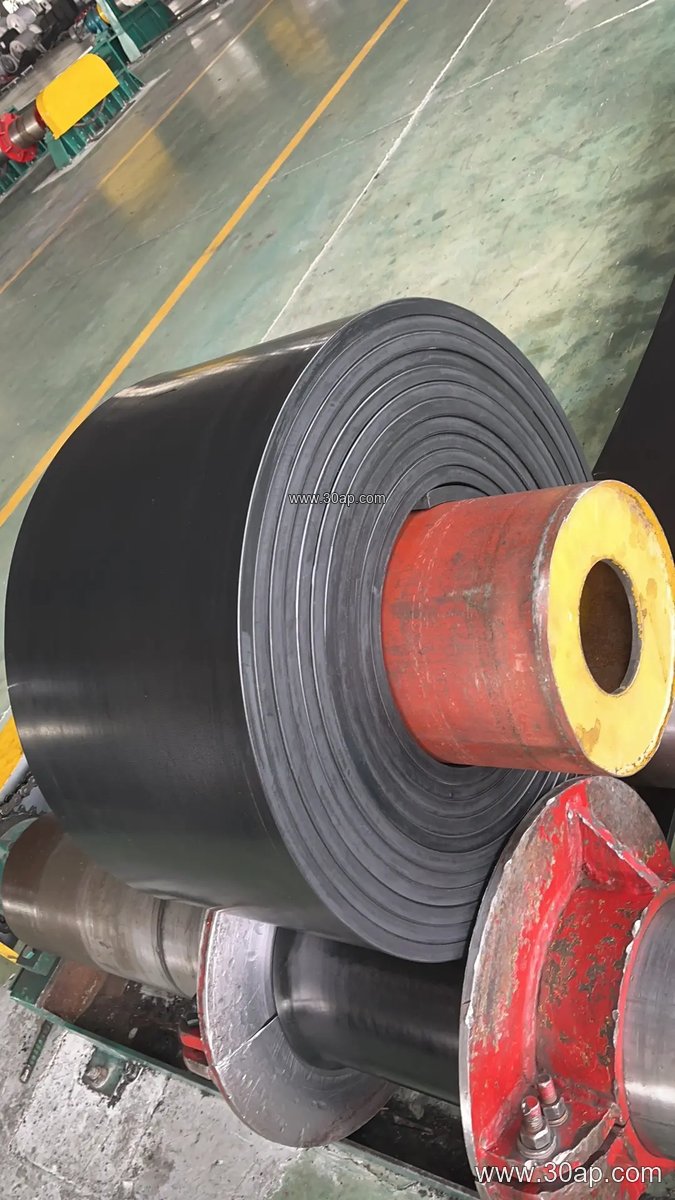
Cold makes splices the weakest point. Specify whether the belt will be vulcanized in the field or supplied as an endless conveyor belt. Reinforced edges help resist tearing at transfer points where frozen lumps fall.
Related Hazards
In coal mines, a flame retardant conveyor belt grade is often required alongside cold resistance. Where coal dust and static are present, an anti-static conveyor belt property may also be specified. Discuss combined requirements early, because a compound must satisfy all of them at once.
Installation and Maintenance Notes
Give the belt time to acclimate before splicing in freezing conditions. Keep the take-up system free so the belt is not over-tensioned when cold contraction shortens it. Check that bend pulleys and tail pulleys turn freely, and inspect idler rollers for ice buildup that can cut the cover. Clean the belt path after snowfall and avoid starting a loaded belt at full torque when the rubber is at its stiffest.
Inspect covers for small cracks at the edges and repair them before water enters the carcass. A cold resistant conveyor belt is a durable product, but it still rewards routine inspection with longer service life on quarry, mine and plant conveyors.