What a Mining Conveyor Belt Does on Site
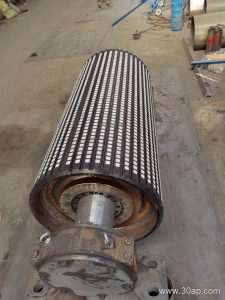
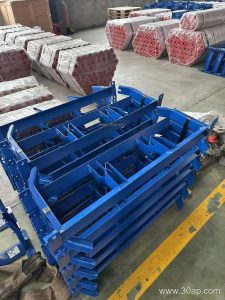
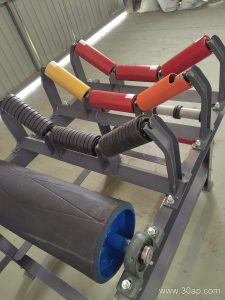
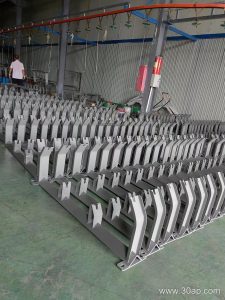
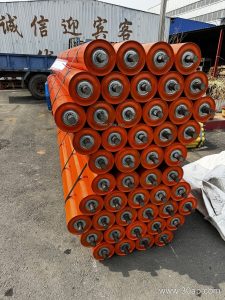
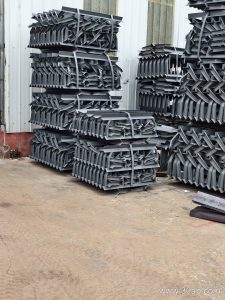
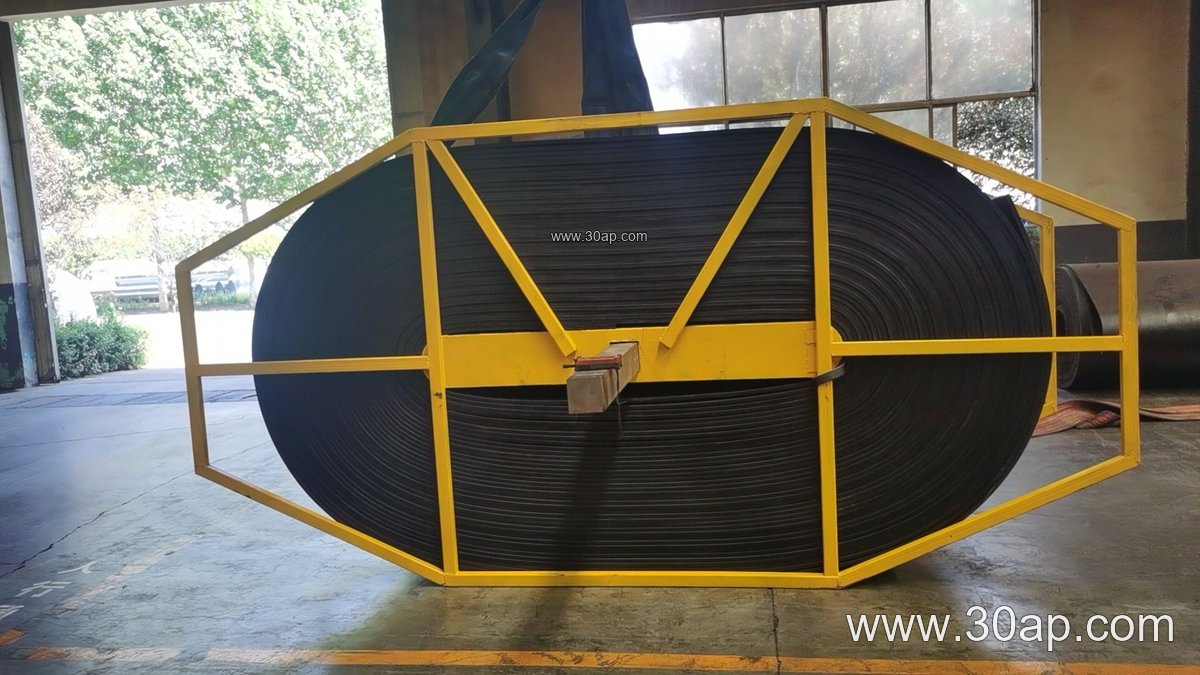
A Mining Conveyor Belt is the load-carrying element of a continuous haulage system. It moves crushed rock, ore, coal, aggregate and other bulk materials between the pit, the crusher, the stockpile and the loadout point. In a mine, cement plant, power plant or sand and gravel yard, the belt is only one part of the machine: conveyor pulleys at the drive and tail ends, idler rollers along the carry and return runs, and conveyor brackets holding the frame together all influence how well the belt performs. The belt itself, however, is the component that touches the material and absorbs the impact, abrasion and sometimes heat or oil.
Construction and Common Belt Types
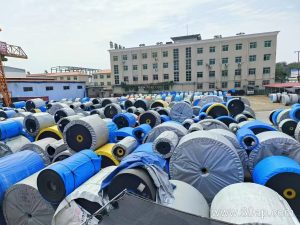
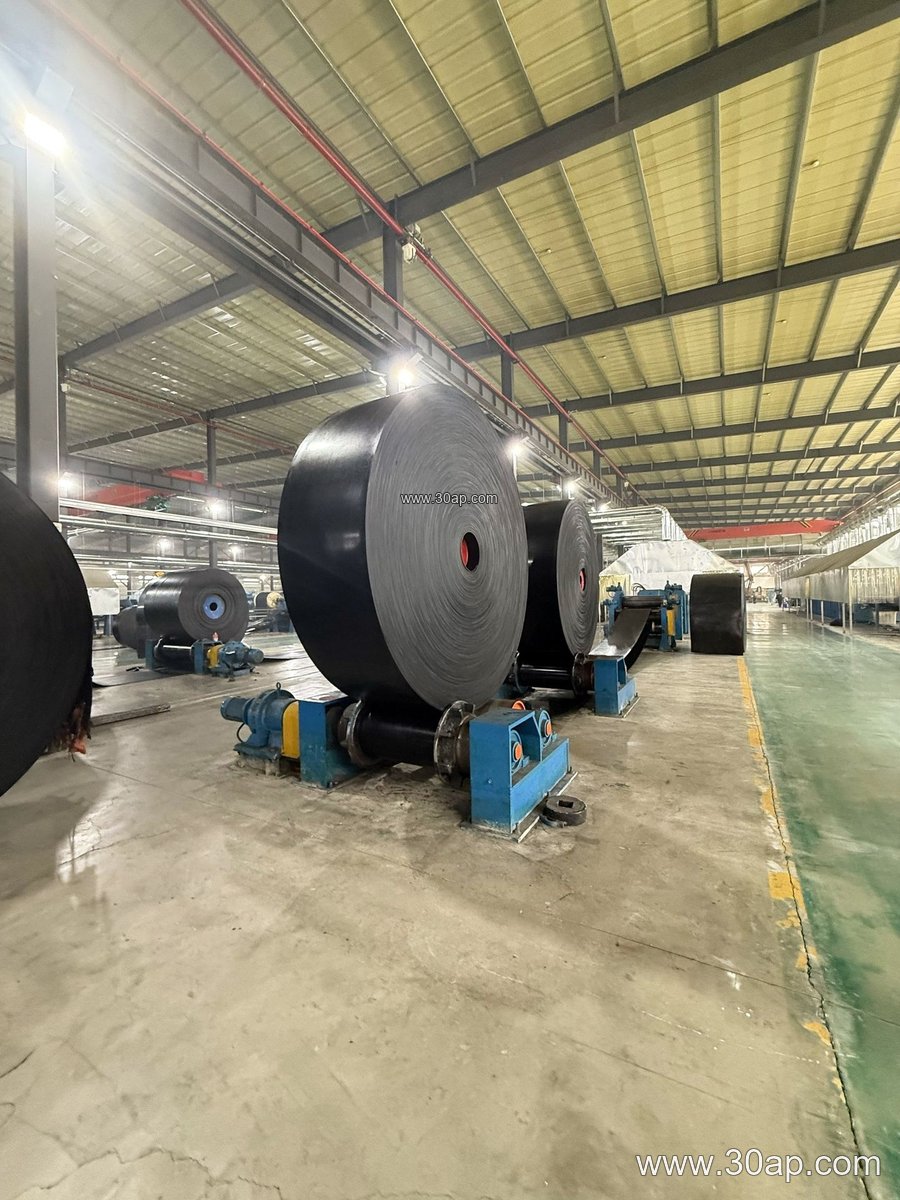
Most heavy-duty belts combine a fabric or steel cord carcass with rubber covers. The carcass carries tension, while the top cover resists wear and the bottom cover protects the pulley side. Common constructions include EP Conveyor Belt (polyester-nylon fabric), NN Conveyor Belt (nylon-nylon), and Steel Cord Conveyor Belt for long, high-tension runs. In underground coal work, PVG Conveyor Belt and PVC Mining Conveyor Belt are often chosen where flame resistance and anti-static behavior matter. Quarries and aggregate plants frequently use an Abrasion Resistant Conveyor Belt or a Heavy-Duty Mining Conveyor Belt with thicker covers.
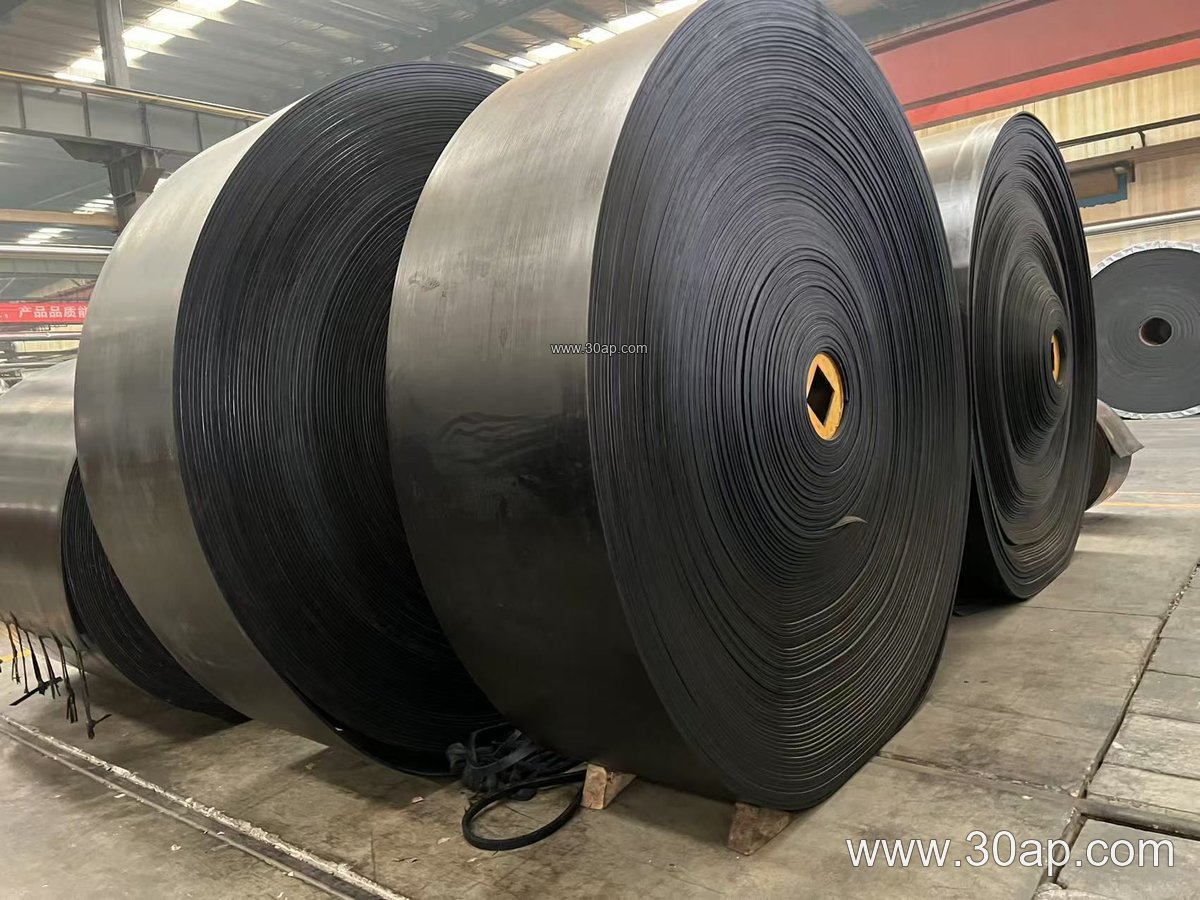
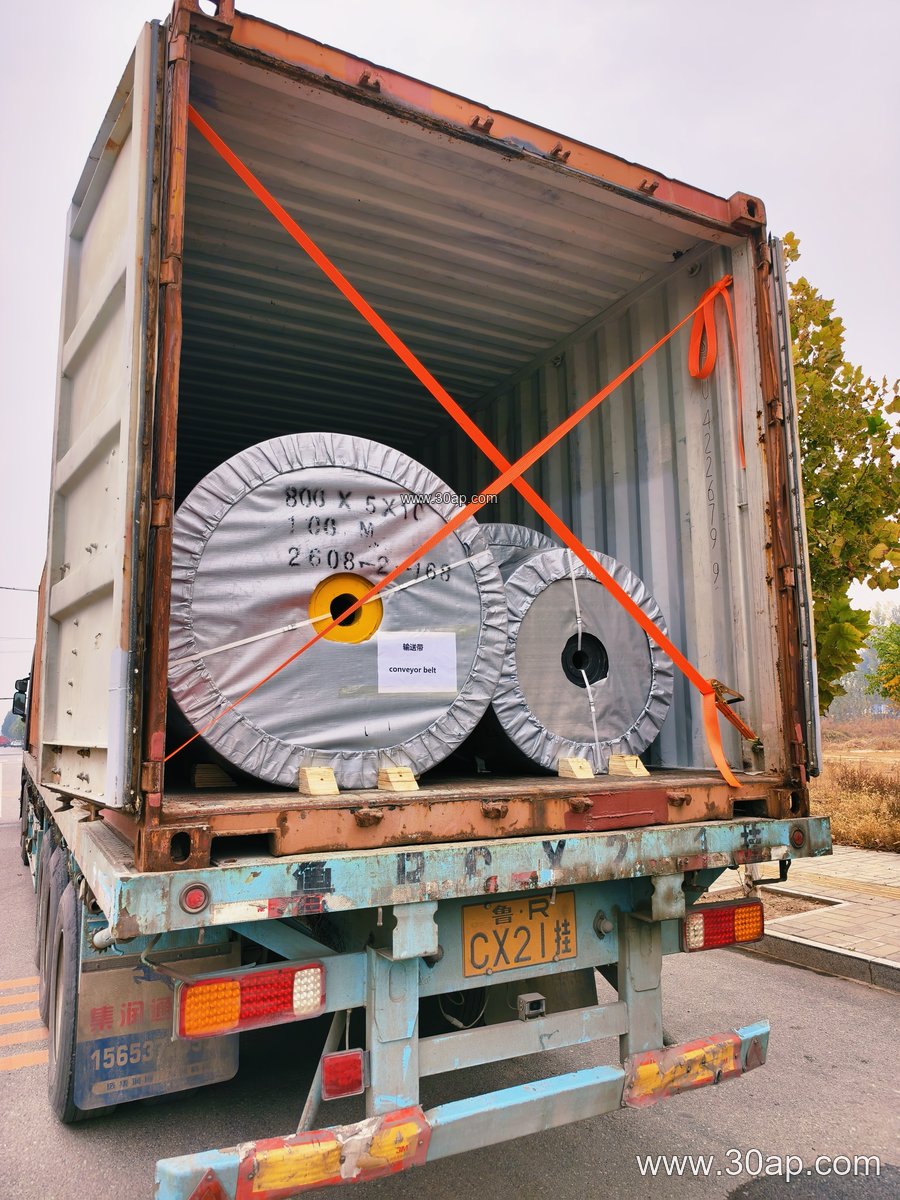
Special conditions call for specific grades: Heat Resistant Conveyor Belt near clinker or sinter, Oil Resistant Conveyor Belt around lubricated equipment or oily feedstock, Cold Resistant Conveyor Belt in freezing climates, and Flame Retardant Conveyor Belt or Fire Resistant Conveyor Belt where regulations demand it. Chevron Conveyor Belt, Skirted Conveyor Belt and Corrugated Sidewall Conveyor Belt help on inclines or where material must be contained. Pipe Conveyor Belt is used where dust control and route flexibility are priorities.
Typical Specifications and How They Are Written
Buyers usually specify carcass type, tensile strength, belt width, cover thickness and number of plies. Values below are common reference points, not fixed universal specifications; every project should be confirmed by design.
| Parameter | Typical reference values |
|---|---|
| Fabric carcass grades | EP200, EP315, EP400, EP500, EP630, EP800, EP1000, EP1250 |
| Steel cord grades | ST1000, ST1250, ST1600, ST2000, ST2500 |
| Belt width | B500, B650, B800, B1000, B1200, B1400, B1600, B1800, B2000 |
| Cover thickness (top + bottom) | 3+1.5 mm, 4+2 mm, 5+2 mm, 6+2 mm, 8+3 mm |
| Fabric plies | Usually 2 to 6 layers, depending on tension |
A designation such as EP1000 1200mm Conveyor Belt or EP1250 1800mm Conveyor Belt describes strength and width together. A 1200mm Wide Conveyor Belt and a 1500mm Wide Conveyor Belt may be used on the same plant for different lines; neither width dictates a single pulley diameter, and shaft size must come from the conveyor design rather than the belt alone.
Where These Belts Are Used
- Coal Mining Conveyor Belt and Underground Coal Mining Conveyor Belt systems for face and drift haulage.
- Iron Ore Conveyor Belt and Copper Ore Conveyor Belt lines handling dense, abrasive rock.
- Crusher Conveyor Belt and Stone Crushing Conveyor Belt duties with high impact at transfer points.
- Quarry Conveyor Belt and Aggregate Conveyor Belt circuits in sand and gravel operations.
- Cement Conveyor Belt and Power Plant Conveyor Belt routes for clinker, limestone and fuel.
- Port Conveyor Belt and Ship Loading Conveyor Belt systems for fast bulk transfer.
The same belt may run over several conveyor pulley positions, so matching cover grade and carcass to the duty matters more than choosing a single famous brand name.
Buyer Checklist Before Ordering
Start with the material: lump size, moisture, temperature, oil content and abrasiveness. Then confirm the duty cycle, incline angle and transition distances, because these affect whether a standard belt, a Chevron Conveyor Belt or a Corrugated Sidewall Conveyor Belt is appropriate. Ask for the carcass grade and cover thickness in writing, and check that the splice method suits the site. Spare idler roller sets and a spare conveyor pulley should be planned alongside the belt order. For high-abrasion ore or heavy rock, a High Abrasion Resistant Conveyor Belt or Impact Resistant Conveyor Belt can reduce downtime, while a High Strength Conveyor Belt or ST2000 Conveyor Belt may be needed on long overland routes.
Maintenance and Safety Notes
Keep the belt tracking straight, inspect idler rollers for seizure, and check pulley lagging for wear. Material buildup at transfer points causes edge damage, so skirt rubber and chute liners should be checked regularly. Store spare belts away from sunlight and ozone, and follow the manufacturer’s splice instructions. No single belt specification fits every mine; the right choice comes from matching carcass, cover and width to the actual duty and to the conveyor structure.