What a Highly Wear-Resistant Idler Is
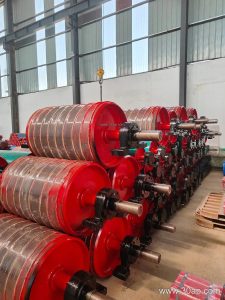
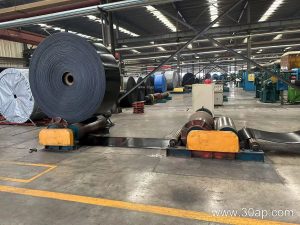
A highly wear-resistant idler is a conveyor roller designed to survive the constant abrasion of sharp, heavy, and fast-moving bulk materials. Unlike a standard idler roller that may fail early in harsh conditions, this type uses upgraded materials and construction to extend service life. It is a common choice in quarry conveyor lines, iron ore handling, and cement plant raw material transport where dust and grit are unavoidable. The idler works together with the conveyor belt, conveyor pulley, and conveyor bracket to keep the belt tracking smoothly and reduce maintenance stops.
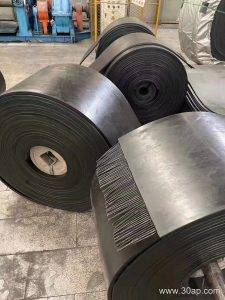
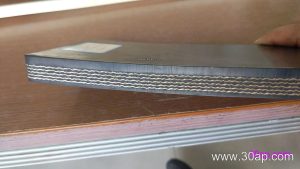
When specifying this component, buyers often pair it with an abrasion resistant conveyor belt to build a wear-resistant conveyor system for the entire line. The idler itself does not replace the belt, but it helps protect it by maintaining proper support and alignment.
Construction and Wear-Resistant Features
The wear resistance of a highly wear-resistant idler comes from several design details:
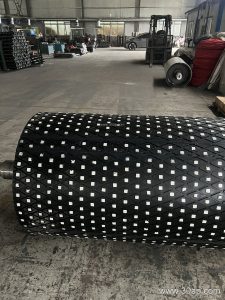
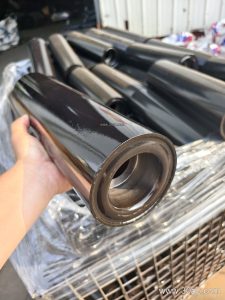
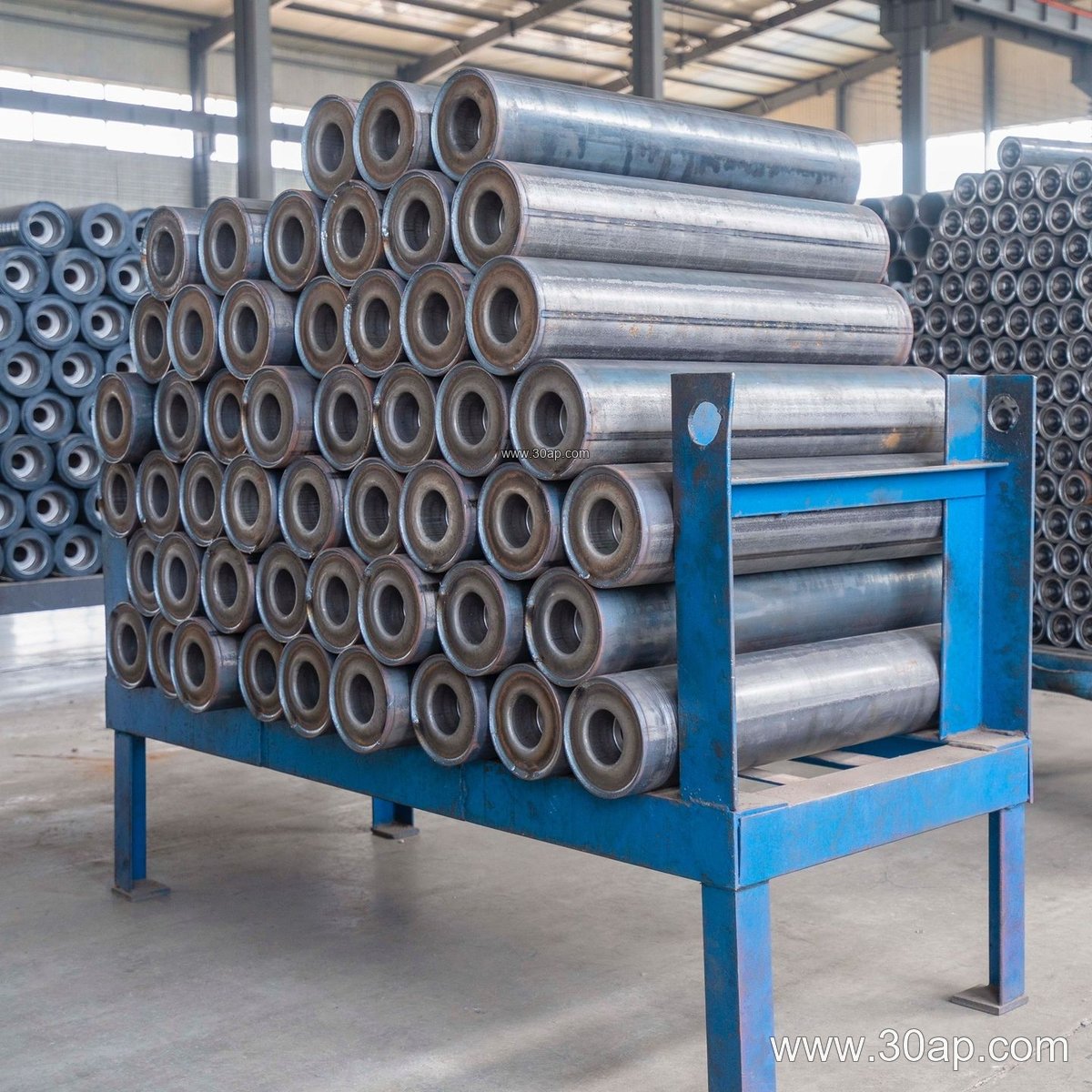
- Roller shell: Thick-walled steel tube is common, and some designs use nylon or ceramic coatings on the surface. Rubber rings are also available for impact zones.
- Bearing and seal: A multi-stage labyrinth seal keeps fine dust out of the bearing cavity. Common bearing sizes include 6204, 6205, 6305, 6306, 6308, and 6310, matched to the roller diameter and load.
- Shaft and end cap: Welded end caps and a robust shaft prevent looseness under vibration.
These features matter in a crusher conveyor or a coal mining conveyor belt line, where fine particles can quickly destroy a poorly sealed idler.
Where It Fits on the Conveyor
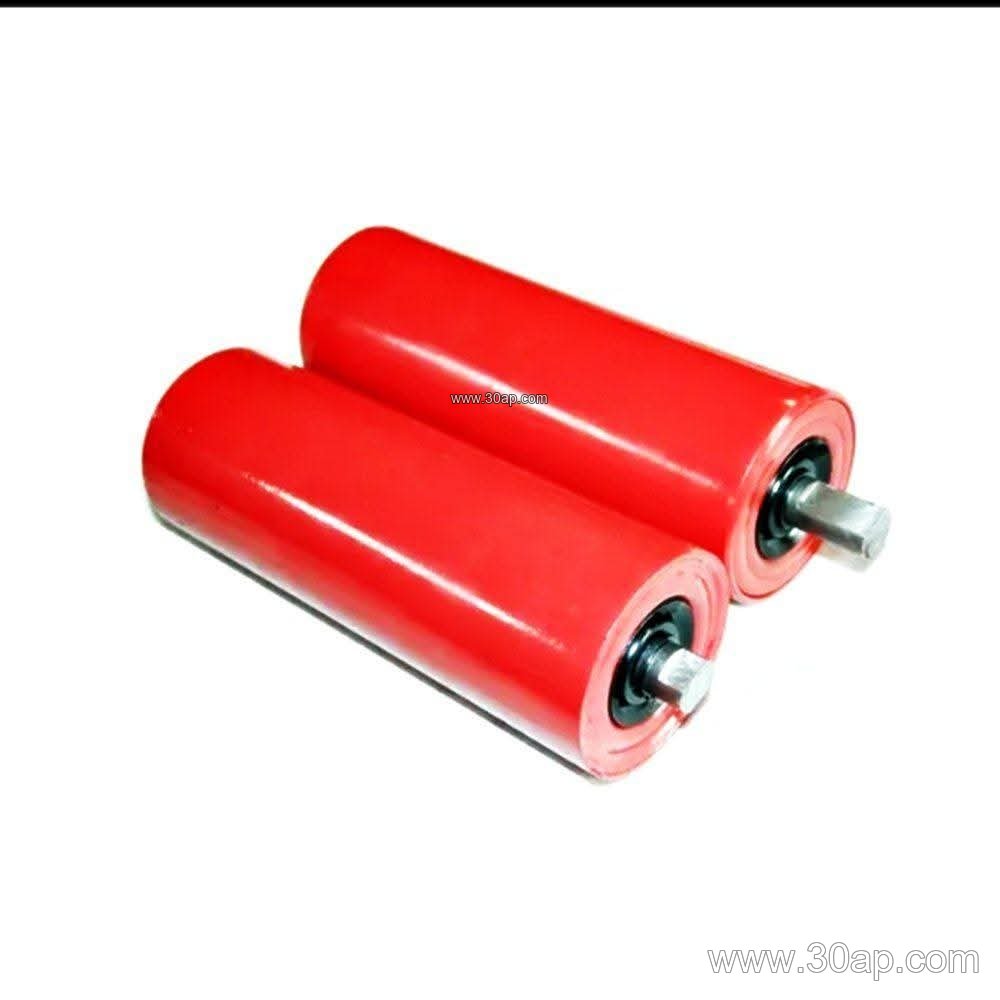
A highly wear-resistant idler can be used in several positions along the conveyor structure. The most common are:
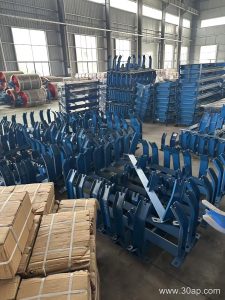
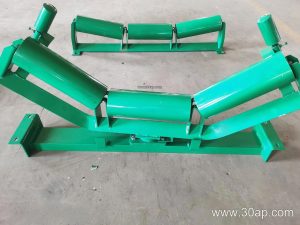
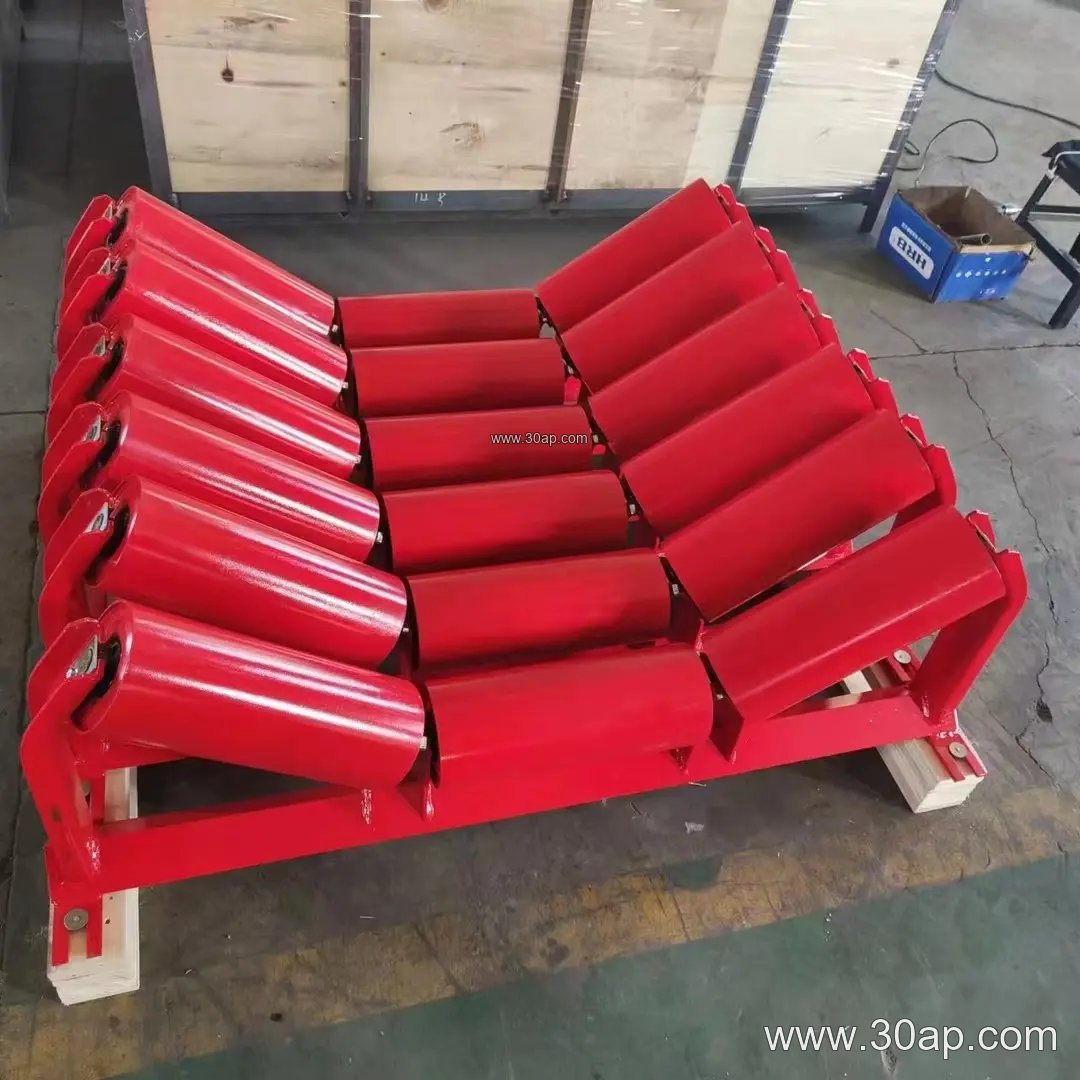
- Carrying side (troughing idler): Three-roll troughing sets with 20, 30, 35, or 45 degree trough angles support the loaded belt.
- Return side: Flat return rollers or V-return rollers support the empty belt.
- Impact zone: Rubber-disc impact idlers absorb the shock of falling material at transfer points.
- Transition and training: Transition idlers and self-aligning idlers help control belt path.
In a limestone quarry or a sand and gravel plant, the carrying idlers see the most abrasion. In a coal washing plant, both carrying and return idlers may need wear protection because of fine coal dust and moisture.
Common Sizes and Selection Reference
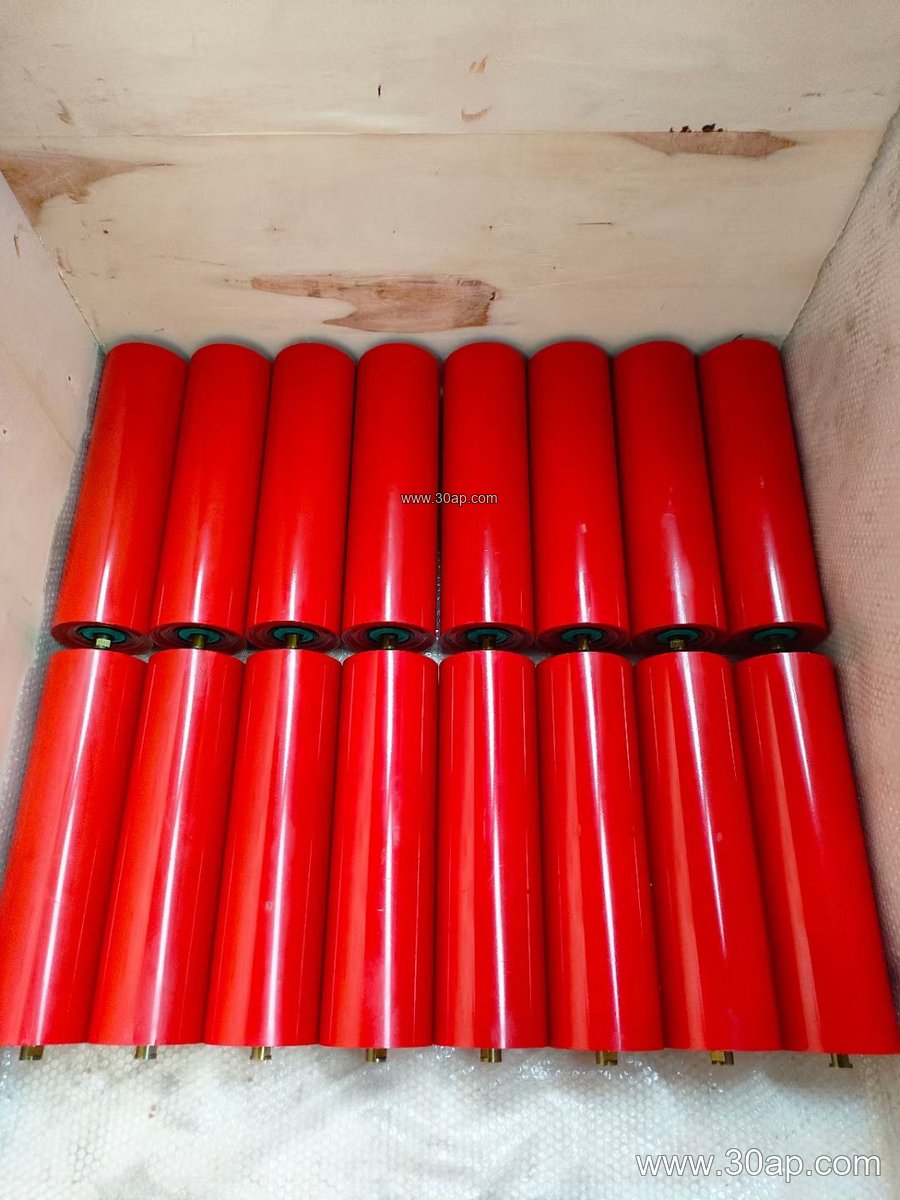
Idler dimensions follow the conveyor belt width and the idler set form. The table below gives common examples, not fixed rules. Side rollers and center rollers can differ in length.
| Belt width (B) | Common roller length for 3-roll troughing set | Typical roller diameter range |
|---|---|---|
| B500 | about 200 mm | Ø63 to Ø89 mm |
| B650 | about 250 mm | Ø76 to Ø108 mm |
| B800 | about 315 mm | Ø89 to Ø127 mm |
| B1000 | about 380 mm | Ø102 to Ø133 mm |
| B1200 | about 465 mm | Ø108 to Ø159 mm |
| B1400 | about 530 mm | Ø127 to Ø178 mm |
| B1600 | about 600 mm | Ø133 to Ø194 mm |
| B1800 | about 670 mm | Ø159 to Ø219 mm |
| B2000 | about 750 mm | Ø178 to Ø219 mm |
Roller diameters beyond this range are available for special designs. The bearing size is not fixed by belt width alone; it is selected according to load, speed, and idler type. For a highly wear-resistant idler, the shell thickness and seal quality often matter more than a single nominal dimension.
Buyer Checklist for Wear-Resistant Idlers
Before ordering, confirm the following with the supplier:
- The actual belt width and trough angle, so the idler set matches the existing conveyor bracket.
- The material being conveyed: sharp rock, sinter, clinker, or coal dust all affect wear rate.
- Whether the idler is for carrying, return, impact, or training duty.
- The required roller diameter and bearing size, based on load and speed.
- Sealing class and surface form: plain steel, nylon, ceramic, or rubber ring.
For a complete wear-resistant conveyor line, buyers may also consider a rubber conveyor belt or an EP conveyor belt to work with the idlers. In coal mining, a flame retardant conveyor belt is often specified together with anti-static properties, while a heat resistant conveyor belt may be needed in cement or sinter plants.
Maintenance and Application Notes
Even a highly wear-resistant idler needs periodic inspection. Check for shell wear, seal leakage, and bearing noise. Replace idlers in sets when possible to keep the belt supported evenly. In a power plant coal yard or a port bulk terminal, keeping idlers free-turning reduces belt friction and energy use. For extreme abrasion, a high abrasion resistant conveyor belt combined with well-sealed idlers can lower downtime. The idler is a small component, but in a quarry conveyor or a mining conveyor belt system, it directly affects belt life and operating cost.