What Pulley Lagging Does on a Conveyor Pulley
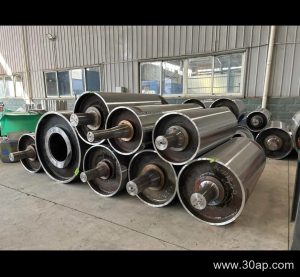
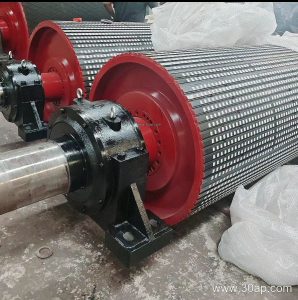
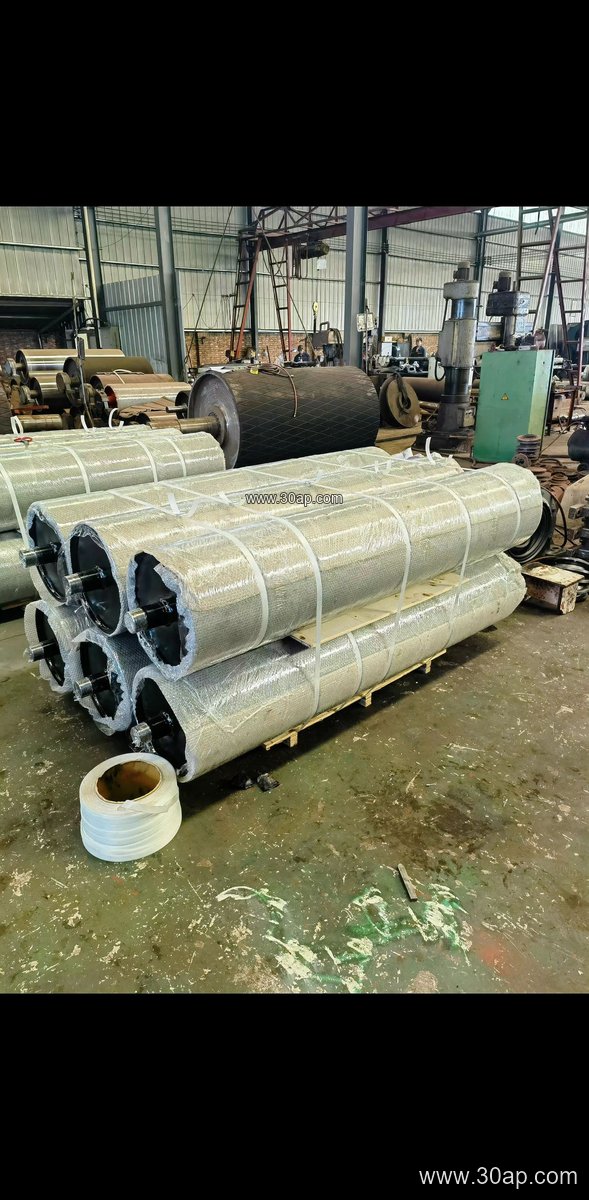
Pulley lagging is the rubber or ceramic layer attached to the shell of a conveyor pulley. Its job is straightforward but important: raise friction between the pulley face and the conveyor belt, protect the steel shell from abrasive wear, and help keep the belt tracking steadily. In a quarry, a limestone mine, or a crusher discharge line, the drive pulley has to transmit torque without slipping, and lagging is often what makes that possible under wet or dusty conditions.
The same product is also called pulley rubber lagging or drum lagging. It is not the belt and it is not a replacement for an idler roller, though all three work together in the same conveyor system. A conveyor pulley without lagging may run fine on a light-duty line, but once tension, load, and moisture rise, bare steel loses grip quickly.
How Lagging Is Built and Attached
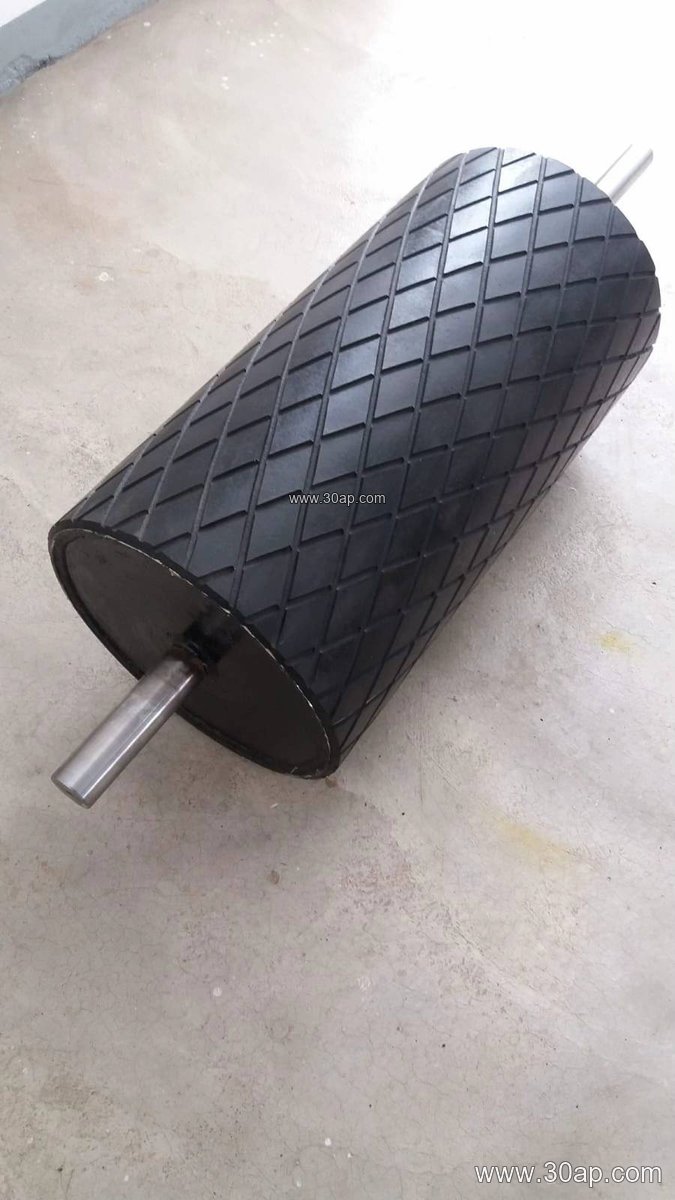
Most lagging starts as a rubber sheet with a plain, diamond, herringbone, or ceramic surface. The sheet is bonded to the pulley shell by hot vulcanization, cold adhesive bonding, or cast-on methods. Thickness commonly falls in the 8, 10, 12, 15, and 20 mm range, and the choice depends on the duty and the belt contact pressure rather than on a single rule.
- Plain surface: general grip for clean, dry belts.
- Diamond lagging: good all-round traction with some water shedding.
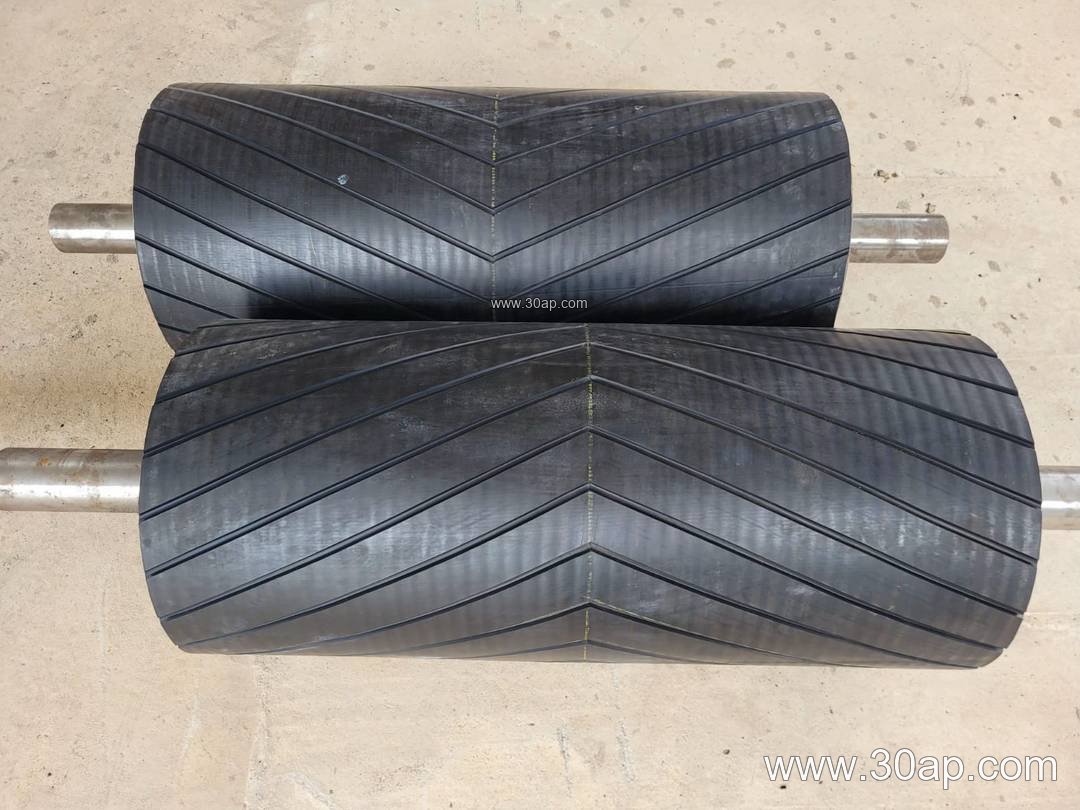
- Herringbone lagging: helps guide the belt and reduce slippage on reversing or high-tension drives.
- Ceramic lagging: high abrasion resistance for wet, muddy, or heavily loaded drives.
Bond quality matters as much as the rubber compound. A poorly bonded layer can lift at the edges, letting grit and water work underneath. Buyers should ask how the lagging is applied and whether the pulley shell is prepared and cleaned before bonding.
Where It Fits in the Conveyor Layout
Lagging is most often specified on the drive pulley, because that is where slip causes the most trouble. It also appears on tail pulleys and bend pulleys where belt wrap and wear justify the extra protection. These positions are not interchangeable, and a tail pulley usually sees different loads and belt contact than a head drive.
In a coal mining conveyor or a power plant coal handling line, a flame retardant conveyor belt may run alongside lagged pulleys to reduce fire risk. In a cement plant or aggregate conveyor, an abrasion resistant conveyor belt and hard-wearing lagging form a durable pair. For long overland lines using a steel cord conveyor belt, lagging choice should match the high belt tension and the pulley diameter rather than being copied from a short plant conveyor.
Typical pulley sizes are often quoted as a belt width and diameter pair, such as B800 × Ø500, B1200 × Ø1000, or B1400 × Ø800. These are common examples, not fixed rules. Shaft diameter is determined by torque and load, commonly in the Ø50 to Ø200 range, and should never be guessed from belt width alone.
Buyer Checklist Before Ordering
Start with the pulley position and duty: drive, tail, or bend. Then confirm the shell diameter, face width, and belt width. State the lagging surface and thickness you need, and describe the environment, including water, oil, heat, or fine abrasive dust. Mention whether the conveyor uses a fabric core conveyor belt, an EP conveyor belt, or another construction, because belt stiffness affects wrap and traction.
Ask for the bonding method and inspection points. Check that the face width is slightly larger than the belt width, for example B650 with roughly a 750 mm face. Keep spare lagging sheets or a spare lagged pulley for critical drives so a worn surface does not stop the line.
Finally, match lagging to maintenance practice. A ceramic surface lasts well in wet, gritty service but needs careful handling. Rubber diamond lagging is easier to inspect and resurface. Either way, regular checks for edge lift, glazing, and embedded material will keep the conveyor pulley gripping as intended.