What a Bulk Material Conveyor Belt Does
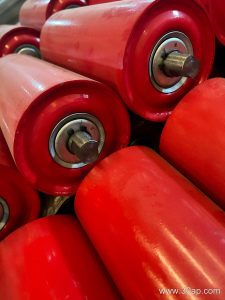
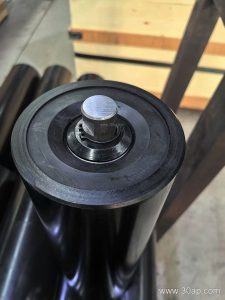
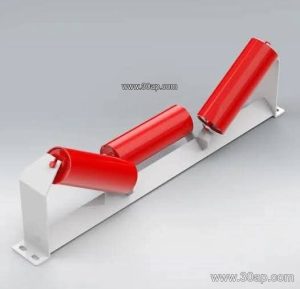
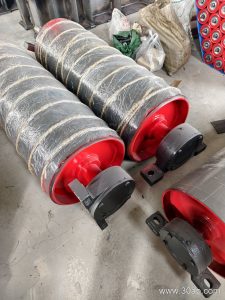
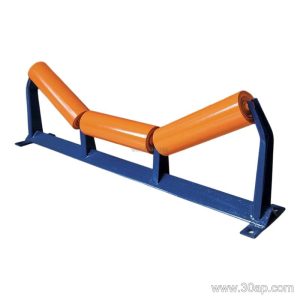
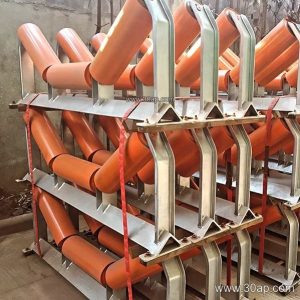
A bulk material conveyor belt is the load-carrying element of a continuous handling system. It moves crushed rock, coal, clinker, ore, sand, gravel and similar loose materials along a fixed route, often over long distances and at high tonnage. In a mine, quarry, cement plant, power station or sand and gravel yard, the belt works together with idler rollers, conveyor pulleys and conveyor brackets to form a complete conveying line.
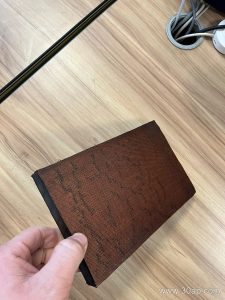
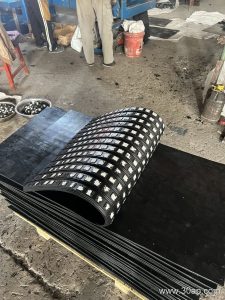
The belt itself is a composite: a tensile carcass carries the pulling load, while rubber or PVC covers protect the carcass from abrasion, impact, moisture and heat. Buyers often describe the same product as a bulk handling conveyor belt or a heavy-duty conveyor belt for loose materials, depending on the industry.
Construction and Main Types
The carcass decides strength and elongation. Common options include fabric core and steel cord designs:
- EP conveyor belt – polyester-polyamide fabric carcass, widely used for general bulk haulage.
- NN conveyor belt – nylon-nylon fabric carcass, with good flexibility and fatigue resistance.
- Multi-ply fabric core conveyor belt – several fabric plies for heavier duty.
- Steel cord conveyor belt – steel wires embedded in rubber for very long runs and high tension.
- PVG or PVC conveyor belt – solid-woven carcass with PVC or PVG covers, common in underground coal mining.
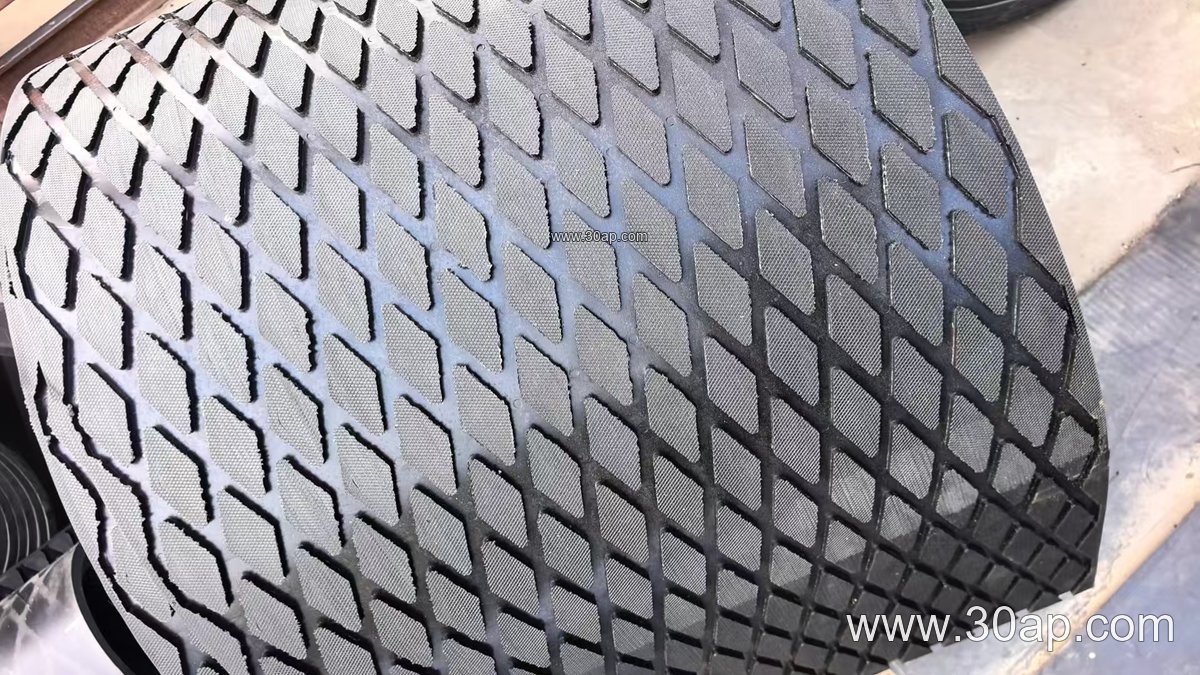
Surface and profile variants solve specific problems: a chevron conveyor belt or corrugated sidewall belt holds material on steep inclines, a pipe conveyor belt encloses the load, and an endless conveyor belt is spliced into a closed loop before delivery.
Common Specifications
Values below are typical reference ranges. Actual strength, width and cover thickness are confirmed by the conveyor design and may differ between manufacturers.
Strength Grades
| Type | Common Strength Grades |
|---|---|
| EP conveyor belt | EP200, EP315, EP400, EP500, EP630, EP800, EP1000, EP1250, EP1600, EP2000 |
| NN conveyor belt | NN100 to NN400 and above, by design |
| Steel cord conveyor belt | ST1000, ST1250, ST1600, ST2000, ST2500, ST3150 |
| PVG conveyor belt | PVG800, PVG800S and similar grades |
Belt Width and Cover Thickness
| Parameter | Typical Range |
|---|---|
| Belt width | B500, B650, B800, B1000, B1200, B1400, B1600, B1800, B2000 mm |
| Cover thickness (top + bottom) | 3+1.5, 4+2, 5+2, 6+2, 8+3 mm |
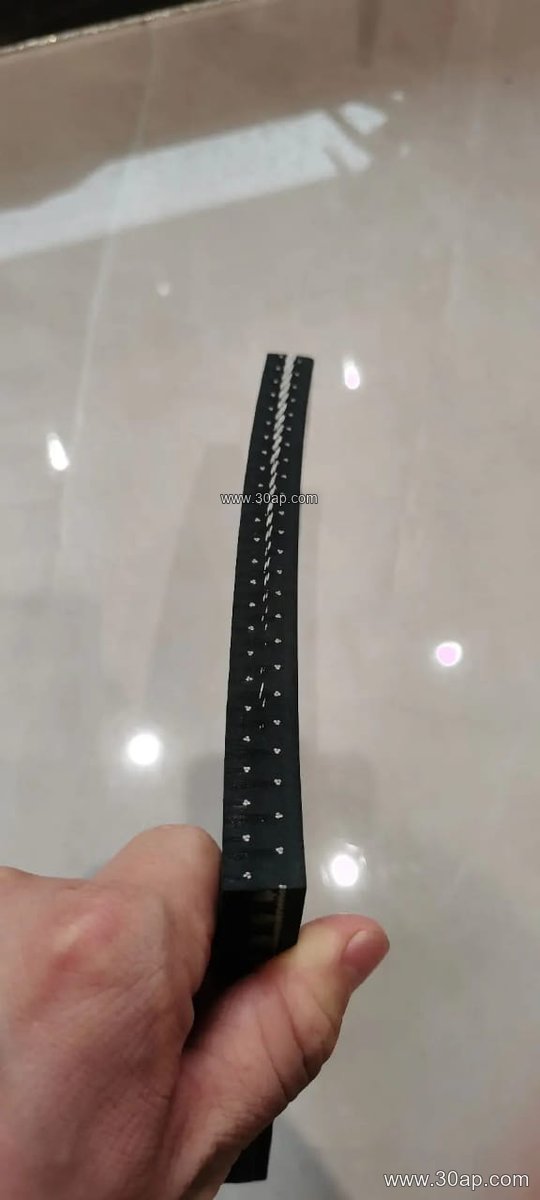
| Fabric plies | usually 2 to 6 layers |
Width and pulley diameter are matched through the conveyor layout, not by a fixed rule. A 1000mm wide belt may run on different pulley sizes depending on tension and take-up design.
Matching the Belt to the Working Conditions
The environment matters as much as the tonnage. A coal mining conveyor belt underground usually needs flame retardant and anti-static properties; a heat resistant conveyor belt suits cement clinker or sinter; an abrasion resistant conveyor belt handles sharp rock and ore; an oil resistant or acid resistant cover is chosen where grease, fuel or chemicals are present. Cold resistant grades serve northern yards and freezer areas, while food grade belting is reserved for contact with food.
For a quarry conveyor belt or crusher conveyor belt, impact resistance at the loading point is critical, so thicker top covers and impact idler rollers are often specified. Port and ship loading conveyors tend to favor high strength and low stretch, which points toward steel cord construction.
Buyer Checklist
- Define material type, lump size, temperature and moisture before choosing the cover compound.
- Confirm the required tensile strength from the conveyor calculation, then select EP, NN or steel cord accordingly.
- Check belt width against the existing idler roller and conveyor pulley arrangement, including bend pulleys.
- Ask for splice method and whether an endless belt is required.
- Review cover thickness and ply count together, since both affect belt weight and training behavior.
- Keep spare belt, rollers and brackets consistent with the original specification to avoid mismatch.
For more technical data on bulk material conveyor belt options, visit www.example.com/conveyor-belt or contact the supplier with your duty conditions.