What a Coal Mine Belt Conveyor Pulley Does Underground
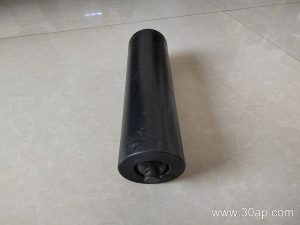
A coal mine belt conveyor pulley is the rotating drum that turns a conveyor belt, sets its tension, and steers it along the route. In an underground coal mining conveyor, these drums sit in a damp, dusty, and often gassy environment, so the design has to combine strength with flame safety and easy inspection. The same product is also called a conveyor drum or belt pulley, and buyers will see both names in drawings and spare-part lists.
The drive pulley, or head pulley, grips the belt on the discharge end and transfers motor torque into belt motion. The tail pulley at the loading end returns the belt and helps keep it centered. Bend pulleys, also called redirect or snub pulleys, change belt direction around tension weights and take-up frames. These are separate duties and are not interchangeable, even though they share the same basic drum body.
How the Drum Is Built
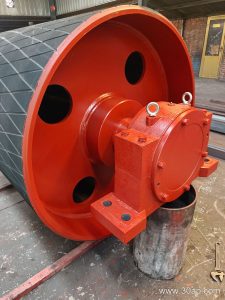
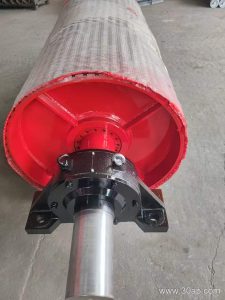
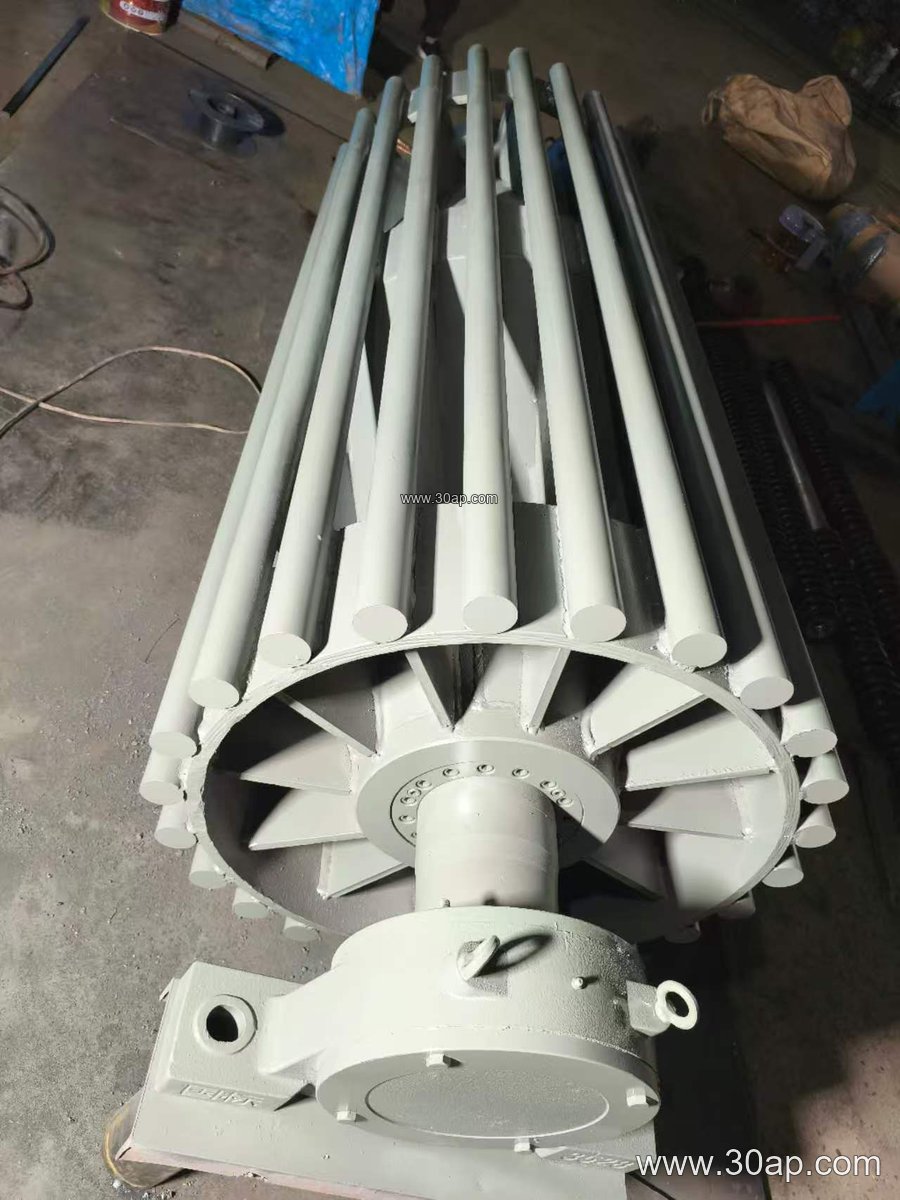
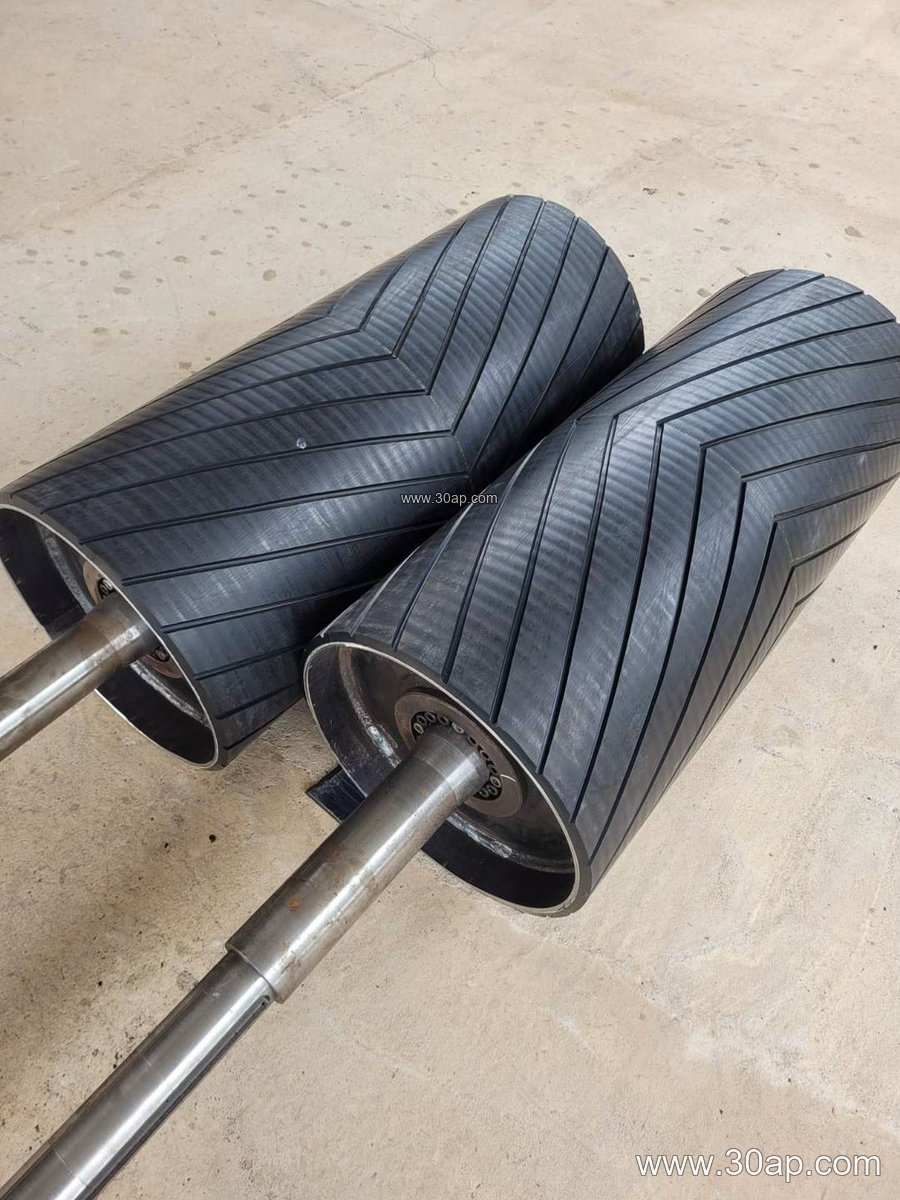
Most heavy drums start as a rolled steel shell welded to two end discs, with a shaft fitted through the hub or welded to it. The shell is machined so the belt runs true, and the surface may be left plain or covered with lagging. Common surface choices include plain finish, hot-vulcanized rubber, cold-bonded rubber, diamond grooving, herringbone grooving, ceramic tiles, and flat rubber sheet. Lagging thickness is often 8, 10, 12, 15, or 20 mm depending on grip and wear needs.
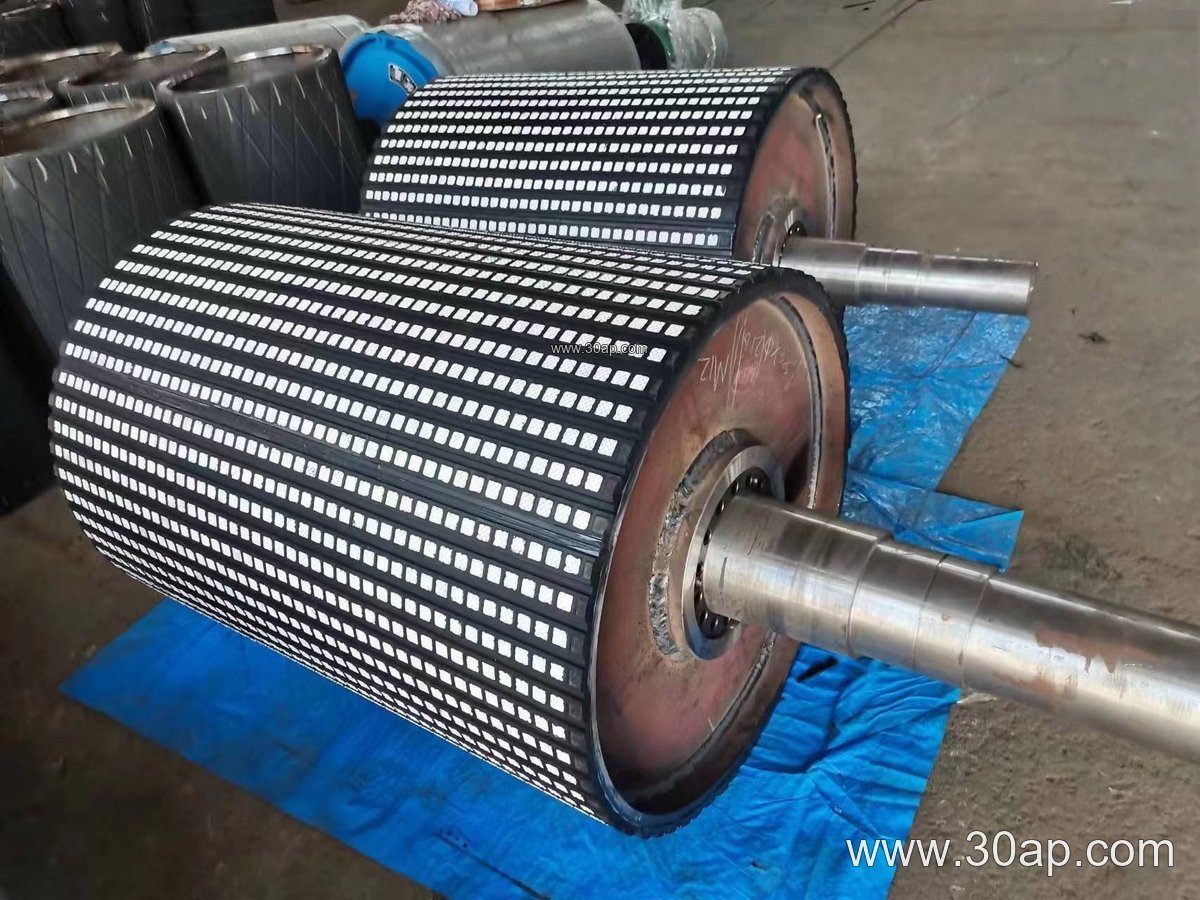
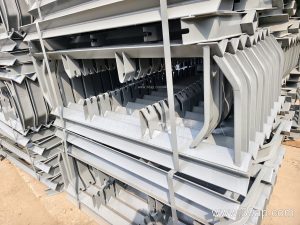
Bearing housings, seals, and a conveyor bracket at each end complete the assembly. On a coal mine belt conveyor pulley, bearing protection matters as much as shell strength, because coal dust and wash-down water shorten seal life. Some designs use an electric motor inside the drum to save space in low tunnels. Shaft diameter is chosen from torque and radial load, not from belt width alone; common shaft sizes range from about Ø50 to Ø200 mm on general conveying work.
Matching Drum Size to Belt and Layout
The drum face is normally wider than the belt so the belt edge stays supported. A few reference combinations show the idea: B800 with a face near 950 mm, B1200 near 1400 mm, and B1400 near 1600 mm. Diameter is a separate decision, often Ø500, Ø630, Ø800, or Ø1000 on main drives, and the same belt width may run on more than one diameter depending on belt tension and wrap angle. A drum sized B1200 × Ø1000 and another sized B800 × Ø500 both appear in real layouts, but no single pairing is fixed for every conveyor.
| Reference item | Common range or example |
|---|---|
| Belt width | B400 to B2400 |
| Drum diameter | Ø200 to Ø1800 |
| Drum face | About 100 to 200 mm wider than belt |
| Lagging thickness | 8, 10, 12, 15, 20 mm |
| Shaft diameter | Ø50 to Ø200 mm, by torque and load |
At coal handling plants and power plant coal yards, a flame retardant conveyor belt and a well-lagged drive drum work as a pair. The rubber lagging raises friction so the belt does not slip when the load surges, while the drum face stays true so the belt tracks evenly. Where the route bends sharply, a bend pulley with a smaller diameter may be used, but it should not be confused with the main drive drum.
Where the Drum Fits in Coal and Bulk Handling
Beyond underground coal mining, this drum type serves wash plants, limestone and iron ore yards, cement clinker lines, and port bulk terminals. In a crusher conveyor or a long overland run, the drive pulley takes the highest torque and the tail pulley takes the most impact from falling coal. A quarry conveyor belt line may use a larger head drum and a compact tail drum to suit the same frame. Choosing abrasion resistant conveyor belt or a heavy-duty mining conveyor belt affects belt tension, and that in turn affects drum diameter and shaft size.
Buyer Checklist
- State the belt width, belt type, and expected maximum tension, not just the drum diameter.
- Confirm the duty position: drive, tail, bend, take-up, or snub. Each has a different load profile.
- Choose the lagging surface from actual conditions: plain for light slip risk, grooved or ceramic where grip and wear are severe.
- Ask for shaft material, bearing type, seal arrangement, and balancing grade in writing.
- Check that the drum face, keyway, and bracket bolt pattern match the existing conveyor frame.
- For underground coal use, specify flame retardant and anti-static requirements for belt and lagging together.
Inspection is simple but important. Check lagging wear, bolt tightness, bearing temperature, and belt tracking after each shutdown. Re-lagging a worn drive drum is usually cheaper than replacing the whole assembly. A coal mine belt conveyor pulley that is matched to its belt, load, and location will keep a coal mining conveyor belt running straight and reduce downtime for the whole coal mining conveyor system.