What the Return Idler Does on a Conveyor
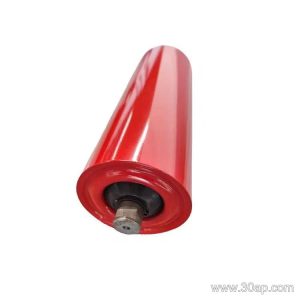
A conveyor return idler is the roller that carries the empty, or return, strand of the belt back toward the tail end of the machine. While the carrying side does the production work, the return side quietly holds the belt off the ground, keeps it tracking in a stable line, and limits sag between supports. On a long overland line at a quarry or a coal handling system at a power plant, these rollers are fitted in greater numbers than many operators expect, so their condition affects both belt life and the energy drawn by the drive.
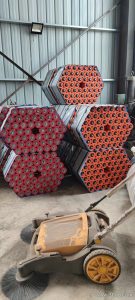
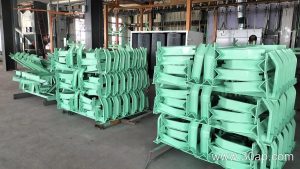
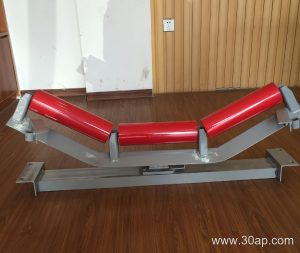
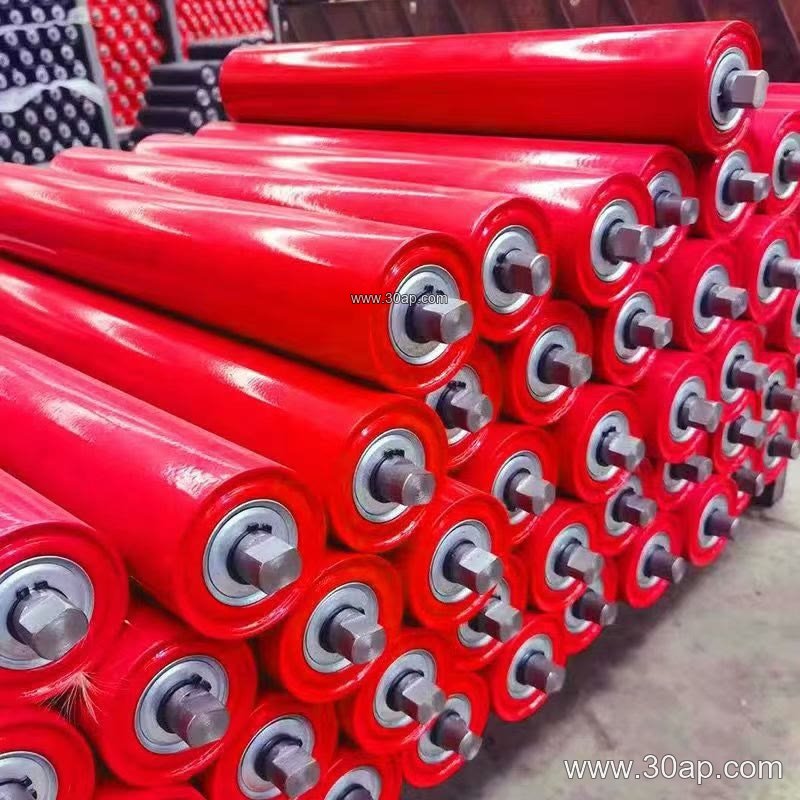
The roller is usually a steel tube with pressed end caps, a through shaft, and sealed bearings at each end. The roll surface may be plain steel, nylon, or covered with rubber rings, and the assembly sits in a conveyor bracket hung from the stringer. In most installations the return idler is a single plain roller under the belt, but V-type and spiral forms are also common where belt training or material shedding matters.
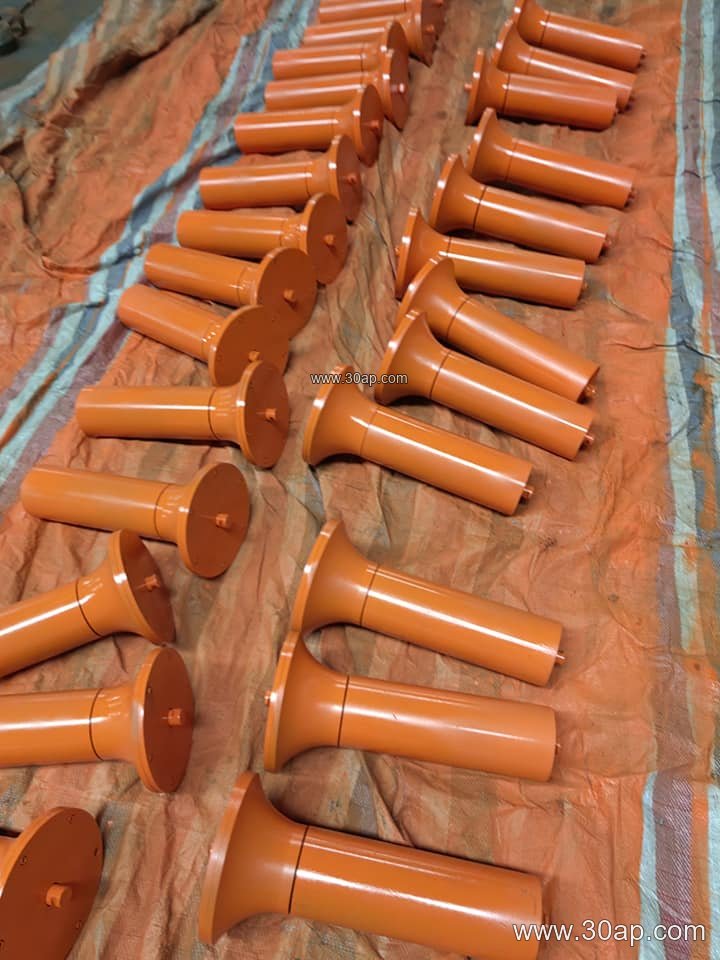
Construction Details That Matter
A return roller looks simple, yet the details decide how long it lasts. Bearing protection is the first concern: dust from a crusher discharge or fine ore from a copper concentrator will destroy an unsealed bearing quickly. Labyrinth seals, good grease retention, and a machined shaft seat are worth more than a thick tube alone. The shell should run true; an out-of-balance roller will vibrate, fret the bracket, and wear the belt cover.
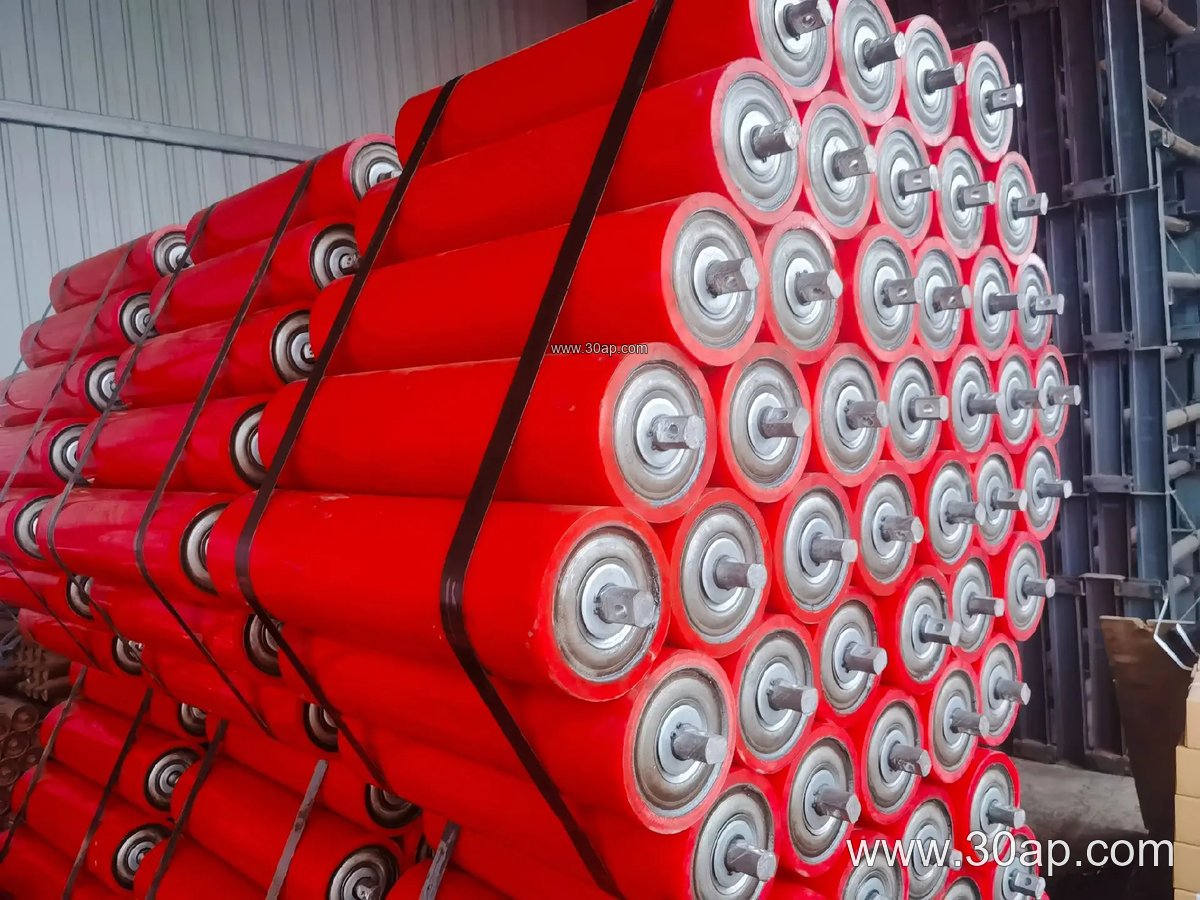
Common roller diameters include Ø89, Ø108, Ø127, Ø133, Ø159 and Ø178 mm, with larger sizes used on heavy-duty lines. Bearing sizes such as 6204, 6205, 6305, 6306 and 6308 appear across the range, and the correct match depends on load and shaft design rather than on roller diameter alone. Length follows belt width, trough geometry and the roller group layout, so a Ø133 mm roller for a 1200 mm belt is a design decision, not a catalogue rule.
| Reference item | Typical range |
|---|---|
| Roller diameter | Ø63 to Ø219 mm |
| Belt width | B400 to B2400 |
| Bearing series | 6204, 6205, 6305, 6306, 6308, 6310 |
| Roll surface | Steel tube, nylon, ceramic, rubber rings |
Where Return Rollers Are Used
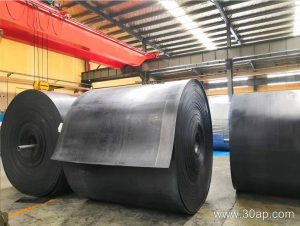
In a sand and gravel plant, return idlers run beneath a fabric-core belt carrying screened aggregate, often in a wet or dusty atmosphere. In a cement plant they sit under clinker and raw meal belts where fine dust is constant. Coal mining conveyors, including underground coal mining conveyor belt systems, need flame retardant belting and rollers that resist coal dust ingress. Port ship loading lines use long stretches of return idlers under wide belts, and a steel cord conveyor belt on such a line demands rollers that run smoothly to avoid cover damage.
The return side is also where belt tracking problems show up first. A belt that drifts on the empty run may need a V-type return idler or a self-aligning set rather than more tension. On a pipe conveyor belt or a corrugated sidewall conveyor belt, the return arrangement is different and should follow the manufacturer’s layout, not a standard flat idler position.
Selection and Maintenance Notes
- Match roller load rating to belt weight and any material carryback, not to belt width alone.
- Use sealed, dust-resistant bearings in quarry, cement and coal service.
- Check that the return idler spins freely and sits square to the belt path.
- Replace rollers that vibrate, seize, or show flattened spots before they damage the belt cover.
- Keep spare rollers and brackets on hand for the sizes actually installed.
Buyers should confirm shaft diameter, roller length, bracket type and bearing seal class from the conveyor drawing. A quotation that lists only belt width is incomplete. For related equipment, the conveyor pulley at the drive and tail, the conveyor belt itself, and the supporting frame all interact with the return idler, so the whole return run should be reviewed as a system. Whether the plant handles iron ore, limestone, grain or fertilizer, a well-chosen return idler keeps the empty strand running quietly and protects the belt investment.