What a Self-Aligning Idler Bracket Does
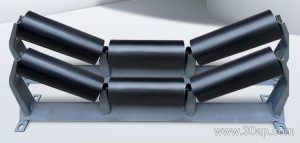
A self-aligning idler bracket, also called a training idler bracket or self-training bracket, is the mounting assembly that holds the idler rollers responsible for keeping a conveyor belt centred on its path. Instead of fixing the rollers rigidly square to the frame, this bracket pivots or swings slightly so the idler can steer the belt back to the middle whenever it starts to drift. In a quarry, a coal handling plant or a cement kiln feed line, a belt that wanders off-centre rubs the structure, spills material and shortens belt life, so this bracket earns its place as a small but important alignment component.
How the Bracket Is Built
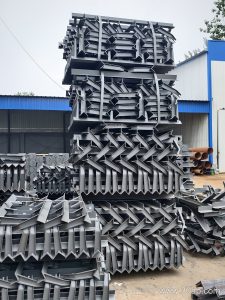
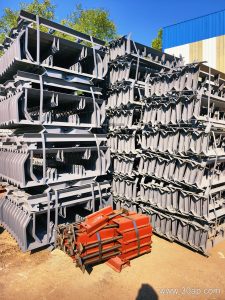
Most designs combine a steel mounting base, a vertical pivot pin or swivel bearing, and an angled roller frame. The main body is usually fabricated from angle steel, channel steel or folded steel plate, welded and then drilled for the idler shaft. Because the bracket must rotate under load, the pivot is fitted with a bushing or bearing and protected against dust and fine grit.
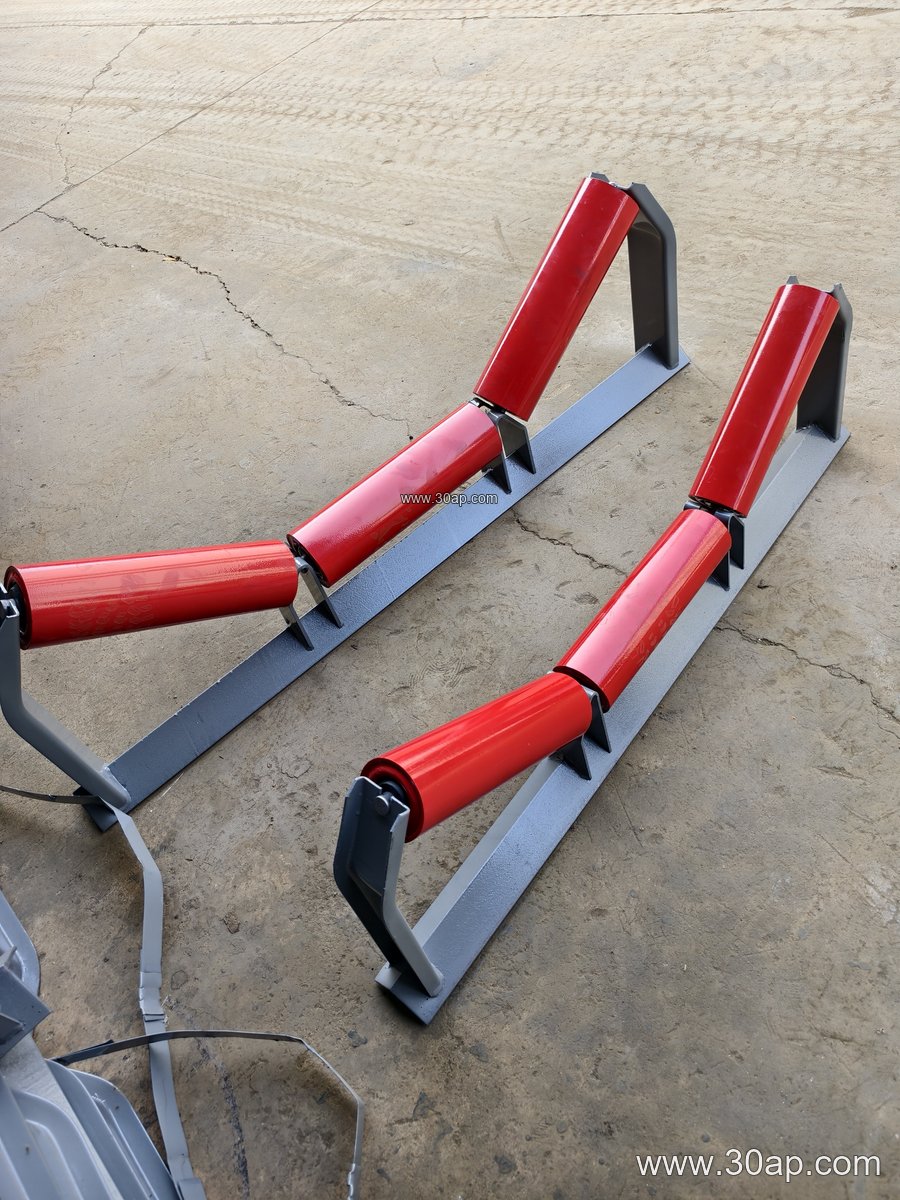
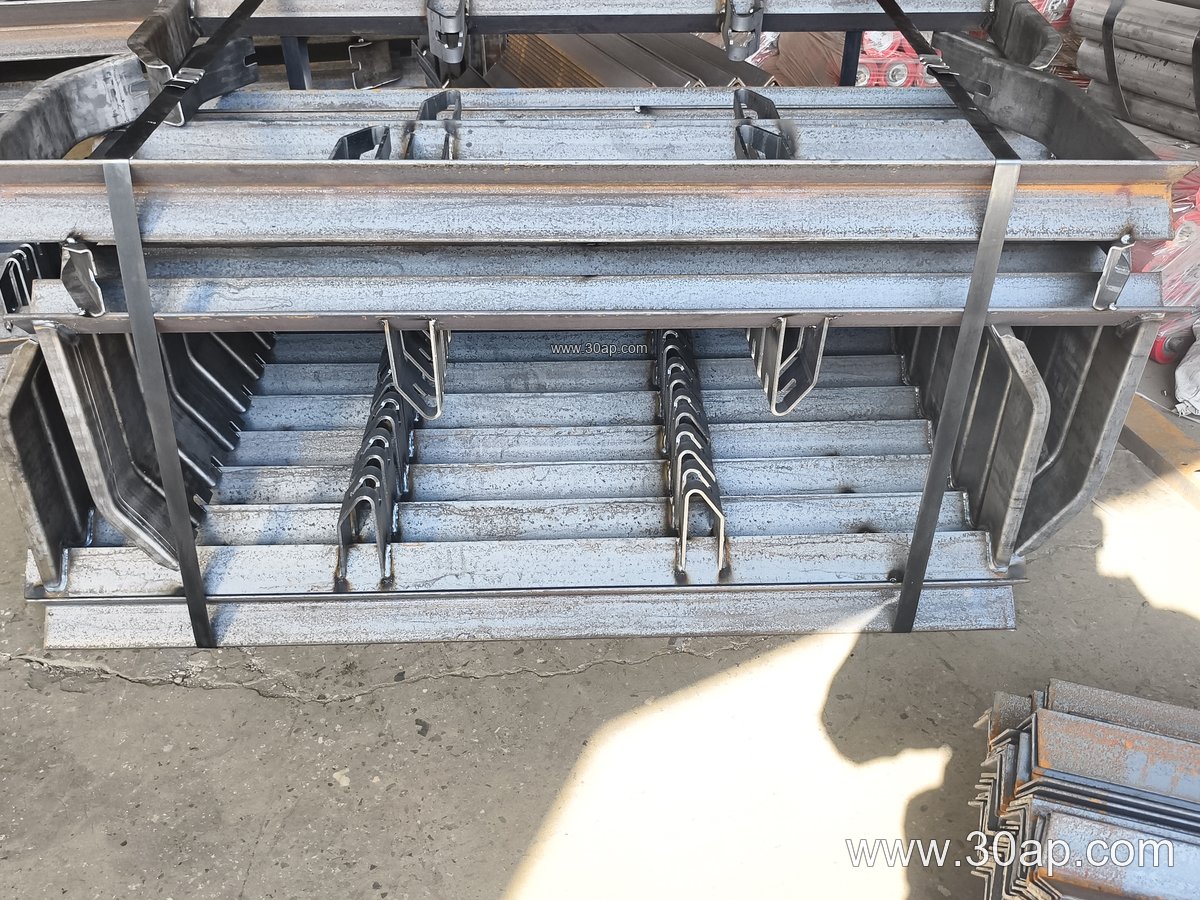
- Mounting base bolted to the conveyor stringer
- Vertical pivot with bushing or sealed bearing
- Angled carrying frame, often 20 to 45 degrees trough angle
- Return-arm version for the lower belt run
- Optional limit stops to prevent over-rotation
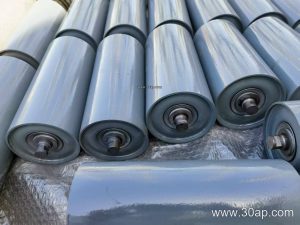
The self-aligning idler bracket works together with the conveyor belt, the idler roller set and the conveyor bracket that carries the fixed stations. When the belt edge touches a vertical guide roller mounted on the bracket, the friction turns the frame; the skewed idler then pushes the belt sideways and back to centre.
Where It Fits on the Conveyor
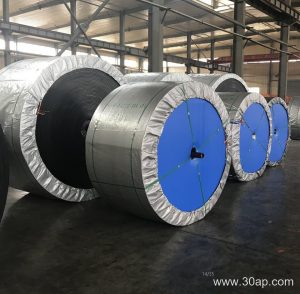
Training brackets are typically installed on the carrying side at intervals along the run, and on the return side for long spans. They suit bulk material conveyors in mines, power plant coal yards, aggregate plants and port loading systems. A Self-Aligning Idler Bracket is often paired with a heavy-duty mining conveyor belt or an abrasion resistant conveyor belt in the same line, because misalignment wear and abrasive wear tend to appear together.
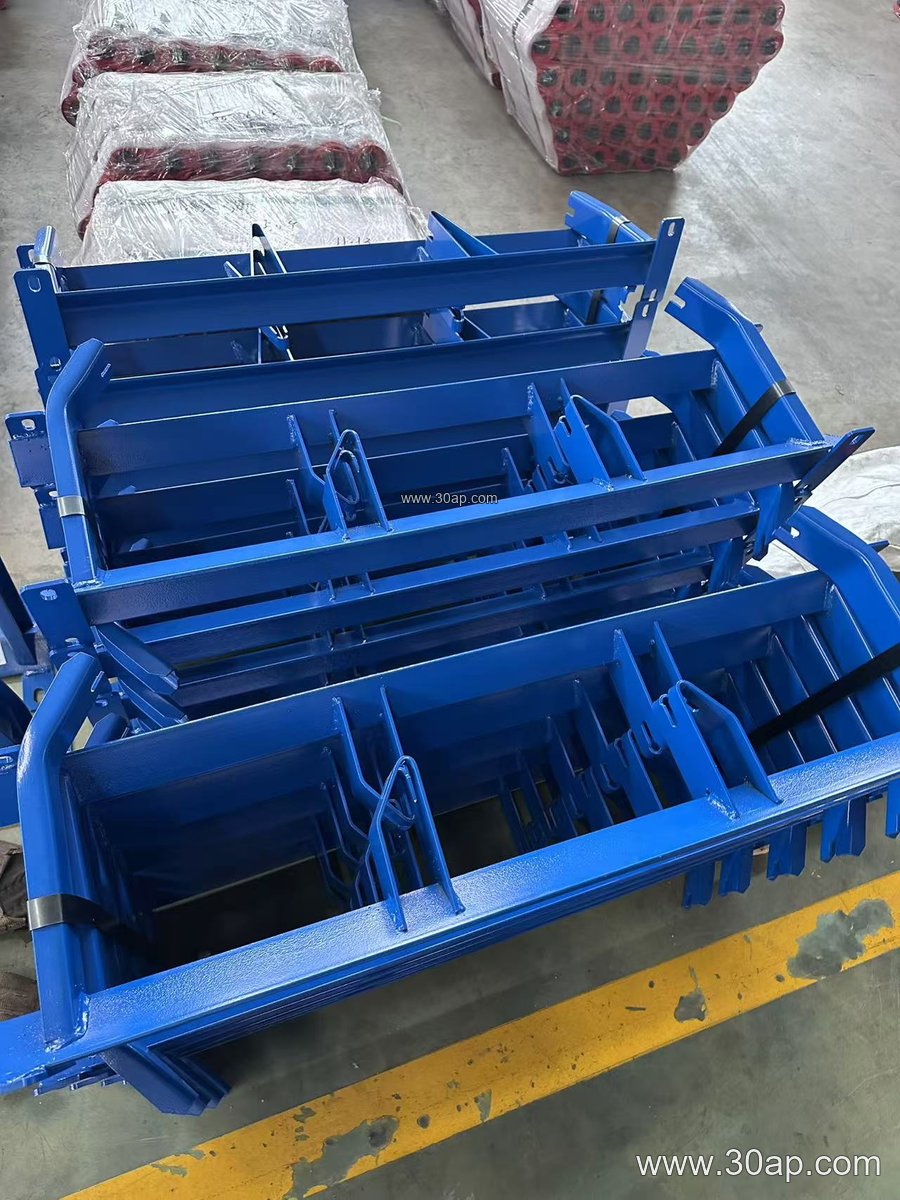
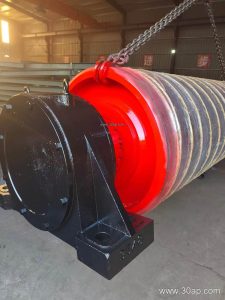
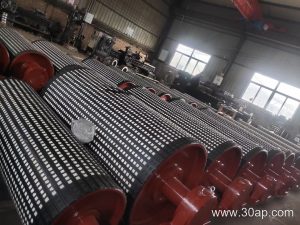
They are not a substitute for a bend pulley or a tail pulley; those components change belt direction, while the bracket only corrects lateral position. Likewise, a fixed trough bracket and a self-aligning bracket serve different jobs on the same frame.
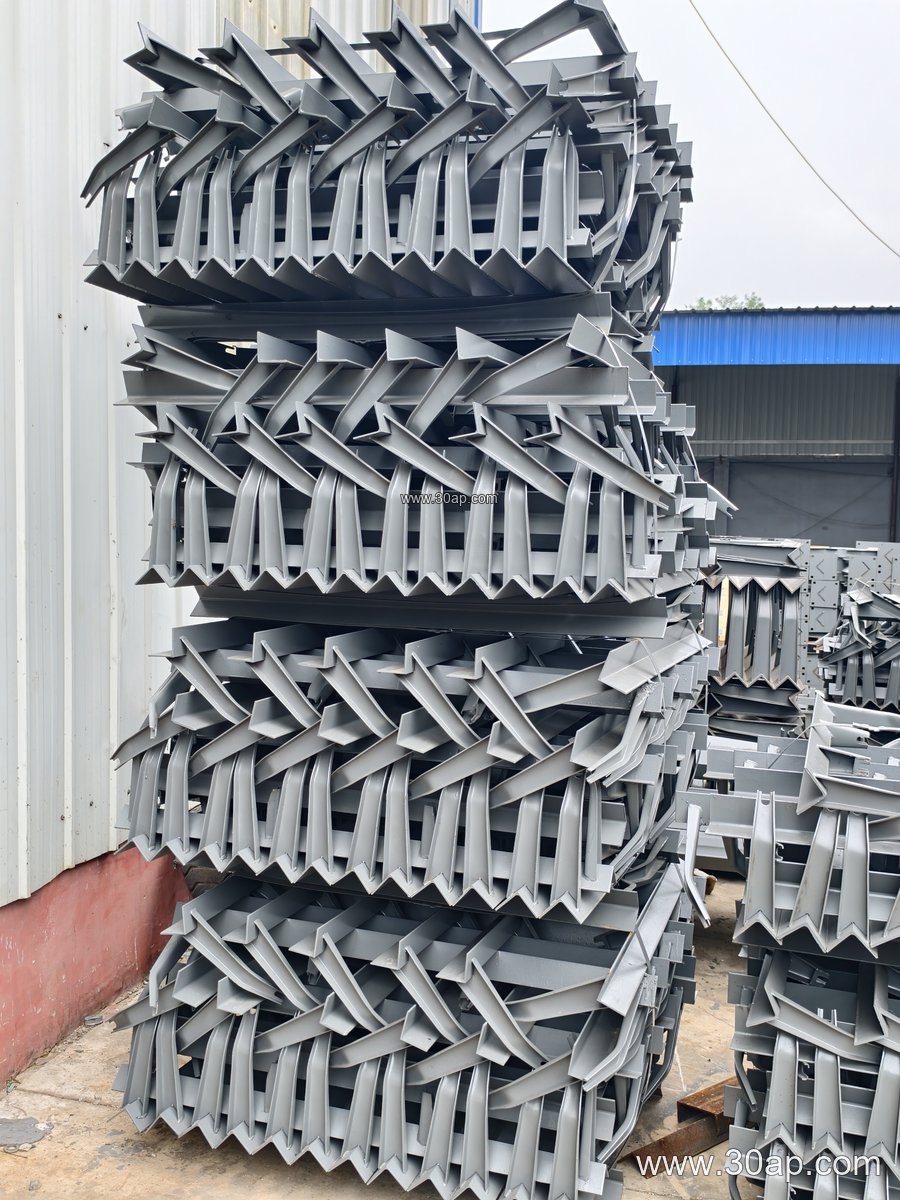
Common Reference Sizes
The table below shows typical reference combinations used when specifying a training bracket. Values are for guidance only; actual hole spacing, beam length and shaft size follow the conveyor design.
| Belt width | Trough angle | Idler diameter |
|---|---|---|
| B500 | 20 deg | Ø89 |
| B650 | 30 deg | Ø89 |
| B800 | 35 deg | Ø108 |
| B1000 | 35 deg | Ø108 |
| B1200 | 45 deg | Ø133 |
| B1400 | 45 deg | Ø133 |
| B1600 | 35 deg | Ø159 |
| B1800 | 45 deg | Ø159 |
| B2000 | 45 deg | Ø194 |
An adjustable self-aligning bracket may allow the trough angle to be set between 20 and 45 degrees, and a slight forward tilt of about 1.5 to 2 degrees is common in training stations. Do not assume one belt width locks you into a single roller diameter.
Buying Notes
- Confirm belt width, trough angle and idler shaft diameter before ordering.
- Check the pivot type: bushing for dusty service, sealed bearing for wet or washdown areas.
- Ask for the mounting hole pattern and beam length, since these vary with frame design.
- Match bracket material to the environment, for example galvanised or painted steel in a port or fertiliser store.
- Install training brackets in pairs or at recommended spacing, and inspect the pivot for seizure during routine maintenance.
For more conveyor components, see our range at www.example.com/self-aligning-idler-bracket and related pages on conveyor belt and conveyor roller selection. A correctly chosen Self-Aligning Idler Bracket keeps the belt running true, reduces edge damage and supports longer service from every idler roller on the line.