What a Conveyor Idler Quotation Covers
A conveyor idler quotation is more than a price list. It is a technical and commercial document that translates the needs of a bulk handling line into a defined set of carrying and return rollers, together with the bearing, seal, and roller surface details that keep a conveyor belt tracking and turning. Whether the plant is a quarry, a coal preparation facility, or a cement kiln feed line, the quotation should make clear which idler positions are included, how each roller is built, and which dimensions are fixed by the conveyor design.
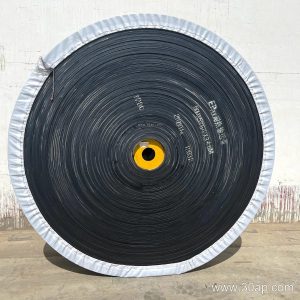
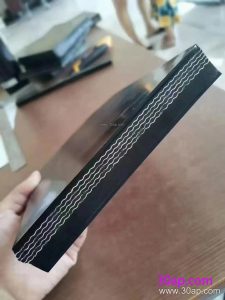
Because idlers work directly under the conveyor belt, the quotation is often prepared alongside specifications for the belt itself. A buyer may be sourcing a rubber conveyor belt, an EP conveyor belt, or a steel cord conveyor belt at the same time, and the idler quotation should reference the belt width and load profile so that the roller set matches the system rather than being chosen in isolation. For abrasive duties such as iron ore or copper ore, an abrasion resistant conveyor belt and heavy-duty idlers often appear in the same inquiry.
How Idlers Are Built and What the Quotation Should State
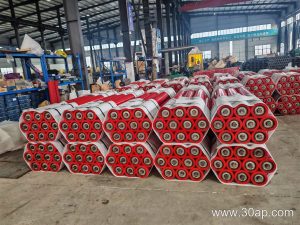
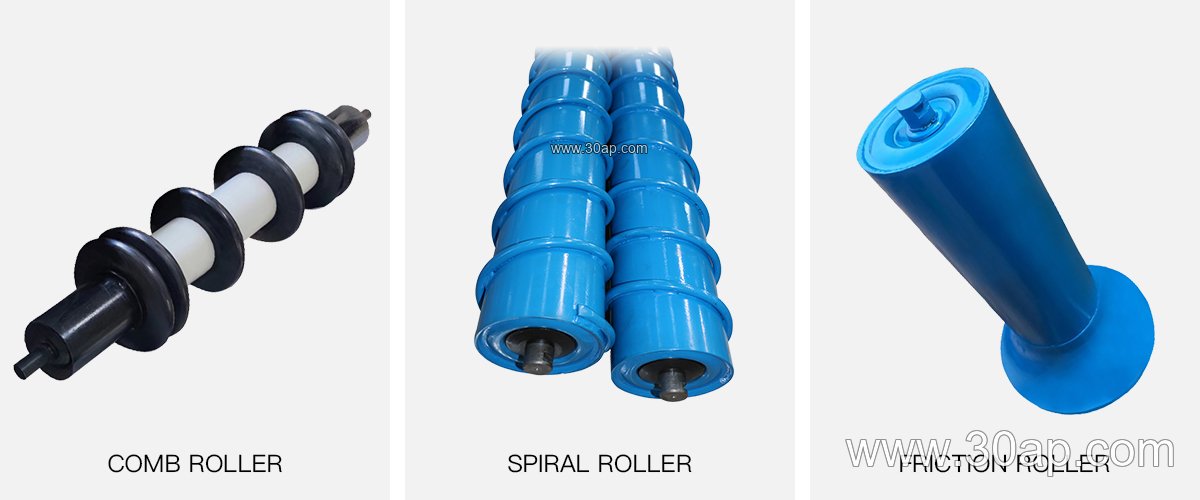
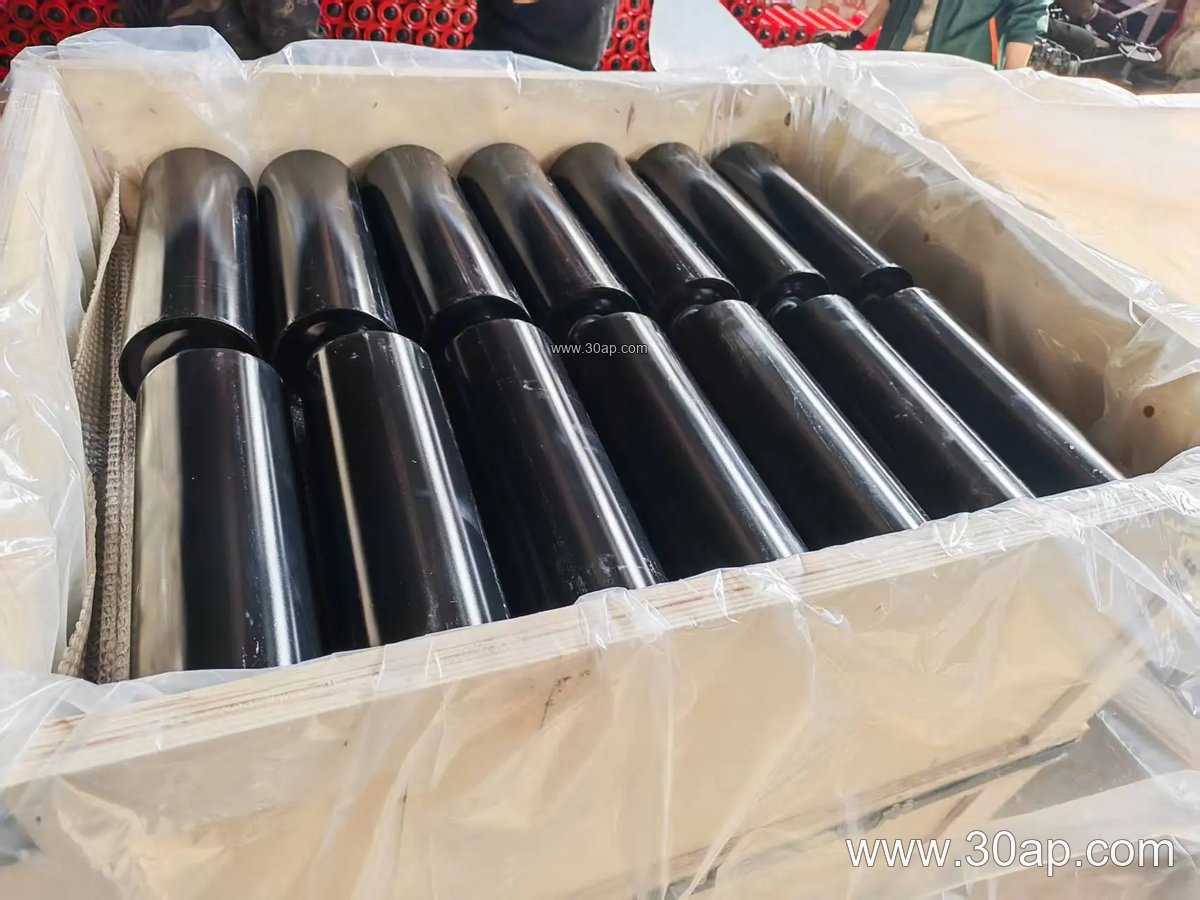
Most idlers consist of a steel tube shell, a shaft, bearing housings, and a sealing arrangement. The roller surface may be plain steel, nylon, ceramic, or fitted with rubber rings for impact absorption. Bearing selection is usually matched to the load and speed of the conveyor, with common sizes including 6204, 6205, 6305, 6306, 6308, and 6310. A well-prepared quotation lists the bearing designation, the sealing method, and the shell material for each idler type.
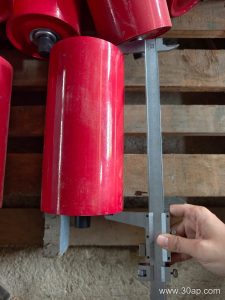
Idler diameter and belt width are related but not locked together. Common roller diameters include Ø63, Ø76, Ø89, Ø102, Ø108, Ø127, Ø133, Ø159, Ø178, Ø194, and Ø219 mm, while belt widths commonly run from B400 to B2400. The quotation should state the chosen diameter and the belt width it serves, without implying that one belt width can only match one pulley diameter or one shaft size.
Roller length varies with belt width, trough angle, and idler arrangement. For a three-roll troughing set, typical roller lengths are around 200 mm for B500, 250 mm for B650, 315 mm for B800, 380 mm for B1000, 465 mm for B1200, 530 mm for B1400, 600 mm for B1600, 670 mm for B1800, and 750 mm for B2000. These are common references, and side rollers or center rollers may differ. The quotation should confirm the actual roller length for each position rather than treating these figures as fixed combinations.
Idler Types and Where They Sit on the Conveyor
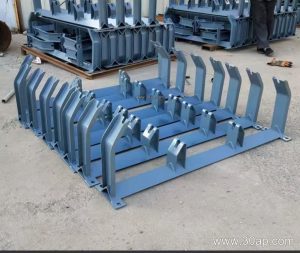
Troughing idlers support the loaded side of the belt and are usually supplied as single-roll, two-roll, or three-roll sets. Trough angles of 20, 30, 35, and 45 degrees are common, and the choice affects how the bulk material sits on the belt. Transition idlers are placed near pulleys to ease the belt from flat to troughed shape. Return idlers support the empty side and may be flat or V-shaped. Impact idlers, including rubber-ring impact idlers, are used at transfer points where material falls onto the belt. Self-aligning idlers, such as friction and conical self-aligning types, help correct belt misalignment. Spiral idlers are sometimes used to reduce buildup on the return side.
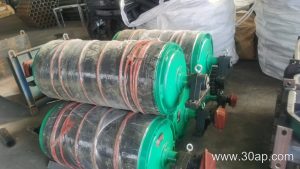
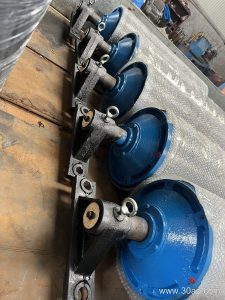
The quotation should identify each idler position by function rather than by a single generic label. A carrying idler, a return idler, and an impact idler are not interchangeable, and the same applies to conveyor pulleys: a drive pulley, a tail pulley, and a bend pulley each have a different role and should not be quoted as substitutes for one another. A conveyor pulley quotation is a separate document from an idler quotation, even when both are issued for the same project.
Applications and Selection Notes
Idler quotations are requested across many industries. In a limestone quarry or aggregate line, troughing and impact idlers handle crushed rock and may be specified with a quarry conveyor belt or crusher conveyor belt. In a coal mining operation, flame retardant conveyor belt and fire resistant conveyor belt grades are often required, and the idler seals should suit dusty conditions. Power plant coal handling, steel plant sinter lines, and port ship loading facilities each bring their own load and environmental factors.
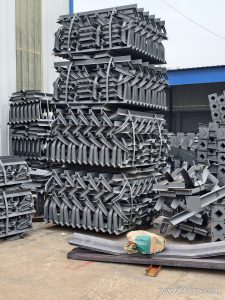
When reviewing a quotation, buyers should check the idler type, roller diameter, roller length, bearing size, seal type, roller surface, and the quantity for each conveyor position. The quotation should also state the belt width and trough angle it is intended for, along with any mounting details for the conveyor bracket. For a conveyor system that uses a corrugated sidewall conveyor belt or a pipe conveyor belt, the idler arrangement may differ from a standard troughed conveyor, so the quotation should reflect the actual belt profile.
Practical Checks Before Accepting a Quotation
- Confirm that each idler position is listed by function, not only by a general type name.
- Check that roller diameter, roller length, and bearing designation are stated for every line item.
- Verify that the belt width and trough angle match the conveyor design.
- Ask how the seal and roller surface suit the site conditions, especially for abrasive or dusty service.
- Confirm that the quotation covers the required quantity per conveyor and any spare rollers.
A clear conveyor idler quotation helps maintenance teams plan replacements and helps project teams compare offers on the same technical basis. It should be read together with the belt specification and the pulley data for the same conveyor, so that rollers, belt, and pulleys are selected as one system.