What a Five-Roll Idler Bracket Does on a Conveyor
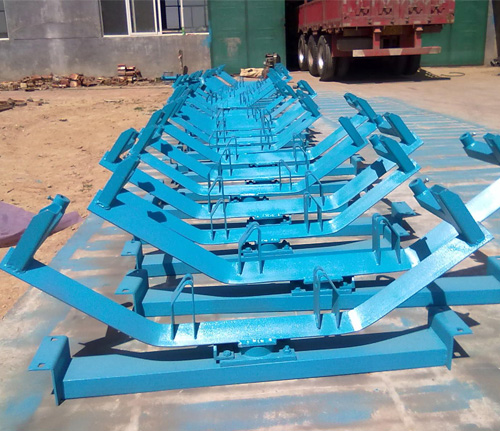
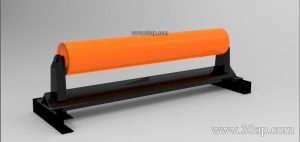
A five-roll idler bracket is the support frame that carries a five-roller idler set, usually on the carrying side of a wide belt conveyor. Instead of the familiar three-roll trough, the assembly spreads the belt over five rollers: a central flat roller and two inclined rollers on each side. The bracket holds those five shafts at the correct angles and keeps them aligned along the conveyor structure. In a quarry, a cement plant or a power plant coal yard, this arrangement helps a wide, heavily loaded conveyor belt keep a smoother trough profile and reduces the chance of the belt sagging between support points.
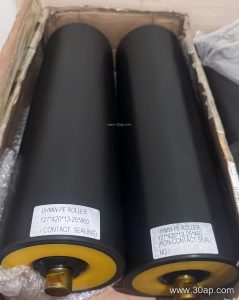
The bracket is a structural part, not a wearing part. It does not touch the belt directly; the idler rollers do. Its job is to position those rollers accurately and to transfer the load into the conveyor stringer or frame. A well-made five-roll idler bracket therefore matters most where belt width, lump size and tonnage are high.
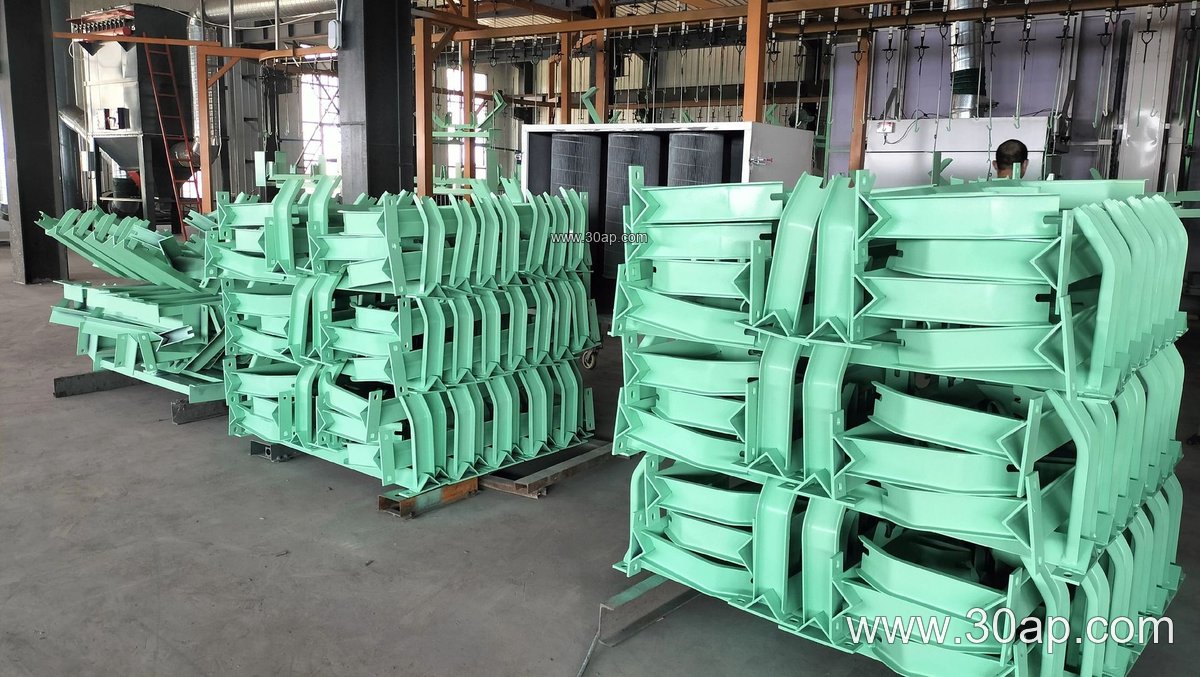
How the Bracket Is Built
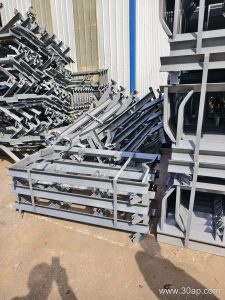
Most five-roll idler brackets are fabricated from angle steel, channel steel or folded steel plate. The central section carries the flat roller, and the two side arms are set at the trough angle and drilled or slotted for the inclined roller shafts. Common configurations include fixed and adjustable designs. On an adjustable version, the side arms can be set to different trough angles, typically 20, 30, 35 or 45 degrees, so the same bracket family can serve several belt loading conditions.
Key construction points a buyer should check:
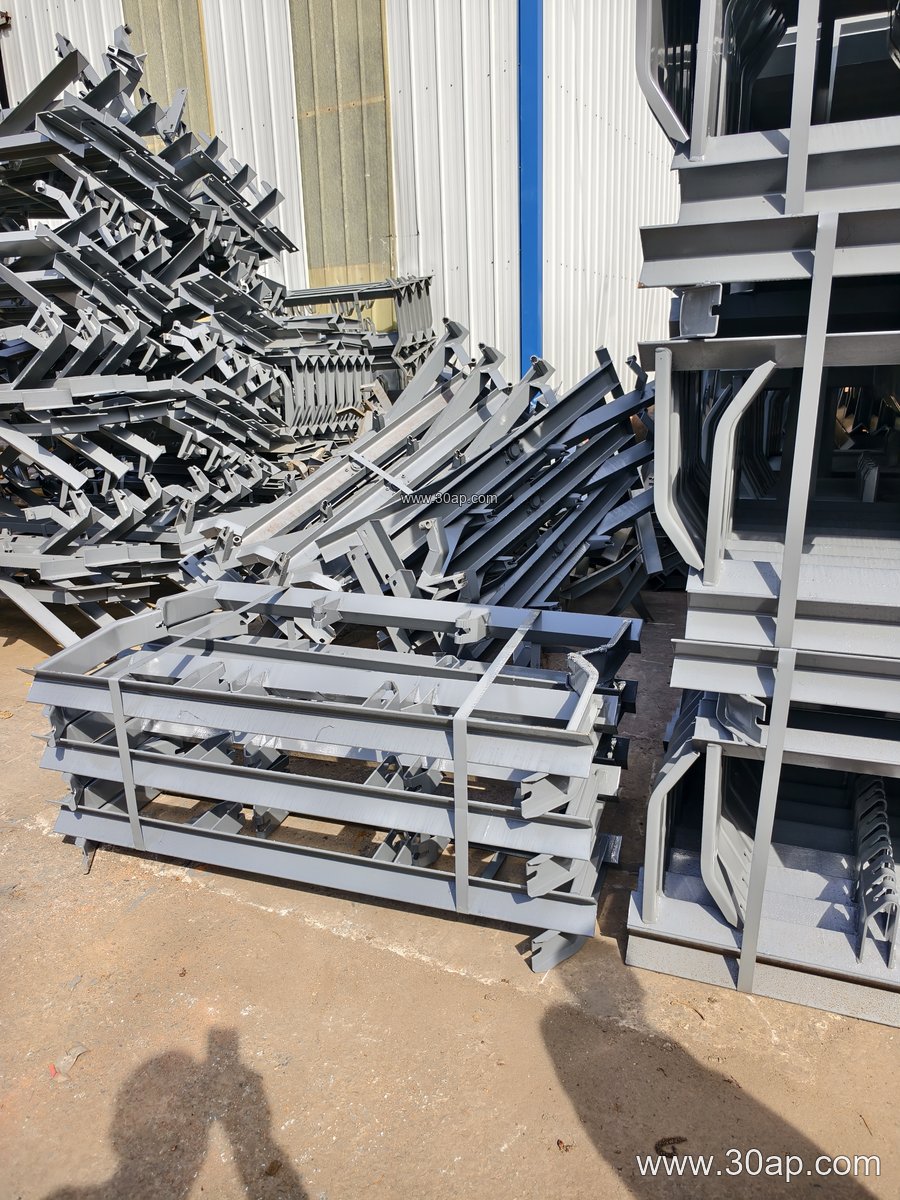
- Welding quality at the arm-to-base joints, since these carry the full roller load.
- Hole spacing and beam length, which must match the belt width and the chosen trough angle rather than a single fixed figure.
- Mounting method to the stringer, bolted or hooked, and whether the bracket can be removed without disturbing adjacent idlers.
- Surface treatment, such as painting or galvanizing, for dusty or wet conditions.
Typical reference combinations include B800 with a 35 degree trough and Ø108 rollers, B1200 with 45 degrees and Ø133 rollers, or B650 with 30 degrees and Ø89 rollers. These are examples of how width, angle and roller diameter are matched in practice, not fixed rules; the correct set is determined by the conveyor design.
Where Five-Roll Support Fits Best
Five-roll idler brackets are usually found where the belt is wide and the material is abrasive or lumpy. In an iron ore or limestone crushing circuit, a five-roll set can spread the load and reduce edge stress on a heavy-duty mining conveyor belt. In a coal handling system, the same layout is often used with a flame retardant conveyor belt to keep the trough stable at transfer points. Cement plants and aggregate lines use them on main haulage conveyors where a three-roll trough would leave too much unsupported belt between rollers.
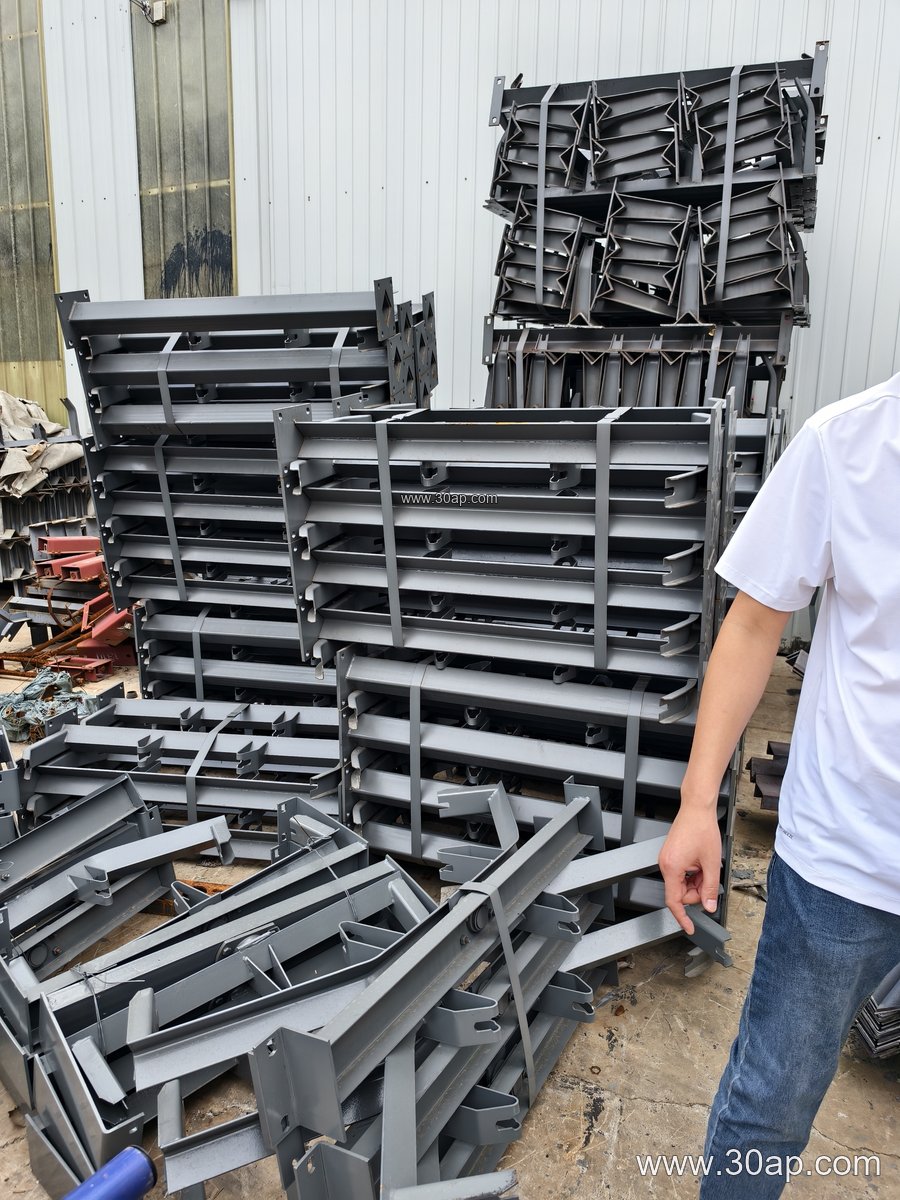
They are less common on small package or light-duty lines, where a standard three-roll trough idler bracket is simpler and cheaper. The five-roll version also takes more horizontal space, so it is not a drop-in replacement for every existing frame.
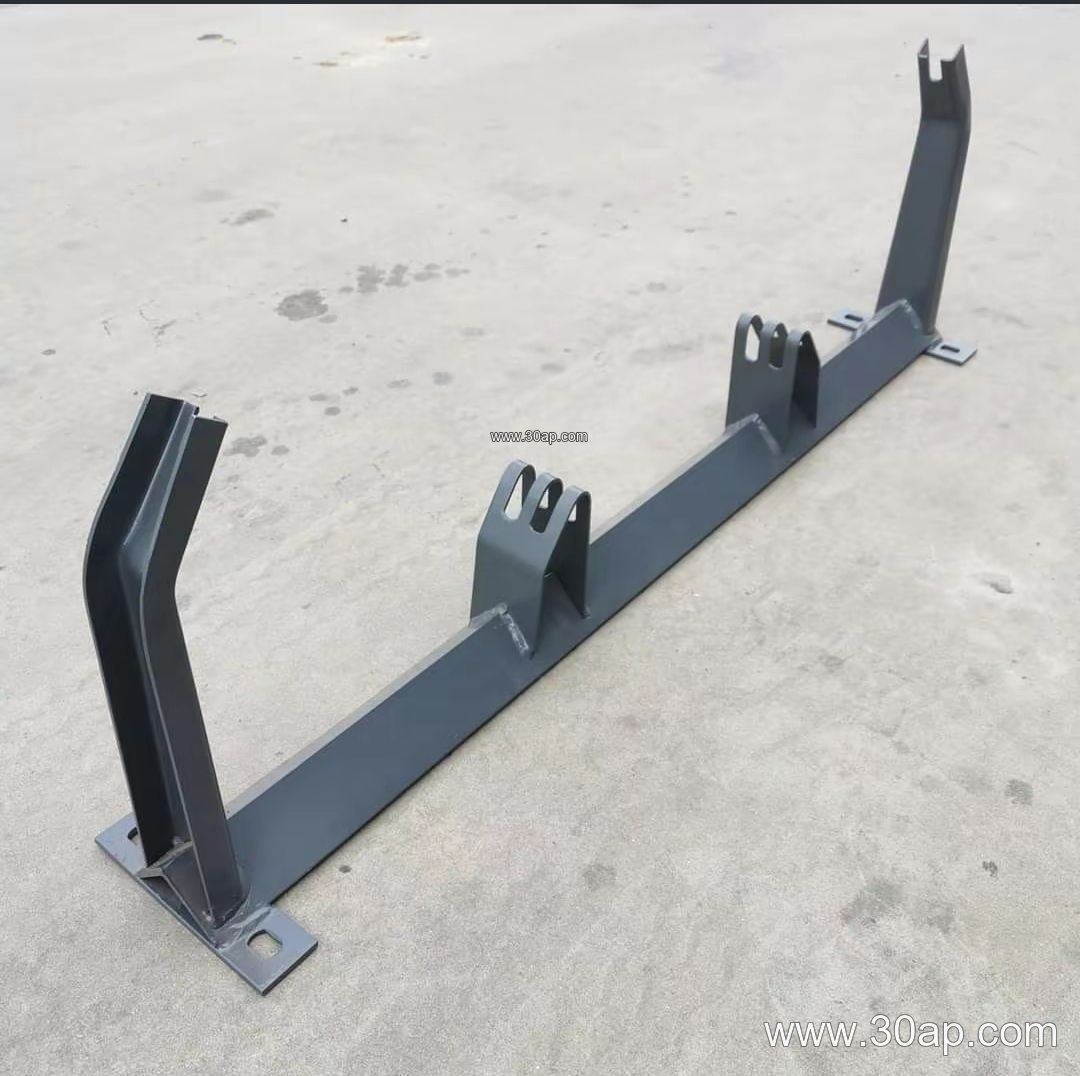
Matching the Bracket to Belt, Roller and Structure
Selection starts with belt width, because the bracket beam length and mounting hole positions follow it. Belt widths from B500 through B2200 are commonly referenced, and wider belts generally call for more support points rather than one universal bracket. Roller diameter is a separate decision: Ø89, Ø108, Ø133, Ø159 and Ø194 are common sizes, and the bracket must accept the shaft and bearing housing of the roller actually specified.
The trough angle affects both belt capacity and the load on the side arms. A 20 degree profile is gentler on the belt edges; 45 degrees gives a deeper trough for higher capacity. Adjustable brackets allow the plant to tune this after installation. Where the conveyor uses a fabric core conveyor belt, the extra support can help control sag; where a steel cord conveyor belt is used on a long overland run, the bracket spacing is normally set by the conveyor designer.
Buyer Checklist Before Ordering
Confirm the belt width, the required trough angle, the roller diameter and the shaft end type. Check the mounting hole spacing against the existing stringer or frame, and state whether the bracket must be fixed or adjustable. Ask how the bracket interfaces with the adjacent conveyor bracket positions and whether it is supplied as a complete set with rollers or as a frame only. For dusty or corrosive sites, confirm the surface finish. Spare brackets kept on site should match the installed type exactly, since mixing fixed and adjustable frames can disturb roller alignment.
Used together with correctly sized idler roller sets and a properly tensioned belt, a five-roll idler bracket contributes to quieter running, less spillage and longer belt life on demanding bulk handling lines. For more conveyor components, see the product ranges at www.beltconveyorsystem.com and www.conveyoridlerfactory.com.