What the EP1250 1800mm Conveyor Belt Is
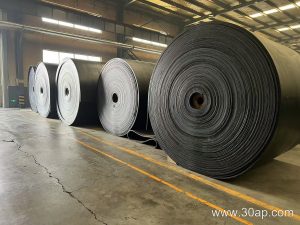
The EP1250 1800mm conveyor belt is a heavy-duty fabric-core belt built for high-capacity conveying systems. The “EP1250” designation refers to the belt’s tensile strength grade, typically 1250 N/mm, while “1800mm” specifies the belt width. This combination makes it a common choice in mining, coal preparation, cement plants, power stations, and large aggregate operations where wide belts and high strength are needed to move bulk materials efficiently. As an EP conveyor belt, it uses polyester warp and nylon weft fabric layers embedded in rubber, offering low elongation and good impact resistance compared with NN conveyor belts.
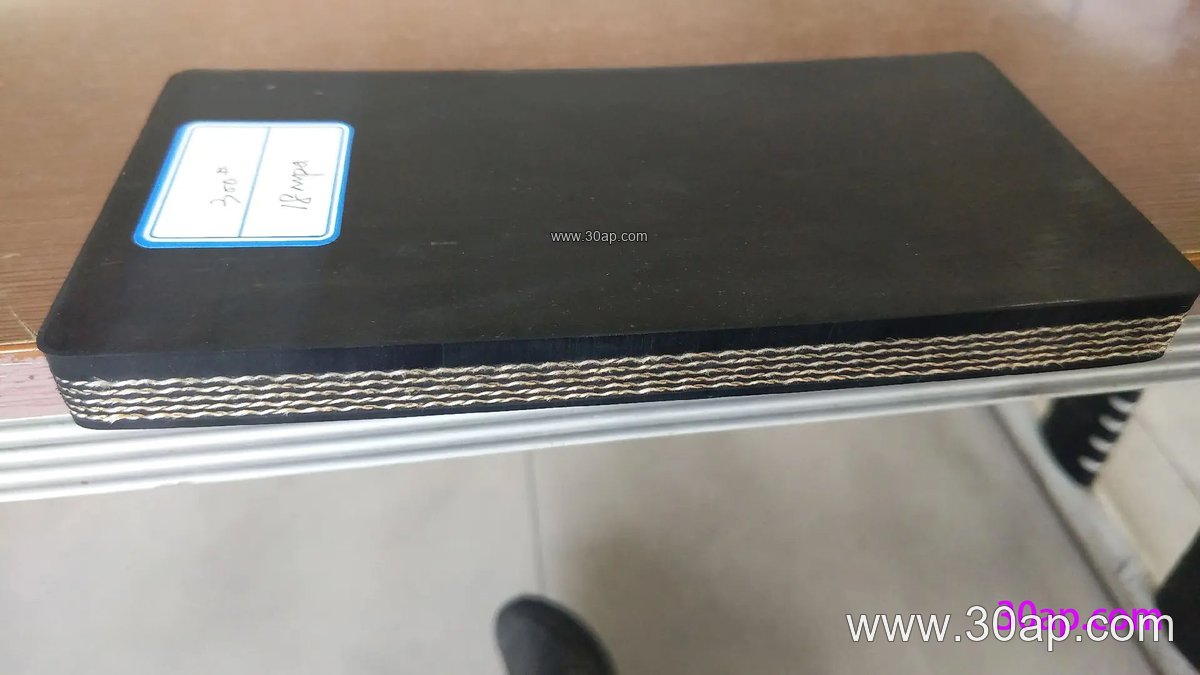
Construction and Build
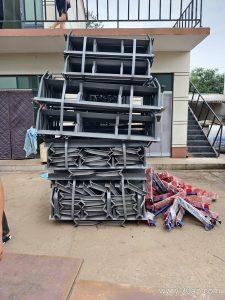
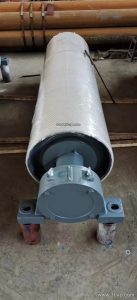
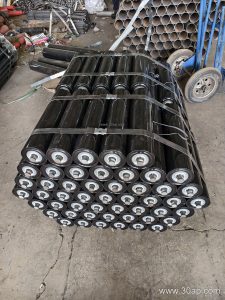
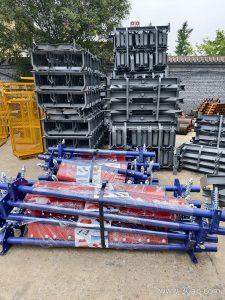
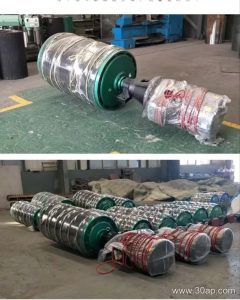
The belt is constructed with multiple plies of EP fabric (usually 2 to 6 layers) bonded with skim rubber, topped and bottomed with cover rubber compounds. Common cover thickness combinations include 5+2 mm, 6+2 mm, and 8+3 mm, selected according to the material’s abrasiveness and lump size. The 1800mm width allows the belt to carry large volumes without excessive edge stress. In a typical conveyor system, the belt runs over idler rollers, wraps around drive and tail pulleys (not interchangeable with bend pulleys), and is supported by conveyor brackets and frames. The belt’s splice may be vulcanized or mechanical, depending on the application and belt tension.
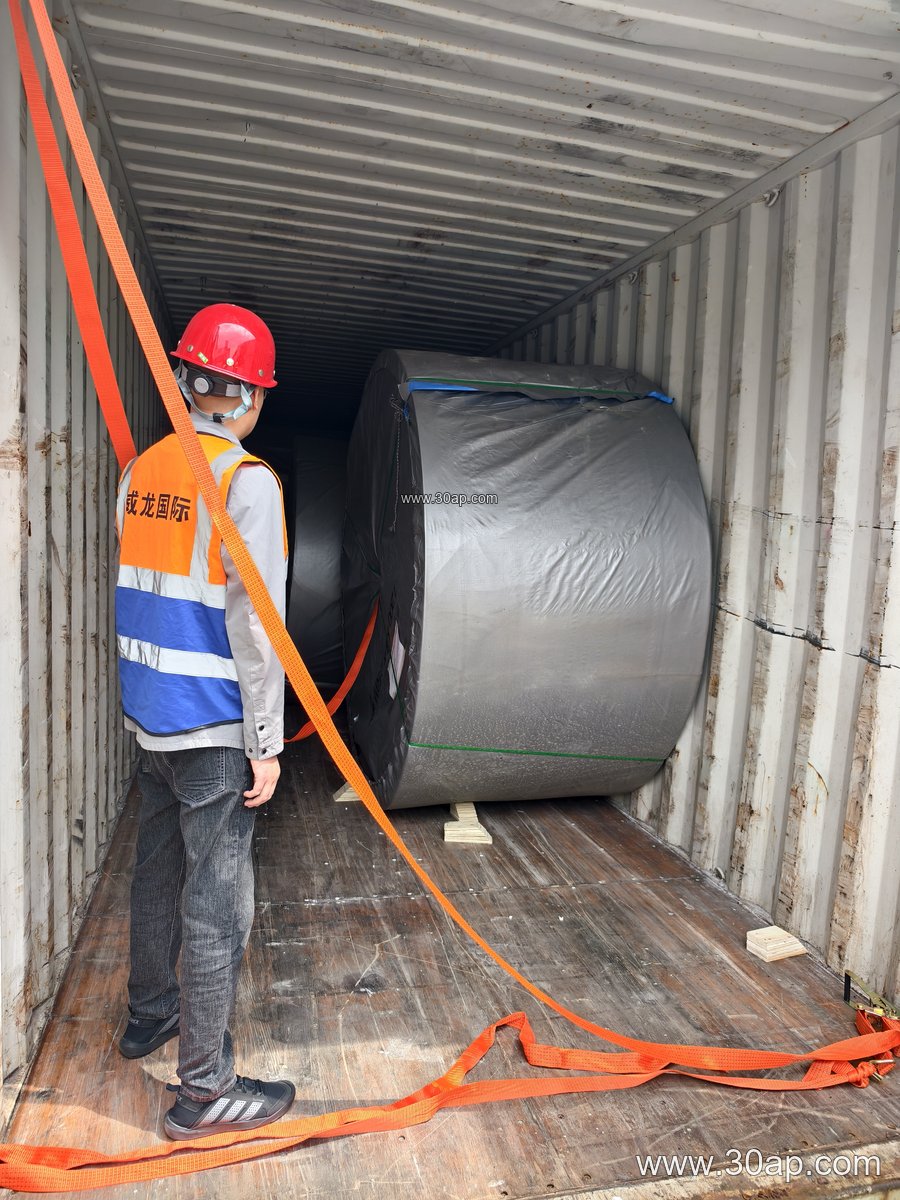
Where It Is Used
This belt width and strength grade suit main haulage lines in open-pit mines, underground coal mining operations (when flame retardant grades are specified), cement clinker transport, and power plant coal handling. In quarry and aggregate plants, it often serves as a primary or secondary crusher conveyor belt. The EP1250 1800mm conveyor belt is also found in port ship loading systems and bulk material handling terminals where high throughput is required. While steel cord conveyor belts may be chosen for very long, high-tension lines, the EP1250 1800mm belt offers a practical balance of strength, flexibility, and cost for many heavy-duty applications.
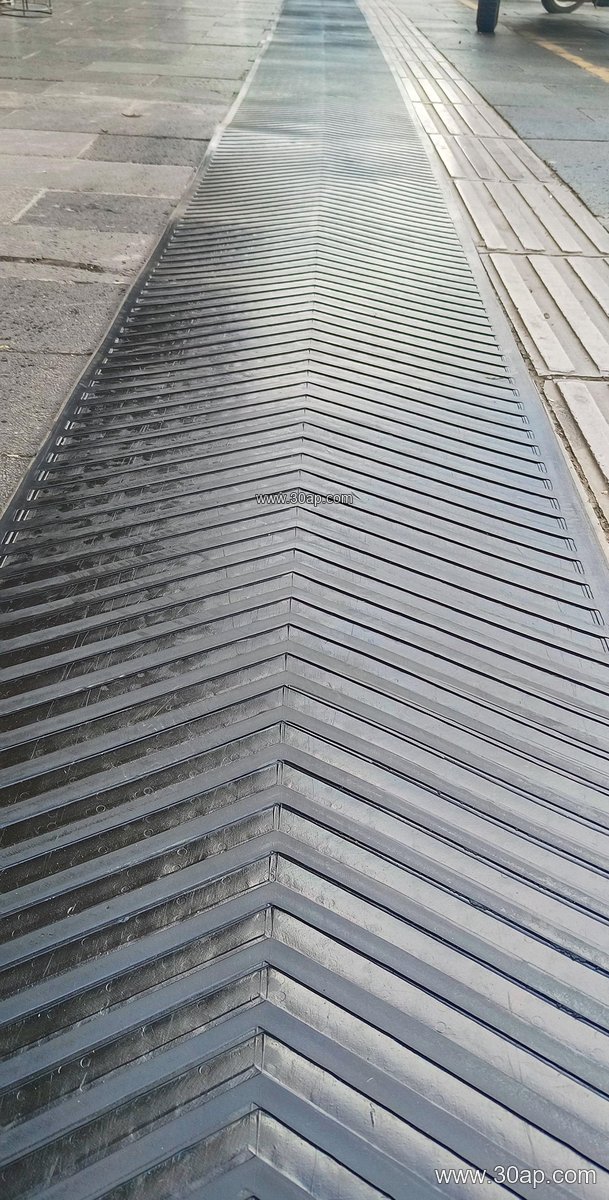
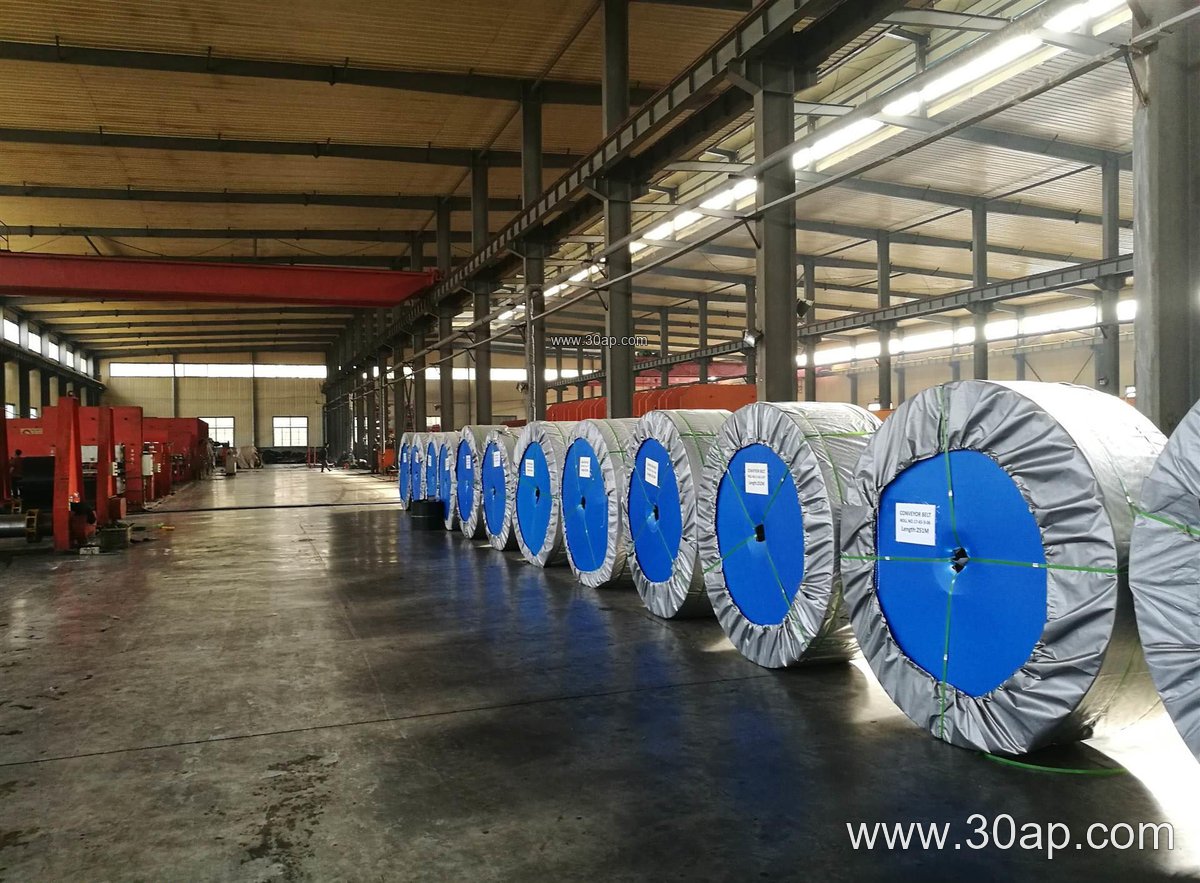
Key Specifications and Options
Buyers should note that exact specifications vary by manufacturer and application. The table below lists typical reference values, not fixed supply promises.
| Property | Common Range / Options |
|---|---|
| Belt width | 1800 mm |
| Tensile strength grade | EP1250 (1250 N/mm) |
| Number of fabric plies | 2 to 6 |
| Cover rubber thickness (top + bottom) | 5+2 mm, 6+2 mm, 8+3 mm |
| Cover rubber type | Abrasion resistant, heat resistant, flame retardant, oil resistant, anti-static |
| Operating temperature (standard) | -20°C to +60°C (special grades for higher or lower) |
Other EP strength grades such as EP1000 or EP1600 may be considered for different tension requirements, but the EP1250 1800mm belt is a distinct product and should not be substituted without engineering review.
Buyer’s Checklist
- Confirm the required tensile strength and number of plies based on conveyor length, incline, and load.
- Select cover rubber grade to match material abrasiveness, temperature, and fire safety needs (e.g., abrasion resistant, heat resistant, flame retardant).
- Verify pulley diameters and idler roller spacing are compatible with the belt’s flexibility and ply construction.
- Consider environmental conditions: cold resistant grades for freezing climates, oil resistant for oily materials, anti-static for combustible dust areas.
- Discuss splice method (vulcanized or mechanical) and ensure proper installation with conveyor brackets and pulleys.
- Request manufacturer data sheets for exact cover thickness, weight, and minimum pulley diameter recommendations.
For reliable performance, match the EP1250 1800mm conveyor belt to the conveyor’s design and maintain proper tracking, tension, and cleaning. Regular inspection of idler rollers and pulleys helps prevent edge damage and extends belt life.