What a Cold Resistant Conveyor Belt Is
A cold resistant conveyor belt is a rubber conveyor belt engineered to remain flexible and crack-free in low-temperature environments. While standard belts stiffen and may fracture when temperatures drop below freezing, this specialized belt uses rubber compounds and fabric or steel cord reinforcement that preserve elasticity. It is a critical component in mining, coal, cement, power, and aggregate operations where winter conditions or refrigerated processes demand reliable performance. For operations in cold climates, selecting the right belt—whether an EP rubber conveyor belt, a steel cord conveyor belt, or a fabric core conveyor belt—can prevent costly downtime.
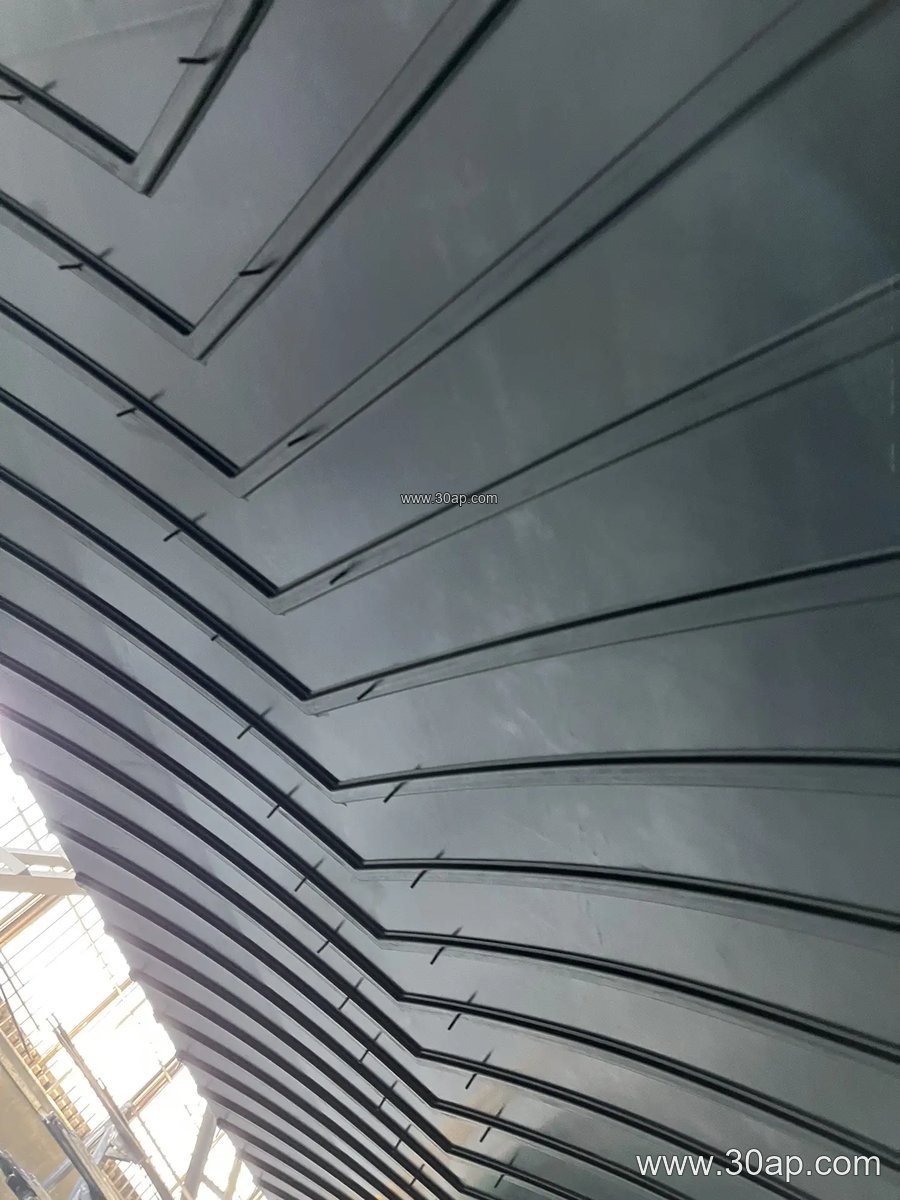
Construction and Key Components
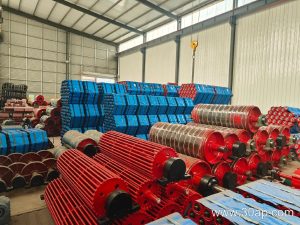
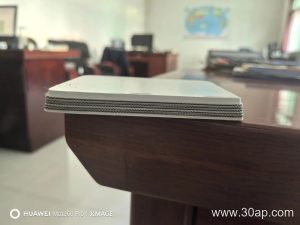
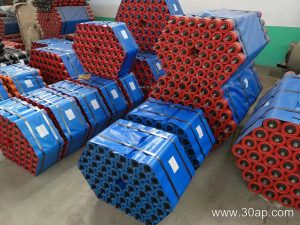
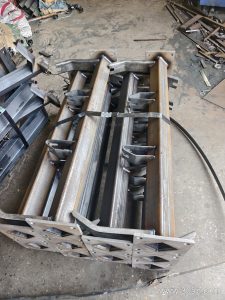
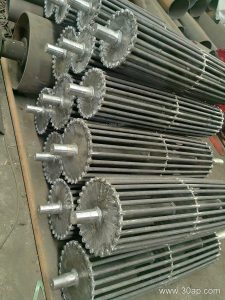
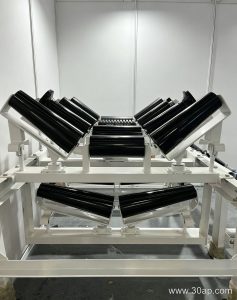
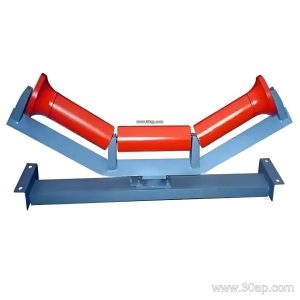
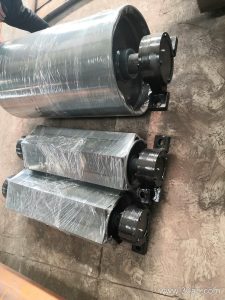
The belt’s cold resistance starts with its cover compound, typically a blend of natural and synthetic rubbers with plasticizers that resist hardening. The carcass may be multi-ply fabric (such as EP or NN) or steel cord, depending on tension requirements. Common cover thicknesses include 3+1.5 mm, 4+2 mm, and 6+2 mm, with fabric plies ranging from 2 to 6 layers. For heavy-duty mining conveyor belt applications, a high abrasion resistant conveyor belt cover is often combined with cold-resistant properties. The belt works alongside conveyor pulleys—drive, tail, and bend pulleys—as well as idler rollers and conveyor brackets, all of which must be compatible with low-temperature operation.
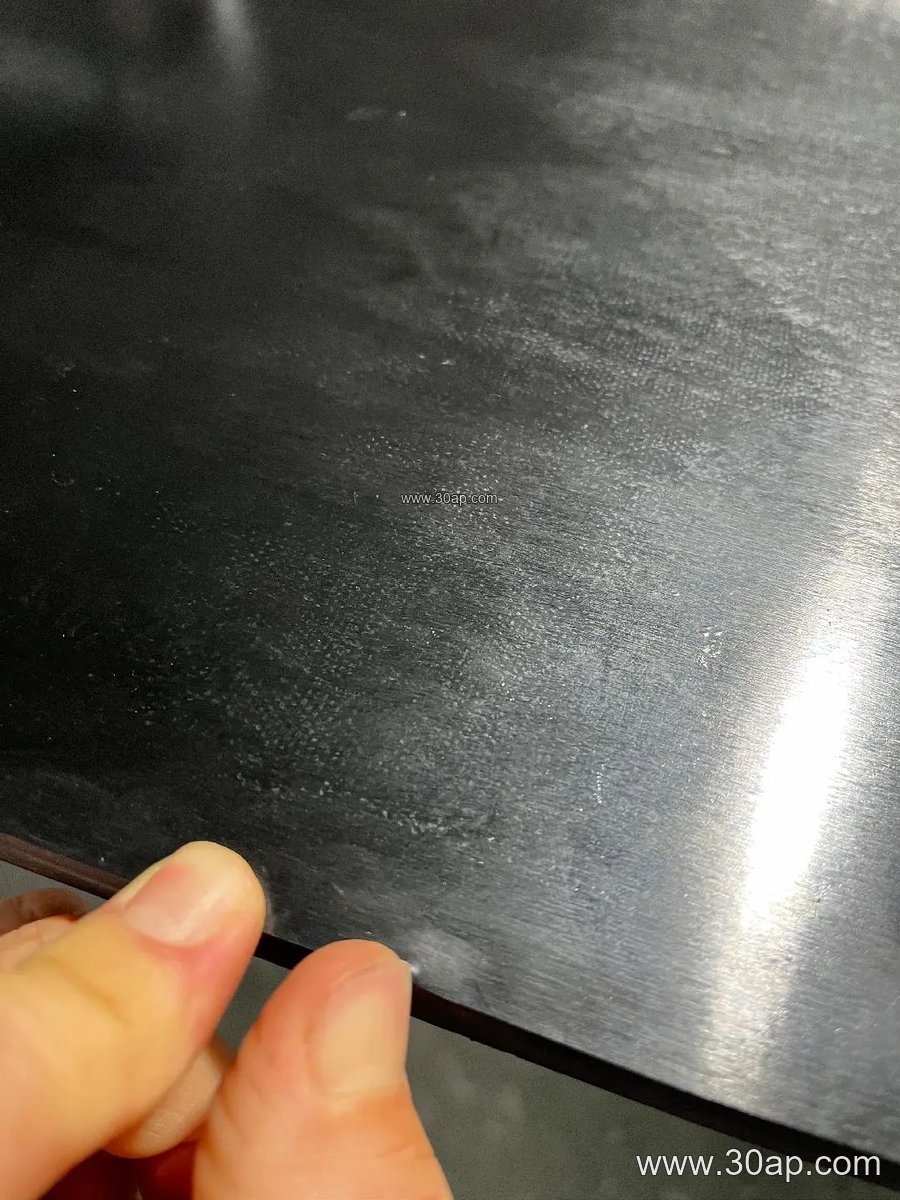
Typical Applications in Cold Environments
Cold resistant belts are widely used in open-pit mines, coal mining conveyor belt systems, quarry conveyor belts, and power plant conveyor belts in regions with severe winters. They also serve in cement plants, sand making plants, and port conveyor belts for loading bulk materials in freezing conditions. In underground coal mining, a flame retardant conveyor belt with cold resistance may be required for safety. The belt’s ability to resist hardening ensures smooth tracking over bend pulleys and tail pulleys, reducing misalignment and spillage.
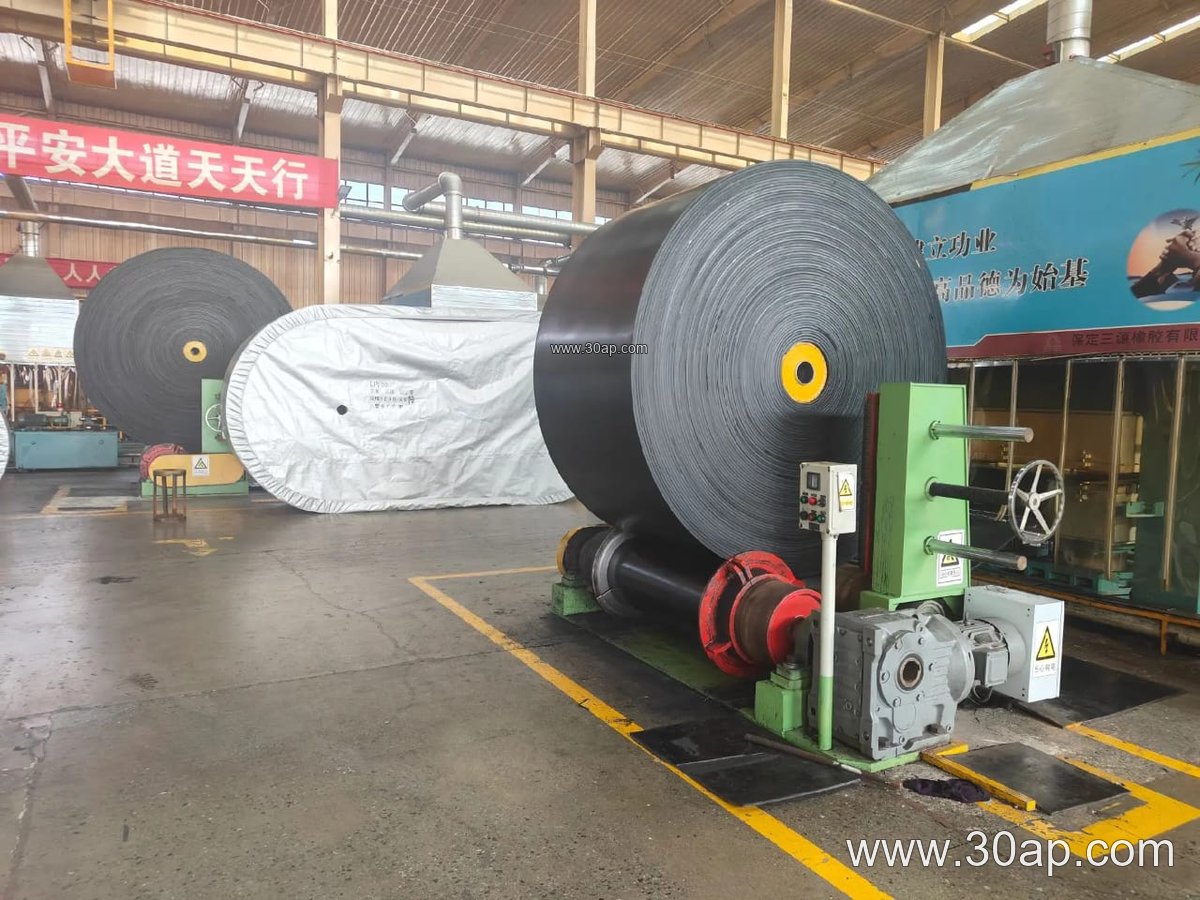
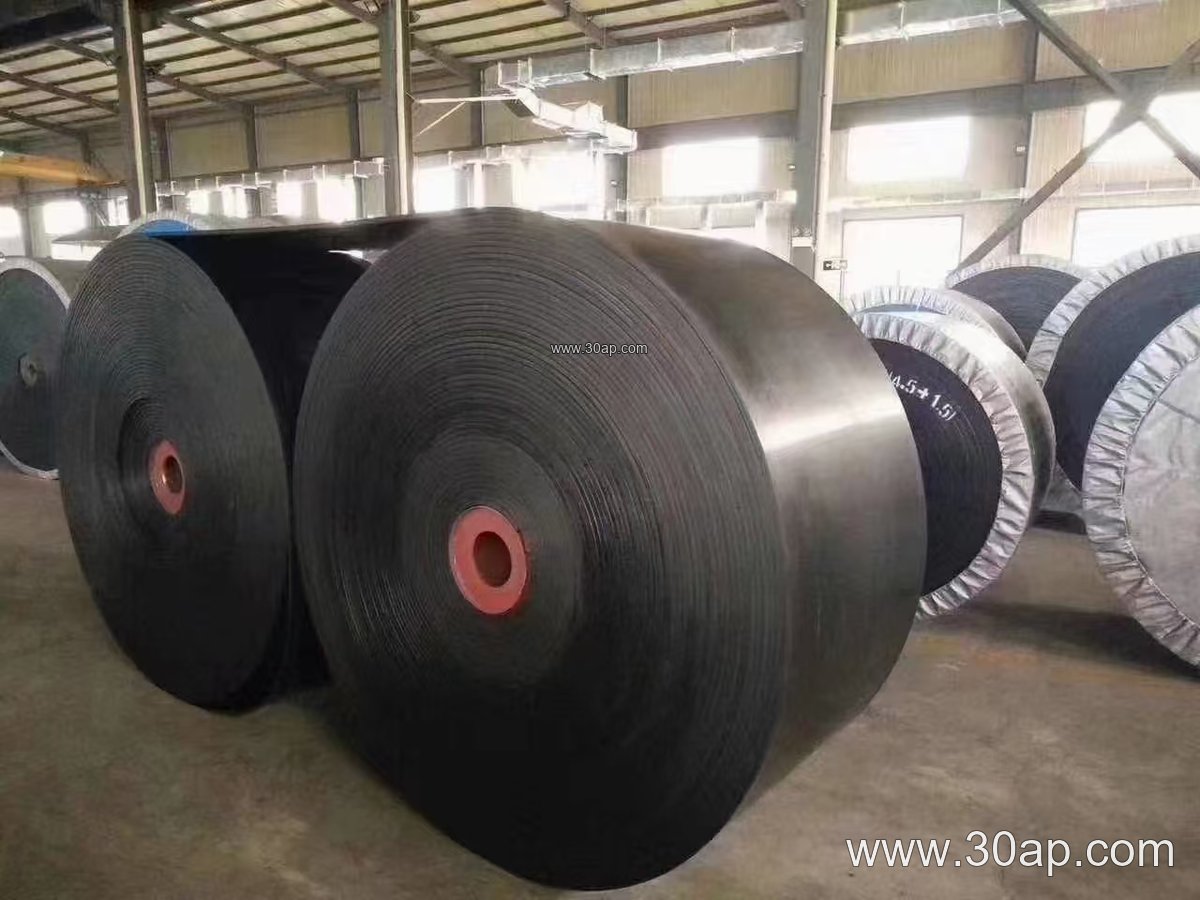
Specifications and Selection Guidelines
When specifying a cold resistant conveyor belt, buyers should consider tensile strength, belt width, cover thickness, and low-temperature rating. Common strength grades for EP belts include EP200, EP400, EP630, EP1000, and EP1250. Belt widths typically range from 500 mm to 2000 mm, with wider belts available for high-capacity systems. The table below shows representative parameters—actual values vary by manufacturer and design.
| Parameter | Common Range |
|---|---|
| Strength grade (EP) | EP200, EP400, EP630, EP1000, EP1250 |
| Belt width | 500 mm, 650 mm, 800 mm, 1000 mm, 1200 mm, 1400 mm, 1600 mm, 1800 mm, 2000 mm |
| Cover thickness | 3+1.5 mm, 4+2 mm, 5+2 mm, 6+2 mm, 8+3 mm |
| Number of fabric plies | 2 to 6 |
| Low temperature flexibility | Typically rated to -40 °C or lower, depending on compound |
For high-tension applications, a steel cord conveyor belt (e.g., ST1000, ST1600) with cold-resistant covers may be appropriate. In coal mines, a PVG conveyor belt (such as PVG800S) with cold resistance can combine flame retardancy and low-temperature flexibility. Always confirm the belt’s cold flexibility rating with the supplier and ensure compatibility with conveyor pulleys and idler rollers.
Buyer Checklist and Maintenance Tips
- Verify the lowest expected operating temperature and choose a belt rated accordingly.
- Check that the belt’s cover compound is suitable for abrasion and impact; a high abrasion resistant conveyor belt may be needed for sharp materials.
- Ensure proper alignment of drive, tail, and bend pulleys to prevent edge damage in cold conditions.
- Inspect idler rollers and conveyor brackets for ice buildup that could affect belt tracking.
- Store belts in a warm, dry place before installation to maintain flexibility.
- For underground coal mining, confirm flame retardant properties (e.g., PVG800S) alongside cold resistance.
Regular maintenance and correct selection help extend belt life. Whether you need an EP conveyor belt, a fabric core conveyor belt, or a specialized cold resistant conveyor belt, matching the belt to the environment is key. For more information on cold resistant conveyor belts and related components like conveyor pulleys and idler rollers, consult our technical team at [your-domain.com/cold-resistant-conveyor-belt].