What the Ø180 Conveyor Idler Is
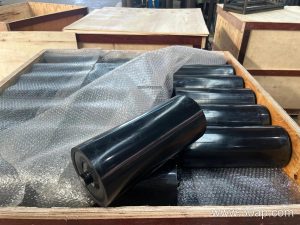
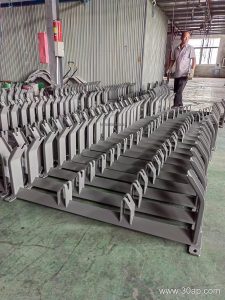
The Ø180 conveyor idler is a heavy-duty troughing roller with a nominal diameter of 180 mm. It sits on the carrying side of a belt conveyor, supporting the conveyor belt and the material load as the belt moves. Because of its larger diameter, it is often chosen for wide belts and high-tonnage lines where standard smaller rollers would spin faster and wear sooner. The same product is also called a 180 mm troughing idler or an Ø180 carrying idler, and those names refer to the same item.
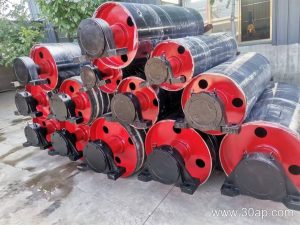
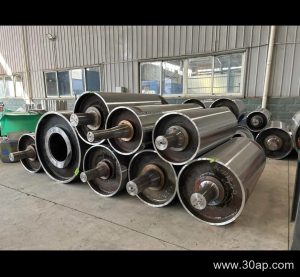
This idler is not a drive pulley, tail pulley, or bend pulley. Those are conveyor pulleys that transmit power or change belt direction. The Ø180 roller is a free-turning component mounted on a conveyor bracket or frame, and it works together with the belt rather than driving it.
How It Is Built
A typical Ø180 conveyor idler uses a steel tube shell, pressed bearing housings, a through shaft, and sealed ball bearings. The shell surface can be plain steel, nylon-coated, ceramic-lined, or fitted with rubber rings for impact absorption. Bearing sizes are selected by load and speed rather than by diameter alone; common options in this class include 6308, 6310, and similar deep-groove ball bearings.
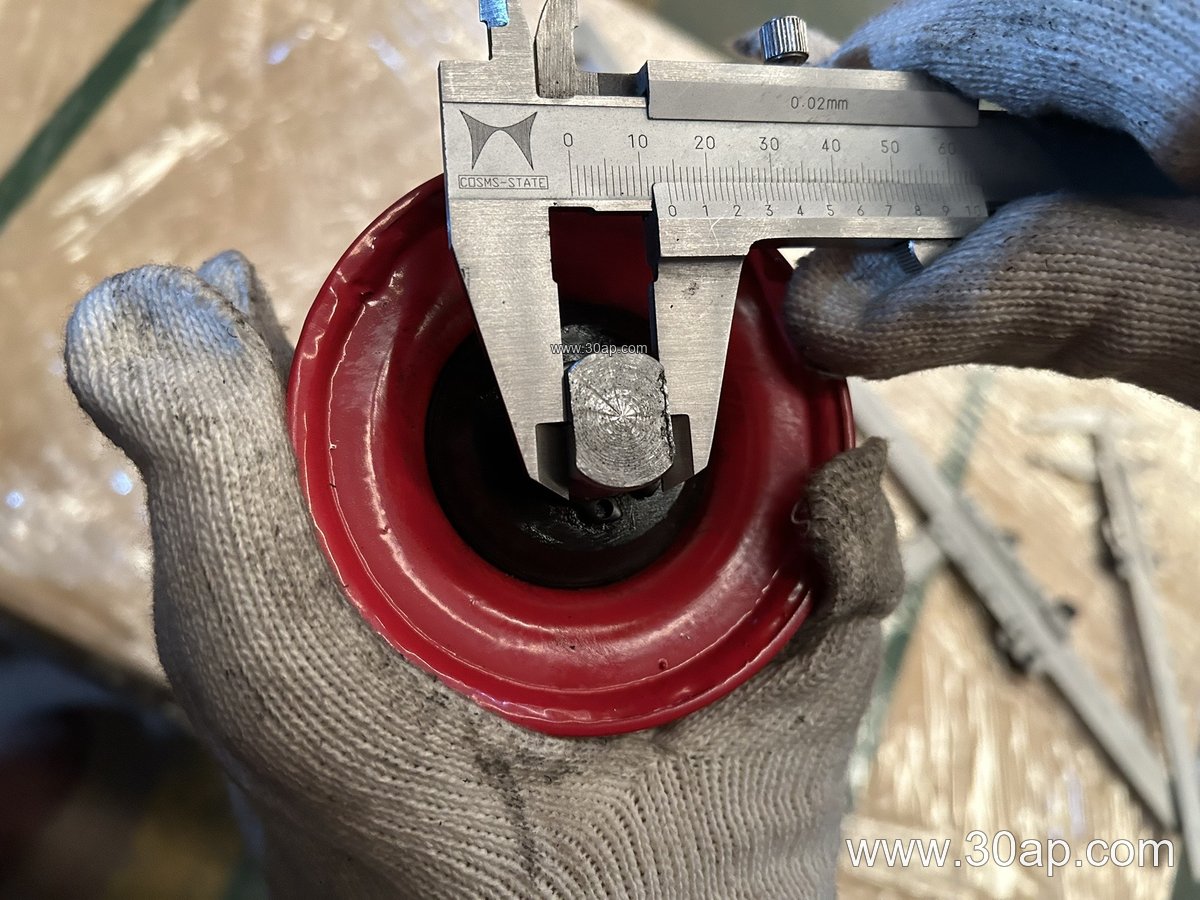
The roller length depends on belt width, trough angle, and the idler set arrangement. For a three-roll troughing set, common roller lengths are roughly 380 mm for B1000, 465 mm for B1200, 530 mm for B1400, and 600 mm for B1600. These are reference examples, not fixed matches. The side rollers and center roller can differ, and the final length is confirmed by the conveyor design.
Where It Fits on the Conveyor
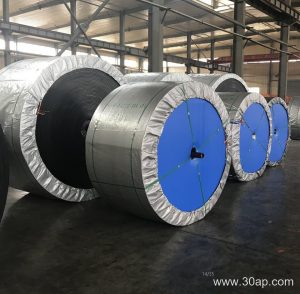
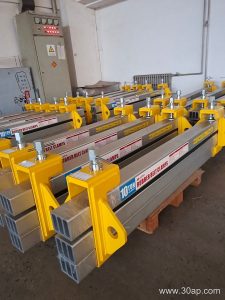
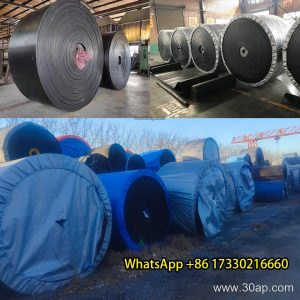
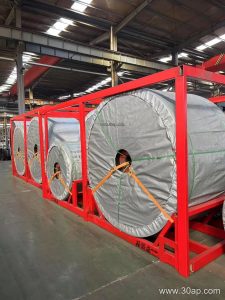
The Ø180 idler is usually installed as part of a three-roll troughing set on the carrying side. The trough angle is commonly 20, 30, 35, or 45 degrees, and the set may be forward-tilted about 1.5 to 2 degrees to help center the belt. In a quarry or aggregate line, it supports a heavy conveyor belt loaded with crushed stone. In a coal mining operation, it may run under a flame retardant conveyor belt on a underground mining conveyor. In a cement plant or power plant coal yard, it carries clinker, limestone, or coal on an EP conveyor belt or steel cord conveyor belt.
For impact zones below a crusher, a rubber-ring impact idler is often used instead of the standard Ø180 troughing roller. For the return side, a flat return idler or V-return idler is the correct subtype, not a carrying idler. These comparisons help clarify the role of the Ø180 roller without changing its function.
Common Sizes and Arrangements
The table below lists reference values that are often seen in conveyor design. They are not universal specifications and should be checked against the actual conveyor drawing.
| Item | Common Reference |
|---|---|
| Nominal diameter | Ø180 mm |
| Belt width examples | B1000, B1200, B1400, B1600 |
| Trough angle | 20°, 30°, 35°, 45° |
| Roller length examples | 380 mm, 465 mm, 530 mm, 600 mm |
| Bearing examples | 6308, 6310 |
| Shell options | Steel, nylon, ceramic, rubber ring |
Belt width and roller diameter are not locked together. A B1200 conveyor may use Ø180 idlers in one project and a different diameter in another, depending on load, speed, and space. The shaft diameter is also set by the idler frame and bearing selection, not by belt width alone.
Buyer Checklist
- Confirm the actual roller length, shaft end type, and mounting bracket spacing from the conveyor drawing.
- Match the bearing seal to the environment: dusty quarry, wet coal wash plant, or high-temperature cement line.
- Check the belt speed and load to decide whether a larger diameter such as Ø180 is justified over a smaller roller.
- Specify the shell surface only when needed; rubber rings help at impact points, while ceramic or nylon may suit abrasive fines.
- Ask for the idler set arrangement, since a three-roll troughing set uses different side and center roller lengths.
For a reliable inquiry, include the conveyor belt width, trough angle, idler type, roller length, bearing size, and the working environment. That information helps the supplier match the Ø180 conveyor idler to the conveyor bracket and the overall belt line.