What a Rubber-Lined Pulley Does
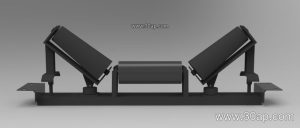
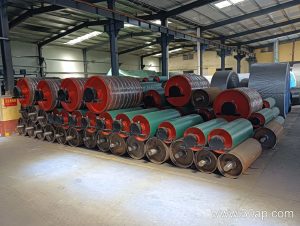
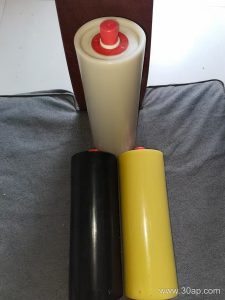
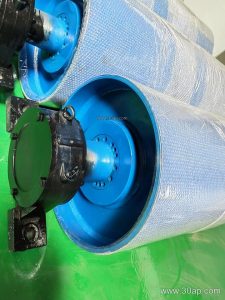
A rubber-lined pulley is a conveyor pulley whose shell is covered with a rubber layer to improve grip between the pulley and the conveyor belt. This cover, often called lagging, helps transmit drive force with less slip, protects the shell from abrasive material, and can extend service life in dusty or wet conditions. In a conveyor system, the pulley works together with the conveyor belt, idler roller, and conveyor bracket to keep material moving smoothly. The rubber lining is available in different forms and thicknesses, and the right choice depends on the pulley’s position, the duty level, and the material being handled.
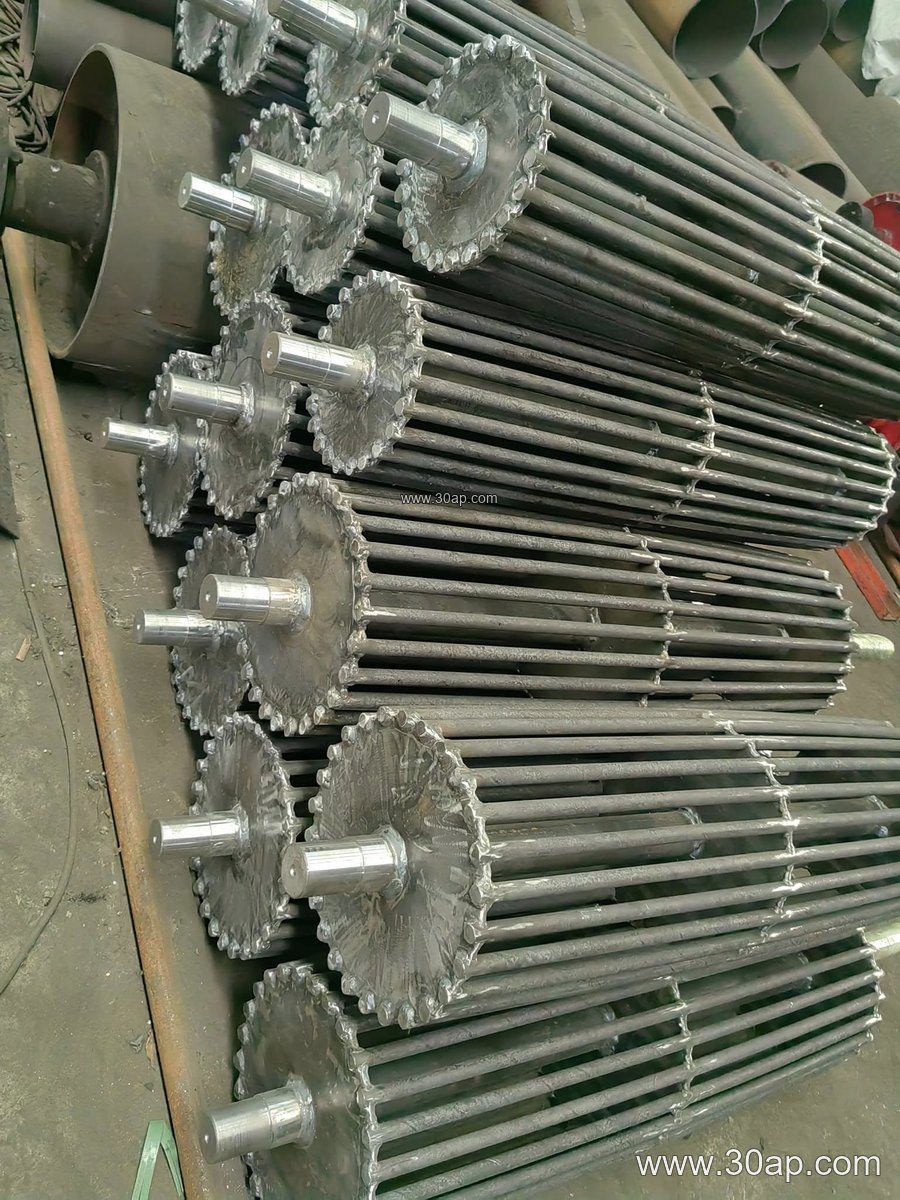
Construction and Surface Options
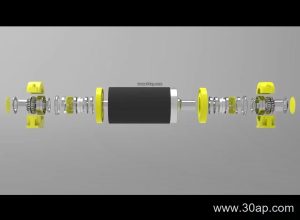
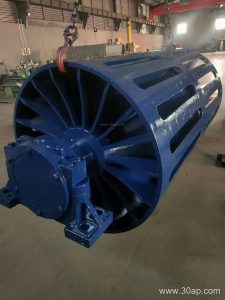
The base pulley is usually a welded steel shell with shaft, hubs, and end discs. Rubber lagging is applied by hot vulcanization, cold bonding, or as cast rubber. Common surface patterns include plain, diamond, and herringbone. Plain rubber provides uniform contact; diamond pattern improves water shedding; herringbone offers directional grip and self-cleaning in some designs. Lagging thickness commonly ranges from 8 mm to 20 mm, with 10 mm and 12 mm often seen in medium-duty service. The pulley face width is normally wider than the belt, for example a B800 belt may use a pulley face around 950 mm, and a B1200 belt around 1400 mm. Diameter and shaft size are determined by torque and load, not by belt width alone. A B1200 × Ø1000 or B800 × Ø500 combination may appear in design drawings, but these are examples, not fixed rules.
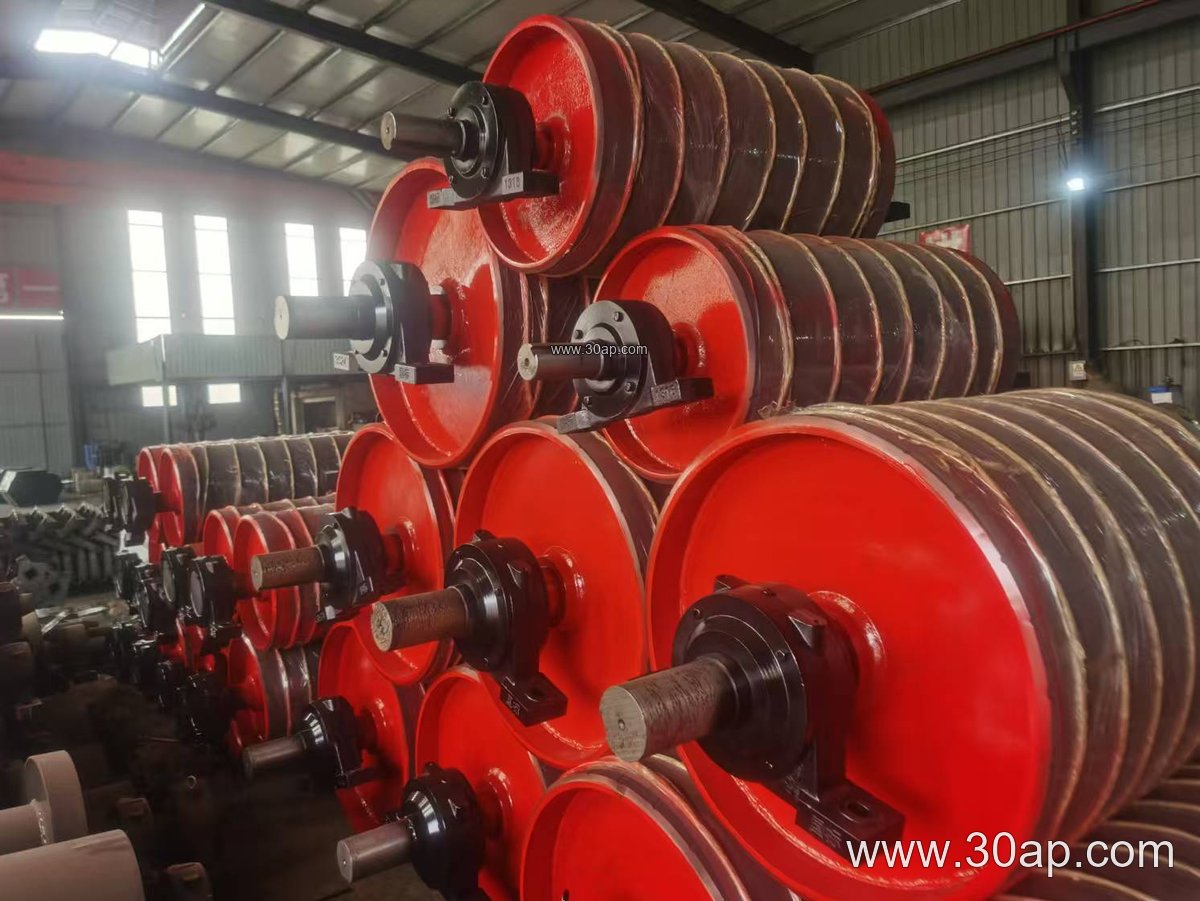
Where It Fits in the Conveyor
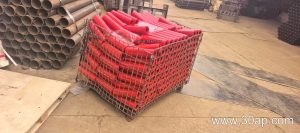
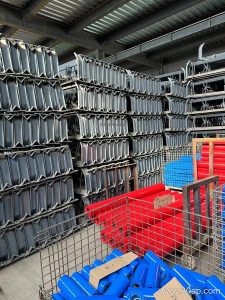
Rubber-lined pulleys are used in many bulk handling operations, including quarries, coal preparation plants, cement plants, power plant coal yards, and port bulk terminals. They are often found at drive positions where traction matters most, and also at bend or tail locations where belt tracking and surface protection are important. Note that drive, tail, and bend pulleys are not interchangeable names; each has a specific role. A drive pulley with rubber lagging helps start and run the belt under load. A bend pulley may use a thinner rubber cover mainly for wear protection. In mining and quarry circuits, a heavy-duty mining conveyor belt may run over large pulleys with thick lagging, while a shorter aggregate line may use a more moderate specification. The pulley should be matched to the conveyor belt type, such as an EP conveyor belt or steel cord conveyor belt, and to the surrounding components like the idler roller and conveyor bracket.
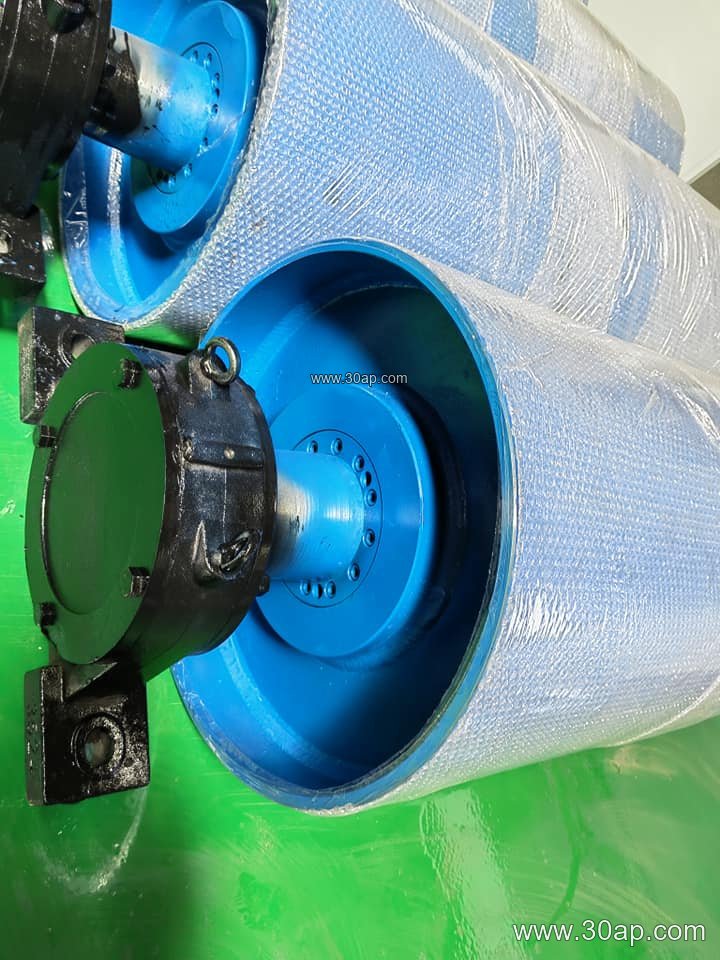
Common Reference Dimensions
The following values are typical reference data and should be confirmed against the actual conveyor design. They are not universal supply promises.
| Belt width reference | Typical pulley face width | Example diameter range | Common lagging thickness |
|---|---|---|---|
| B500 | About 600 mm | Ø250 to Ø500 | 8 to 12 mm |
| B650 | About 750 mm | Ø315 to Ø630 | 8 to 15 mm |
| B800 | About 950 mm | Ø400 to Ø800 | 10 to 15 mm |
| B1000 | About 1150 mm | Ø500 to Ø1000 | 10 to 20 mm |
| B1200 | About 1400 mm | Ø630 to Ø1250 | 12 to 20 mm |
| B1400 | About 1600 mm | Ø800 to Ø1400 | 12 to 20 mm |
| B1600 | About 1800 mm | Ø1000 to Ø1600 | 15 to 20 mm |
Shaft diameters often fall in the range of Ø50 to Ø200, selected by torque and bearing load. A larger belt width does not automatically mean a single fixed shaft size.
Buyer Checklist
- Confirm the pulley’s role: drive, tail, bend, or take-up. Each position has different traction and wear requirements.
- Match the lagging pattern and thickness to the material: abrasive ore, wet coal, or fine aggregate may call for different surfaces.
- Check compatibility with the conveyor belt, especially when using a flame retardant conveyor belt underground or a heat resistant conveyor belt near hot material.
- Review face width, diameter, and shaft size together with the conveyor bracket and idler roller layout.
- Ask for the rubber compound and bonding method, and verify that the lagging is suitable for the environment, such as cold, oil, or abrasion exposure.
For bulk material conveyor systems, a well-selected rubber-lined pulley can reduce belt slip and protect the shell. Whether the plant handles iron ore, cement clinker, or coal, the key is to treat the pulley as part of the whole conveyor drive design rather than an isolated part.