What the bracket does on a mining conveyor
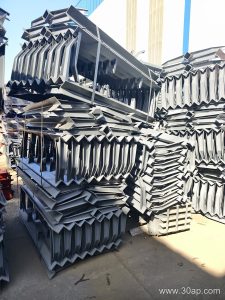
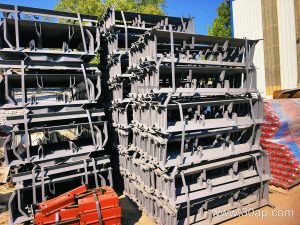
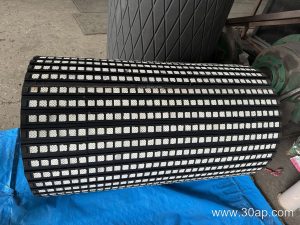
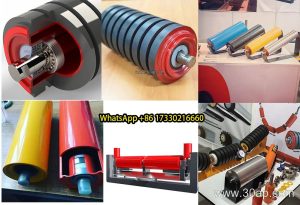
A mining conveyor bracket is the steel support that holds the idler roller at the correct height, angle and spacing beneath the conveyor belt. In a quarry, a coal washing plant or an ore handling line, the bracket carries the weight of the belt and the bulk material while keeping the idlers aligned. It is a simple part, but it decides whether the belt tracks straight, whether the rollers wear evenly and how quickly a maintenance team can replace a failed roller. The bracket works together with the conveyor pulley at the head and tail, the frame stringers and the belt itself, so its geometry has to match the rest of the system.
Construction and common materials
Most brackets are fabricated from angle steel, channel steel or folded steel plate. The frame is welded or bolted, then drilled with mounting slots for the idler shaft. A typical troughing bracket carries three idlers set at a trough angle, while a return bracket supports a single flat or V-shaped roller under the carrying side. Surface treatment matters in wet or dusty conditions, so galvanized or painted finishes are common. The bracket must be rigid enough that the idler does not sag between supports; excessive flexing shows up as belt edge wear and spillage.
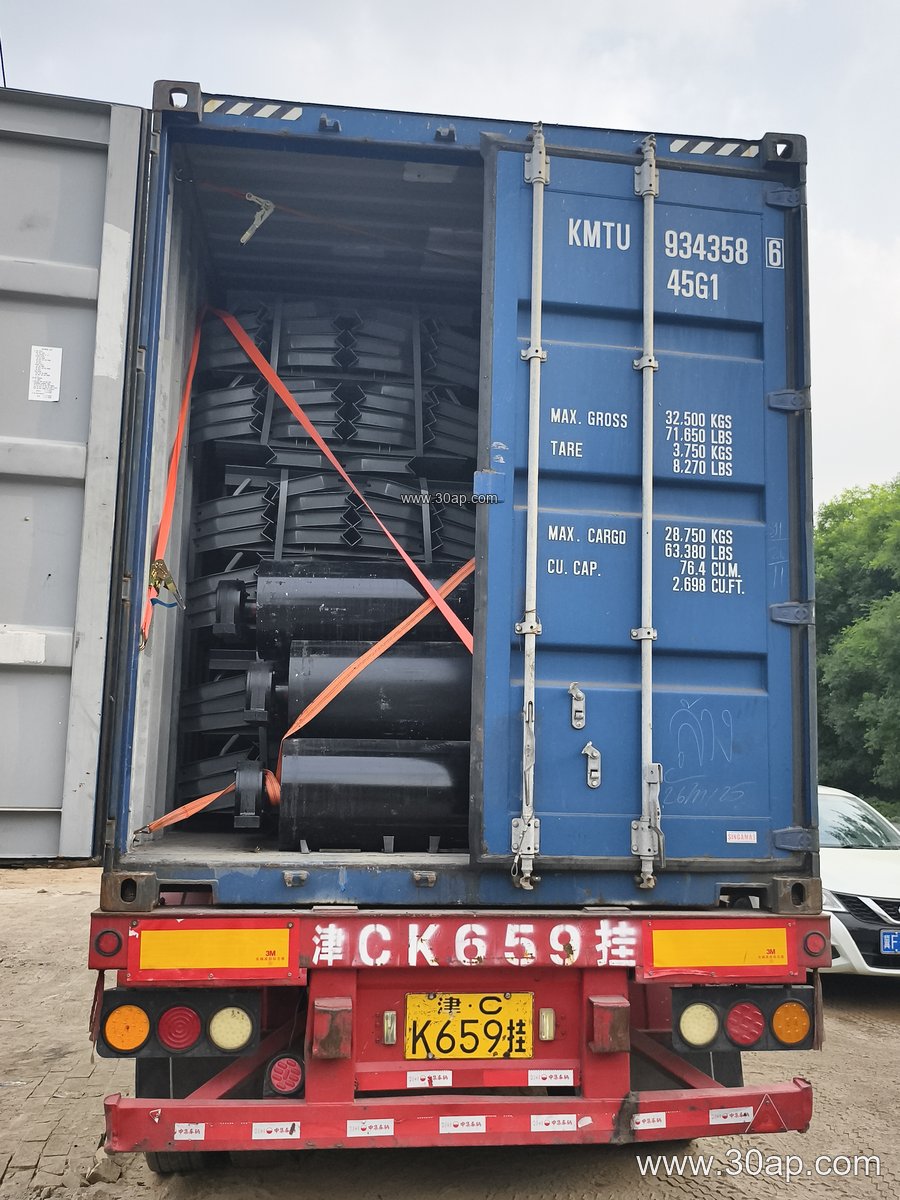
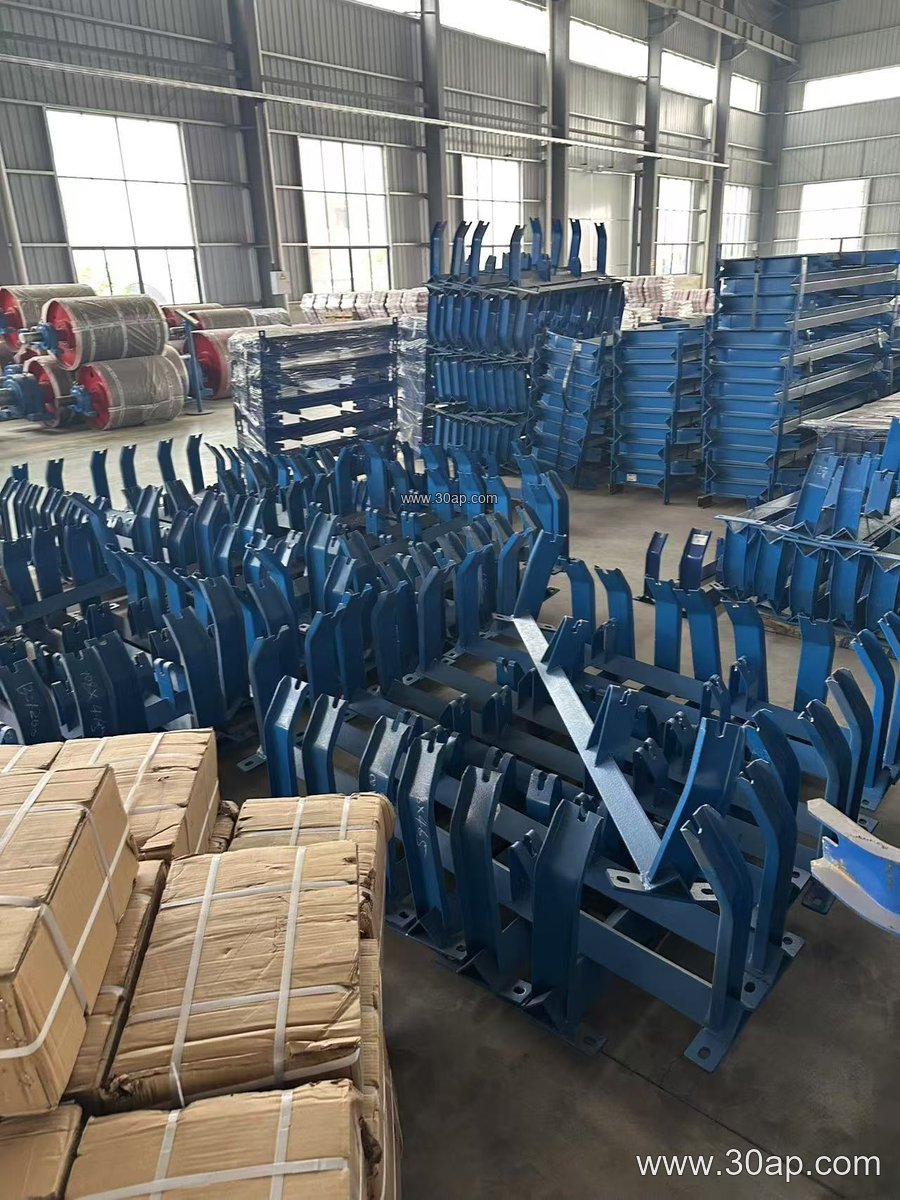
Typical bracket forms
- Troughing and upper trough brackets for the carrying side
- Transition brackets near pulleys where the belt changes shape
- Return and V-return brackets for the empty side
- Impact brackets under loading points
- Self-aligning and forward-leaning brackets for belt tracking
- Adjustable brackets that allow the trough angle to be changed
Matching bracket, belt width and idler diameter
Belt width and idler diameter are chosen together with the bracket, not in isolation. A B800 belt may run with Ø108 or Ø133 idlers depending on load and speed, and a B1200 line might use Ø133 or Ø159. The bracket’s mounting hole spacing and crossbeam length follow the belt width and trough angle, so these dimensions are set by design rather than by a single fixed rule. Trough angles of 20, 30, 35 and 45 degrees are common; adjustable brackets let a plant standardize on one frame and tune the angle later. Forward-leaning brackets, often around 1.5 to 2 degrees, help keep the belt centred on long runs.
| Belt width | Common idler diameter | Typical trough angle |
|---|---|---|
| B500 / B650 | Ø89 / Ø108 | 20–30 degrees |
| B800 / B1000 | Ø108 / Ø133 | 30–35 degrees |
| B1200 / B1400 | Ø133 / Ø159 | 35–45 degrees |
| B1600 / B1800 | Ø159 / Ø194 | 35–45 degrees |
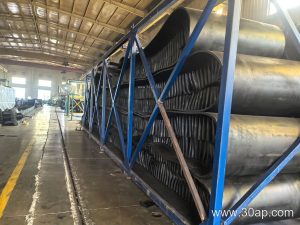
These are reference combinations, not fixed pairings. A heavy-duty mining conveyor bracket on a primary crusher discharge may need a larger roller and a steeper trough than a transfer point on the same site. Where a steel cord conveyor belt or a thick abrasion resistant conveyor belt runs at high tension, the bracket and its fasteners should be checked for the resulting load.
Where brackets are used
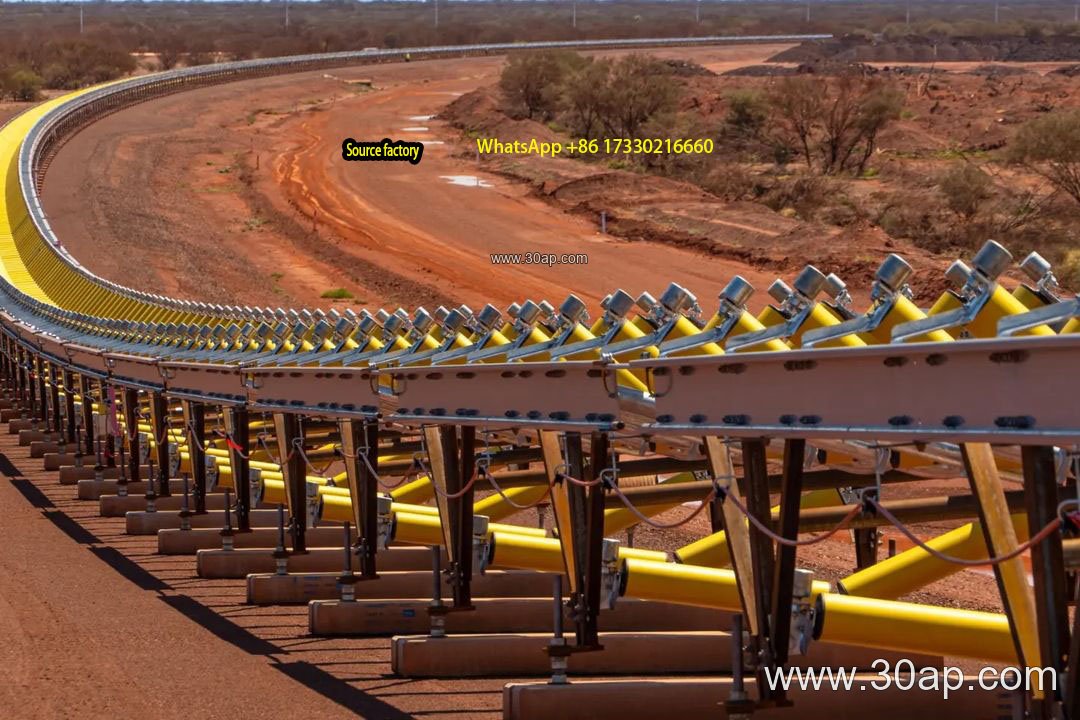
In a limestone quarry, troughing brackets line the main haulage conveyor from the crusher to the stockpile. In a coal washing plant, flame retardant conveyor belts run over brackets that must resist dust and moisture. Cement plants use them on clinker and raw meal lines, and power plant coal handling systems rely on them for steady belt support. The same part appears in sand and gravel plants, iron ore terminals and tunnel spoil conveyors, usually alongside conveyor pulleys, idler rollers and the belt itself.
Buyer checklist
- Confirm belt width, trough angle and idler diameter before ordering; do not assume one width fits one roller size.
- Check mounting hole spacing against the existing frame and idler shaft.
- Decide between fixed and adjustable brackets based on how often the angle may change.
- Match the finish to the site: dusty, wet or corrosive conditions call for better protection.
- Ask for the load rating and material thickness rather than relying on a model number alone.
- Keep spare brackets for transition and impact zones, where failures are most likely.
For related components, buyers often compare bracket options together with conveyor belt, idler roller and conveyor pulley selections from the same supplier so that dimensions and tolerances stay consistent. A bracket that fits properly is inexpensive insurance for the whole conveyor line.