What a Mining Flame Retardant Conveyor Belt Is
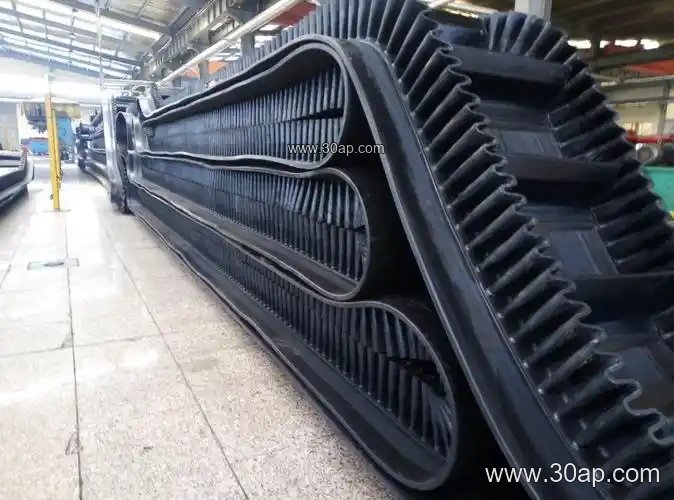
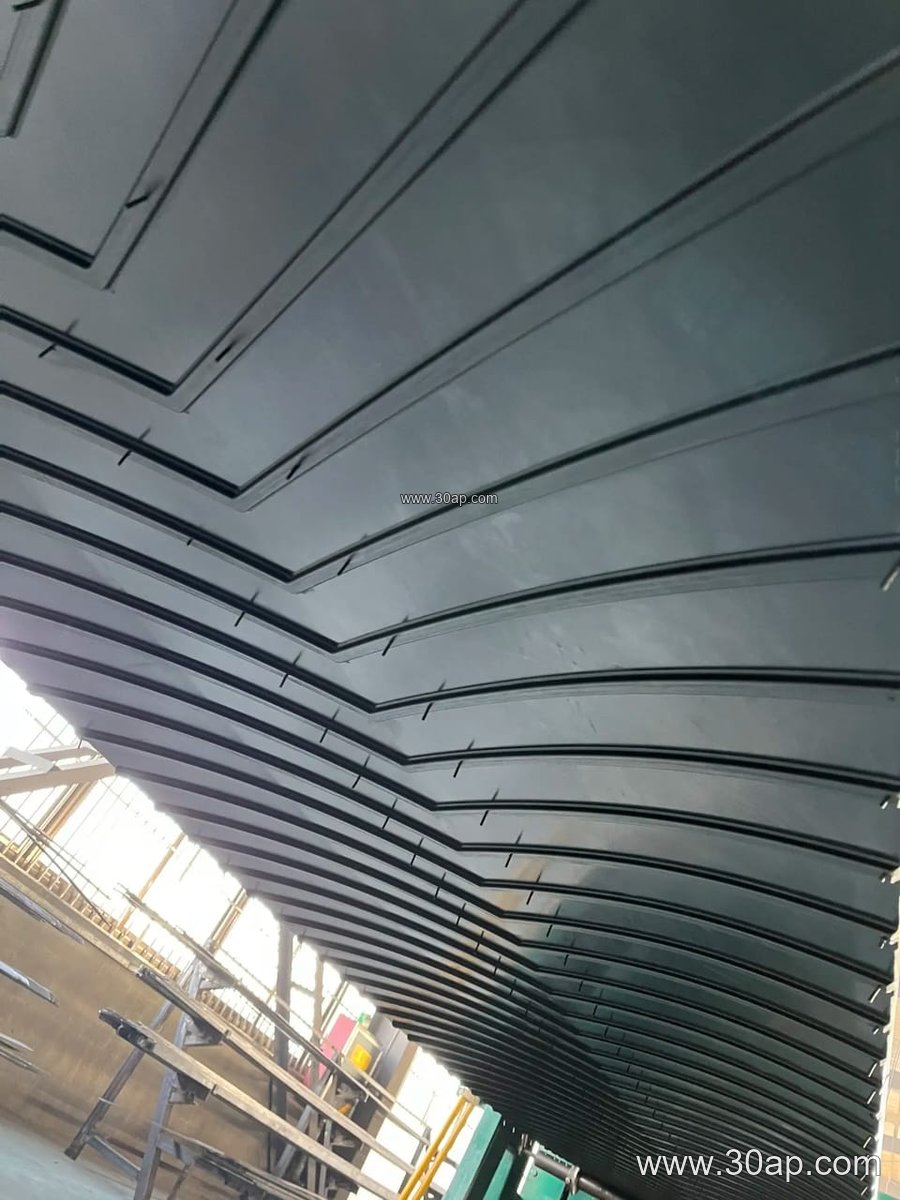
A Mining Flame Retardant Conveyor Belt is a heavy-duty belt built to carry bulk material in mines, coal preparation plants, cement works, power stations and quarry sites where fire risk must be controlled. In everyday purchasing language it is also called a Fire Resistant Conveyor Belt or a flame retardant conveyor belt, and these names describe the same product family. Its rubber covers are formulated so the belt resists ignition and limits flame spread, which matters most in enclosed galleries, transfer towers and underground roadways where a stalled belt or a hot idler roller could start a fire.
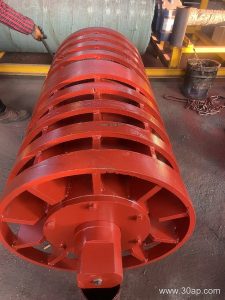
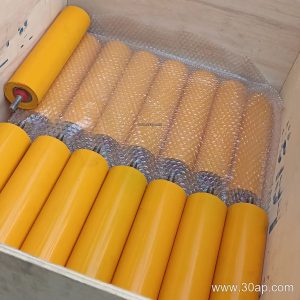
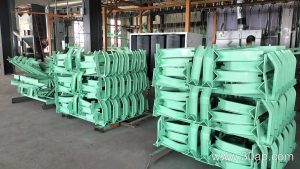
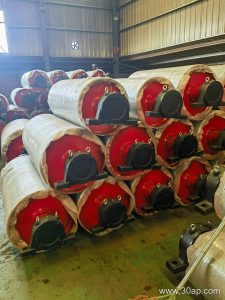
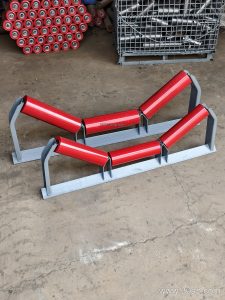
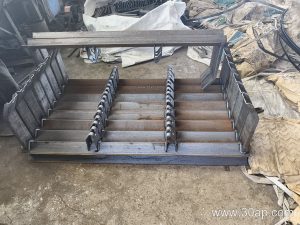
The belt is not the only fire-sensitive part of a conveyor. A complete installation also includes the conveyor pulley set, conveyor bracket assemblies and the idler roller frames that support the belt along its run. Drive, tail and bend pulleys each do a different job and are not interchangeable, so a fire-safety plan should treat the belt and its mechanical components together.
Construction and Core Options
Most belts in this category combine flame retardant rubber covers with a fabric or steel reinforcement. The carcass choice decides tensile strength, troughability and splice method.
- Fabric cores such as EP Conveyor Belt and NN Conveyor Belt constructions, including Multi-Ply Fabric Core Conveyor Belt builds with two to six plies.
- Steel Cord Conveyor Belt designs for long, high-tension runs in large mines.
- Solid-woven PVC and PVG Conveyor Belt types used in underground coal mining conveyor systems.
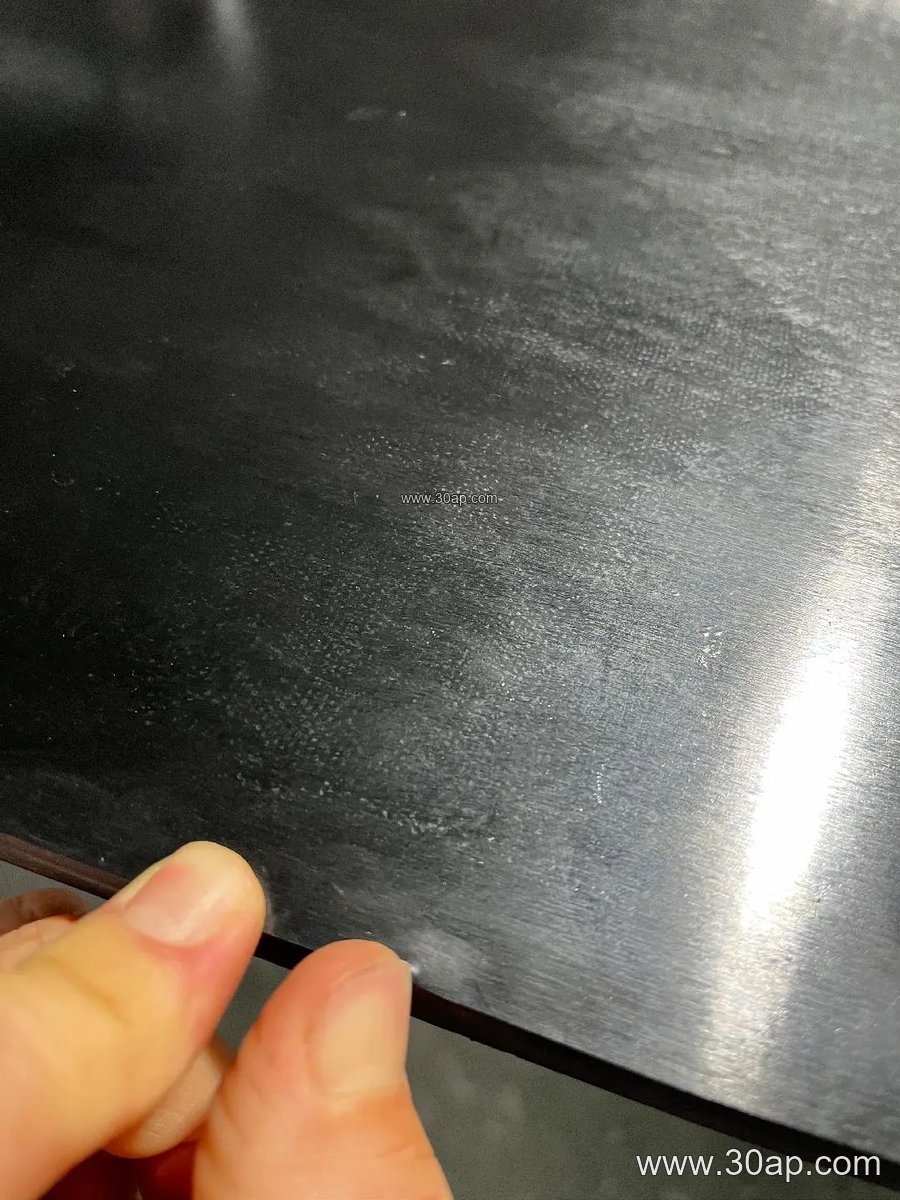
Cover thickness is usually quoted as top plus bottom, for example 4+2 mm, 5+2 mm or 6+2 mm, with heavier 8+3 mm covers on high-impact loading points. Flame retardant grades can also be combined with anti-static properties, which is common for Underground Coal Mining Conveyor Belt service. Where the material is hot, a Heat Resistant Conveyor Belt compound may be needed instead of a standard flame retardant cover; where sharp rock is the main problem, an Abrasion Resistant Conveyor Belt grade is the better match. These are alternative specifications, not replacements for the flame retardant requirement itself.
Typical Specifications at a Glance
The table below shows common reference values. Actual figures depend on the manufacturer and on the conveyor design, so treat them as starting points for a technical discussion rather than fixed supply promises.
| Parameter | Common reference range |
|---|---|
| Belt width | B500, B650, B800, B1000, B1200, B1400, B1600, B1800, B2000 |
| Fabric strength grades | EP200, EP315, EP400, EP500, EP630, EP800, EP1000, EP1250, EP1600, EP2000 |
| Steel cord grades | ST1000, ST1250, ST1600, ST2000, ST2500, ST3150 |
| Cover thickness | 3+1.5, 4+2, 5+2, 6+2, 8+3 mm |
| Carcass plies | 2 to 6 plies for multi-ply fabric builds |
A 1200mm wide belt, for instance, may be paired with different pulley diameters depending on tension and wrap angle; width alone does not fix the pulley size. The same logic applies to shaft dimensions, which are set by the conveyor designer.
Where the Belt Is Used
Coal Mining Conveyor Belt service is the classic application, especially in underground coal mining conveyor belt systems and drift conveyors feeding washing plants. In cement plants the belt often handles limestone, clinker and additives, while power plant conveyors move coal from stockyard to bunker. Quarry Conveyor Belt and Aggregate Conveyor Belt circuits use flame retardant grades where dust and enclosed transfer points create risk. Ore Conveyor Belt lines at iron ore, copper ore and gold mining sites may specify a fire resistant belt for tunnel sections or covered galleries, even when the main duty is abrasion resistance.
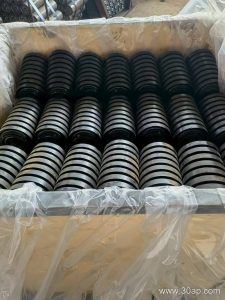
Because these belts run over many idler roller stations, alignment and roller condition strongly affect belt life. A seized roller can generate heat, so maintenance checks on rollers, pulleys and brackets are part of fire prevention, not just a housekeeping task.
What Buyers Should Confirm
- Required flame retardant and anti-static performance for the site, stated by the mine or plant engineering team.
- Carcass type and strength grade, matched to the conveyor length, incline and starting tension.
- Cover thickness and compound, chosen for impact, abrasion, heat or oil exposure.
- Belt width and edge condition, plus whether an Endless Conveyor Belt splice is preferred on site.
- Splice method and the tools or crew available for installation.
- Compatibility with existing pulley diameters and idler roller spacing.
For a coal or cement project, requesting samples and cover compound data before ordering is a practical step. A well-matched Mining Flame Retardant Conveyor Belt, supported by sound pulleys, rollers and brackets, keeps material moving with a lower fire risk and fewer unplanned stops.