What the PVG800S Conveyor Belt Is
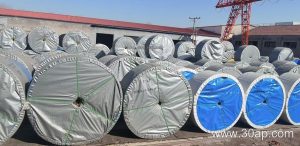
The PVG800S Conveyor Belt is a solid-woven, PVC-based belt designed for tough bulk handling. In many markets it is known as a PVG conveyor belt, and the 800S designation points to its general strength class and construction style. Unlike a multi-ply fabric core belt or a steel cord belt, this product uses a solid woven carcass impregnated and covered with PVC. That builds a belt with good resistance to cutting, impact, and moisture, which is why it often appears in underground coal mining and other wet or abrasive operations.
Buyers comparing belt options will meet many names: EP conveyor belt, NN conveyor belt, flame retardant conveyor belt, and abrasion resistant conveyor belt. Each serves a different purpose. The PVG800S sits in the solid-woven PVC family, so it should not be treated as a direct substitute for an EP rubber conveyor belt or a steel cord conveyor belt where those constructions are specified.
Construction and Key Features
The belt body is a single solid-woven fabric core, usually made from high-strength synthetic yarns. The core is saturated with PVC paste and then covered with PVC-based top and bottom covers. This construction gives the PVG800S Conveyor Belt several practical traits:
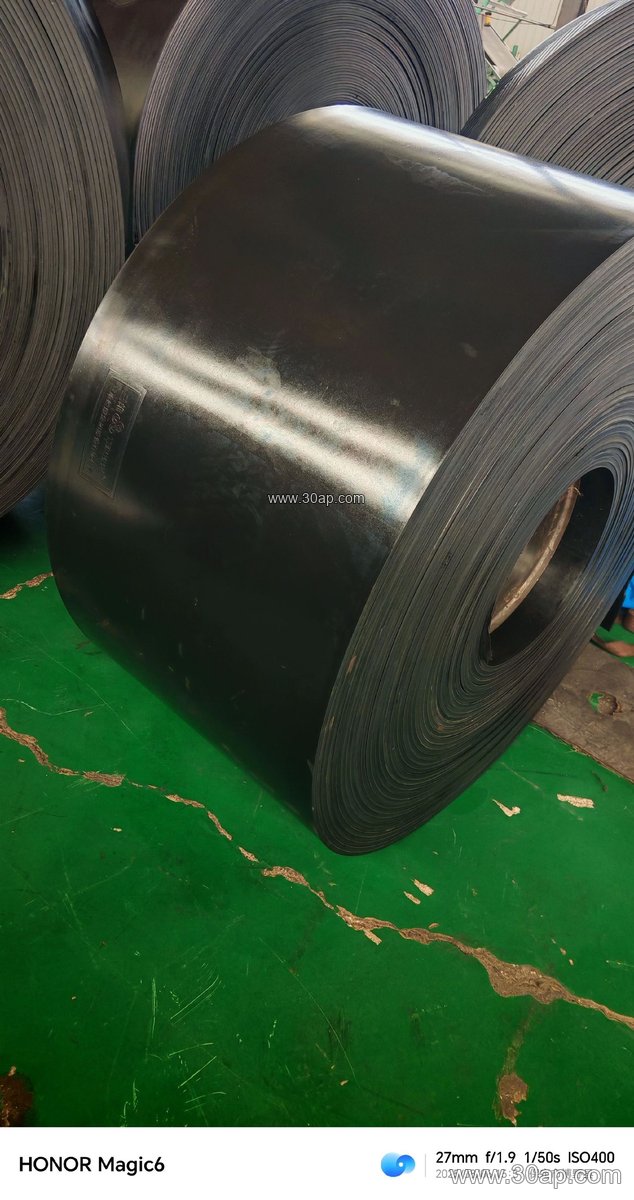
- Good tensile strength for medium-duty haulage.
- Resistance to moisture and rotting, which suits damp underground conditions.
- Flame retardant and anti-static versions are commonly available for coal mining conveyor belt service.
- A relatively smooth surface that works with standard idler roller and conveyor pulley arrangements.
Because the carcass is solid woven, the belt resists delamination better than some laminated fabric core designs. It also tends to be lighter and more flexible than a comparable steel cord conveyor belt, which can simplify installation around small pulleys.
Typical Applications
This belt is often chosen for underground mining conveyor systems, especially in coal mining where flame retardant and anti-static properties matter. It also appears in surface operations such as a quarry conveyor belt line, a cement plant conveyor belt, or a power plant conveyor belt handling coal and limestone. Other common settings include sand and gravel plants, ore handling circuits, and general bulk material conveyor belt systems.
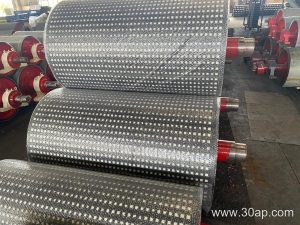
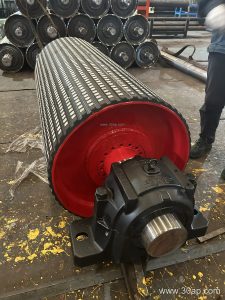
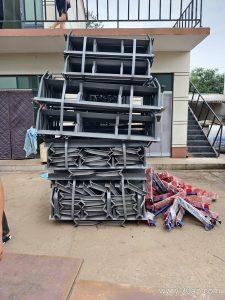
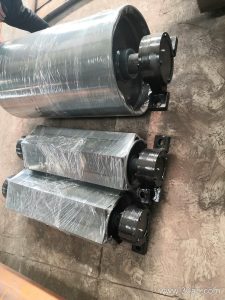
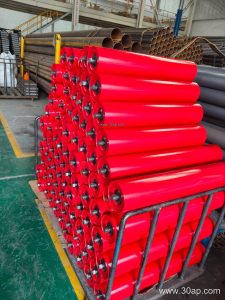
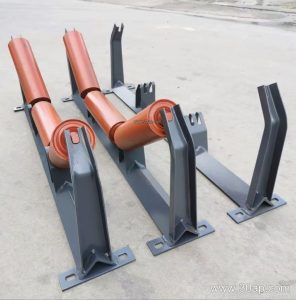
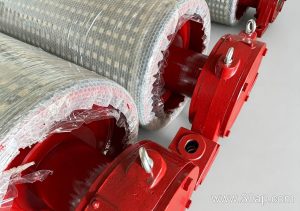
In these industries, the belt works alongside conveyor pulleys, idler rollers, and conveyor brackets. The drive pulley, tail pulley, and bend pulley each do a distinct job, and none should be swapped for another in the layout. Proper alignment of these components helps the PVG800S Conveyor Belt track well and last longer.
Parameters to Check Before Ordering
Exact figures vary by manufacturer and by project design. The table below shows common reference values for the PVG800S family; treat them as a starting point, not a fixed supply promise.
| Parameter | Common reference range |
|---|---|
| Belt type | PVG solid woven, PVC covers |
| Strength class | Around 800S (check with supplier) |
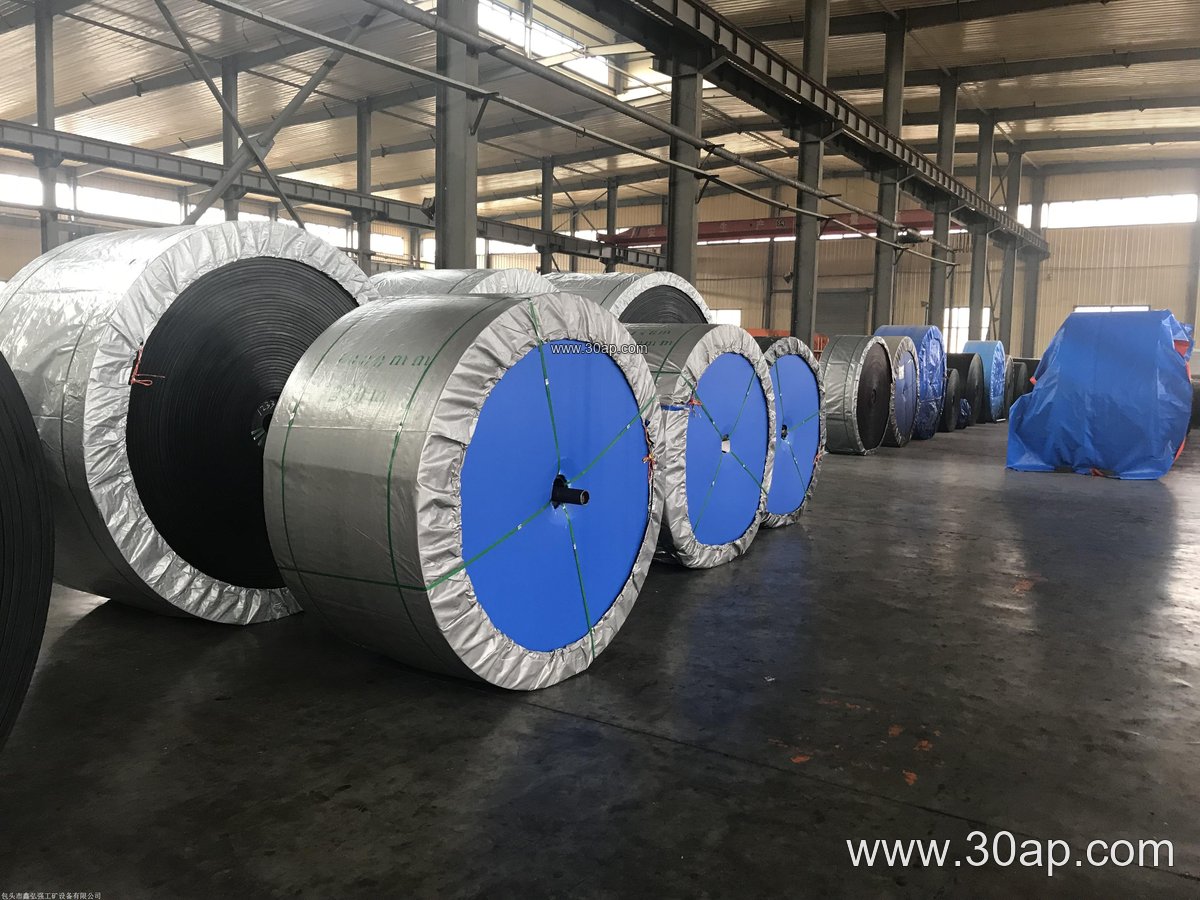
| Belt width | B500, B650, B800, B1000, B1200, B1400, B1600, B1800, B2000 mm |
| Cover thickness | Common combinations such as 3+1.5, 4+2, 5+2, 6+2, 8+3 mm |
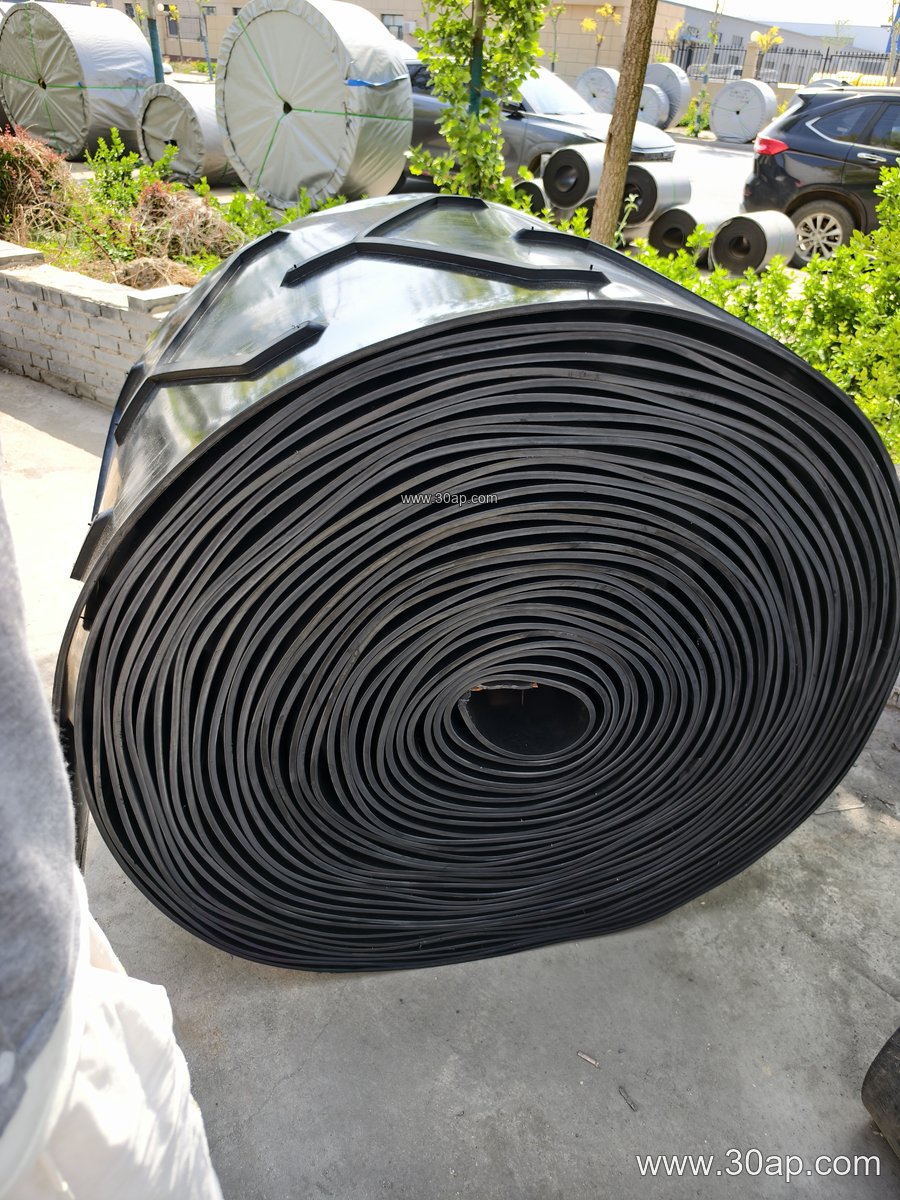
| Surface options | Plain, chevron conveyor belt, or skirted conveyor belt variants where specified |
Note that belt width does not fix pulley diameter on its own. A 1000mm wide belt may run on different pulley sizes depending on tension, load, and conveyor design. Shaft diameter should be calculated from the actual pulley and duty, never assumed from belt width alone.
Buyer Checklist
Before selecting a PVG800S Conveyor Belt, confirm the material being carried, lump size, moisture level, and whether the area requires flame retardant or anti-static performance. Check the conveyor’s drive pulley and tail pulley dimensions, the idler roller spacing, and the available take-up travel. For abrasive stone or high-impact loading, compare with a high abrasion resistant conveyor belt or an impact resistant conveyor belt. For hot materials, a heat resistant conveyor belt may be the better route. For oily feedstock, consider an oil resistant conveyor belt.
Also review the splice method and whether an endless conveyor belt is preferred for the application. A cold resistant conveyor belt grade may be needed in cold climates, while a food grade conveyor belt is a separate category for sanitary service. For general mining and quarry work, the PVG800S remains a practical solid-woven choice when the duty fits its strength class.