What a Rubber Spiral Idler Does
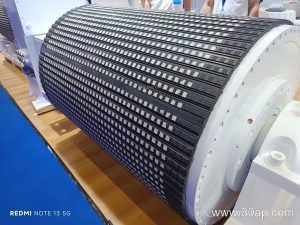
A rubber spiral idler is a special return-side roller whose shell is wrapped with a raised rubber helix. Instead of a smooth steel surface, the spiral rib contacts the running conveyor belt and gently scrapes away carried-back material. In a quarry, limestone mine, or sand and gravel line, this self-cleaning action keeps the return strand from building up sticky fines that would otherwise cause belt misalignment and roller seizure. The same component is often called a rubber helix return roller or spiral rubber disc idler, and those names describe the same product.
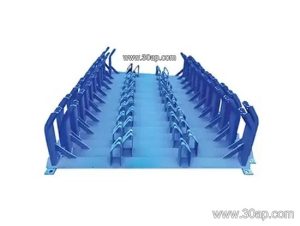
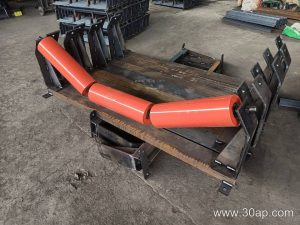
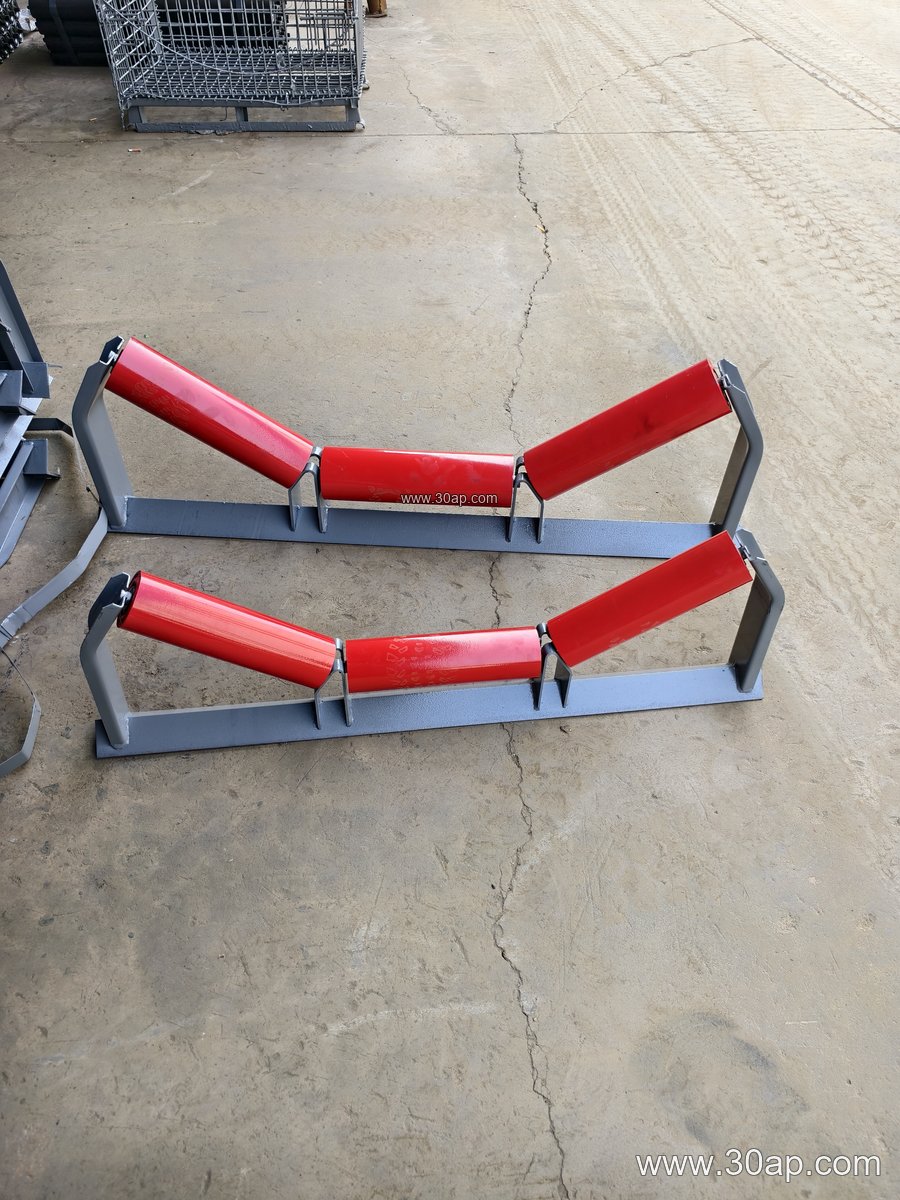
The idler is not a drive, tail, or bend pulley, and it should never be substituted for one. It is a supporting and cleaning element mounted on the return run, usually on a conveyor bracket fixed to the stringer.
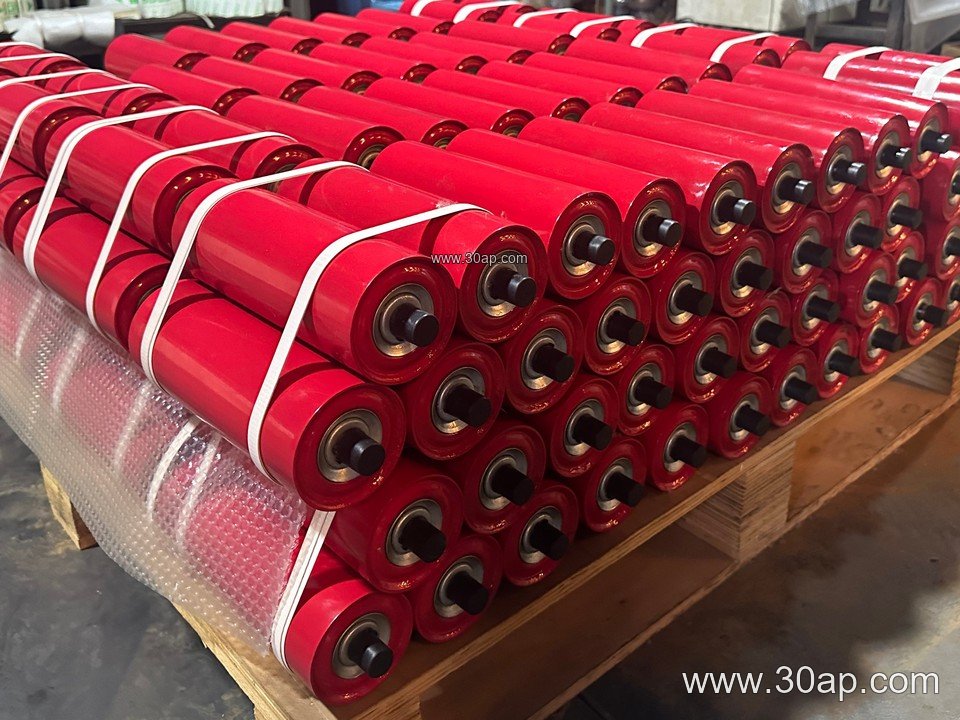
Construction and Surface Form
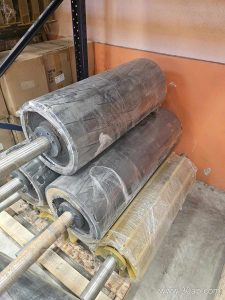
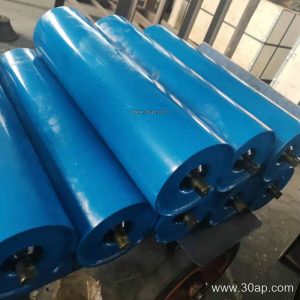
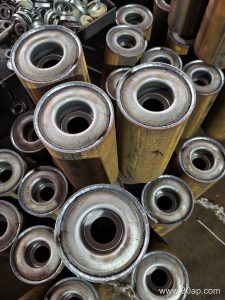
The core is normally a steel tube fitted with a shaft, sealed bearing housings, and a rubber spiral sleeve bonded or clamped to the shell. The rubber rib may be a continuous helix or a set of spiral rubber rings; both forms serve the same purpose. Common diameters follow general idler practice, such as Ø89, Ø108, Ø127, Ø133, and Ø159, while larger return positions may use Ø178 or Ø194. Bearing selection is matched to load and speed rather than to a single roller size, and typical options include 6204, 6205, 6305, 6306, and 6308.
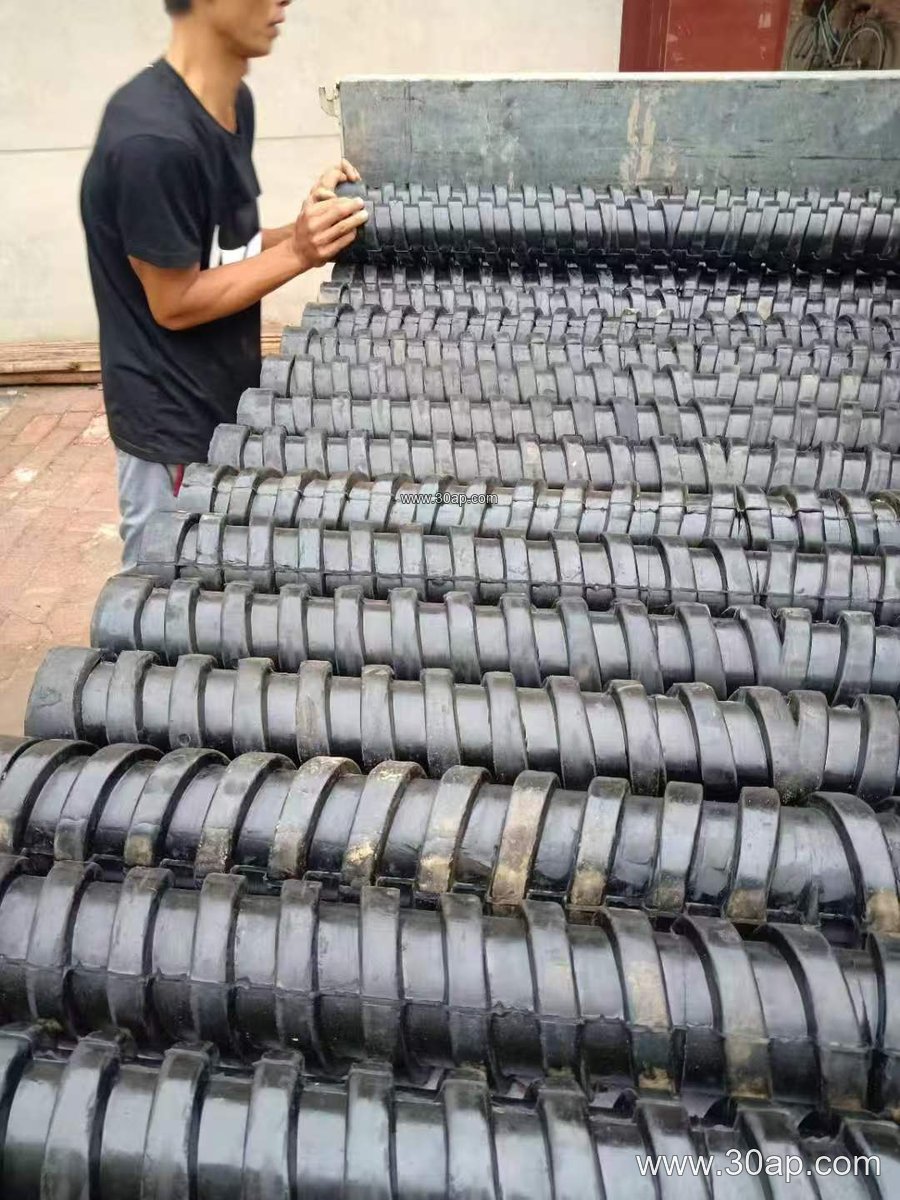
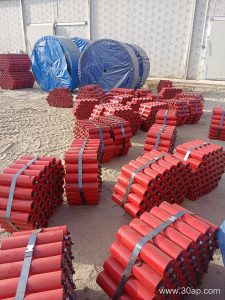
Roller length changes with belt width, trough angle, and frame design. For reference, a B800 belt might use a return roller around 315 mm long, a B1000 around 380 mm, a B1200 around 465 mm, and a B1400 around 530 mm. These are common examples only; the actual length is confirmed by the conveyor layout.
Where It Fits on the Conveyor
The spiral idler is most useful where the belt carries moist or dusty bulk material. In a cement plant handling clinker dust, a coal preparation plant moving fine coal, or a power plant coal yard, spillage tends to cling to the belt cover and drop off at the return run. A plain flat return idler can collect this layer, while the spiral profile breaks the contact patch and lets fines fall away.
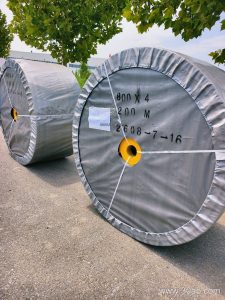
Because cleaning quality depends on the whole system, the idler works best alongside a well-chosen belt. A rubber conveyor belt with a suitable cover grade, an abrasion resistant conveyor belt for sharp aggregate, or a flame retardant conveyor belt in underground coal mining all interact with the return roller and affect how much material sticks.
Selection Notes for Buyers
Before ordering, confirm the belt width, the return frame type, the shaft and bearing arrangement, and the environment. A few practical points:
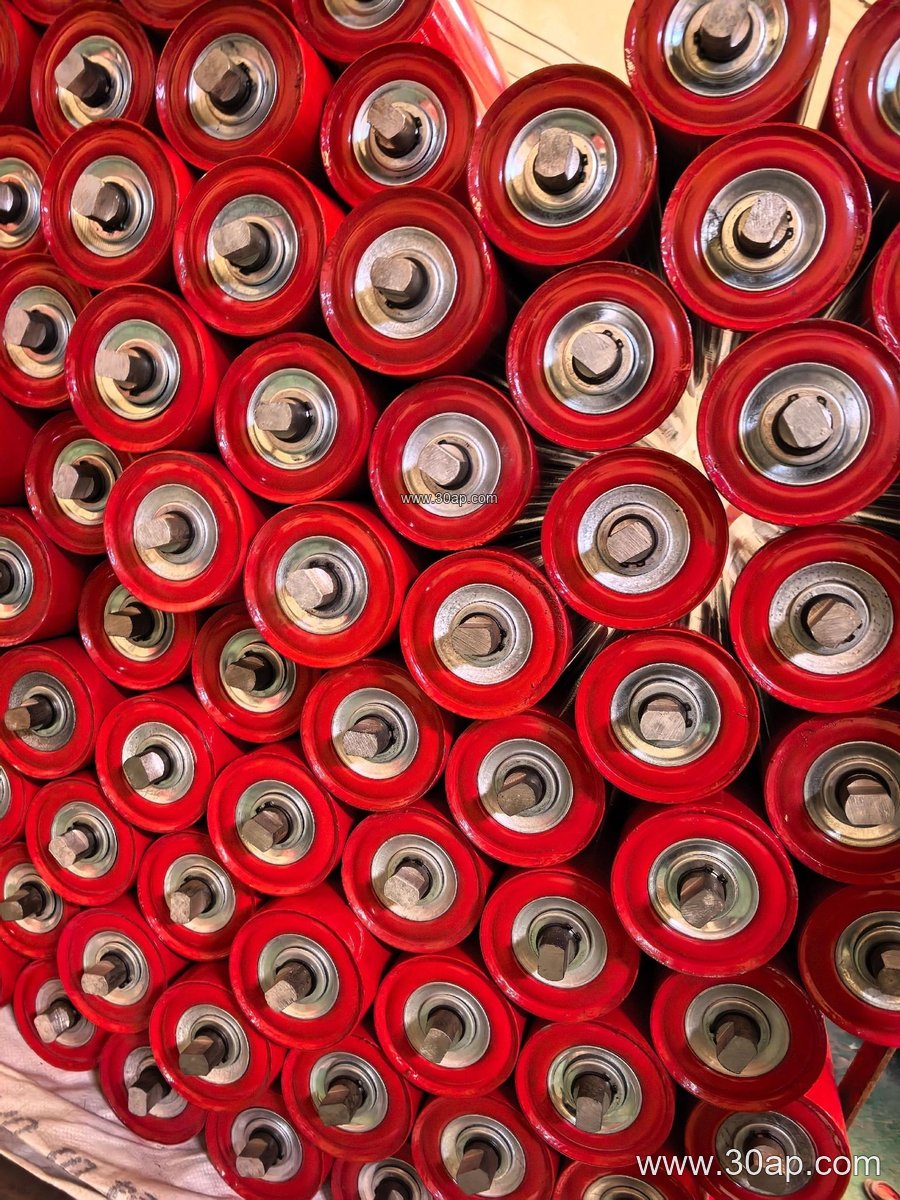
- Match the roller diameter to the belt speed and load; a larger diameter generally suits higher tension and heavier return strands.
- Check the rubber hardness and rib height when sticky material is expected; too soft a sleeve may wear quickly, too hard a rib may not clean well.
- For dusty or wet conditions, specify effective labyrinth sealing and a grease or sealed-for-life bearing option.
- In cold climates, a cold resistant conveyor belt and a rubber grade that stays flexible below freezing reduce cracking at the idler contact point.
- When the return strand carries oil or chemicals, consider an oil resistant conveyor belt or chemical resistant belt to protect both belt and roller.
The idler should be inspected for wobble, rib wear, and bearing noise during routine walks. Replacing a worn spiral roller early prevents belt edge damage and keeps the return run tracking correctly.
Related Belt and Roller Choices
On long overland or high-capacity systems, the spiral idler may sit under an EP conveyor belt, an NN conveyor belt, or a steel cord conveyor belt, depending on tension and impact requirements. Multi-ply fabric core and fabric core conveyor belt constructions are common in aggregate and cement service, while corrugated sidewall or skirted conveyor belt designs handle steep inclines where spillage is a constant concern. For iron ore, copper ore, or gold mining duty, a heavy-duty mining conveyor belt paired with robust return rollers is a normal combination.
Rubber spiral idlers are a small item in the conveyor budget, but they influence belt life, housekeeping, and downtime. Selecting the right diameter, sleeve, and seal for the site is more valuable than choosing on price alone.