What a Q235 Conveyor Bracket Does
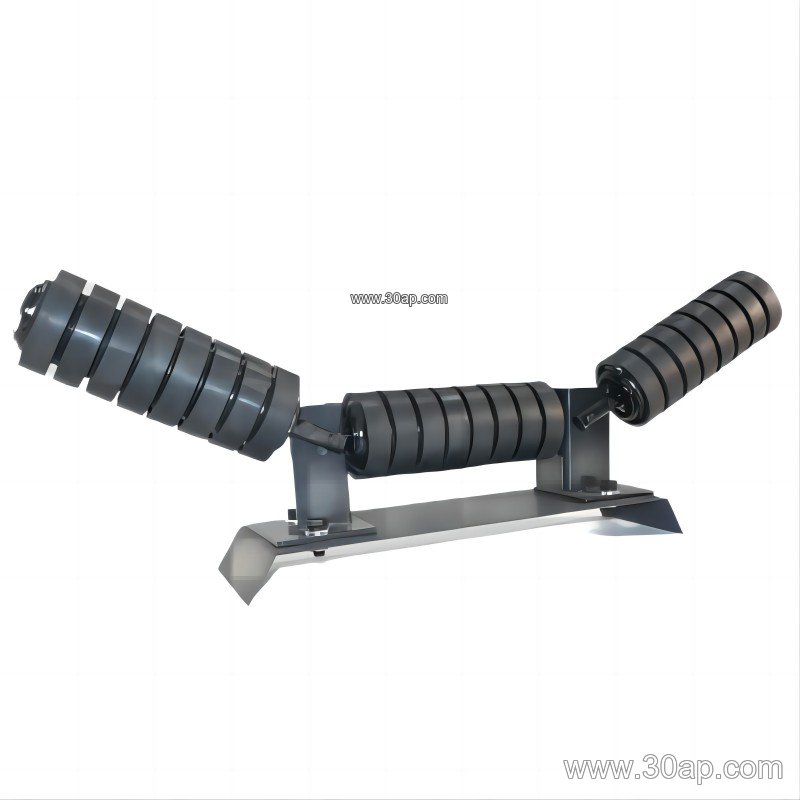
A Q235 Conveyor Bracket is the structural support that holds idler rollers in place along a conveyor frame. Made from Q235 mild steel, this bracket—also called a Q235 conveyor support bracket or Q235 idler bracket—carries the weight of the conveyor belt and the material being transported, keeping the idlers aligned at the correct trough angle. In a quarry, cement plant, or power plant coal yard, the bracket is a small but critical part of the overall conveyor system, working together with the conveyor belt, idler roller, and conveyor pulley to maintain smooth material flow.
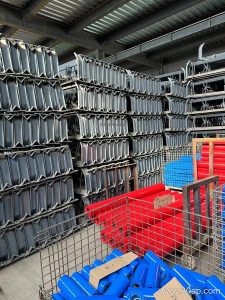
The Q235 grade is a common carbon structural steel known for good weldability and moderate strength. Brackets are typically formed from angle steel, channel steel, or folded steel plate, then drilled or punched for mounting bolts. The design must match the belt width, trough angle, and roller diameter so that the idlers sit at the intended position without stress on the frame.
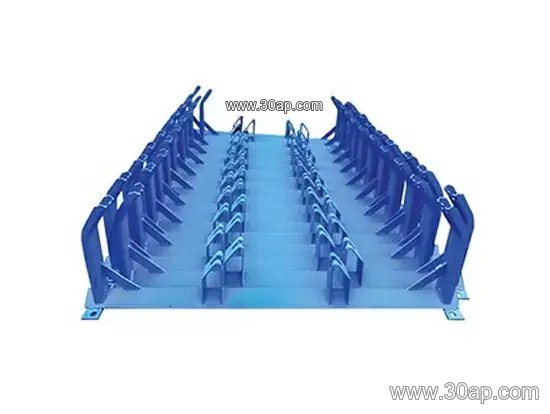
Construction and Mounting Positions
Conveyor brackets appear at several points along the conveyor line. Troughing brackets support the carrying idlers on the top run, often at 20, 30, 35, or 45 degrees. Return brackets hold the belt on the bottom run, and impact brackets are used under loading points where material falls onto the belt. Self-aligning brackets help correct belt tracking on long runs. Each type has a specific mounting position, and mixing them up can lead to belt misalignment or premature idler wear.
Fabrication usually involves cutting, bending, drilling, and welding. Weld quality and hole alignment matter because a poorly fitted bracket can tilt the idler and cause the belt to train to one side. For dusty or corrosive environments, a painted or galvanized finish may be specified, though Q235 itself offers no inherent corrosion protection.
Common Configurations and Reference Data
The table below shows typical bracket arrangements by belt width, trough angle, and roller diameter. These values are for reference only; actual dimensions such as mounting hole spacing and crossbeam length are determined by the conveyor design.
| Belt Width (B) | Trough Angle | Roller Diameter | Typical Bracket Type |
|---|---|---|---|
| B500 | 20° / 30° | Ø89 | Troughing, return |
| B650 | 30° / 35° | Ø89 / Ø108 | Troughing, impact |
| B800 | 35° / 45° | Ø108 / Ø133 | Troughing, self-aligning |
| B1000 | 35° / 45° | Ø108 / Ø133 / Ø159 | Troughing, return, impact |
| B1200 | 35° / 45° | Ø133 / Ø159 | Troughing, return |
| B1400 | 35° / 45° | Ø133 / Ø159 / Ø194 | Troughing, impact |
| B1600 | 35° / 45° | Ø159 / Ø194 | Troughing, return |
| B1800 | 35° / 45° | Ø159 / Ø194 | Troughing, impact |
Adjustable brackets allow the trough angle to be changed within a range, which can be useful during commissioning or when material characteristics change. Fixed brackets are simpler and often preferred where the conveyor operates under stable conditions.
Where Q235 Conveyor Brackets Are Used
These brackets are found in a wide range of bulk handling operations. In a limestone quarry or aggregate plant, they support idlers under crusher discharge belts and screen feed conveyors. In a coal-fired power plant, they hold troughing idlers on coal handling conveyors that may use flame retardant conveyor belt or abrasion resistant conveyor belt. Cement plants rely on them for clinker and raw meal transport, while iron ore and copper ore operations use them in heavy-duty conveyor lines. The bracket must suit the belt type—whether an EP conveyor belt, NN conveyor belt, or steel cord conveyor belt—and the loading conditions.
For dusty or wet conditions, self-cleaning brackets with open profiles can reduce material buildup. In underground mining, brackets may need to fit within restricted spaces, and corrosion resistance becomes more important.
Buyer Checklist
- Confirm belt width, trough angle, and roller diameter before ordering; these determine bracket geometry.
- Specify fixed or adjustable design based on whether the trough angle may need future changes.
- Check mounting hole spacing and crossbeam length against the existing conveyor frame.
- Consider the environment: painting or galvanizing for wet or corrosive sites.
- Verify weld quality and dimensional tolerance, especially for self-aligning and impact brackets.
- Ensure the bracket type matches its position—troughing, return, or impact—rather than substituting one for another.
For more information on conveyor components and support systems, visit our site at www.example.com/conveyor-bracket or www.example.com/idler-roller. A well-matched Q235 Conveyor Bracket helps extend idler life and keeps the belt running true in demanding bulk handling applications.