What an Oil Resistant Conveyor Belt Is
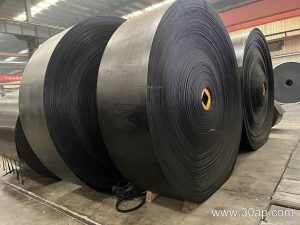
An oil resistant conveyor belt is a fabric-reinforced rubber belt designed to limit swelling, softening, and cover breakdown when conveyed materials carry oil, grease, or solvent residues. In cement plants, power plants, recycling lines, and metal processing areas, oily scrap, oily coke, and coated aggregates can attack ordinary rubber covers. The oil resistant conveyor belt uses a cover compound that slows hydrocarbon penetration, helping the belt keep its shape and grip over time.
This is a functional subtype of the standard rubber conveyor belt family. It is not a replacement for a heat resistant conveyor belt or a flame retardant conveyor belt; each addresses a different risk. Where a line carries both oily and hot material, the buyer should discuss the combined duty with the supplier rather than assume one cover handles both.
How the Belt Is Built
Most oil resistant conveyor belt constructions use a fabric core, either EP conveyor belt fabric (polyester warp, nylon weft) or NN conveyor belt fabric (nylon warp and weft). The rubber cover is compounded for oil resistance, and the carcass provides tensile strength and troughability. A typical build includes:
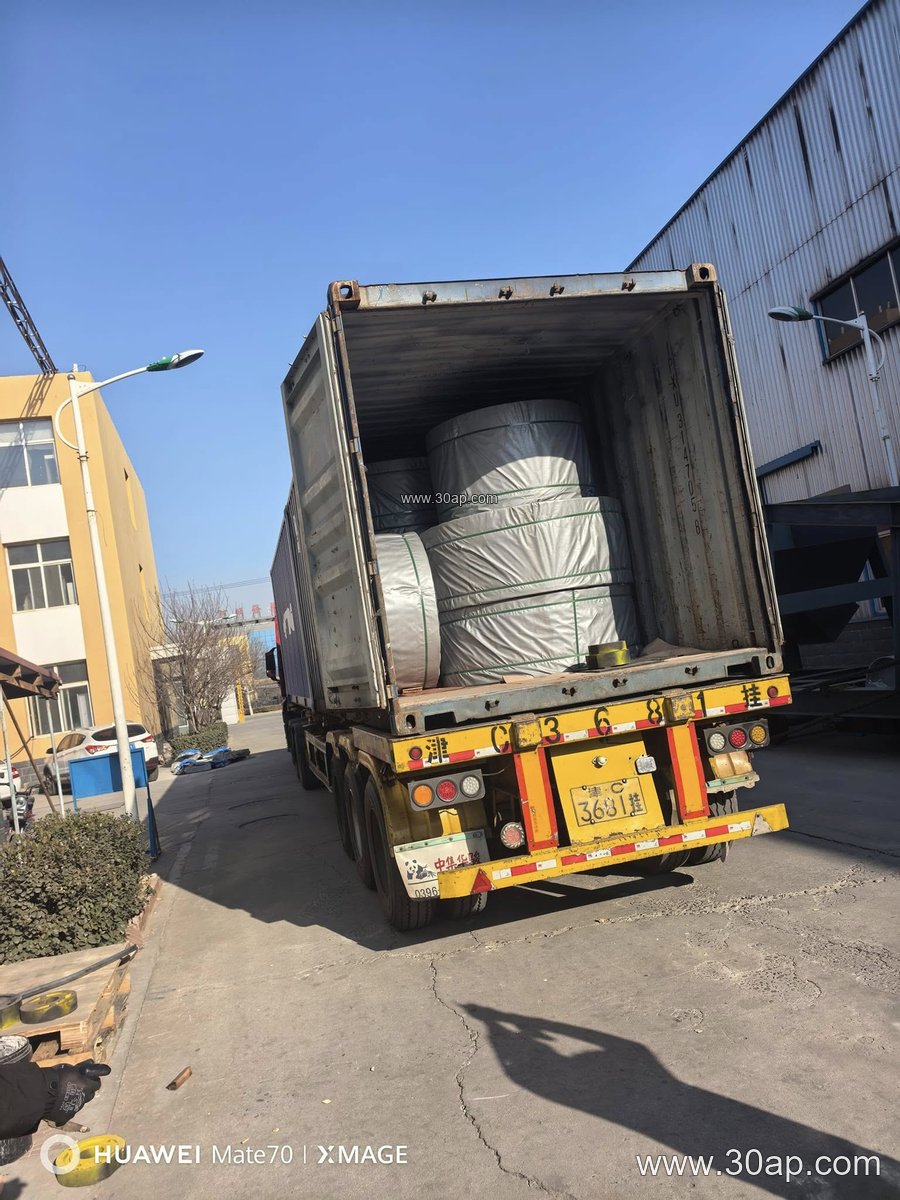
- Top cover: oil resistant rubber, often 3 mm to 8 mm depending on abrasion and impact.
- Bottom cover: usually 1.5 mm to 3 mm, with the same or a related compound.
- Carcass: 2 to 6 plies of EP or NN fabric, or steel cord where very high strength is needed.
- Edges: cut edges or molded edges, selected for the pulley and training conditions.
Cover thickness is often written as a pair, for example 4+2 or 6+2 mm, meaning top plus bottom cover. The carcass grade may be EP200, EP400, EP630, or higher, and belt width is commonly B650, B800, B1000, B1200, or B1400. These figures are reference points; actual construction is confirmed by design.
Where It Fits in the Plant
Oil resistant belting appears in cement plants handling oily kiln feed additives, in power plants moving oily biomass or coal with fuel residues, and in recycling and scrap yards where lubricant contamination is common. It also suits some quarry conveyor belt and aggregate conveyor belt circuits when crushed stone carries oil from machinery. In a coal mining conveyor belt or underground mining conveyor belt, oil resistance is usually combined with flame retardant and anti-static properties, so the specification should state all requirements together.
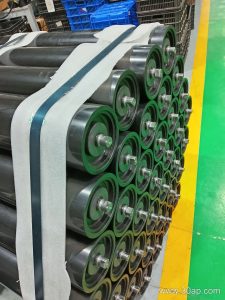
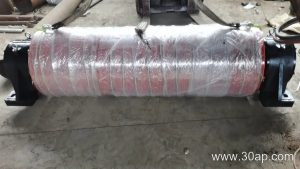
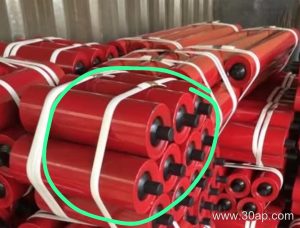
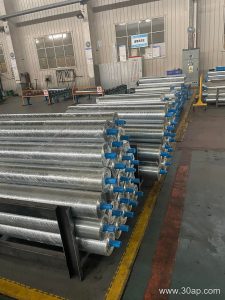
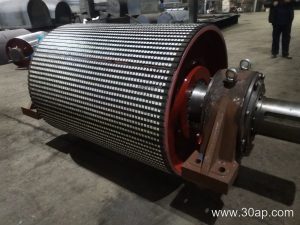
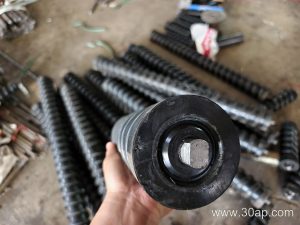
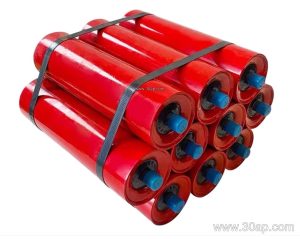
The belt runs over a conveyor pulley at the head and tail, supported by an idler roller set mounted on a conveyor bracket. Drive, tail, and bend pulleys are separate components with separate duties and are not interchangeable; belt selection should follow the pulley diameters and loading already defined for the conveyor.
Common Specifications at a Glance
The table below lists typical reference values. Treat them as examples, not fixed combinations or supply promises.
| Item | Common Reference Values |
|---|---|
| Fabric core type | EP conveyor belt, NN conveyor belt |
| Strength grade | EP200, EP400, EP630, EP800, EP1000 |
| Belt width | B500, B650, B800, B1000, B1200, B1400, B1600 |
| Cover thickness | 3+1.5, 4+2, 5+2, 6+2, 8+3 mm |
| Ply count | 2 to 6 plies |
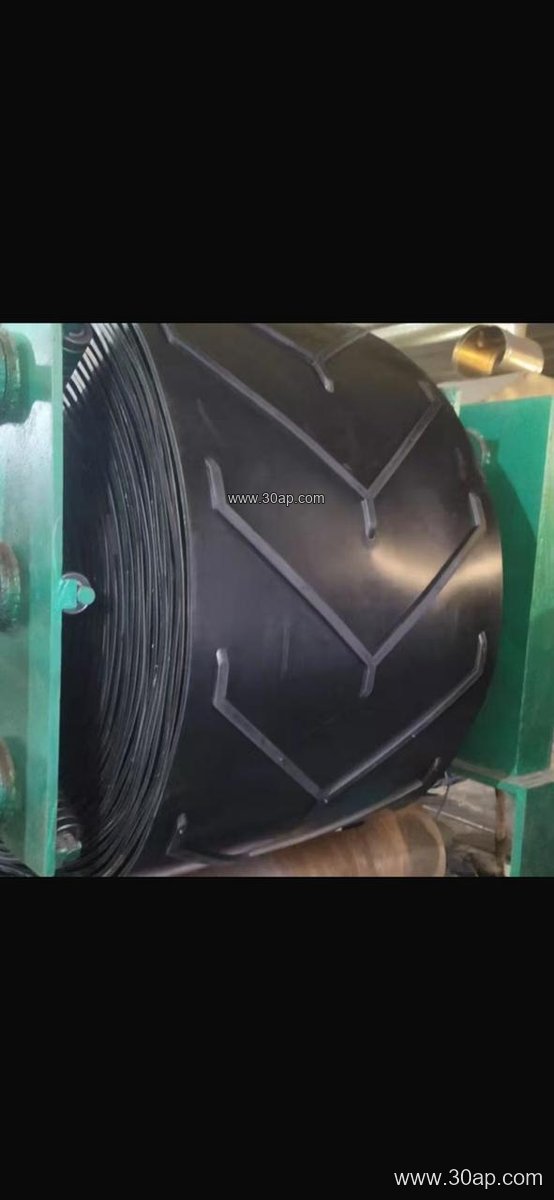
| Other options | Chevron conveyor belt pattern, corrugated sidewall, endless splice |
Selection and Use Notes
Start with the material: identify the oil type, its concentration, and the temperature. Light mineral oil and vegetable oil behave differently from solvents. Then confirm the strength grade and width against the conveyor layout, and check that the cover thickness matches the abrasion level. If the line also needs a chevron conveyor belt profile for incline, or a skirted conveyor belt for spill control, state that from the beginning.
During operation, keep the belt centered, maintain the idler roller and pulley alignment, and remove oil pools that sit on the surface for long periods. Store spare rolls away from sunlight and ozone sources. A properly matched oil resistant conveyor belt, combined with sound maintenance of pulleys, rollers, and brackets, supports stable conveying in demanding oily service.