What Is a Non-Standard Conveyor Pulley
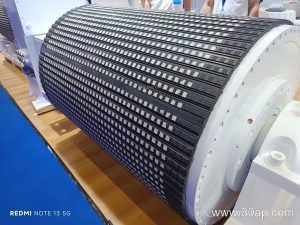
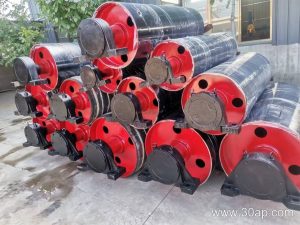
A non-standard conveyor pulley is a drum-shaped component built to fit a conveyor system that cannot use off-the-shelf dimensions or features. Unlike standard pulleys that follow common diameter and face width combinations, this custom pulley is engineered around the actual belt path, load profile, and space limits of the installation. In quarry and aggregate lines, for example, a crusher discharge conveyor often needs a pulley that matches a specific frame height and shaft center, so the OEM or end user requests a non-standard conveyor pulley rather than modifying the structure. The same applies in cement plants and power plant coal handling, where existing chutes and conveyor brackets leave little room for a catalog-size drum.
Because the pulley is made to order, the designer can adjust shell diameter, face width, shaft diameter, hub type, and surface covering together. This flexibility is the main reason a non-standard conveyor pulley is chosen over a standard one when a conveyor is being upgraded, rebuilt, or squeezed into a tight transfer point.
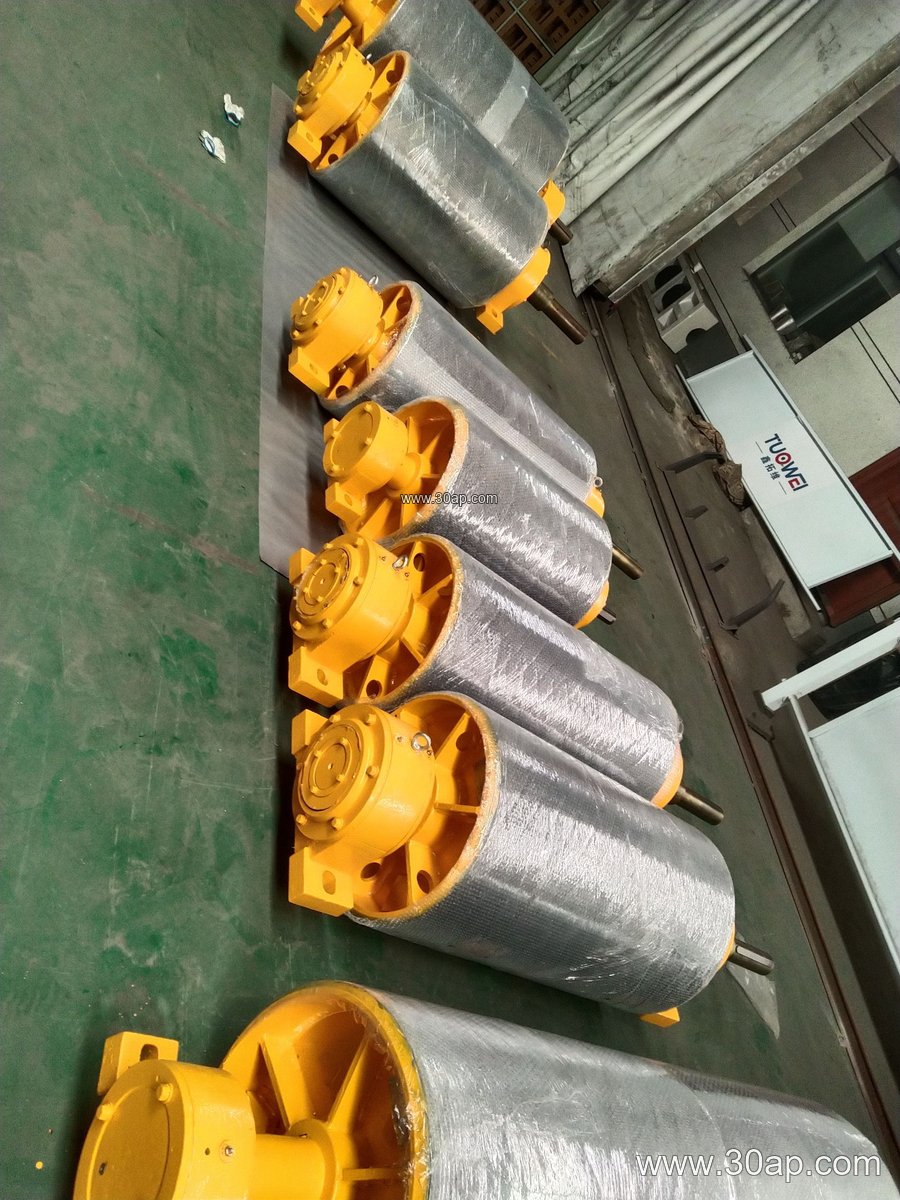
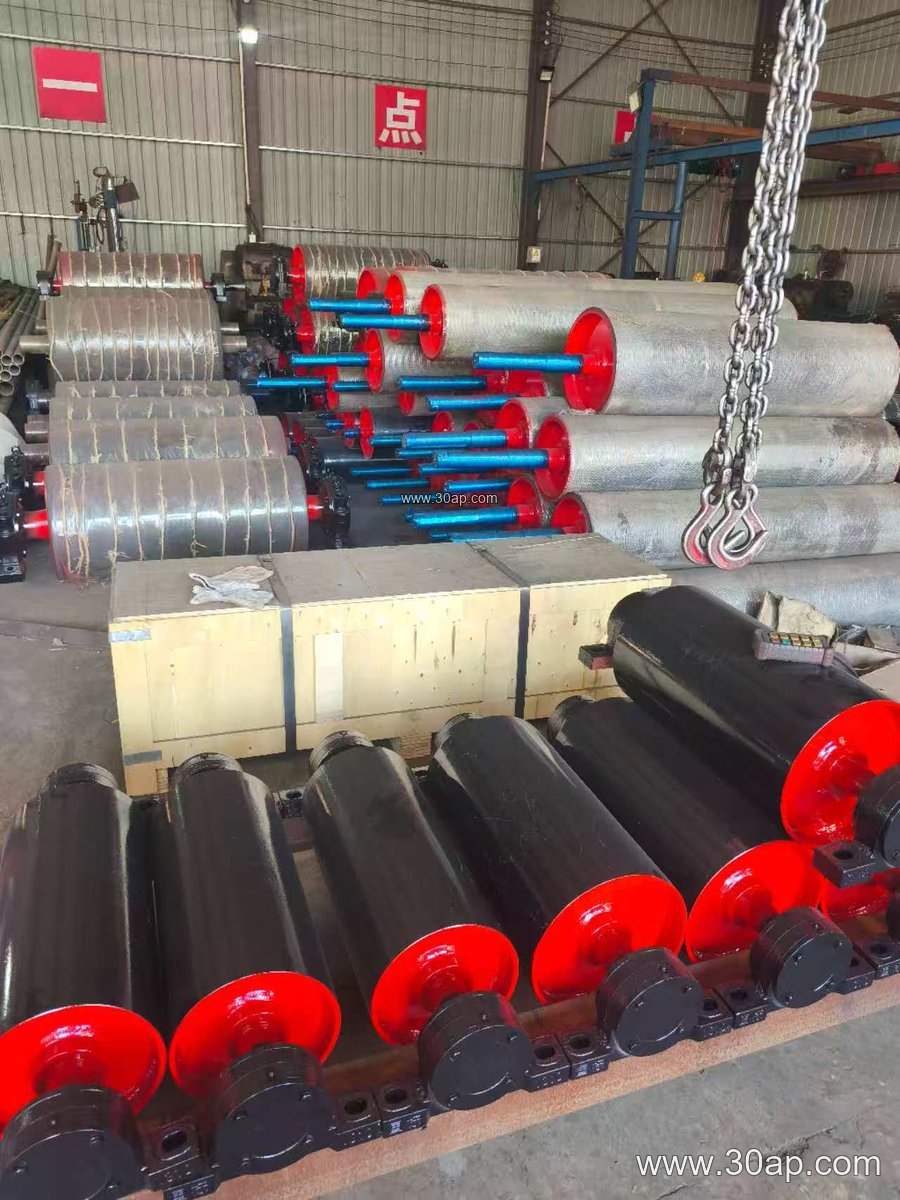
How a Custom Pulley Is Built
The basic construction follows the same logic as any conveyor pulley: a cylindrical shell, two end discs or hubs, a shaft, and a locking assembly or keyed connection. What changes is the freedom to size each part independently. A common example is a B1200 belt line that needs a larger than usual drum to increase contact arc; the builder may supply a non-standard conveyor pulley with a Ø1000 shell and a face width around 1400 mm, while the shaft diameter is set by torque calculations rather than by belt width alone. Shaft sizes such as Ø120, Ø140, or Ø160 may appear in such designs, but the final value always depends on the load case.
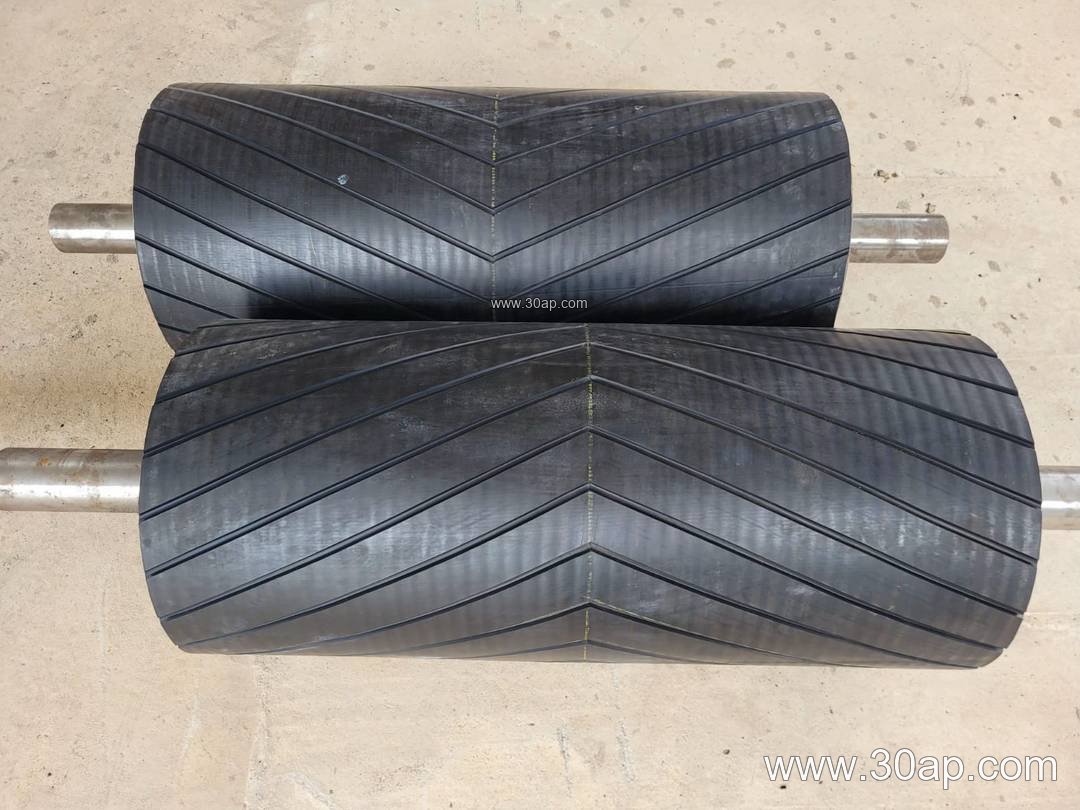
Surface treatment is another area where custom work matters. The pulley may be supplied with plain finish, hot-vulcanized rubber lagging, cold-bonded rubber, diamond groove lagging, herringbone lagging, or ceramic lagging. Lagging thickness is often 8 mm, 10 mm, 12 mm, 15 mm, or 20 mm, selected according to the abrasiveness of the material and the required friction. In a sand and gravel plant, a non-standard conveyor pulley with diamond lagging can help reduce slip on a short, steep incline, while a cement plant might prefer plain or lightly lagged drums in a dusty but less abrasive section.
Where It Fits in the Conveyor
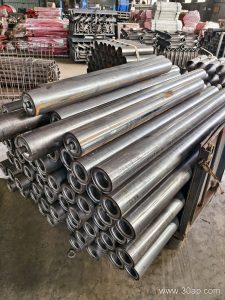
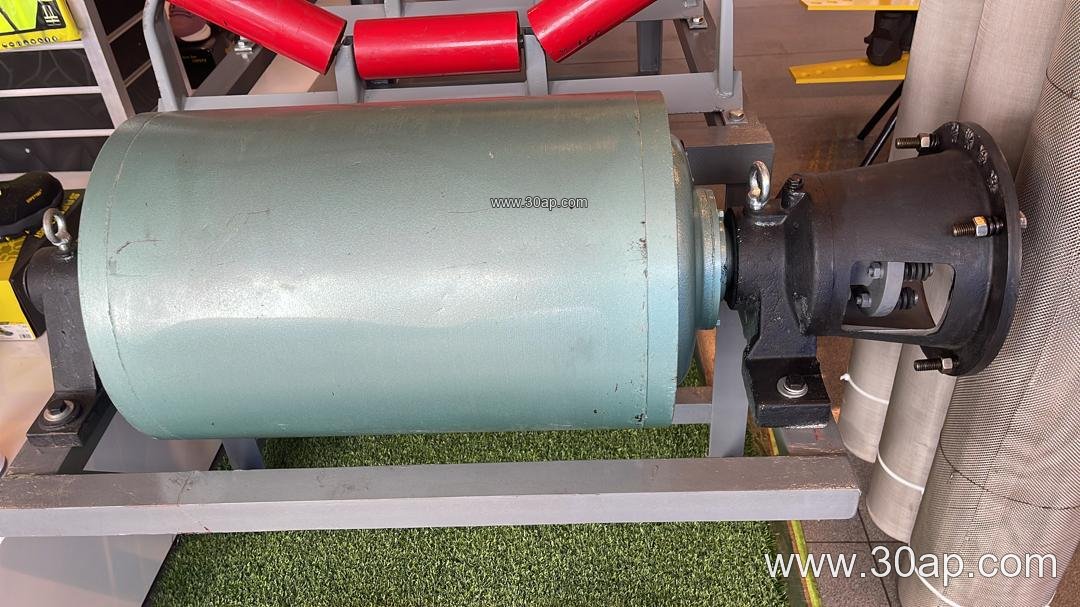
A non-standard conveyor pulley can serve at the head, tail, take-up, or bend position, but the function changes the design. At the head, the pulley drives or discharges the belt and must handle the full belt tension; at the tail, it often needs a robust bearing arrangement and good self-cleaning behavior. Take-up and bend positions may call for a lighter shell but precise face width to keep the belt centered. In underground coal mining and tunnel spoil removal, a non-standard conveyor pulley may be combined with a flame retardant conveyor belt and heavy-duty idler roller sets to handle wet, gritty conditions. The same custom drum can also appear in a port bulk terminal, a steel plant sinter line, or a fertilizer handling system, where the conveyor bracket spacing and belt width rarely match a standard catalog item.
Specification Examples and Selection Points
Buyers should treat any size list as reference data, not as a fixed supply promise. The table below shows typical ranges that may be considered during design; the final combination is confirmed by the pulley manufacturer after reviewing belt tension, speed, and shaft load.
| Parameter | Common reference values | Notes |
|---|---|---|
| Belt width (B) | B400, B500, B650, B800, B1000, B1200, B1400, B1600, B1800, B2000 | Face width usually exceeds belt width, for example B800 ≈ 950 mm, B1200 ≈ 1400 mm |
| Shell diameter | Ø200, Ø250, Ø315, Ø400, Ø500, Ø630, Ø800, Ø1000, Ø1250 | Selected by belt speed, tension, and space |
| Shaft diameter | Ø50, Ø60, Ø70, Ø80, Ø90, Ø100, Ø120, Ø140, Ø160 | Determined by torque and bearing load, not by belt width alone |
| Lagging thickness | 8, 10, 12, 15, 20 mm | Rubber, ceramic, or groove patterns available |
When specifying a non-standard conveyor pulley, provide the belt width, belt type, pulley position, expected tension, shaft center height, and any space restrictions. A rubber conveyor belt and an EP conveyor belt may require different friction coefficients, so lagging choice should be discussed together with the belt supplier. For heavy-duty mining conveyor belt applications, a steel cord conveyor belt may call for a larger drum diameter to limit bending stress, while a fabric core conveyor belt can often run on a smaller drum. The key is to match the pulley to the whole conveyor, not to copy a single dimension.
Buyer Checklist
- Confirm the actual belt width and whether the belt is a chevron conveyor belt, skirted conveyor belt, or corrugated sidewall conveyor belt, as these affect pulley face width and clearance.
- State the pulley function clearly: drive, tail, bend, or take-up. These are not interchangeable, and each has different load and lagging requirements.
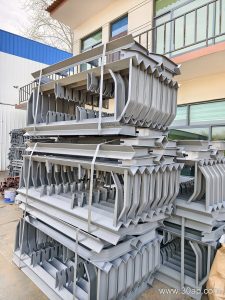
- Provide shaft and bearing data from the conveyor frame, including conveyor bracket dimensions, so the custom pulley fits without field modification.
- Review lagging type and thickness against material abrasiveness; a high abrasion resistant conveyor belt in a quarry may pair well with ceramic or thick rubber lagging.
- Ask for a drawing review before manufacturing, especially when the non-standard conveyor pulley will replace an existing unit in a coal mining conveyor belt or ore conveyor belt system.
For more information on matching pulleys with belts, idler rollers, and conveyor brackets, visit www.example.com/conveyor-pulley or www.example.com/non-standard-conveyor-pulley. A well-specified custom drum helps keep the belt tracking properly and reduces unplanned downtime in demanding industries such as mining, cement, and power generation.