What a Carrying Idler Does on the Line
A carrying idler is the rotating roller assembly that supports the loaded side of a conveyor belt. On a troughed conveyor, the belt sits inside a three-roll arrangement, and these troughing idlers hold the belt in a cradle shape so bulk material stays centered instead of spilling over the edges. In a quarry, a cement plant, or a power plant coal yard, the carrying idler is the part that takes the daily wear from the belt and the load above it. It is often called a troughing roller or upper idler, and that equivalent name refers to the same product.
Where the belt turns at the head, the belt wraps around the drive pulley; at the tail it passes the tail pulley; mid-run, it rests on carrying idlers. These parts are not interchangeable, and the carrying idler should not be confused with a bend pulley or a return idler.
How the Roller Is Built
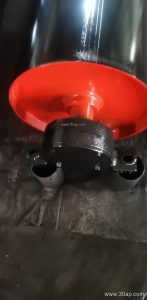
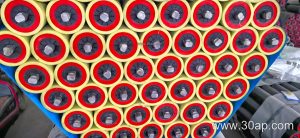
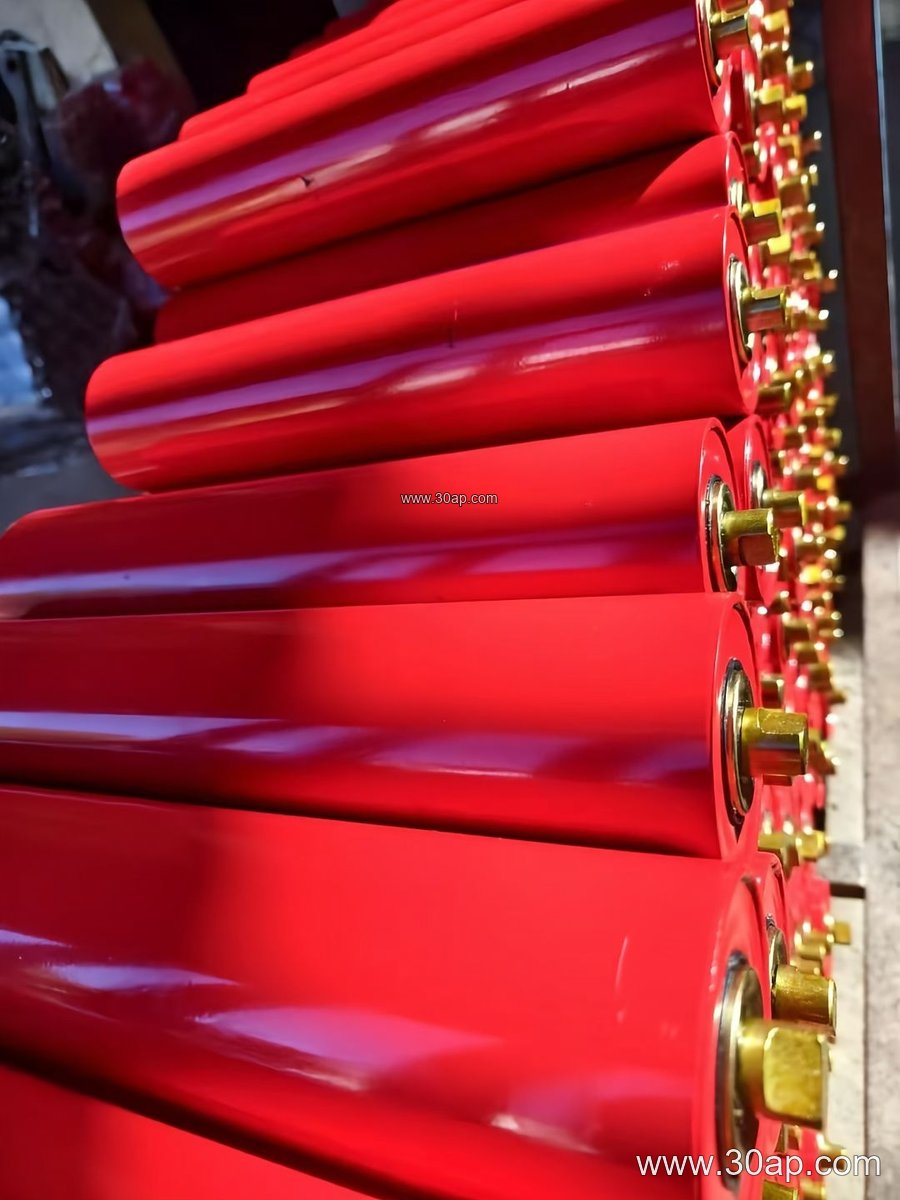
A typical carrying idler uses a steel tube shell, a shaft, bearing housings, and a sealing system. The shell may be plain steel, nylon-coated, ceramic-covered, or fitted with rubber rings. Bearings such as 6204, 6205, 6305, 6306, 6308, or 6310 are common, but the bearing is chosen by load and speed, not by roller diameter alone. Sealing matters in dusty service, because grit that reaches the bearing shortens life quickly.
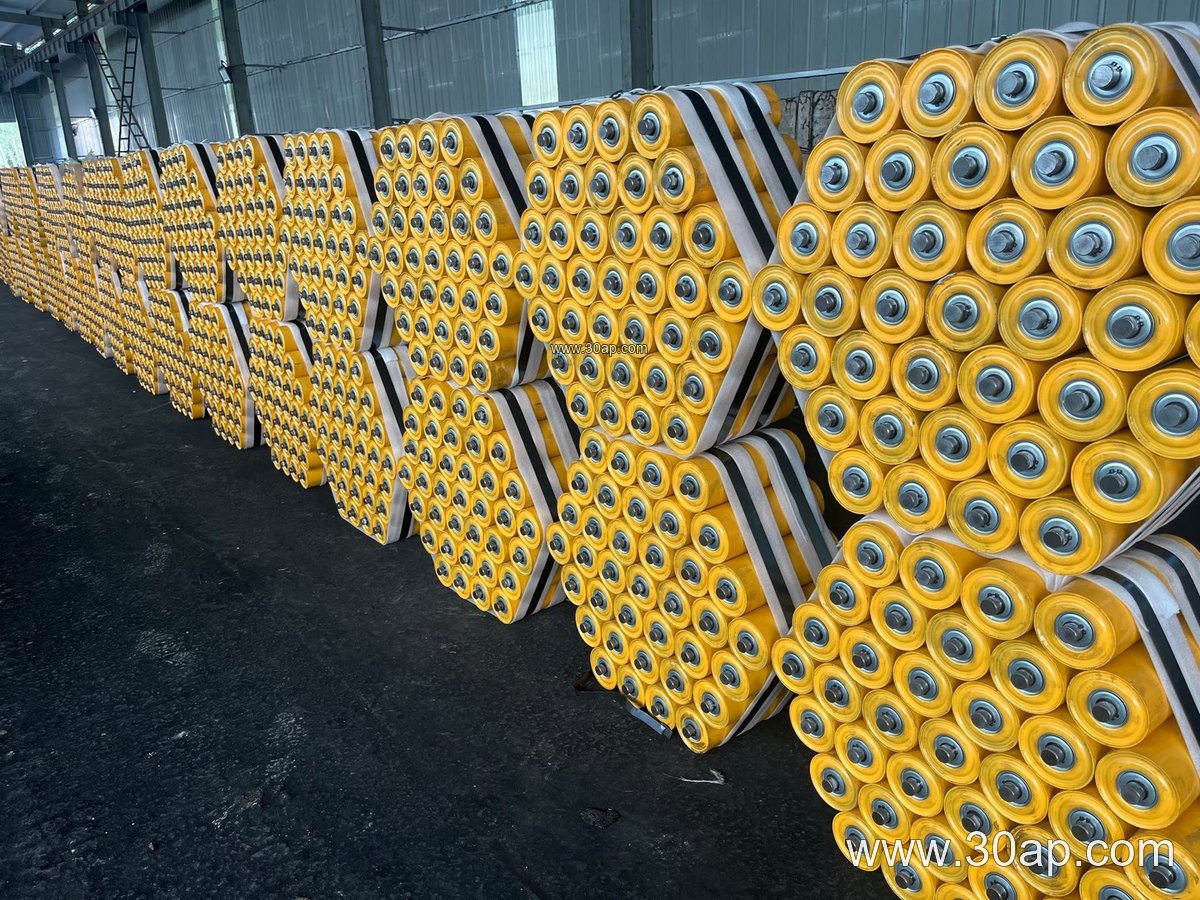
Roller diameter and belt width are separate choices. A Ø89 or Ø108 roller may appear on a narrow aggregate line, while Ø127, Ø133, Ø159, or Ø178 rollers are common on heavier belts. Belt widths run from B400 and B500 up to B2000 and beyond, but no single roller size is mandatory for a given belt width.
Common Forms and Where They Fit
- Troughing idler set: single-roll, two-roll, or three-roll; three-roll sets are usual on bulk lines.
- Transition idler: placed near the head or tail to ease the belt from flat to troughed.
- Impact idler or rubber-ring impact roller: used under a loading point to absorb drop energy.
- Self-aligning idler: friction or tapered types that help correct belt drift.
- Spiral idler: sometimes used where sticky material builds up on the shell.
Trough angles of 20, 30, 35, and 45 degrees are common, and a slight forward tilt of about 1.5 to 2 degrees is sometimes used on aligning rolls. The correct angle depends on material and belt stiffness.
Reference Dimensions for Early Planning
The table below is a planning reference only. Roll length varies with belt width, trough angle, and roll position; side rolls and center rolls can differ.
| Belt width | Typical center roll length (three-roll set) |
|---|---|
| B500 | about 200 mm |
| B650 | about 250 mm |
| B800 | about 315 mm |
| B1000 | about 380 mm |
| B1200 | about 465 mm |
| B1400 | about 530 mm |
| B1600 | about 600 mm |
| B1800 | about 670 mm |
| B2000 | about 750 mm |
Roller diameters to discuss with a supplier include Ø63, Ø76, Ø89, Ø102, Ø108, Ø127, Ø133, Ø159, Ø178, Ø194, and Ø219. These are reference ranges, not a fixed match to any belt.
Matching the Idler to the Belt and the Duty
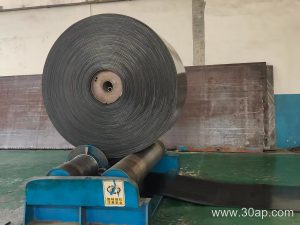
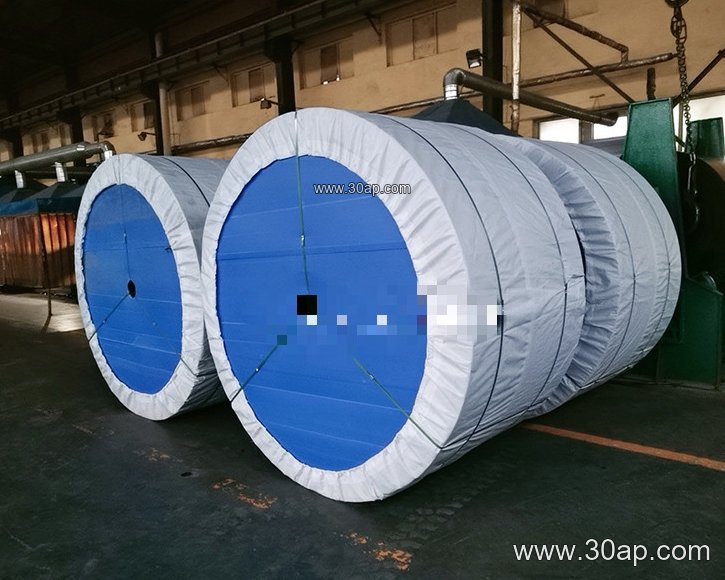
The belt and the idler work as a pair. A heavy-duty mining conveyor belt carrying ore needs a robust shell and bearing; a heat resistant conveyor belt in a cement kiln area may need heat-tolerant seals and lubricant. In a coal mine, a flame retardant conveyor belt is often specified, and the idlers should suit the same environment. An abrasion resistant conveyor belt on a crusher conveyor belt line puts constant grit near the seals, so sealing quality deserves attention.
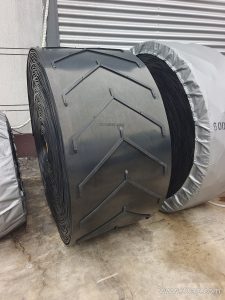
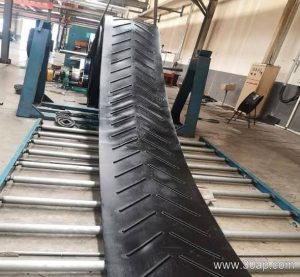
For long overland runs, an EP conveyor belt or steel cord conveyor belt may carry high tension, and the idler spacing is set by sag and load rather than by habit. On a pipe conveyor belt, the roll arrangement is different and should not be treated as a standard troughed set. A chevron conveyor belt or corrugated sidewall conveyor belt needs clearance and roll placement that avoid rubbing the cleats.
Buyer Checklist
- Confirm belt width, trough angle, and roll length, not just roller diameter.
- State the material, lump size, and loading method so impact idlers can be considered.
- Ask about bearing size, seal type, and shell thickness.
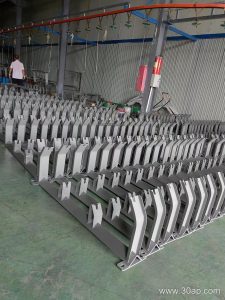
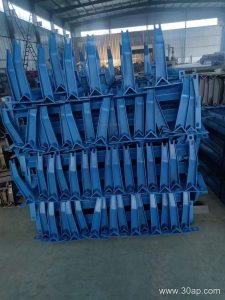
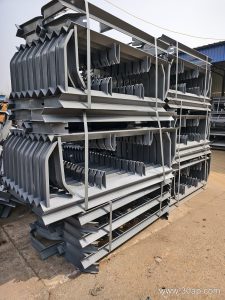
- Check that the conveyor bracket and frame match the idler shaft ends.
- Plan inspection intervals for alignment, noise, and shell wear.
For buyers sourcing through a conveyor components supplier, the carrying idler is a small part with a large effect on belt life. A well-chosen troughing roller keeps the belt tracking, protects the edge, and reduces downtime in quarry, coal, cement, and power plant service. More selection notes for conveyor belt, idler roller, conveyor pulley, and conveyor bracket systems are available on the site.