What a Return Idler Bracket Does
A return idler bracket is the support component that carries the idler rollers on the return strand of a belt conveyor. While the carrying side handles the loaded belt, the return side supports the empty belt as it travels back toward the tail pulley. The bracket holds each return roller at the correct height and spacing so the belt runs smoothly instead of sagging between supports.
On many conveyors this part is simply called a return bracket or lower bracket, and it is usually bolted to the conveyor frame stringers. In a quarry or a crushed-stone line, a poorly supported return strand causes belt flap, edge wear, and material spillage, so the bracket is a small but important piece of the whole conveyor structure.
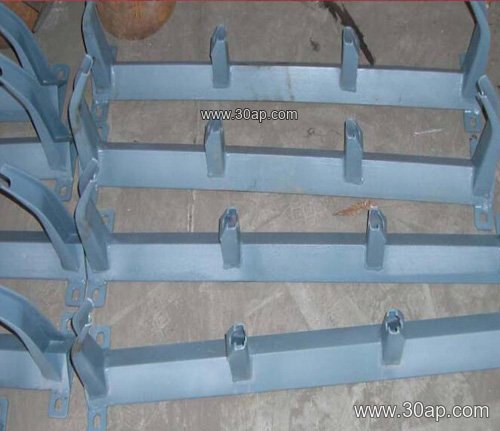
Construction and Common Forms
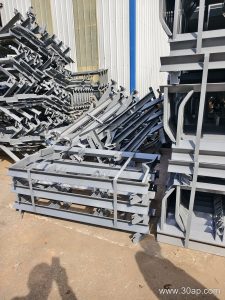
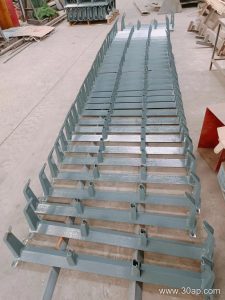
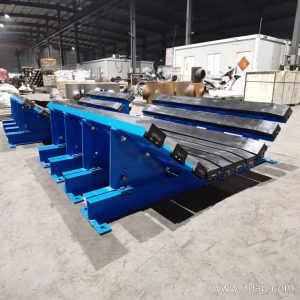
Most return brackets are fabricated from angle steel, channel steel, or folded steel plate, then drilled or punched for mounting bolts and roller shafts. Two common arrangements exist. A flat return bracket holds a single horizontal roller under the belt. A V-shaped return bracket holds two rollers set at an angle, which helps center the belt and reduce misalignment on long runs. Some designs are fixed, while adjustable versions allow the roller position or angle to be corrected during installation.
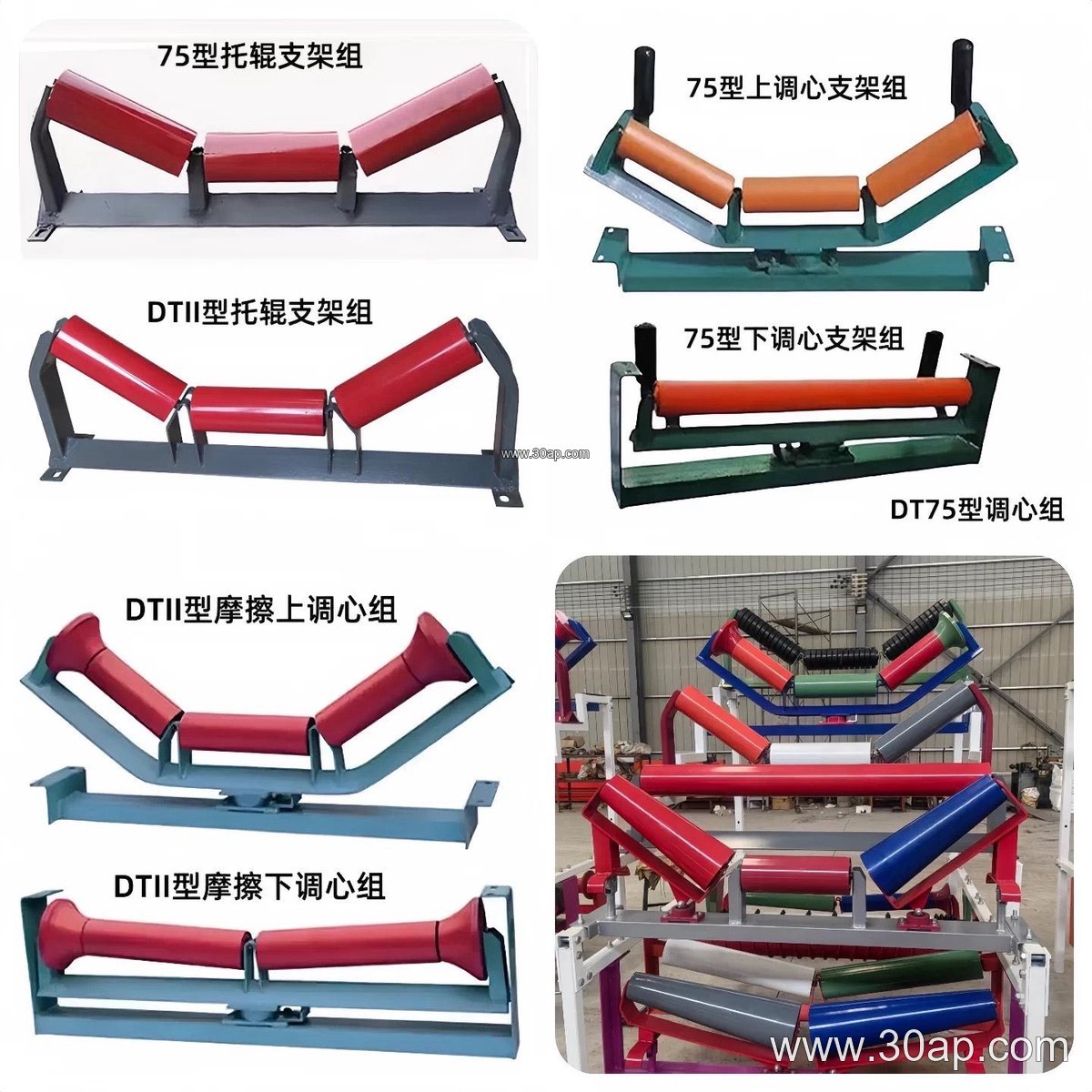
Fabricators normally match the bracket to the belt width and roller diameter used on that conveyor. Typical roller diameters include Ø89, Ø108, Ø133, Ø159, and Ø194 mm, and bracket mounting dimensions are usually confirmed against the actual frame drawing rather than assumed.
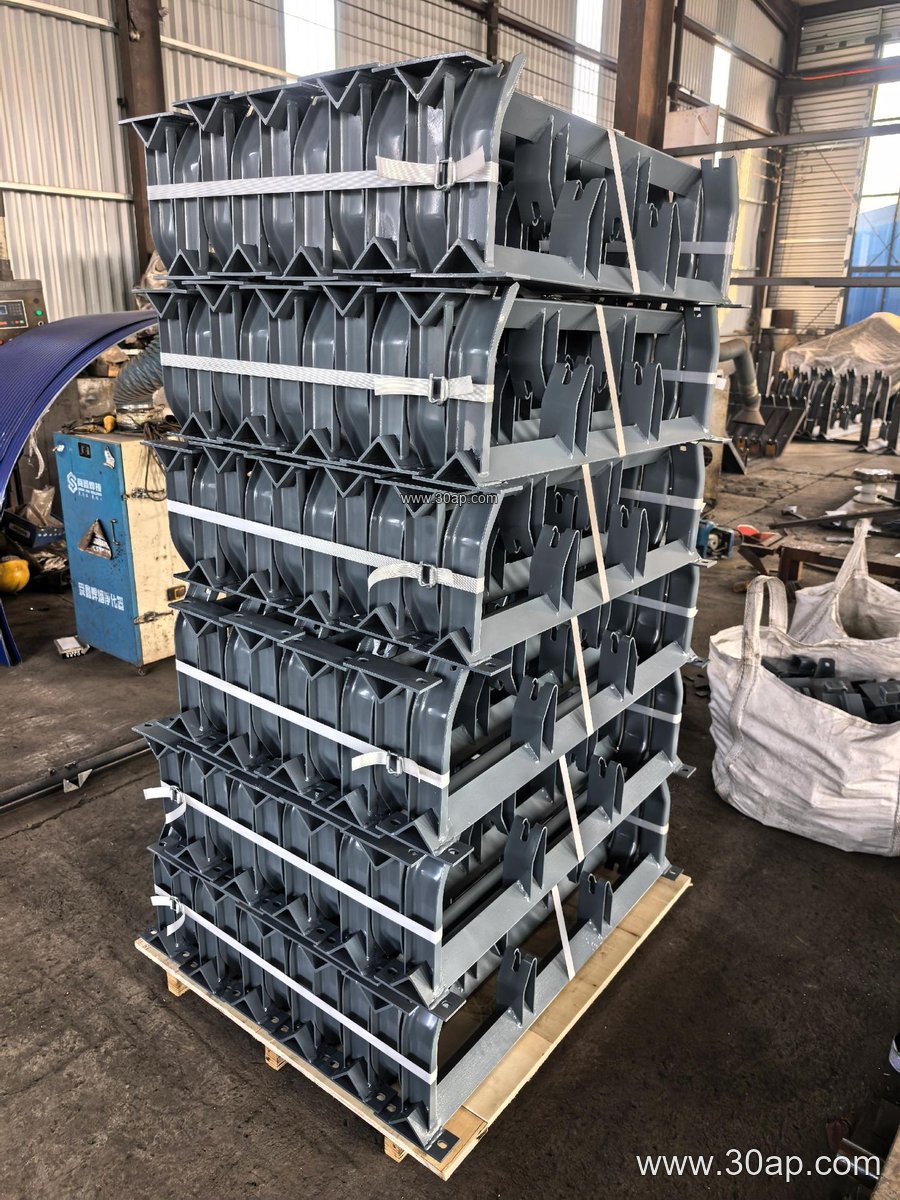
Where It Fits in the Conveyor
The return bracket sits between the carrying idlers and the tail pulley, spaced at intervals along the return run. In a coal handling plant, a cement plant, or a power station coal yard, these brackets are repeated many times along the line, so consistent spacing matters. If the spacing is too wide, the belt sags and rubs; if it is too tight, cost and maintenance effort rise without benefit.
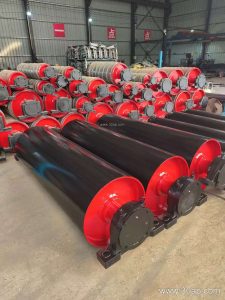
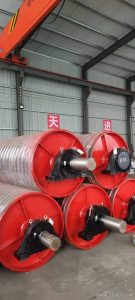
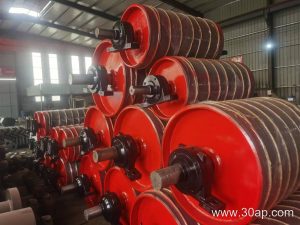
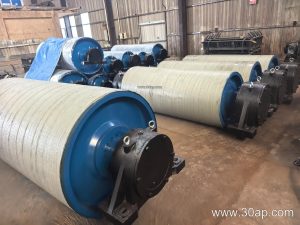
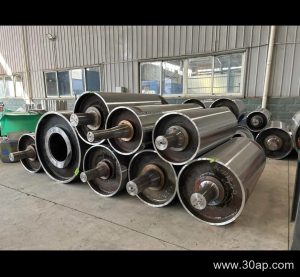
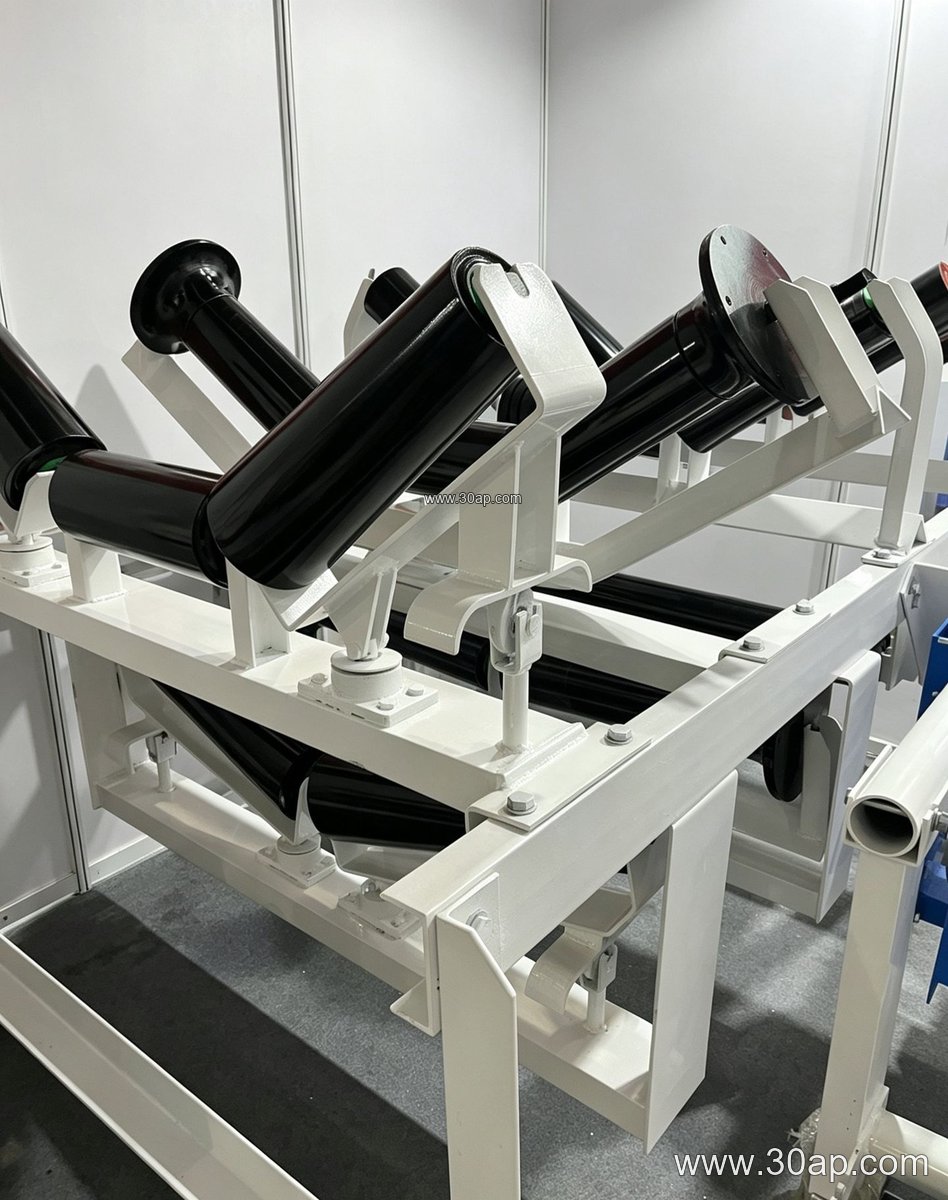
The bracket works together with the conveyor belt, idler roller, and conveyor pulley. The belt rides on the rollers, the rollers sit in the bracket, and the pulley at the head or tail drives or redirects the belt. A return idler bracket does not drive or tension the belt, and it should not be confused with the pulleys themselves. Drive, tail, and bend pulleys have different functions and are not interchangeable with this support part.
Belt Width and Bracket Selection
Selection starts with the belt width, because the bracket span and mounting hole spacing follow the frame. Common belt widths include B500, B650, B800, B1000, B1200, B1400, B1600, B1800, B2000, B2200, and wider. A bracket for a B800 belt is not the same as one for a B1400 frame, even if both use the same roller diameter.
| Belt Width | Typical Roller Diameter | Bracket Note |
|---|---|---|
| B500 / B650 | Ø89 / Ø108 | Light to medium return load |
| B800 / B1000 | Ø108 / Ø133 | Common in aggregate and cement lines |
| B1200 / B1400 | Ø133 / Ø159 | Heavier belt, wider frame |
| B1600 / B1800 | Ø159 / Ø194 | Large mining and port conveyors |
These pairings are examples only. The correct combination depends on belt weight, load, speed, and frame design, and the mounting hole distance and crossbeam length change with belt width and bracket type.
Installation and Maintenance Points
- Check that the bracket is square to the frame so the roller axis stays perpendicular to belt travel.
- Keep bracket spacing uniform; uneven spacing is a common cause of return belt wander.
- Use bolts of the correct grade and retighten after the first run-in period.
- Inspect for bent or corroded brackets during routine idler roller checks.
- On V-return brackets, confirm both rollers sit at the intended angle.
Buyers should confirm belt width, roller diameter, bracket type, material, and mounting dimensions before ordering. For a mining conveyor belt running heavy ore, a heavier bracket and larger roller may be needed, while a food grade conveyor belt line may call for a cleaner, lighter support. Matching the bracket to the actual frame drawing avoids field modifications and keeps the return strand running true.