What an Idler Shaft Does
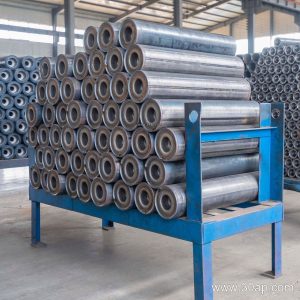
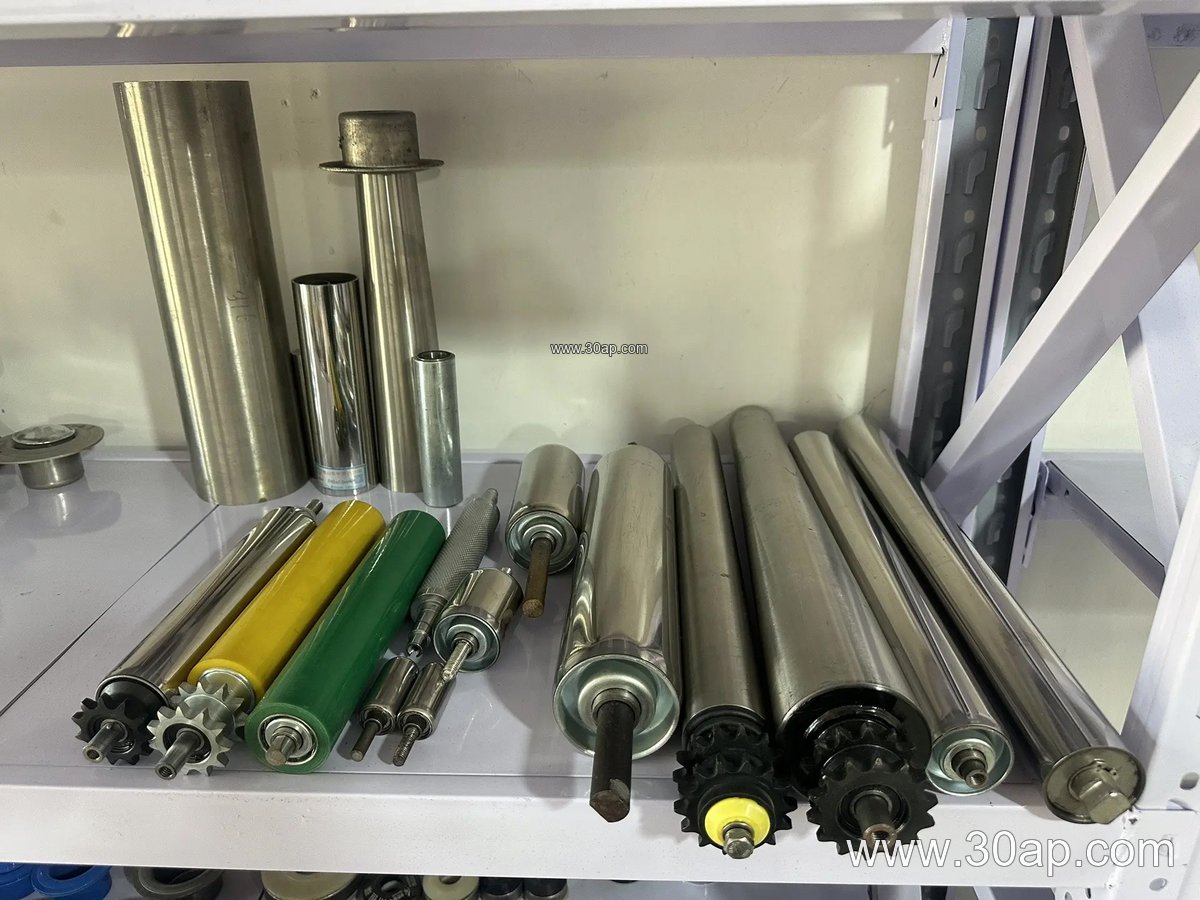
An idler shaft is the central axle that carries the rotating shell of a conveyor idler roller. In a belt conveyor, the shaft does not turn with the shell in most designs; it stays fixed to the conveyor bracket while the roller shell rotates on bearings mounted at each end. This fixed-shaft arrangement keeps the belt supported and rolling freely along the carrying and return sides of the conveyor. The shaft transfers the load from the belt and material down to the bracket, so its diameter, material, and end configuration must match the roller and the frame it sits in.
Although the idler shaft is a small component, it directly affects how smoothly an idler roller turns and how long the roller lasts in a quarry, cement plant, or power plant coal handling line. A shaft that is too weak for the load will deflect, and a shaft with poor machining at the bearing seats will cause vibration and premature bearing failure.
Construction and Common Features
Most idler shafts are made from round carbon steel bar, often cold drawn or turned to size. The ends are machined to fit the conveyor bracket, usually with milled flats, a drilled hole, or a threaded end for a retaining pin. Bearing seats are ground to a tolerance that suits the bearing bore. Common bearing numbers used in idler rollers include 6204, 6205, 6305, 6306, 6308, and 6310, but the shaft diameter should be chosen from the bearing bore and load, not from belt width alone.
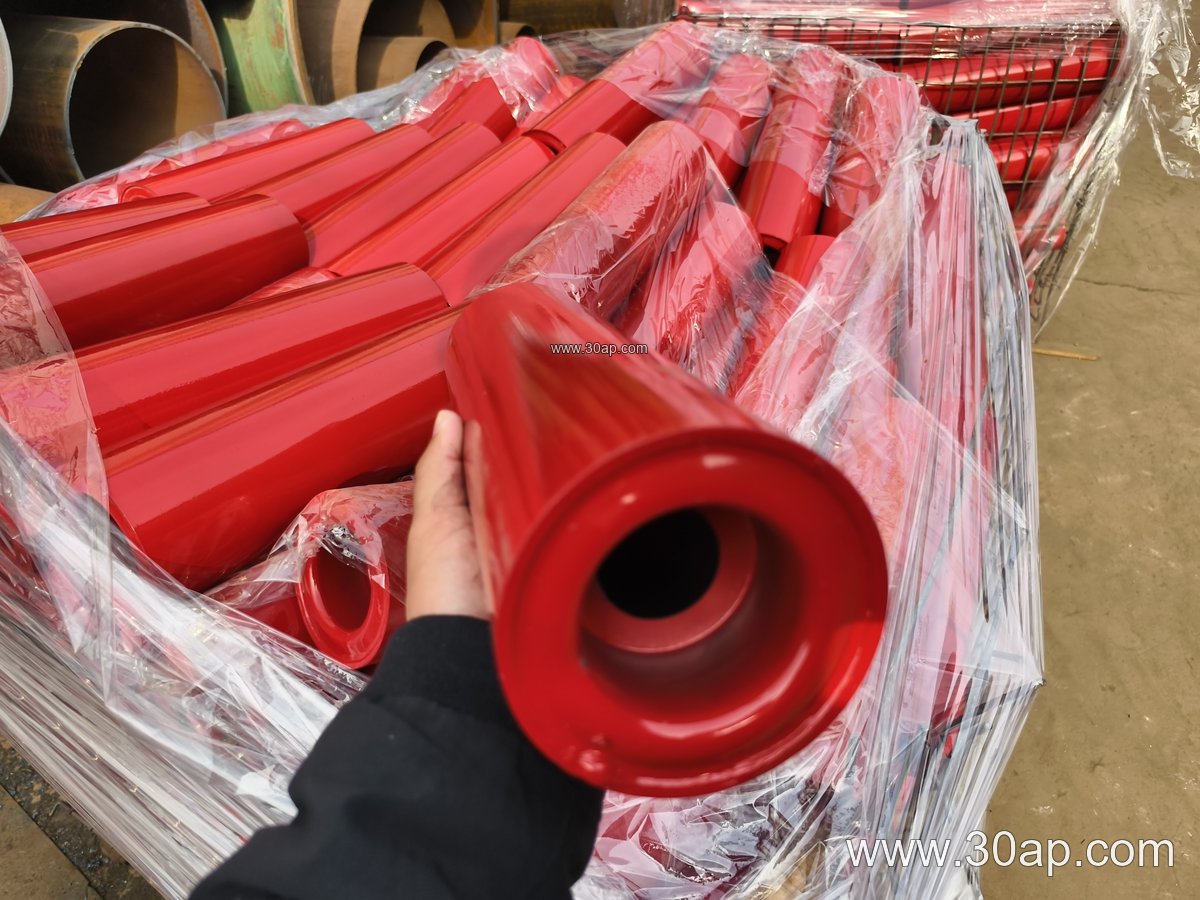
Surface treatment matters in wet or corrosive service. Some shafts are painted, zinc plated, or given a protective coating to resist rust in washdown areas or coastal ports. The shaft should be straight, with clean bearing shoulders that locate the bearing inner ring firmly.
Matching Shaft to Roller and Belt Width
Buyers often ask how to match an idler shaft to a belt width. The shaft length is set by the roller length, which in turn depends on the belt width and the idler group form. For a three-roll troughing set, common roller lengths are roughly 200 mm for B500, 250 mm for B650, 315 mm for B800, 380 mm for B1000, 465 mm for B1200, 530 mm for B1400, 600 mm for B1600, 670 mm for B1800, and 750 mm for B2000. These are examples only; side rollers and center rollers can differ, and the final shaft length must follow the roller drawing.
The table below lists typical reference data for idler roller diameters and belt widths. It is not a fixed selection chart, and no single belt width requires one shaft diameter.
| Reference item | Common values |
|---|---|
| Roller diameter | Ø63, Ø76, Ø89, Ø102, Ø108, Ø127, Ø133, Ø159, Ø178, Ø194, Ø219 mm |
| Belt width | B400, B500, B650, B800, B1000, B1200, B1400, B1600, B1800, B2000, B2200, B2400 |
| Trough angle | 20°, 30°, 35°, 45° |
| Roller surface | Steel tube, nylon, ceramic, rubber ring |
When the conveyor uses a heavy-duty mining conveyor belt or a steel cord conveyor belt carrying iron ore, the idler shaft and bearing assembly must be sized for the higher load. In a coal mining conveyor belt application, flame retardant and anti-static properties are usually specified for the belt, while the idler shaft still needs enough strength and corrosion protection for the underground environment.
Where Idler Shafts Are Used
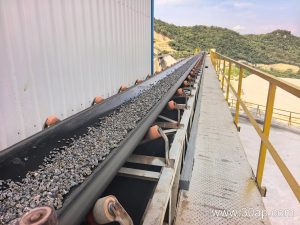
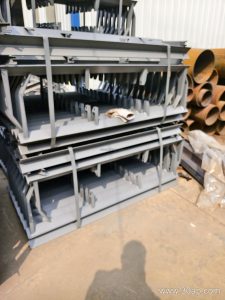
Idler shafts appear wherever a belt conveyor runs on idlers: aggregate conveyor lines, cement plant clinker transport, power plant coal yards, and port ship loading conveyors. In a limestone quarry, troughing idlers on the carrying side use shafts that fit three-roll frames, while return idlers use shorter shafts for flat or V-return rollers. Transition idlers near the head and tail pulleys may need different shaft lengths to guide the belt smoothly.
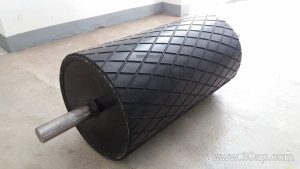
It is worth noting that drive pulleys, tail pulleys, and bend pulleys are separate products and are not interchangeable with idler shafts or idler rollers. A conveyor pulley is a powered or redirecting drum, while an idler shaft supports a free-rolling roller. The two work together in the same conveyor but have different design requirements.
Buyer Checklist
- Confirm the roller drawing: shaft length, end form, and bearing seat size.
- State the belt width and idler group type so the supplier can match the roller length, not guess from belt width alone.
- Specify the environment: dust, water, coal dust, or corrosive atmosphere, so the shaft coating and bearing seal suit the site.
- Check that the shaft material and diameter suit the load from the conveyor belt and material, especially for high abrasion resistant conveyor belt service in ore and rock handling.
- Ask for dimensional inspection of bearing seats and end flats before installation.
For more information on idler rollers, conveyor brackets, and compatible belt products such as EP conveyor belt or rubber conveyor belt, visit our site at www.example.com/idler-shaft. Proper shaft selection keeps the belt tracking stable and reduces downtime in demanding industries.