What a Quarry Conveyor Belt Has to Handle
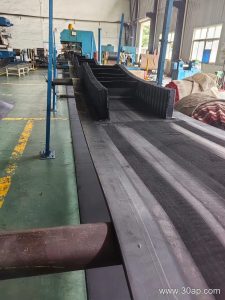
A quarry conveyor belt is the load-carrying element in the crushing and screening circuit of a hard rock site. It links the primary crusher, screens, stockpiles and load-out points, moving run-of-quarry stone, crushed aggregate and sometimes wet or dusty fines. The duty is rarely gentle: sharp-edged rock, lumpy feed from a jaw or impact crusher, abrasive dust and outdoor weather all act on the same rubber surface. That is why a quarry conveyor belt is usually specified as a heavy-duty, abrasion resistant conveyor belt rather than a general-purpose fabric belt.
The working environment also shapes the choice. Mines, coal preparation plants, cement works, power stations and sand and gravel yards each stress the belt differently, and a quarry sits somewhere between an open pit mine and a construction materials plant. A belt that performs well on a clean, controlled line may struggle where material is dropped from height and where the belt is expected to survive impact, edge wear and occasional spillage.
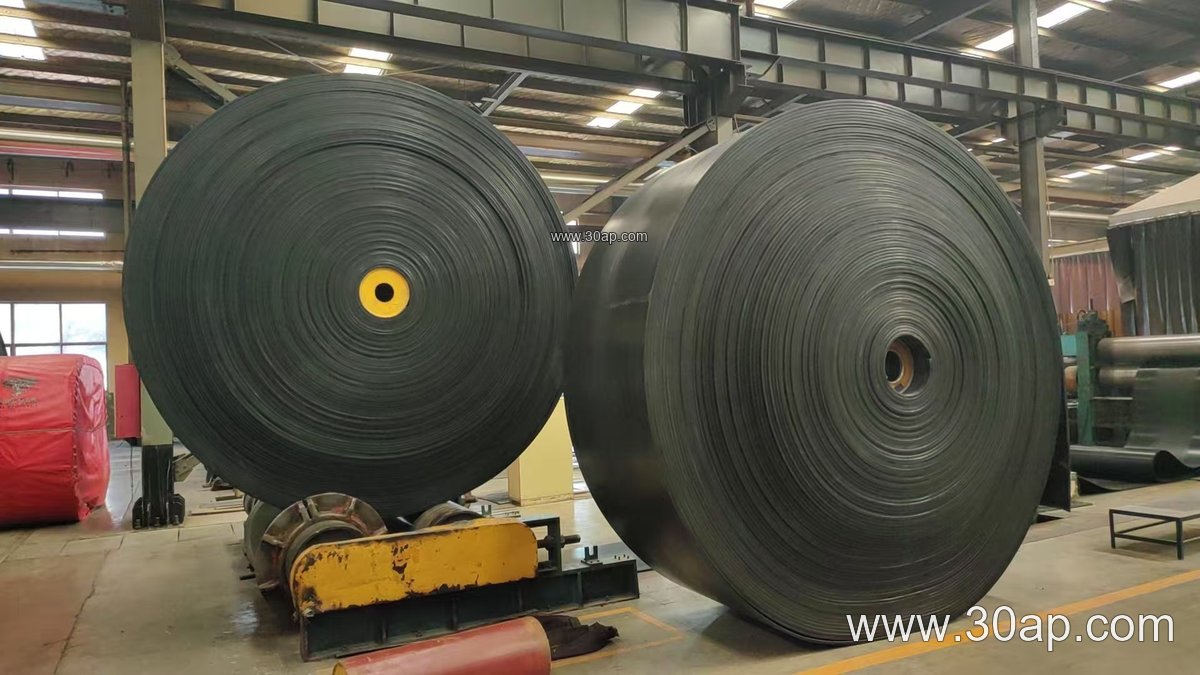
Construction of the Belt
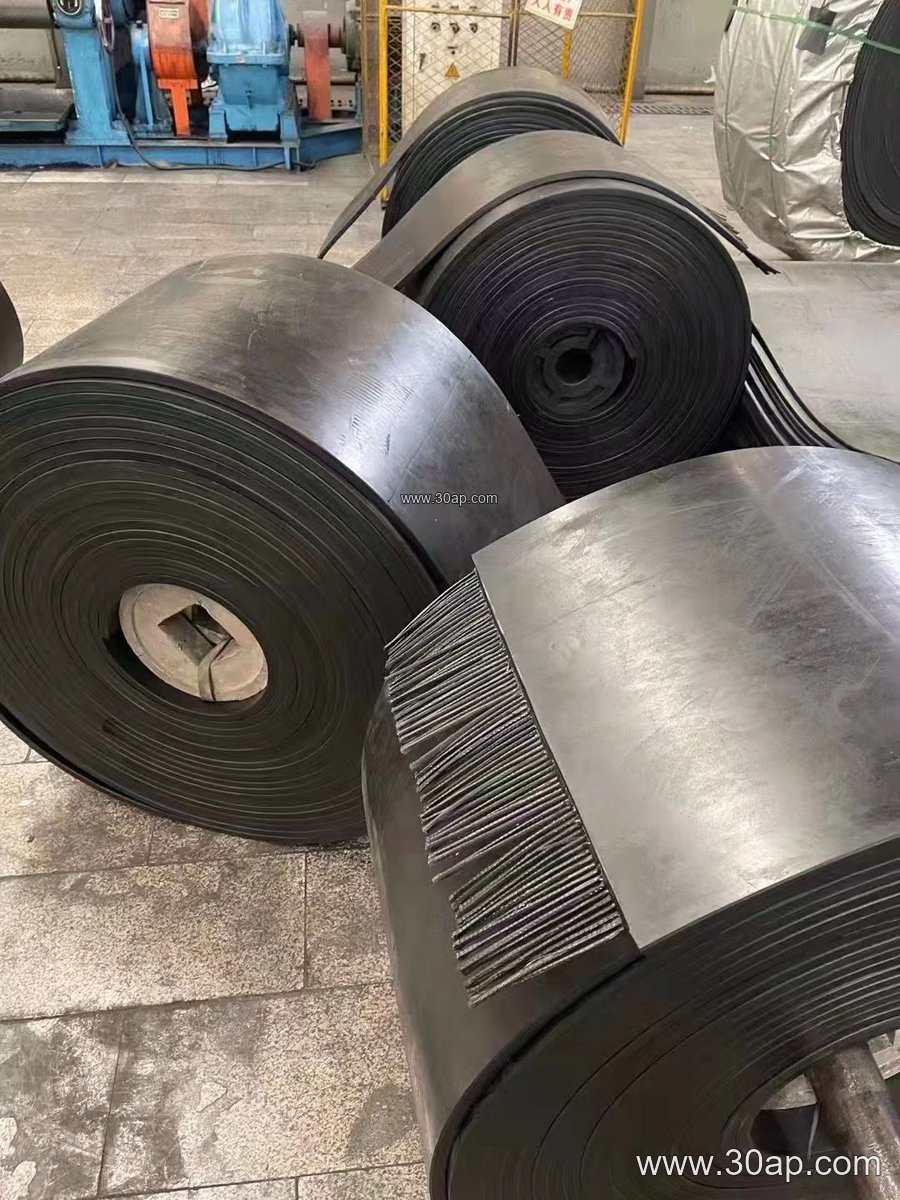
Most quarry belts are built from a rubber cover on both faces and a tension-bearing carcass in the middle. The carcass carries the pull, while the covers protect the carcass from cutting, abrasion and moisture. Common carcass options include:
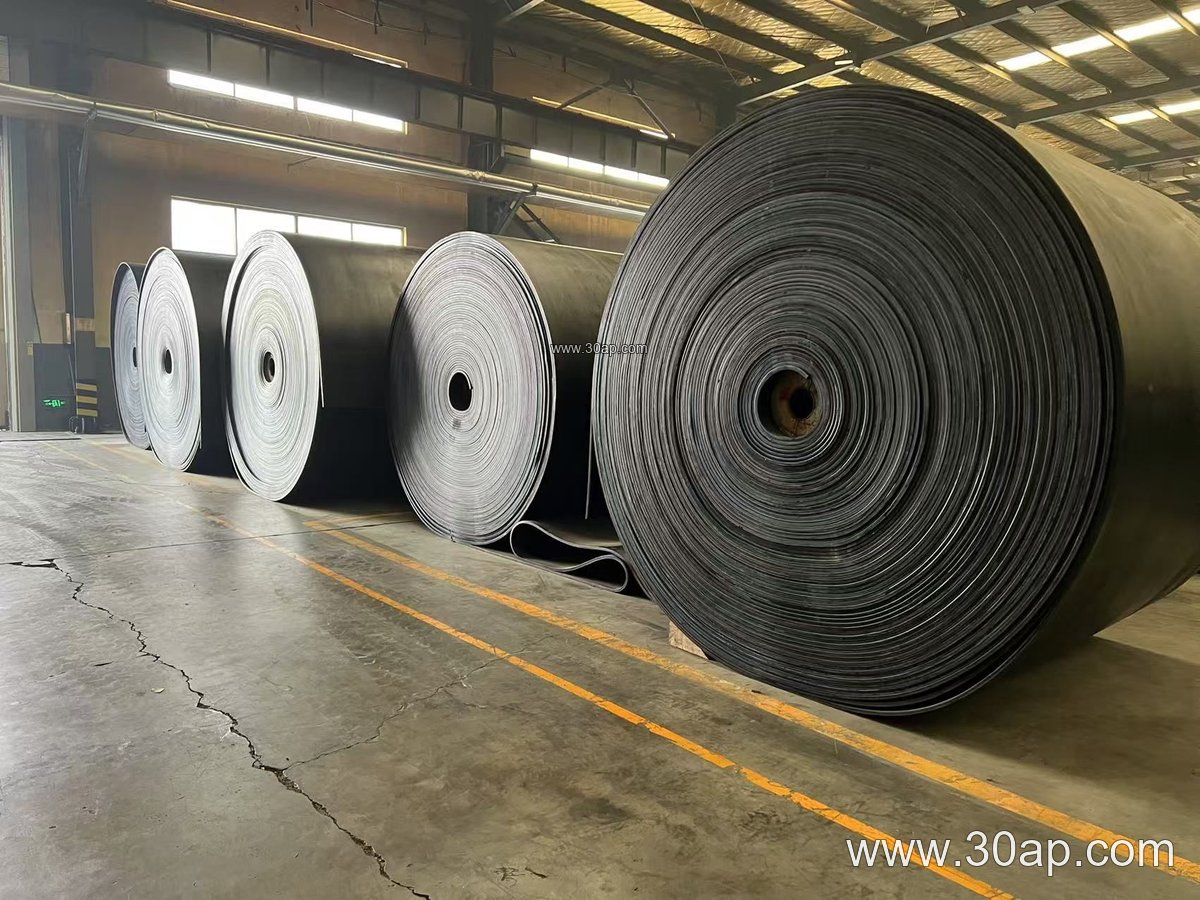
- EP conveyor belt with polyester-nylon fabric plies, widely used for general quarry and aggregate duty.
- NN conveyor belt with nylon-nylon plies, chosen where higher flexibility and impact absorption are useful.
- Multi-ply fabric core conveyor belt, where several plies are combined to reach the required strength.
- Steel cord conveyor belt, used on long, high-capacity trunk lines in large mines and quarries.
The cover thickness and grade matter as much as the carcass. Abrasion resistant grades are the default for crushed stone, while a heat resistant conveyor belt may be needed after a dryer or in cement-related service. Where dust and static are a concern, an anti-static conveyor belt is often requested, and underground or enclosed installations may call for flame retardant conveyor belt constructions.
Common Reference Data
The figures below are typical reference values, not fixed rules. Final specifications are set by the conveyor designer and confirmed with the belt supplier.
| Item | Common reference values |
|---|---|
| Fabric carcass strength | EP200, EP315, EP400, EP500, EP630, EP800, EP1000, EP1250, EP1600, EP2000 |
| Belt width | B500, B650, B800, B1000, B1200, B1400, B1600, B1800, B2000 |
| Cover thickness (top + bottom) | 3+1.5, 4+2, 5+2, 6+2, 8+3 mm |
| Fabric plies | Usually 2 to 6 layers |
Strength class and width are independent design choices. A wider belt does not automatically dictate a particular pulley diameter, and shaft size must be calculated from the actual loads, not guessed from belt width.
Where the Belt Fits in the Circuit
In a stone crushing plant, the primary discharge belt is often the most punishing position because it receives material straight from the crusher. A crusher conveyor belt here needs good impact resistance, and a thicker top cover or impact idlers under the loading point can extend service life. Secondary and screen discharge belts handle smaller, sharper aggregate and are classic abrasion resistant conveyor belt territory. Stockpile and load-out belts may run at an incline, where a chevron conveyor belt or a corrugated sidewall conveyor belt can help retain material.
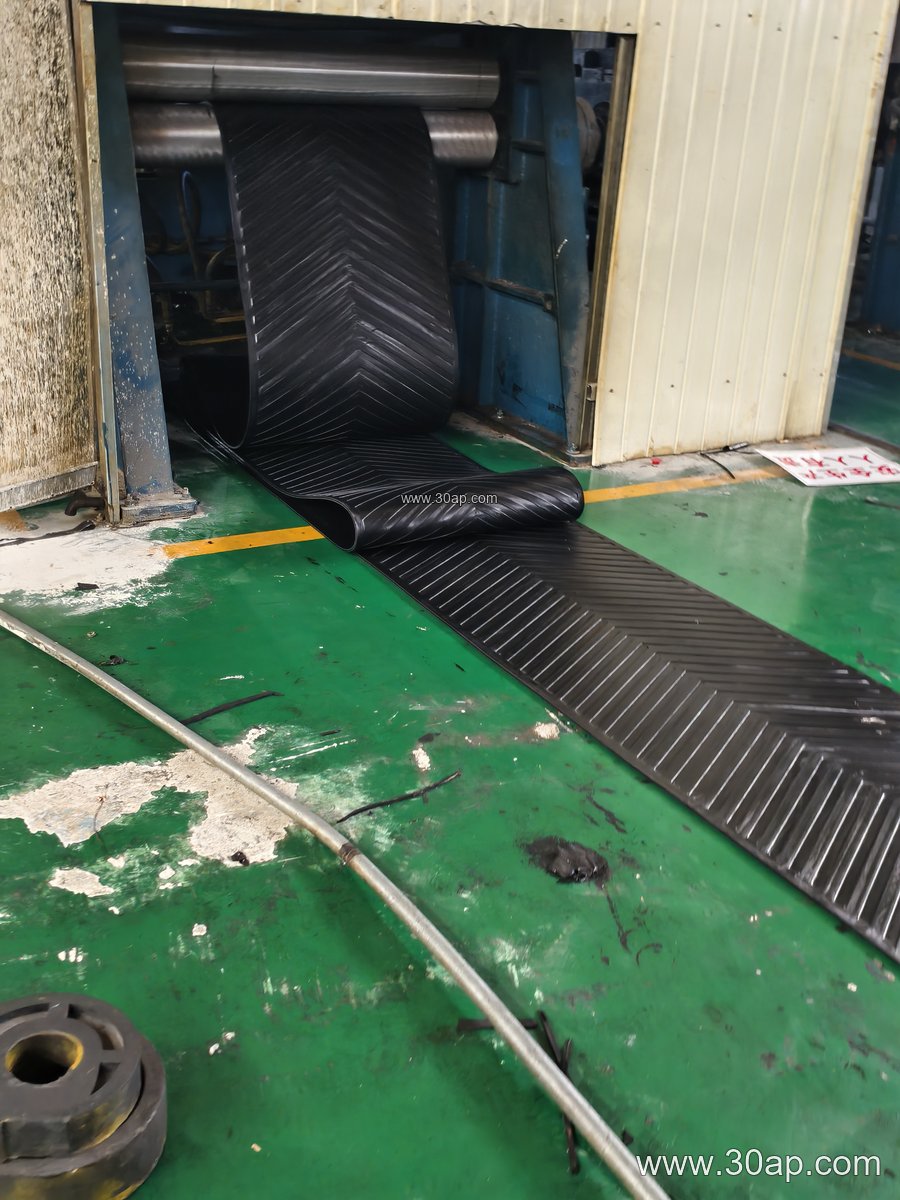
Long overland or downhill runs in large quarries and iron ore or copper ore operations often justify a high strength conveyor belt, sometimes a steel cord design. In cement plants and power plants, heat and oil resistance become relevant, and a heat resistant or oil resistant conveyor belt may be specified on specific lines. Coal mining conveyor belt applications add fire safety requirements that do not normally apply to a pure aggregate quarry.
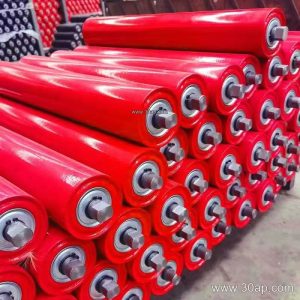
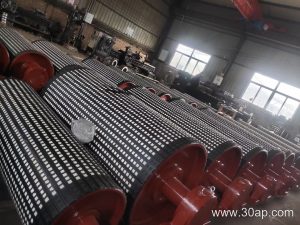
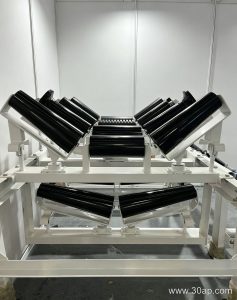
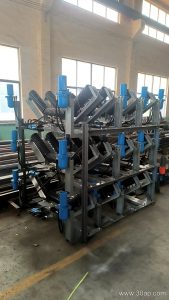
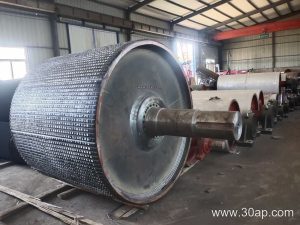
The belt does not work alone. It runs on idler rollers, turns over conveyor pulleys at the head and tail, and is held by conveyor brackets and frames. Drive, tail and bend pulleys each have a different role and are not interchangeable, so belt selection and pulley specification should be reviewed together.
Buyer Checklist
Before ordering, gather the material type, lump size, throughput, incline, loading method and ambient conditions. Confirm the required strength class, width and cover grade, and decide whether a specialty cover such as cold resistant, acid resistant or chemical resistant is needed. Ask how the belt will be joined: an endless conveyor belt made in the factory reduces splice risk on critical lines. For more on matching belts, rollers and pulleys, visit quarry conveyor belt and the related conveyor pulley pages. A clear duty description at the quotation stage is the surest way to get a belt that lasts.