What a Custom Conveyor Bracket Really Does
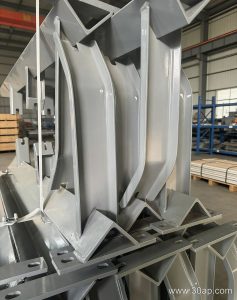
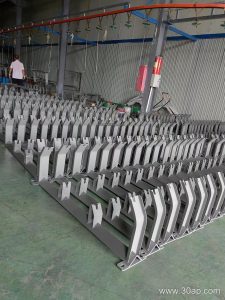
A custom conveyor bracket is the fabricated support that holds idler rollers at the correct position and angle under a conveyor belt. Instead of forcing a standard frame onto an existing structure, the bracket is made to match the belt width, trough angle, roller diameter and mounting points of a specific conveyor. In a quarry, a cement plant or a power plant coal yard, this usually means the difference between a line that tracks cleanly and one that keeps throwing the belt off centre.
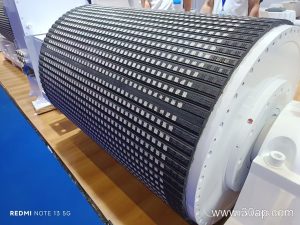
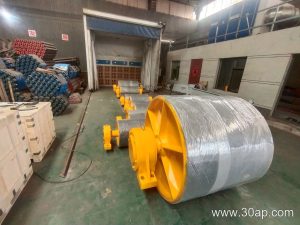
Because it is a made-to-fit part, the same name covers several working positions. A trough bracket carries the loaded side of the belt, a return bracket supports the empty side, and a transition or impact bracket sits where the belt is fed. Each one is a distinct component; a return bracket is not a substitute for a trough bracket, and neither should be confused with a bend pulley or a drive pulley.
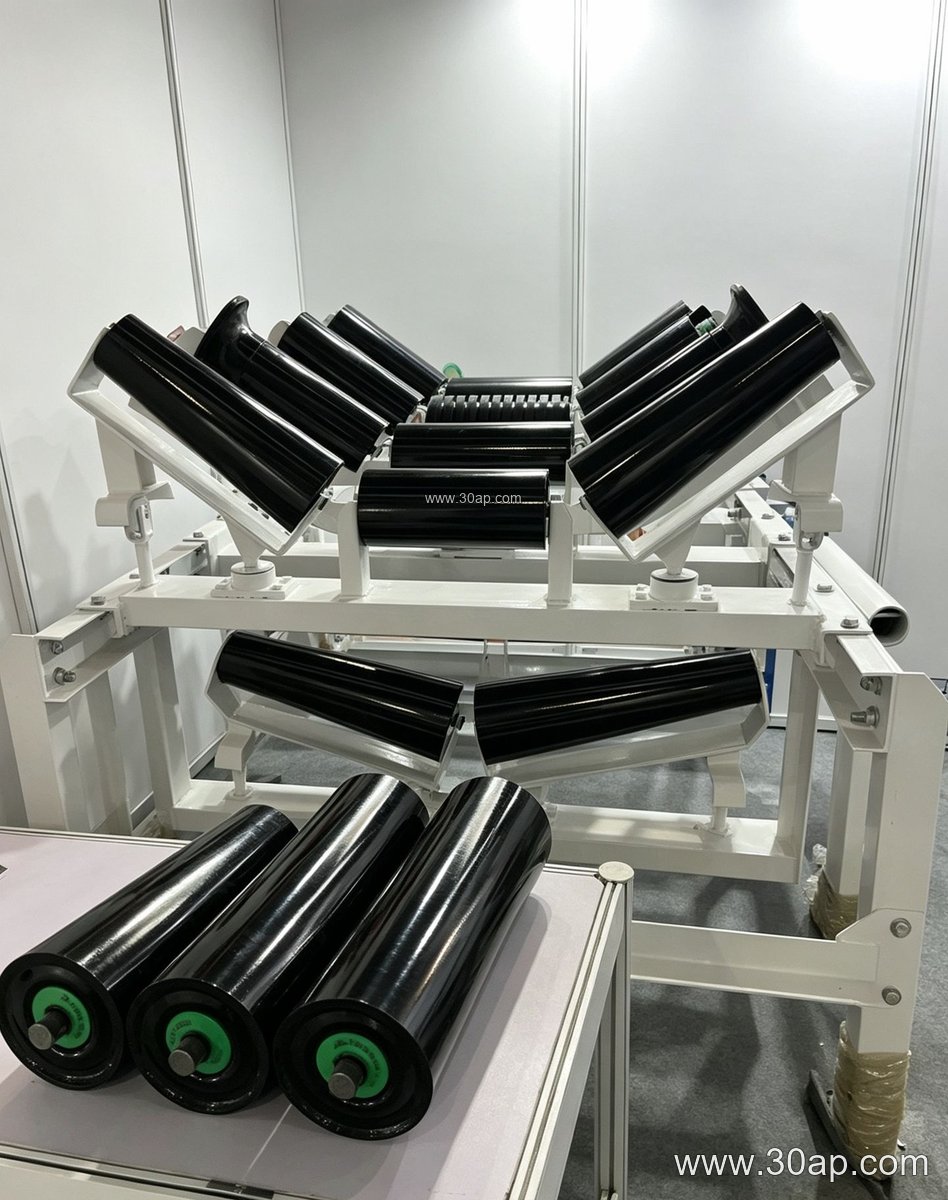
How the Bracket Is Built
Most units are formed from angle steel, channel steel or folded steel plate, then welded and drilled to suit the roller shaft and the conveyor stringer. The usual build details include:
- Roller seat spacing sized to the belt width and trough angle
- Mounting hole pitch matched to the stringer or frame on site
- Reinforced gussets where impact or heavy loading is expected
- Bolt-on or pin-on roller retention for faster replacement
Common belt widths in these frames run from B500 and B650 through B800, B1000, B1200, B1400, B1600 and up to B1800 or B2000 where the structure allows. Trough angles are typically 20, 30, 35 or 45 degrees, and adjustable versions can be set between those angles during installation. Roller diameters such as Ø89, Ø108, Ø133, Ø159 and Ø194 appear across the range, but the correct pairing always follows the conveyor design rather than a fixed rule.
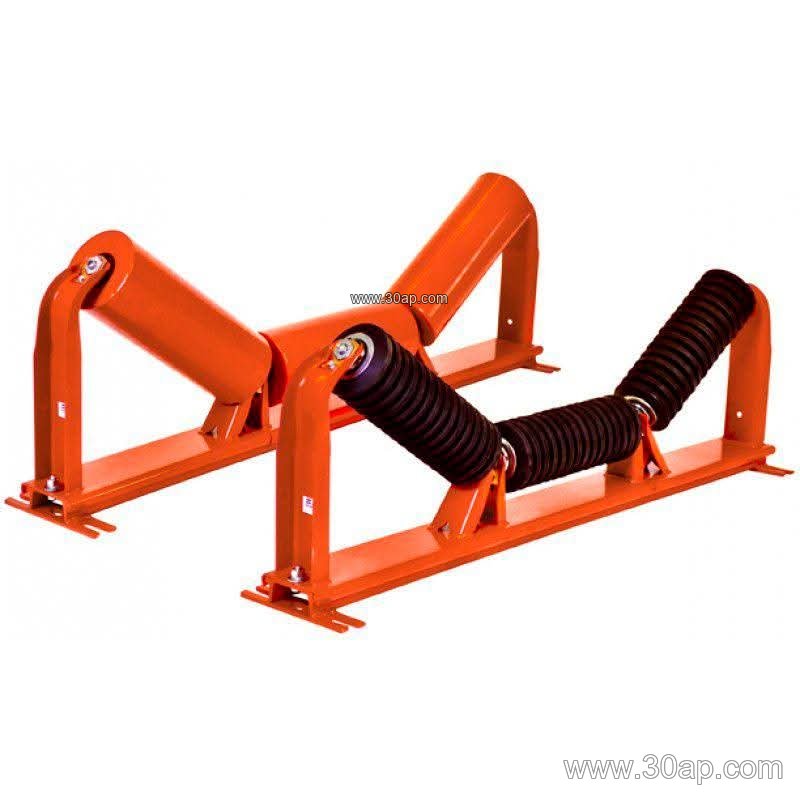
Typical Reference Combinations
| Belt width | Trough angle | Roller diameter | Typical position |
|---|---|---|---|
| B650 | 30 degrees | Ø89 | Trough, light duty |
| B800 | 35 degrees | Ø108 | Trough, general duty |
| B1200 | 45 degrees | Ø133 | Trough, high capacity |
| B1400 | 35 degrees | Ø159 | Transition or impact zone |
| B1800 | 30 to 45 degrees | Ø194 | Heavy-duty trough |
These are reference examples only. Hole pitch and crossbeam length change with belt width and trough angle, so they are always confirmed against the drawing.
Where It Fits on the Line
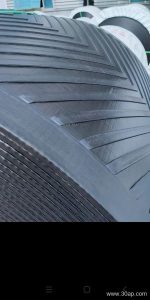
In a limestone mine or a crushing and screening plant, custom brackets are often specified for the load point, where a rubber conveyor belt takes the impact of large rock. A reinforced impact bracket under a heavy-duty mining conveyor belt keeps the rollers aligned and reduces vibration. In a coal washing plant, flame retardant conveyor belt and anti-static conveyor belt are common, and the bracket layout has to leave room for safe roller changes in a confined gallery.
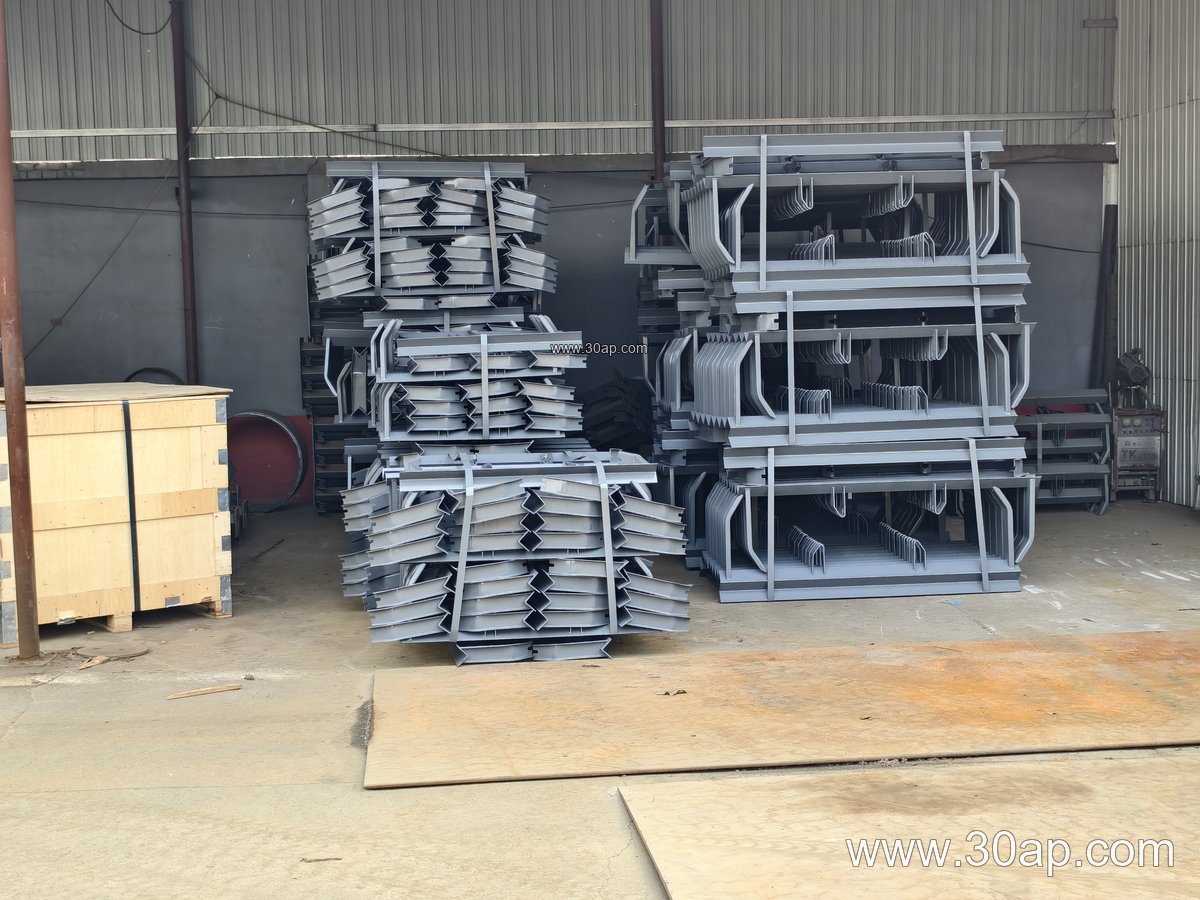
At a port or a steel plant, long overland runs use many identical trough brackets plus a set of adjustable ones at curves and transitions. On a pipe conveyor belt line, the bracket geometry is completely different and should not be mixed with trough brackets. The same applies to corrugated sidewall conveyor belt or skirted conveyor belt installations, where the frame must clear the cleats and sidewalls.
Fixed, Adjustable and Self-Aligning Choices
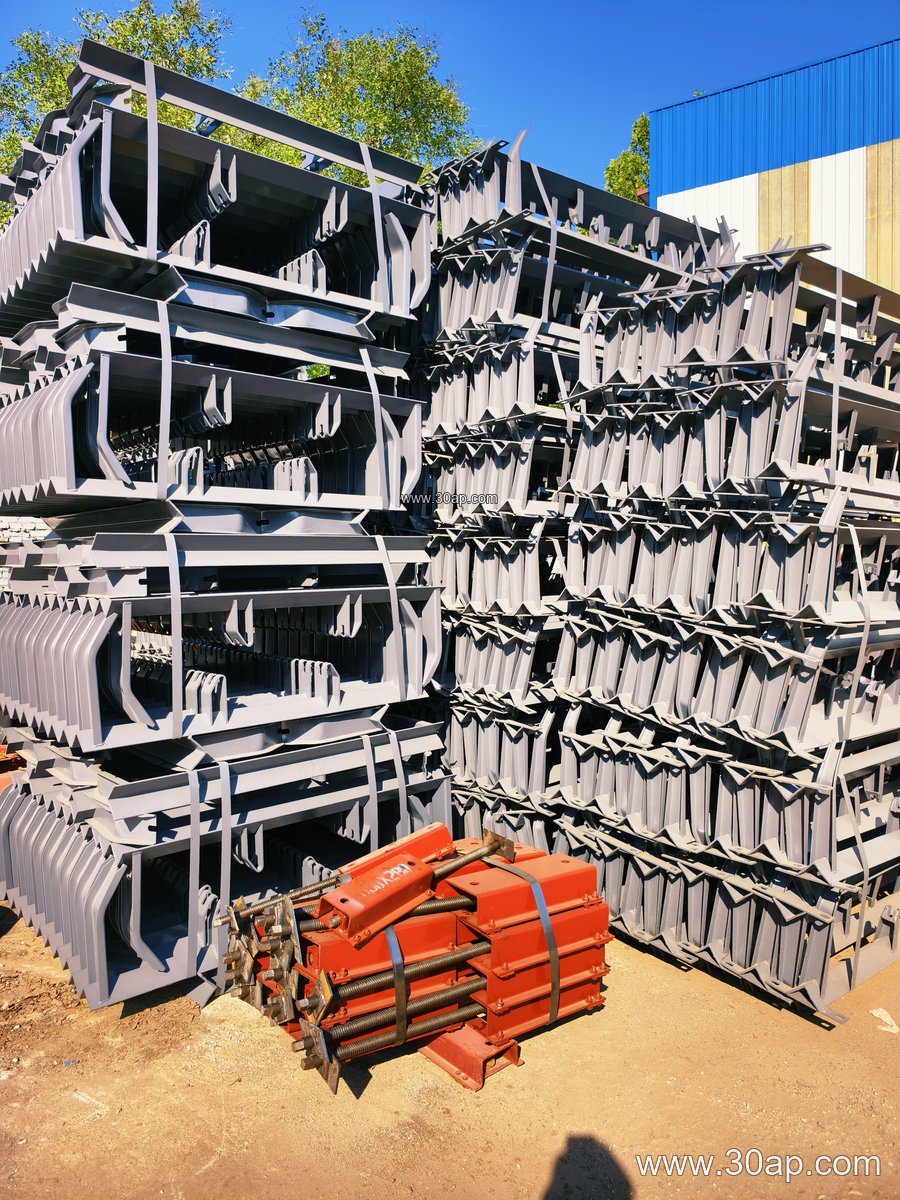
A fixed bracket is simple and rigid, which suits long straight sections. An adjustable bracket lets maintenance staff fine-tune the trough angle or roller height without cutting steel. A self-aligning or training bracket is used where the belt tends to wander, and a forward-tilted version, usually around 1.5 to 2 degrees, helps centralise the belt on the carrying side.
Selection should also consider the roller itself. A worn idler roller in a good bracket will still cause tracking problems, so brackets and rollers are inspected together. On lines carrying abrasive ore or aggregate, a high abrasion resistant conveyor belt and sturdy brackets form a pair that lasts longer between shutdowns.
What Buyers Should Confirm Before Ordering
- Belt width and the required trough angle, or the adjustment range
- Roller diameter and shaft end type, so the seats fit properly
- Mounting hole pitch and stringer spacing taken from site measurements
- Material and finish, especially for wet, dusty or corrosive areas
- Whether the position is trough, return, transition or impact
A clear drawing with dimensions avoids the most common problem: a well-made bracket that does not fit the frame. For related components such as conveyor pulley assemblies and idler roller sets, matching the bracket drawing to the rest of the conveyor layout saves time on installation.
Whether the plant handles iron ore, cement clinker or grain, the right custom conveyor bracket keeps the belt supported, the rollers square and the maintenance crew out of the transfer point. See more conveyor bracket options at conveyor bracket and matching conveyor belt selections at conveyor belt.