What a Custom Hydraulic Belt Tracker Does
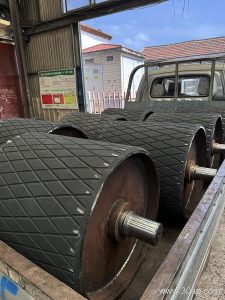
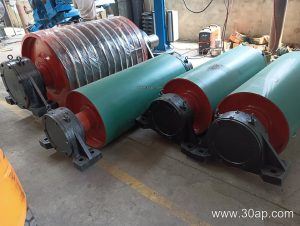
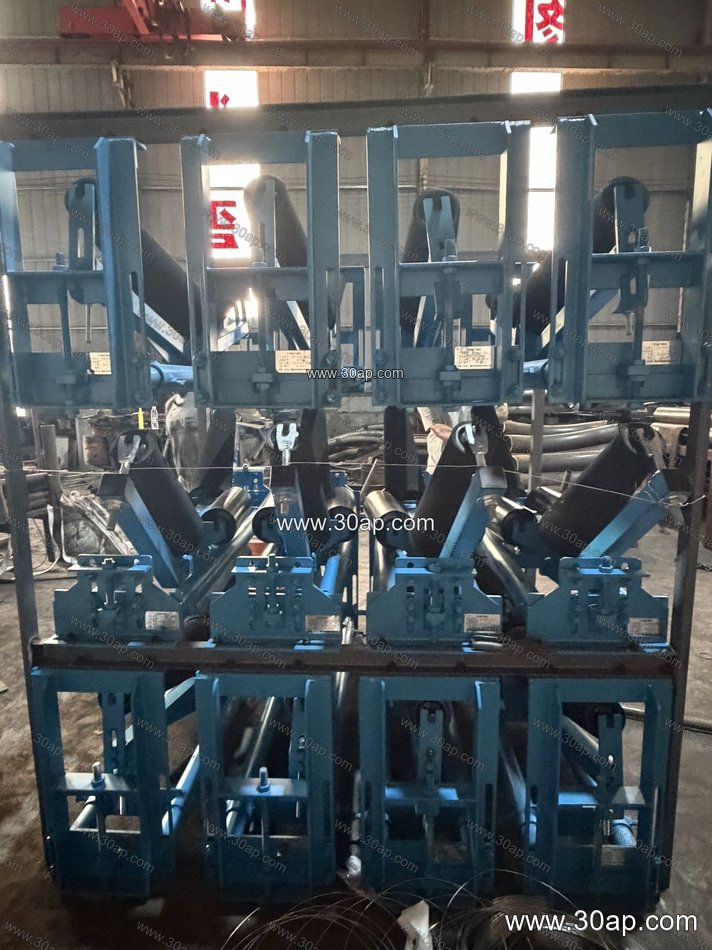
A Custom Hydraulic Belt Tracker is an active belt alignment device that uses hydraulic power to move a steering roller and correct conveyor belt drift. Instead of relying on fixed training idlers alone, this unit responds to belt wander with a controlled hydraulic actuator, so the belt returns toward the pulley center line before edge damage spreads. In plants handling abrasive or heavy loads, the tracker is often treated as a critical component alongside the conveyor pulley, idler roller, and conveyor bracket that make up the belt line.
The same product is also described as a custom hydraulic conveyor belt tracking system. Both names refer to the same assembly: a sensing element, a hydraulic power unit or connection, a steering frame, and a control valve group packaged for a specific conveyor.
How the Assembly Is Built
A typical tracker combines a steering idler frame, a hydraulic cylinder or rotary actuator, position sensors or edge detectors, and a control cabinet. Because the unit is custom, the frame width, mounting height, roller diameter, and stroke are matched to the conveyor drawing rather than chosen from a single catalog page.
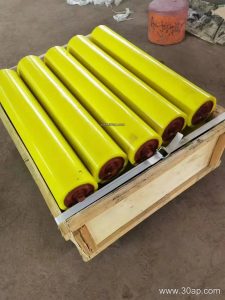
- Steering frame with one or two rollers, sized to the belt width and load
- Hydraulic power pack or connection to the plant hydraulic supply
- Control valve block with manual override and pressure protection
- Edge sensing arms, probes, or non-contact sensors
- Mounting brackets that fit the existing conveyor bracket pattern
Build quality matters in dusty and wet conditions. Sealed bearings, protected sensor cables, and a robust frame reduce downtime in a quarry, coal preparation plant, or cement kiln feed line.
Where It Fits in Bulk Material Handling
Hydraulic trackers are common where belts are wide, speeds are moderate to high, and manual adjustment is impractical. Examples include:
- Coal Mining Conveyor Belt lines in preparation plants and stockyard reclaim
- Iron Ore Conveyor Belt and Copper Ore Conveyor Belt transfer points
- Cement Plant Conveyor Belt and clinker transport systems
- Power Plant Conveyor Belt coal handling and biomass feed
- Aggregate Conveyor Belt and Crusher Conveyor Belt discharge
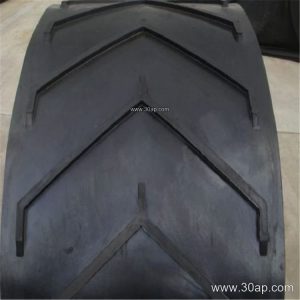
On a long overland or underground Mining Conveyor Belt, a tracker at the tail or bend area can reduce edge wear and spillage. It does not replace correct pulley alignment, adequate tension, or well-maintained idlers; it works with them. When belts carry a Chevron Conveyor Belt or Corrugated Sidewall Conveyor Belt profile, the sensing method must be checked because raised profiles can interfere with edge probes.
Selection Details Buyers Should Confirm
No single size fits every conveyor. A 600mm Conveyor Belt and a 2000mm Conveyor Belt need different frame geometry, and belt width alone does not define shaft diameter, roller length, or actuator force. Buyers should prepare the following before requesting a quote:
- Belt width, belt type, and belt speed
- Conveyor drawing with pulley and idler positions
- Carrying or return side, and one-way or reversing operation
- Belt structure, such as EP Conveyor Belt, NN Conveyor Belt, or Steel Cord Conveyor Belt
- Available hydraulic pressure and electrical supply for controls
- Environmental conditions: dust, water, temperature, and washdown
For abrasive duty, an Abrasion Resistant Conveyor Belt paired with a well-sealed tracker reduces wear on the belt edge. In underground coal service, a Flame Retardant Conveyor Belt and fire-safe hydraulic components may be required; confirm these points against the actual product data.
Installation and Maintenance Notes
Mount the tracker square to the belt center line and follow the manufacturer’s clearance values. Check that the steering roller moves freely before connecting hydraulics. During commissioning, observe belt tracking at low speed and no load, then with material. Always stop and isolate the conveyor before adjusting sensors, cylinders, or brackets; never reach toward a moving belt.
Regular checks include hydraulic hose condition, oil level, sensor cleanliness, frame bolts, and roller bearings. A tracker that responds slowly may have air in the hydraulic circuit or a clogged filter, while constant correction may indicate a misaligned pulley or off-center loading rather than a tracker fault.
For a quotation, send the conveyor layout, belt specification, and site conditions to the supplier. A custom hydraulic belt tracker is a targeted fix for persistent drift, not a substitute for sound conveyor design and maintenance.