What a Proximity Sensor Belt Tracker Does
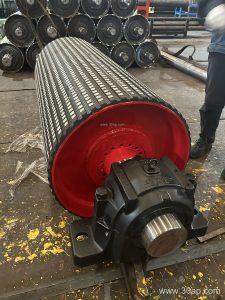
A proximity sensor belt tracker is a belt alignment device that detects edge position without physical contact and uses that signal to correct or report conveyor belt misalignment. In plants handling bulk material, from a coal mining conveyor belt to a quarry conveyor belt, belt drift is a persistent maintenance issue. The tracker addresses it by combining non-contact sensing with a mechanical or powered correction mechanism, so the belt stays centered on the idler roller and conveyor pulley instead of rubbing the structure.
It is not simply a warning switch. Some units only signal a PLC or alarm when the belt edge leaves a safe zone, while others act on a steering frame or training idler to bring the belt back. Buyers should confirm which function they need before comparing offers.
How the Device Is Built
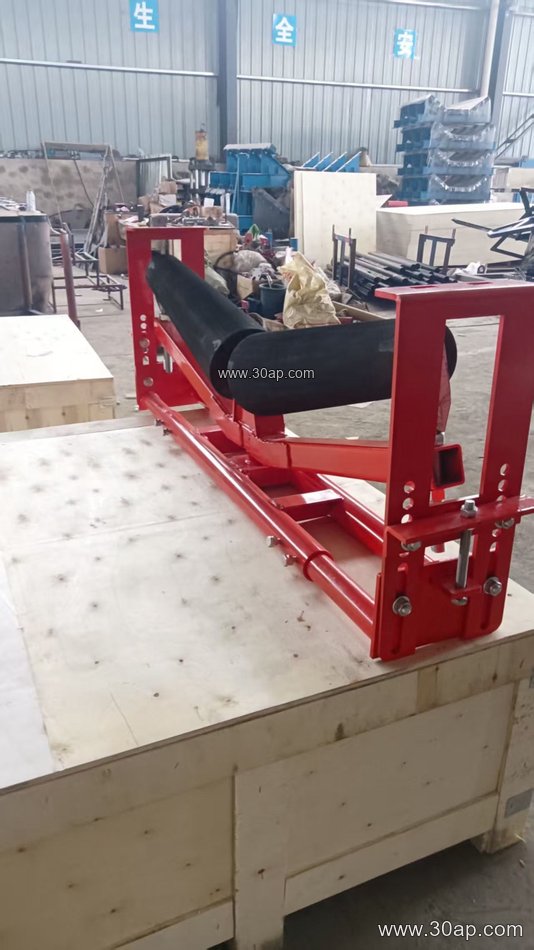
A typical assembly includes three functional parts:
- Sensing head — inductive, capacitive, or magnetic proximity probes mounted at the belt edge, often in pairs to cover both sides.
- Controller or junction box — converts probe signals into a relay output, analog signal, or control command.
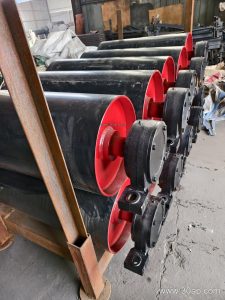
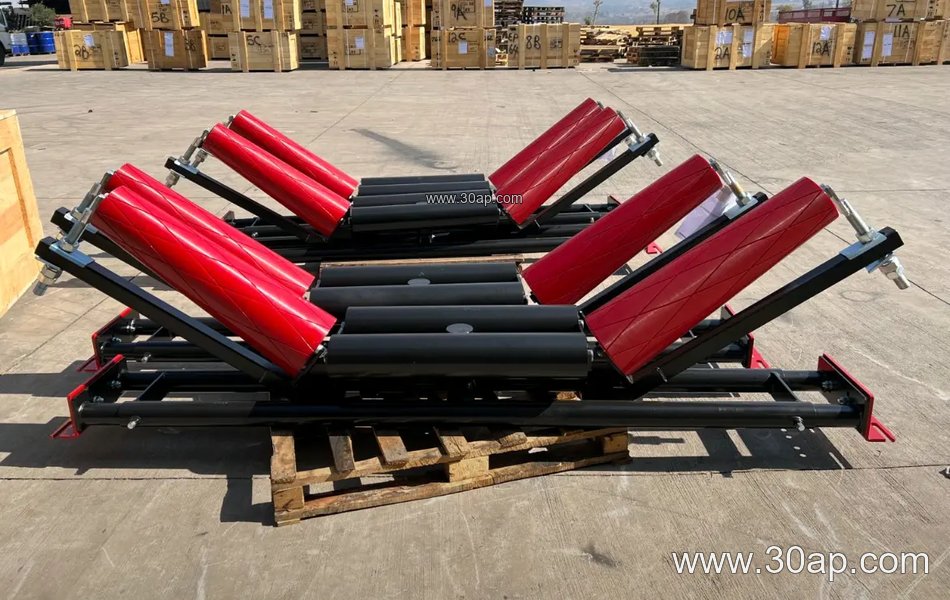
- Correction element — a pivoting frame, steering roller, or training idler that responds to the control signal.
Mounting brackets are usually adjustable so the sensing gap can be set against the actual belt width. On a 1000mm or 1200mm conveyor belt, for example, probes are positioned just outside the normal edge line, with the trigger distance set to suit the belt structure and expected wander.
Where It Fits in a Conveying System
The tracker is commonly installed on the carrying run near the head or tail, and on the return run where the belt is unsupported and prone to wander. It works alongside the conveyor bracket, idler roller, and conveyor pulley rather than replacing them. In a power plant coal conveyor belt line, a cement plant clinker belt, or a port conveyor belt handling ore, the device helps protect belt edges from damage and reduces spillage caused by off-center loading.
It is also relevant on long overland routes using steel cord conveyor belt or high strength conveyor belt constructions, where a small drift at the tail can become a large offset downstream. On shorter lines with a fabric core conveyor belt, a simpler mechanical training idler may be sufficient, and the sensor version is chosen when feedback or remote monitoring is required.
Selection Points Buyers Should Check
The following table groups the information worth collecting before ordering. Values are project-specific and should be confirmed against the actual conveyor drawing.
| Item | What to Confirm |
|---|---|
| Belt width | 600mm, 800mm, 1000mm, 1200mm, 1600mm or 2000mm; match probe arm length to the frame |
| Belt type | EP conveyor belt, NN conveyor belt, steel cord, chevron or corrugated sidewall; edge profile affects sensing |
| Position | Carrying or return run; trough or flat idler arrangement |
| Function | Alarm only, or active steering with a controlled correction frame |
| Environment | Dust, moisture, temperature, and whether the area is classified |
| Interface | Relay, 4–20 mA, or fieldbus connection to the plant control system |
Do not assume that a given belt width fixes the roller diameter, shaft size, or number of tracker stations. Those depend on belt tension, load, frame design, and the manufacturer’s installation instructions.
Installation and Maintenance Notes
Correct setup matters more than the sensor itself. The probe gap should be set with the belt running straight and empty, and the correction frame should be free to move without binding. Before any adjustment, stop the conveyor, isolate the drive, and lock out the energy source. Check that idlers turn freely and that material build-up is not pushing the belt sideways, because a tracker cannot compensate for a seized roller or a badly skewed frame.
Routine checks include cleaning dust from the probe face, verifying cable condition, and testing the output at the control cabinet. On a mining conveyor belt or an underground coal mining conveyor belt, flame retardant and anti-static properties of nearby components should be verified separately; the tracker’s own enclosure rating must be confirmed for the site.
For a quotation, prepare the belt width, belt type and thickness, conveyor drawing, running direction, and the misalignment symptom observed. That information lets the supplier propose a suitable proximity sensor belt tracker configuration rather than a generic unit.