What a Conveyor Ceramic Lagged Pulley Is
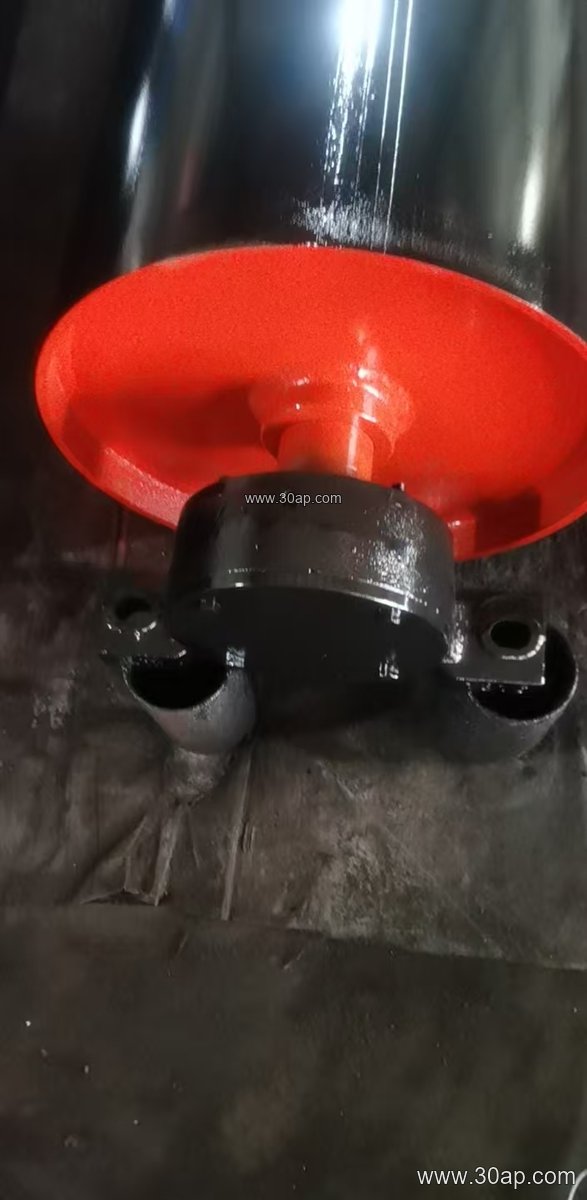
A conveyor ceramic lagged pulley is a conveyor pulley whose shell is covered with rubber lagging that holds embedded ceramic tiles. The ceramic tiles are the part that touches the belt. Rubber provides a flexible base, while the ceramic surface provides grip and wear resistance. This combination is often chosen where a plain rubber lagged pulley would slip or wear too quickly. The same product is also called a ceramic lagging pulley or a pulley with ceramic lagging, and these names refer to the same component.
Ceramic lagging is a surface form, not a pulley position. It can be applied to a drive pulley that transmits torque, to a tail pulley at the loading end, or to other conveyor pulley positions where traction and belt life matter. Drive, tail, and bend pulleys are different positions with different duties, so they should be specified separately rather than treated as interchangeable.
How the Ceramic Surface Is Built
The lagging usually starts with a rubber layer bonded to the pulley shell. Ceramic tiles are then set into the rubber, often in a staggered pattern with small gaps between tiles. The gaps give the rubber room to flex and help the surface shed fines and water. Tile shape, tile height, rubber hardness, and bond quality all affect performance, so buyers should ask how the tiles are fixed and how the rubber is attached to the shell.
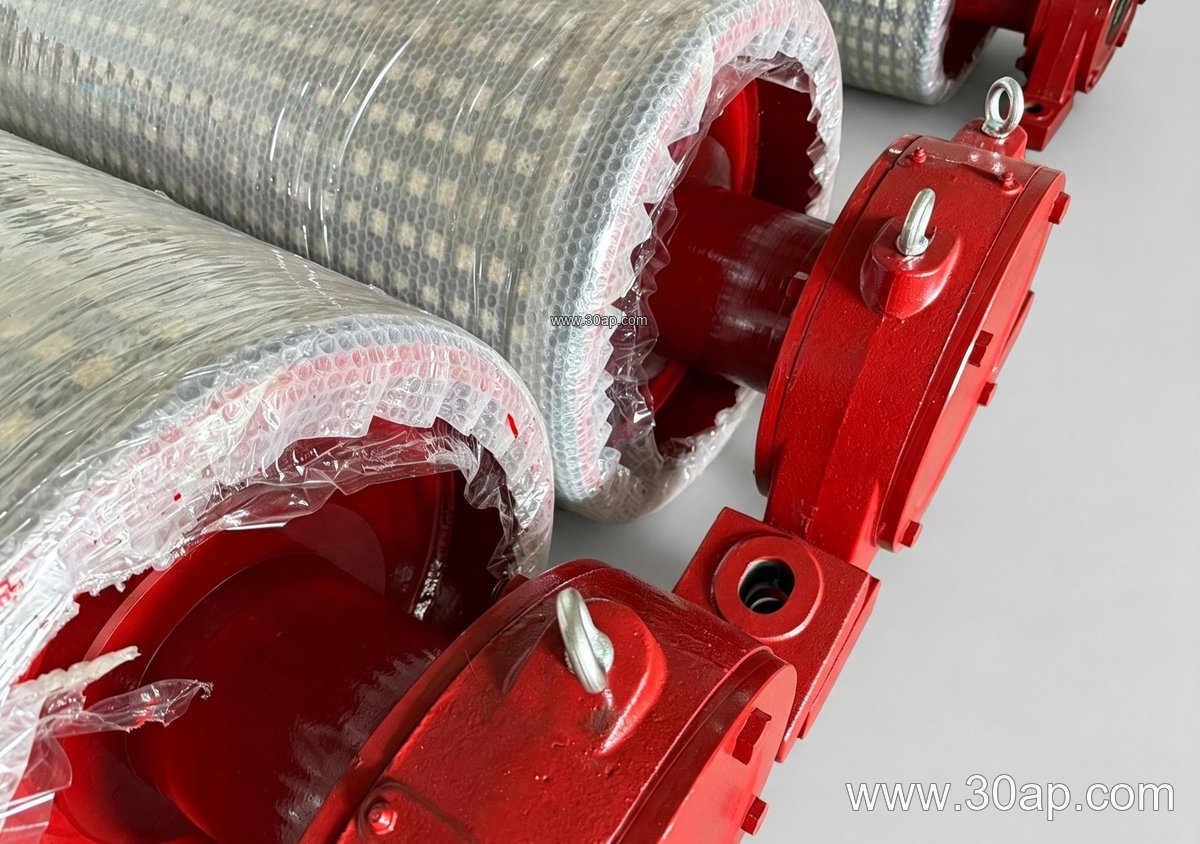
Common lagging thicknesses include 8, 10, 12, 15, and 20 mm, with thicker layers used in high-torque or abrasive service. Surface options on other pulleys include plain rubber, diamond lagging, and herringbone lagging. Ceramic lagging is not a replacement for those styles in every case; it is a specific choice for slip control and abrasion resistance.
Where It Fits in the Conveyor
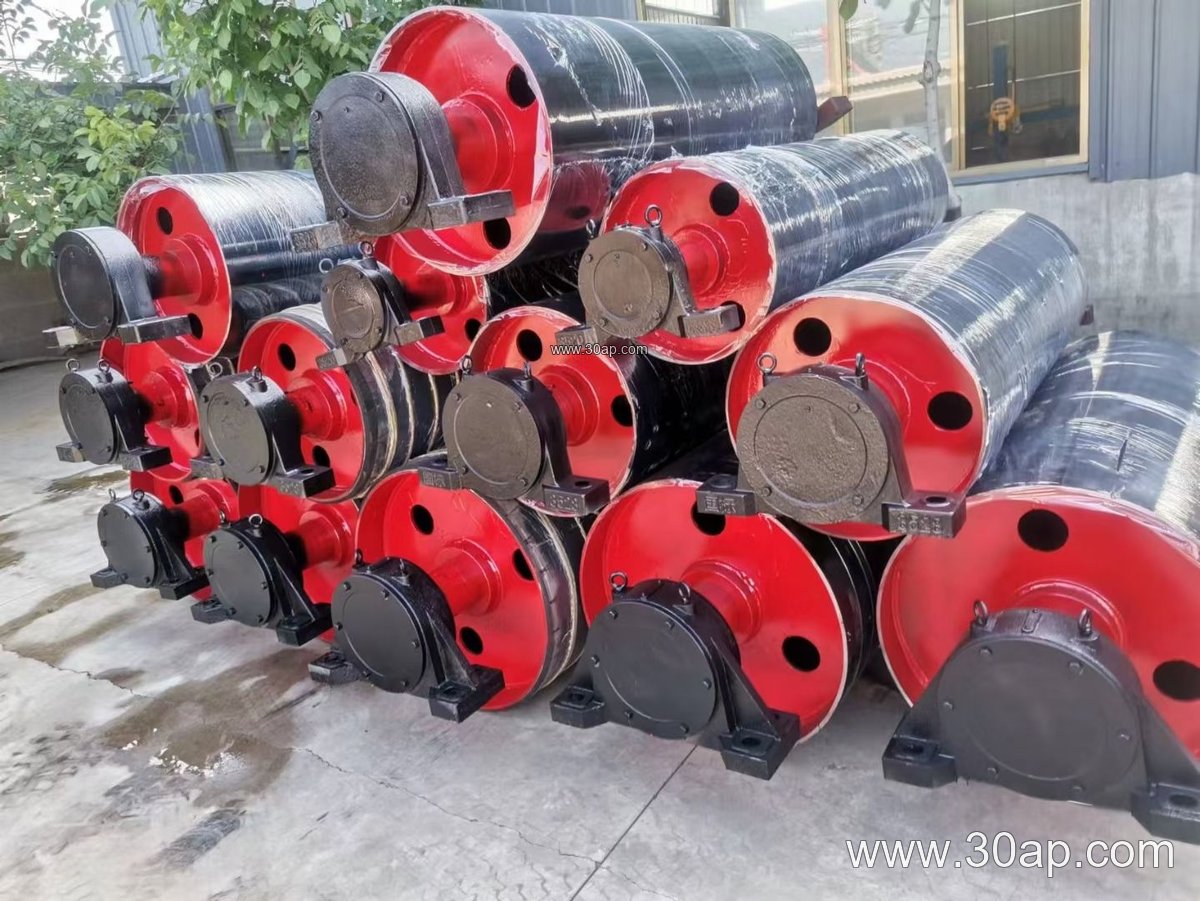
Ceramic lagged pulleys are common in quarry and aggregate lines, cement plants, coal handling, power plant coal yards, and iron ore or copper ore operations. In these settings, a conveyor belt may carry sharp rock, clinker, or wet bulk material, and the pulley surface must keep grip without wearing through quickly. A ceramic drive pulley can help maintain torque transmission where the belt is wet or dusty. At the tail end, a ceramic lagged tail pulley can resist abrasion from material that has spilled around the loading point.
The pulley works with the conveyor belt, idler roller, conveyor bracket, and frame. Belt choice matters as well. A heavy-duty mining conveyor belt or a high abrasion resistant conveyor belt may run alongside this pulley, while an EP conveyor belt or steel cord conveyor belt is selected according to tension and load. In coal mining, a flame retardant conveyor belt is often part of the same system, and the pulley lagging should suit the environment without being presented as a fire rating on its own.
Common Dimensions and Combinations
Pulley size is set by belt width, shaft load, torque, and the space available. The shell face is usually wider than the belt. Examples below are common reference combinations, not fixed rules.
- B800 belt with Ø500 pulley, face around 950 mm
- B1000 belt with Ø630 or Ø800 pulley, face around 1150 mm
- B1200 belt with Ø1000 pulley, face around 1400 mm
- B1400 belt with Ø800 or Ø1000 pulley, face around 1600 mm
- B1600 belt with Ø1250 pulley, face around 1800 mm
Lagging thickness and shaft diameter should be confirmed by design. Shaft sizes such as Ø100, Ø120, Ø140, Ø160, and Ø180 are common, but the shaft is sized by torque and bearing load, not by belt width alone.
Buyer Checklist
- Confirm the pulley position: drive, tail, bend, take-up, or snub.
- State belt width, pulley diameter, face width, and lagging thickness.
- Describe the material and conditions: wet, abrasive, oily, or high temperature.
- Ask how the ceramic tiles are bonded and whether the lagging can be replaced.
- Check balance, bearing selection, and shaft dimensions against the duty.
For plant operators, a ceramic lagged pulley is a wear part as much as a drive component. Inspect the tile edges, rubber bond, and belt tracking during shutdowns. If the surface is polished or tiles are missing, grip can drop before the pulley itself fails. Matching the pulley to the conveyor belt and the actual load is more useful than choosing the thickest lagging by default.