What a Four-Roll Idler Bracket Does
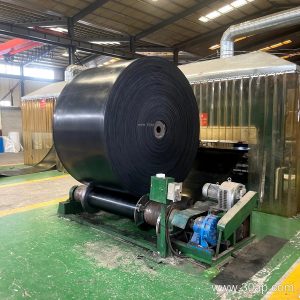
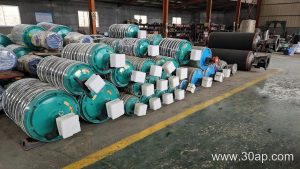
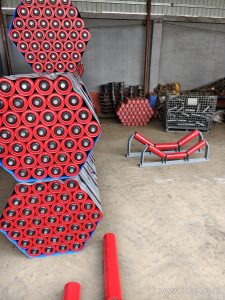
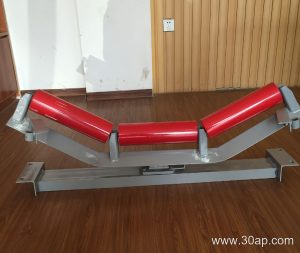
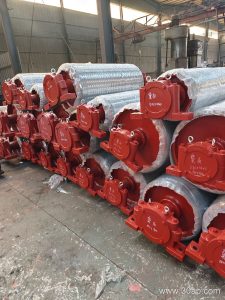
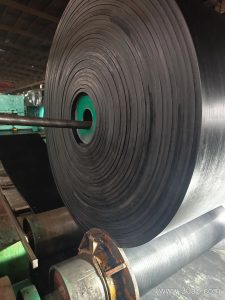
A four-roll idler bracket is a support frame that carries four idler rollers under the carrying side of a conveyor belt. Instead of the familiar three-roll trough, the roll set is arranged to spread the load across a wider contact arc, which helps keep the belt profile stable when the material load is heavy or the belt is wide. In plants handling abrasive bulk material, the bracket works together with the conveyor belt, the idler roller, and the conveyor pulley to keep the line running straight and steady.
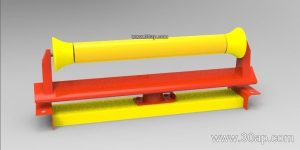
The bracket itself does not move; it is the fixed or adjustable base that positions the rollers at the required trough angle. Buyers often call it a four-roll trough bracket or a four-roll carrying bracket, and these names refer to the same component.
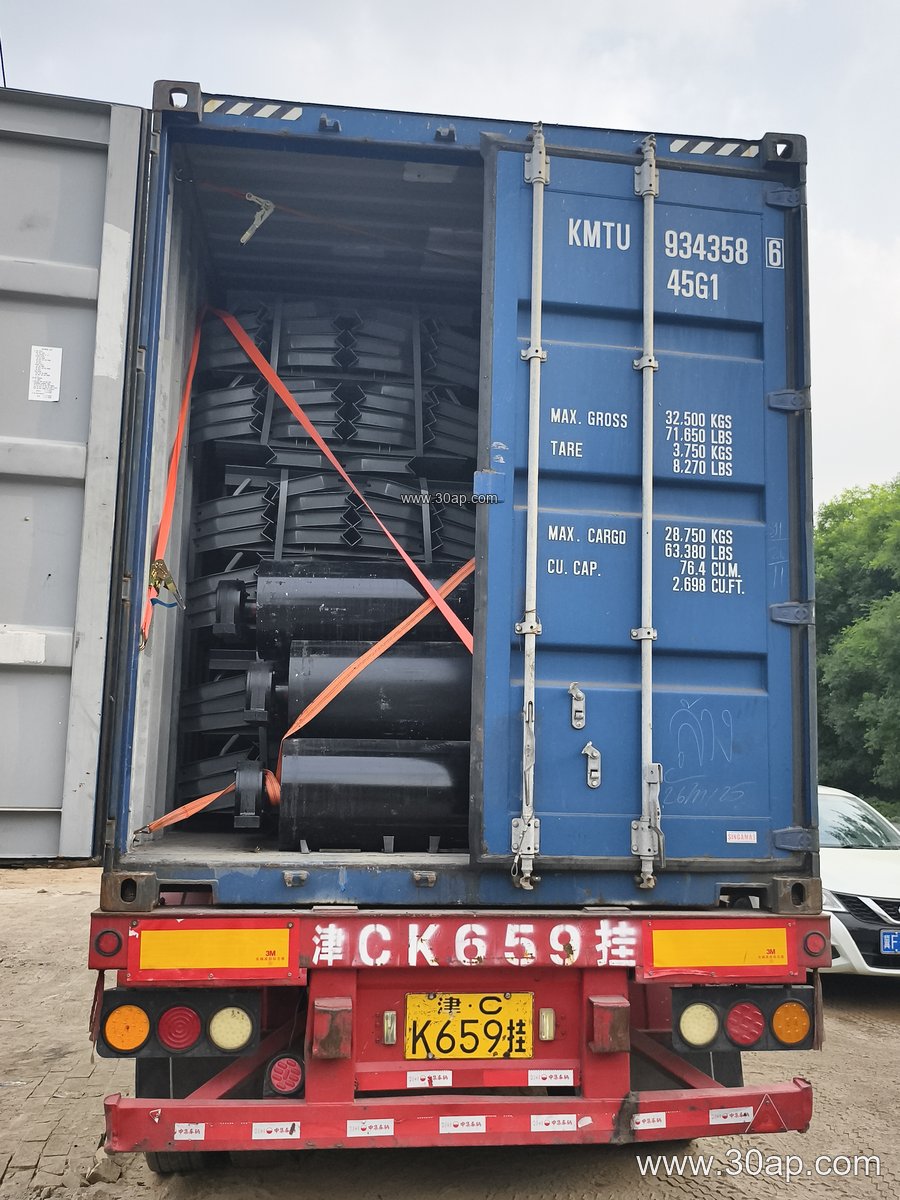
How the Bracket Is Built
Most four-roll idler brackets are fabricated from angle steel, channel steel, or folded steel plate. The crossbeam is drilled or slotted so the roll shafts can be bolted at the designed angle, and the end supports are shaped to match the roll diameter and the belt width.
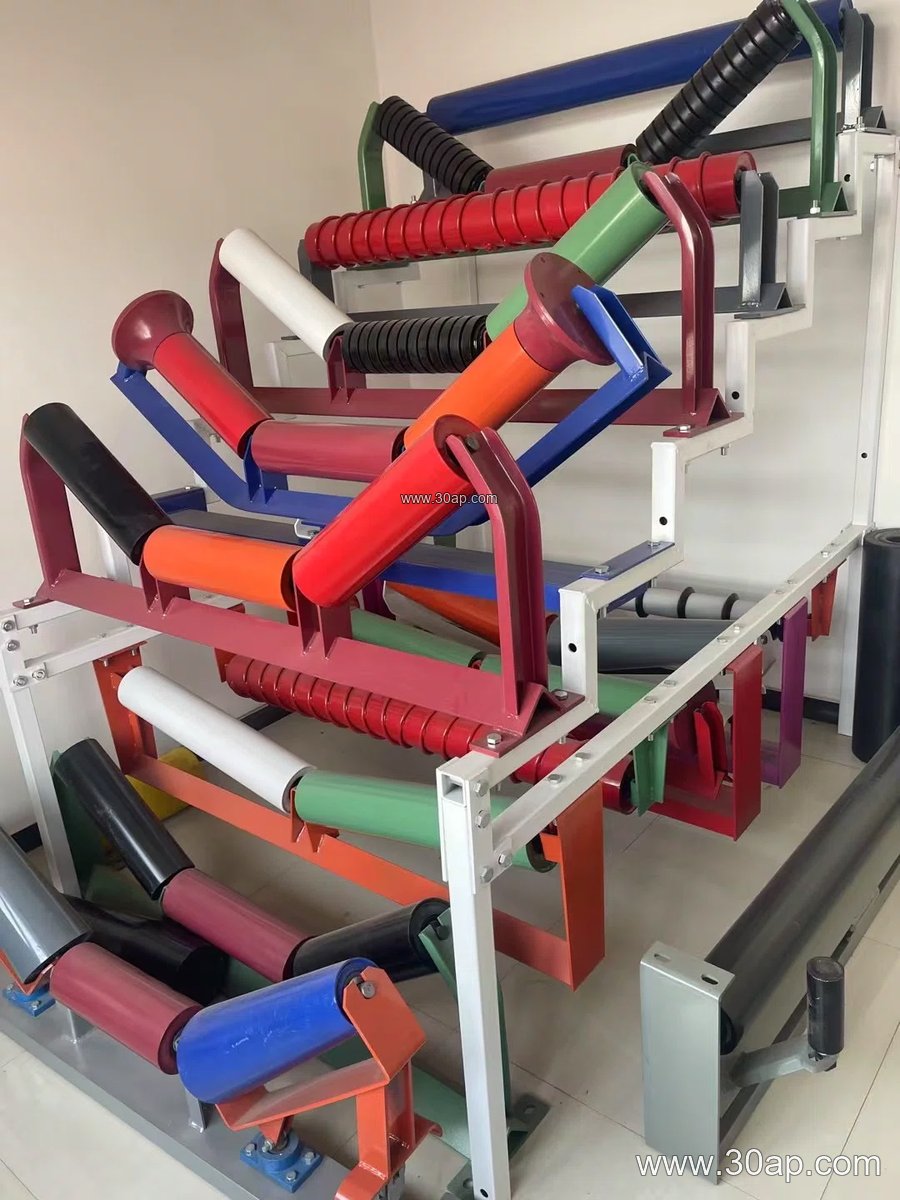
- Welded frame with two outer roll positions and two inner roll positions
- Mounting slots that allow the trough angle to be set during installation
- Reinforced corners for lines that see impact from coarse rock or ore
- Optional adjustable arms for fine tuning of belt contact
Because the four rolls share the load, each individual idler roller carries less weight than in a comparable three-roll arrangement. That can reduce roller wear on heavy-duty mining conveyor lines, though the exact benefit depends on belt speed, load, and roller quality.
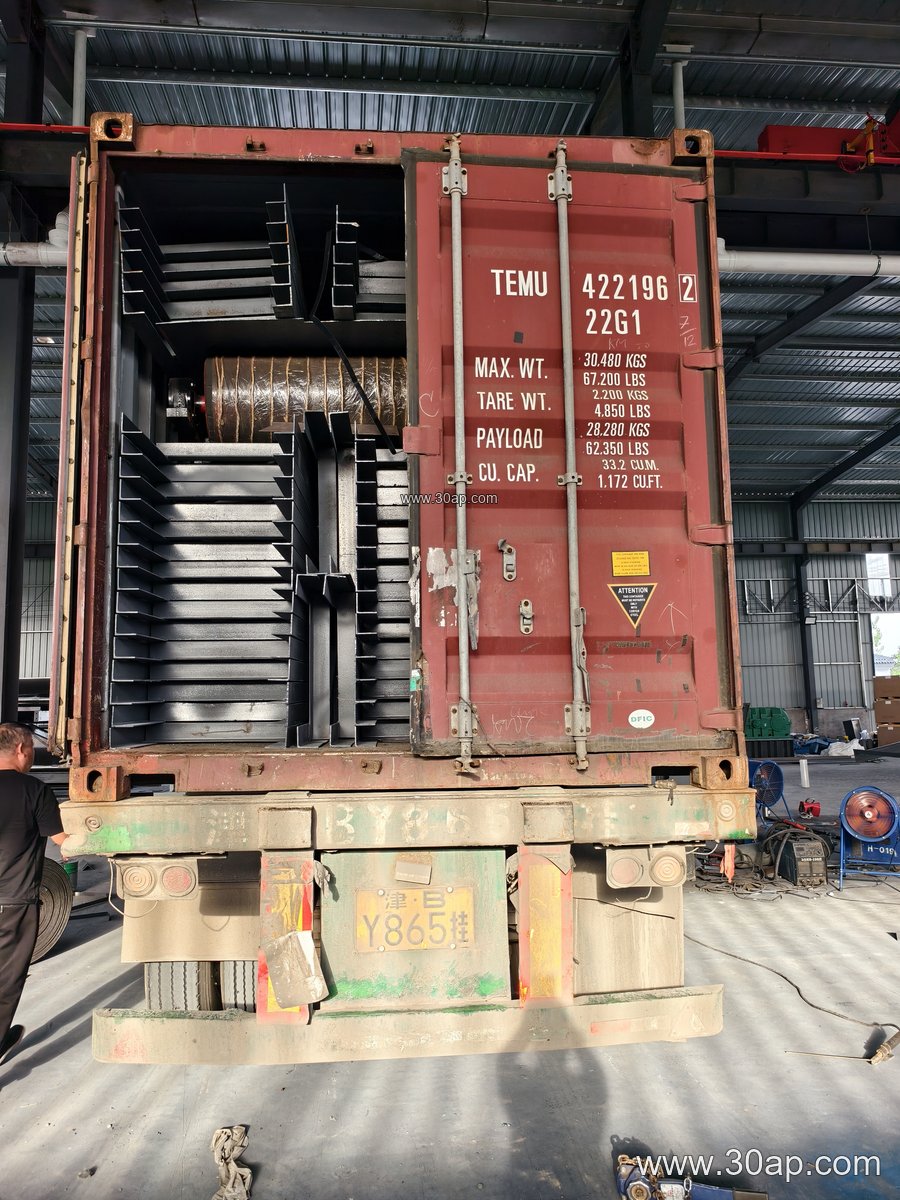
Typical Sizes and Configurations
Bracket dimensions follow the belt width and the selected roll diameter. The values below are common reference points, not universal specifications; the final hole spacing and beam length should be confirmed by design.
| Belt width | Typical trough angle | Common roll diameter |
|---|---|---|
| B800 | 30 degrees | Ø89 or Ø108 |
| B1000 | 35 degrees | Ø108 or Ø133 |
| B1200 | 35 or 45 degrees | Ø133 |
| B1400 | 35 or 45 degrees | Ø133 or Ø159 |
| B1600 | 45 degrees | Ø159 |
| B1800 | 45 degrees | Ø159 or Ø194 |
Adjustable versions can be set between 20, 30, 35, and 45 degrees where the frame is designed for it. A small forward tilt of about 1.5 to 2 degrees is sometimes used on training brackets to help center the belt. These figures are guidance only; one belt width does not lock the user into a single angle or roll size.
Where the Four-Roll Bracket Fits Best
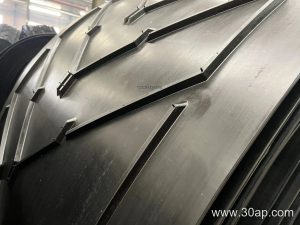
This bracket is often chosen at transfer points and along heavily loaded sections. In a limestone quarry or a sand and gravel line, a four-roll frame can support a wide abrasion resistant conveyor belt carrying crushed stone. In a coal preparation plant or a power station coal yard, it may sit under a flame retardant conveyor belt where the load is deep and the belt needs a stable trough. Cement plants and iron ore handling systems also use wide four-roll arrangements on primary carrying runs.
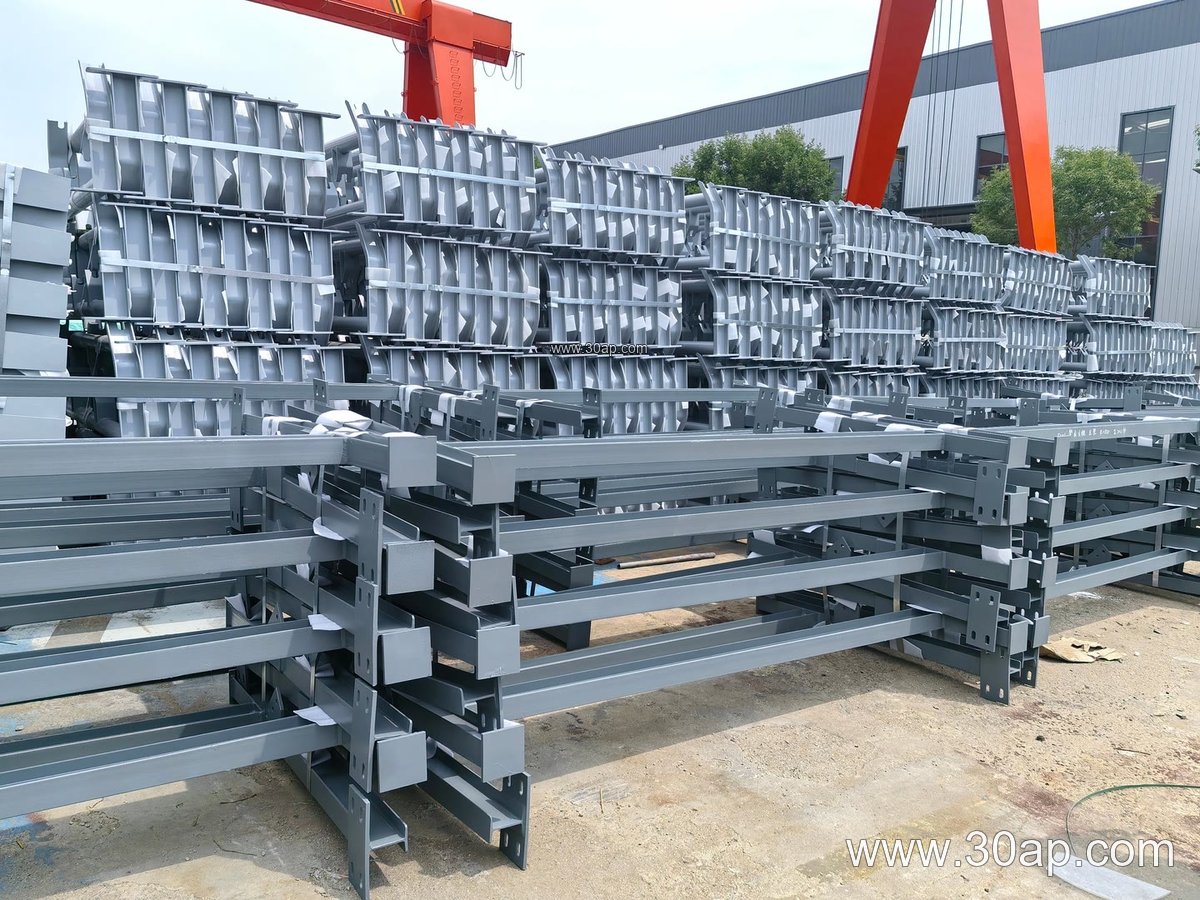
It is not a replacement for a bend pulley or a tail pulley; those components change belt direction, while the bracket only supports the belt. Likewise, it is not a substitute for a return bracket or a V-type return frame, which serve the empty side of the belt.
Buying Notes
Before ordering, confirm the belt width, the intended trough angle, and the roll diameter, because the bracket must match all three. Check whether the frame is fixed or adjustable, and verify the mounting hole pattern against the existing conveyor structure. For dusty or wet conditions, look at the steel finish and drainage around the frame. A bracket that fits well with the idler roller set and the conveyor bracket layout will reduce belt misalignment and roller damage over time. For coordinated supply of conveyor belt, idler roller, and conveyor pulley, buyers can plan the whole support section together.