What a Conveyor Frame Does
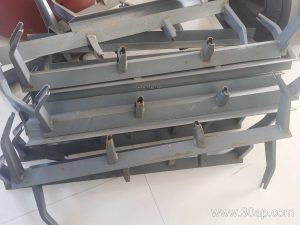
A conveyor frame is the structural skeleton that holds every moving part of a belt conveyor in alignment. It carries the idler rollers, supports the conveyor pulley at each end, and keeps the belt path stable under load. Without a rigid, accurately built frame, even a premium rubber conveyor belt will wander, spill material, and wear out ahead of schedule. In a quarry, cement plant, or coal handling system, the frame is what turns a collection of components into a reliable production line.
Frames are usually fabricated from angle steel, channel steel, or folded steel plate. The design must resist vibration, impact from lumpy material, and the constant pull of a tensioned belt. A well-made frame keeps the trough angle consistent, so the belt sits correctly on the idler roller and carries material without excessive sag.
How the Frame Is Built
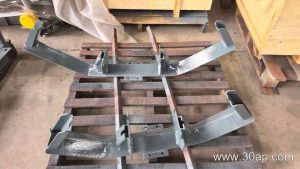
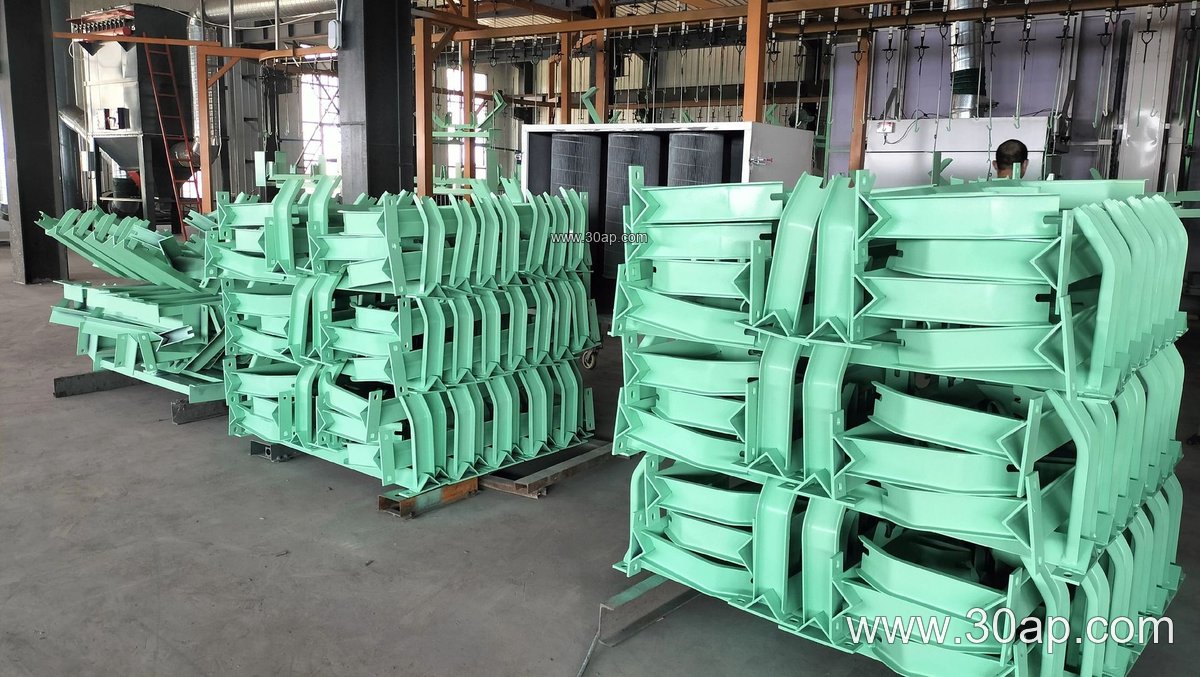
Most frames are modular. A typical run includes tail sections, intermediate sections, and a head section, bolted together on site. The intermediate section carries the upper troughing idlers and the return idlers. Transition frames sit near the pulleys, guiding the belt from a flat profile into a troughed one. A conveyor bracket connects the frame to the idlers and allows fine adjustment during installation.
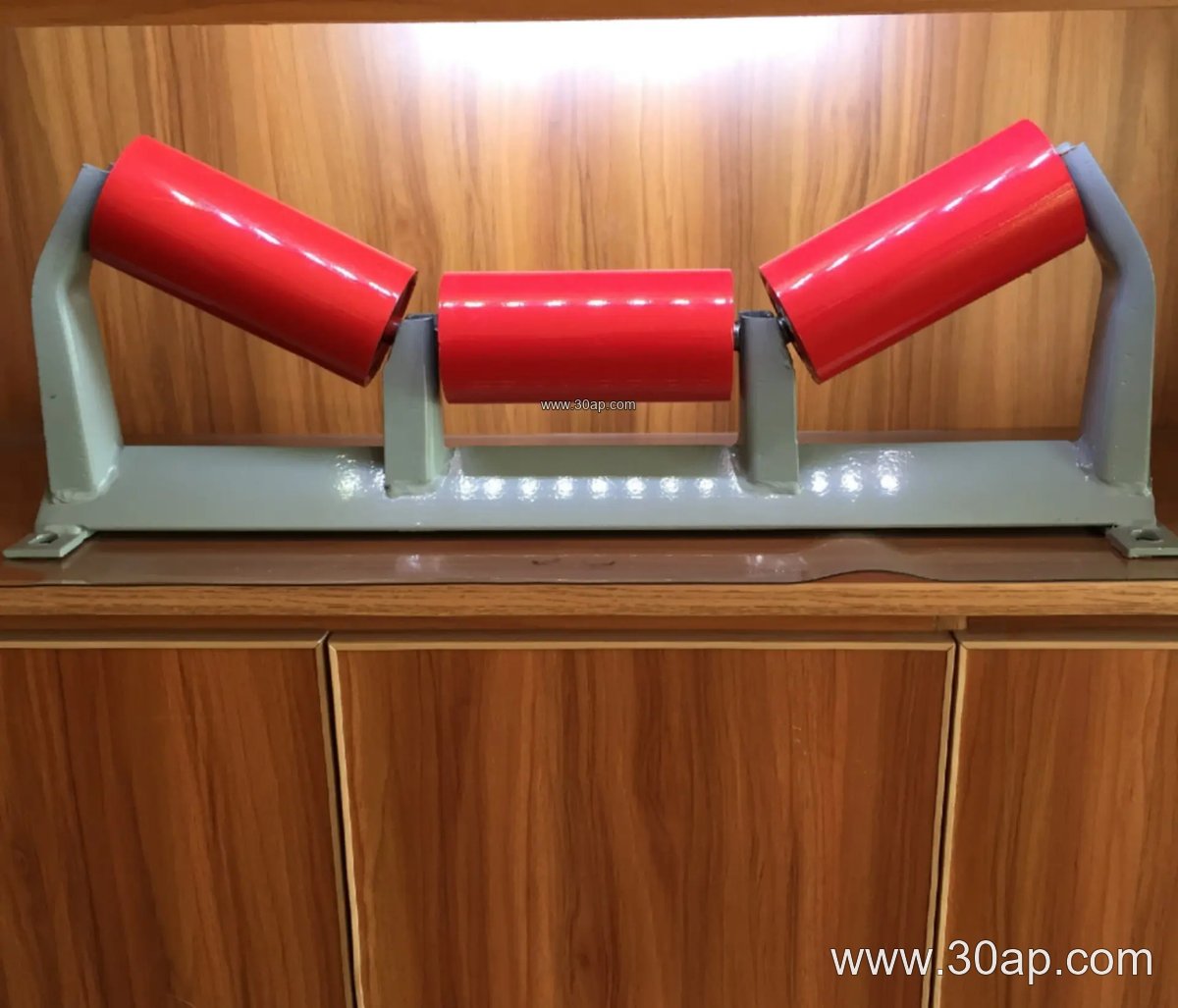
Common frame types include:
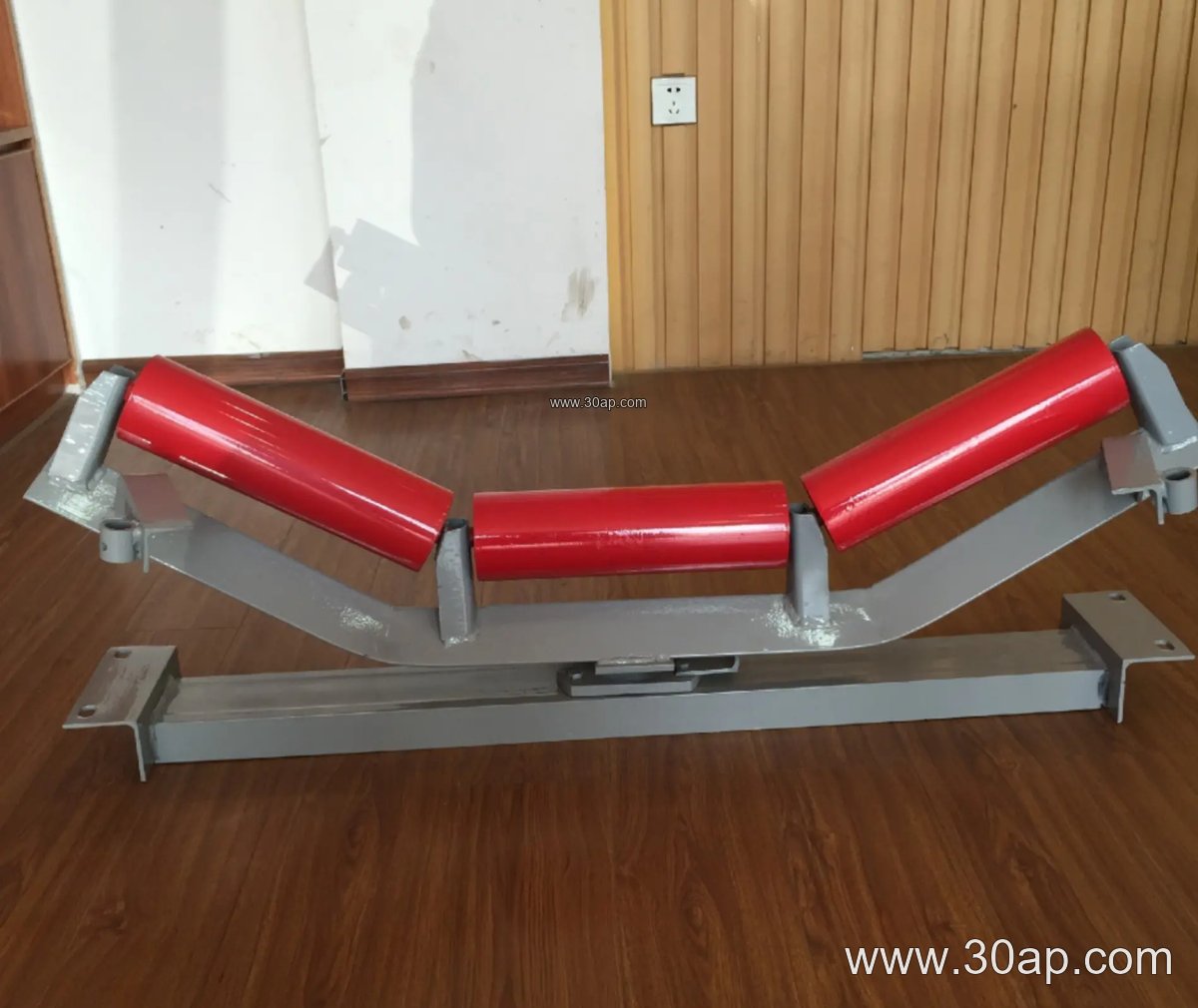
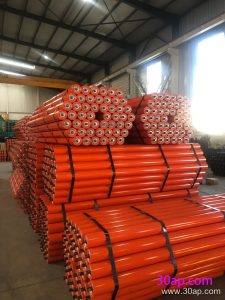
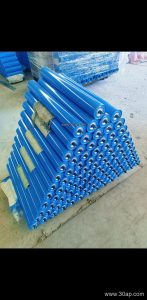
- Troughing idler frames for the carrying side, usually set at 20, 30, 35, or 45 degrees.
- Return frames with flat or V-shaped idlers to support the empty belt.
- Impact frames with cushion idlers under the loading point.
- Self-aligning frames that correct belt tracking.
- Adjustable frames that allow the trough angle to be changed on site.
Materials are selected for the duty. In a limestone mine or a power plant coal yard, frames are often galvanized or painted to resist corrosion. In a crushing circuit, heavier channel sections absorb impact from large rock.
Matching Frame to Belt and Idlers
The frame must suit the belt width and the idler diameter. Common belt widths run from B500 up to B2200, and idler diameters from Ø89 to Ø194. A typical combination might be B800 with a 35-degree trough and Ø108 idlers, or B1200 with a 45-degree trough and Ø133 idlers. These are examples, not fixed rules: the same belt width can work with different trough angles and roller sizes depending on the material and capacity.
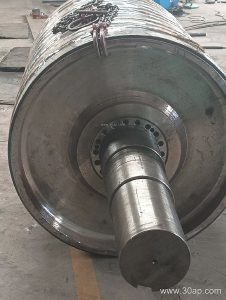
Installation hole spacing and crossbeam length change with belt width and trough angle, so the frame is usually made to order. When specifying, give the belt width, the trough angle, the idler diameter, and the load. The frame should also match the pulley size at the head and tail, since drive, tail, and bend pulleys are not interchangeable and each needs its own support geometry.
Where Frames Are Used
You will find conveyor frames in almost every bulk handling operation. In a sand and gravel line, they carry an abrasion resistant conveyor belt through screening and stockpiling. In a cement plant, they support clinker and raw meal transport. In a coal washing plant, flame retardant conveyor belts run on frames designed for dusty, damp conditions. Port terminals use long frames for ship loading, and steel plants use them for sinter and ore.
The frame also interacts with other components. A misaligned frame will cause a fabric core conveyor belt or steel cord conveyor belt to train poorly, no matter how well the idlers are made. That is why frame straightness and level are checked before the belt is tensioned.
Buyer Checklist
Before ordering, confirm the belt width, the idler diameter, the trough angle, and the loading method. Ask for the frame material and surface treatment. Check whether the design allows adjustment for belt tracking. For a quarry conveyor belt or a mining conveyor belt, consider impact frames at transfer points. For long runs, ask about modular sections to simplify shipping and installation. A frame that fits the belt, the idlers, and the pulleys will keep the whole system running smoothly.