What the pulley does in an aggregate line
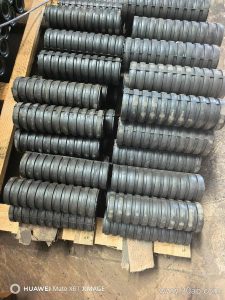
A sand and gravel plant conveyor pulley is the rotating drum that carries and drives the belt between the loading point and the stockpile. In a typical crushing and screening circuit, you will find several of them doing different jobs: one pulls the belt at the head, one returns it at the tail, and others guide it around bends or add wrap to the drive. The pulley is a small part of the capital cost but a large part of uptime, because a seized bearing or a worn lagging surface can stop an entire aggregate conveyor belt line.
The product is usually described by its function and its dimensions, for example B800 × Ø500 or B1200 × Ø1000. Those numbers are reference combinations, not fixed rules; final sizing is always determined by belt tension, torque and shaft load.
How it is built
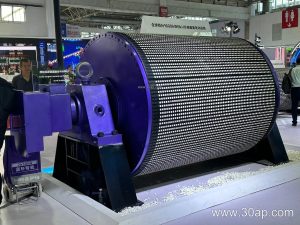
Most units use a welded steel shell with dished or flat end discs, a through shaft, and bearing housings mounted on the frame. The shell is machined or balanced so the belt tracks without wandering. Surface treatment is where buyers see the most variation:
- Plain shell for light duty or where the belt is already gripped elsewhere
- Hot vulcanized rubber lagging for general aggregate service
- Diamond or herringbone grooving to shed water and fines
- Ceramic lagging for high-torque drive positions
Lagging thickness commonly runs 8, 10, 12, 15 or 20 mm depending on the duty. Shaft diameters typically fall between Ø50 and Ø200 and are calculated from torque and bending load, not copied from the belt width.
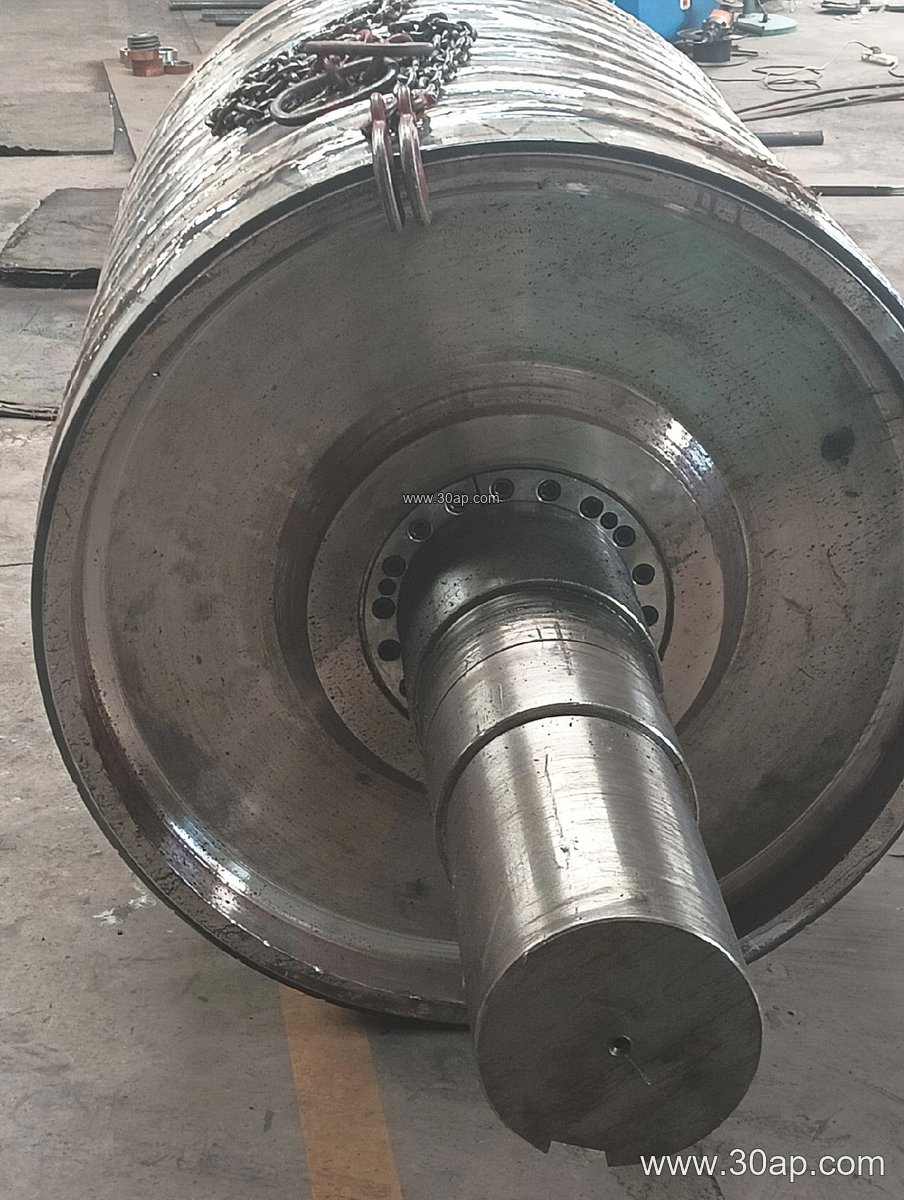
Drive, tail and bend positions are not interchangeable
A drive pulley transmits power and needs enough wrap angle and grip; a tail pulley returns the belt and often carries a self-cleaning or wing design to shed sticky material; a bend pulley only changes belt direction and carries far less torque. Treating these as one generic item leads to under-specified drives and over-specified bends. A wing pulley at the tail of a crusher discharge, for instance, lets rock chips fall away instead of packing into the shell.
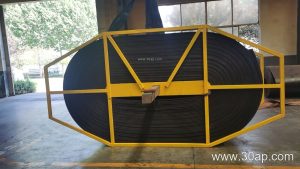
Where a plant also runs a chevron conveyor belt or a corrugated sidewall belt on a steep incline, the pulley face and the belt profile must be checked together so the cleats do not ride on the lagging.
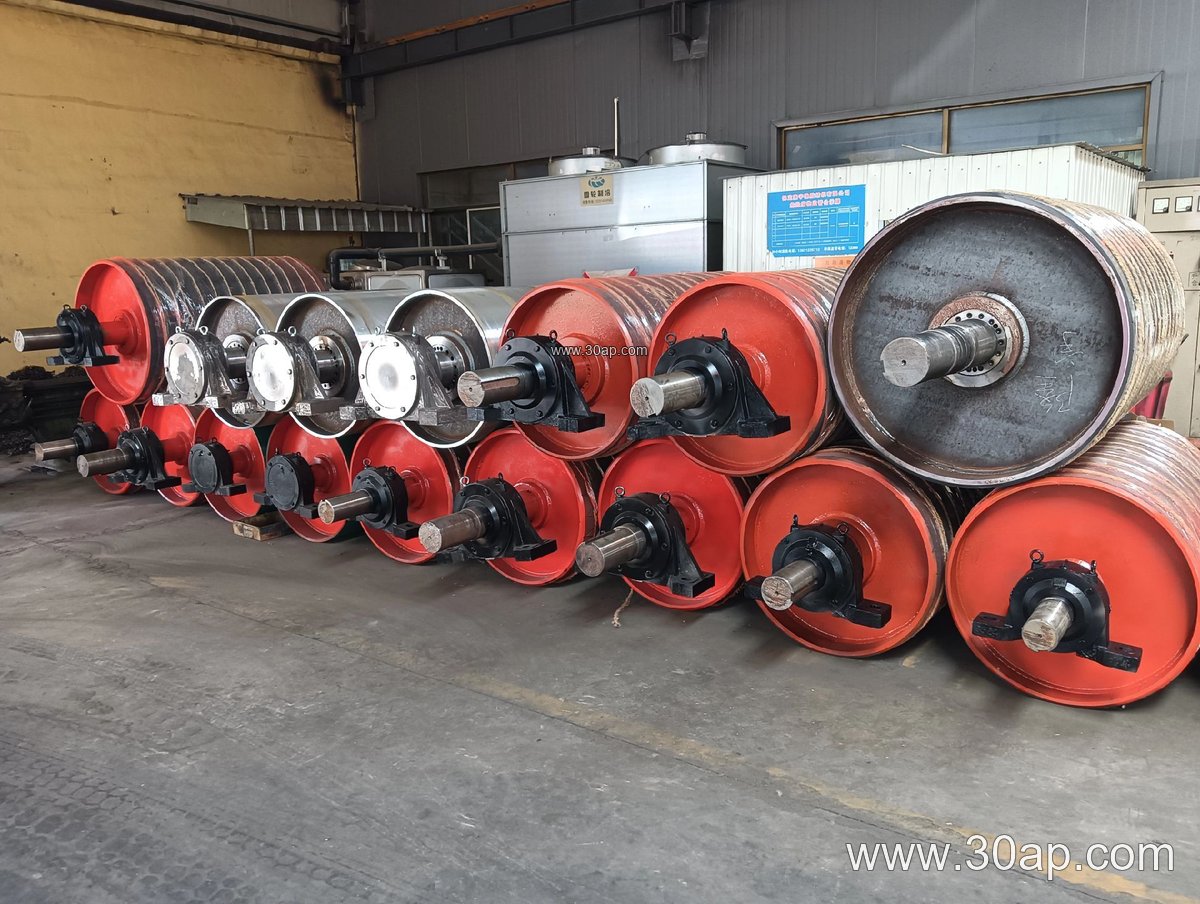
Where these pulleys work
Quarries and sand and gravel pits are the classic home, but the same hardware appears in limestone mines, concrete batching plants and tunnel spoil handling. Downstream, cement plants move clinker and raw meal on similar conveyors, and power stations use them on coal handling lines. In washing plants the wet, abrasive duty pushes buyers toward abrasion resistant conveyor belt grades and ceramic or grooved lagging. For heavy ore duty, a steel cord conveyor belt or a heavy-duty mining conveyor belt may call for a larger shell and thicker lagging than an aggregate line would.
Sizes and surface options at a glance
The table below shows common reference values. They are starting points for a specification discussion, not universal matches.
| Parameter | Common reference values |
|---|---|
| Belt width B | B400, B500, B650, B800, B1000, B1200, B1400, B1600, B1800, B2000 |
| Pulley diameter | Ø200, Ø250, Ø315, Ø400, Ø500, Ø630, Ø800, Ø1000, Ø1250, Ø1400 |
| Face width | Usually wider than the belt, e.g. B800 about 950 mm, B1200 about 1400 mm |
| Lagging thickness | 8, 10, 12, 15, 20 mm |
| Shaft diameter | Ø50 to Ø200, set by torque and load |
| Surface | Plain, hot vulcanized rubber, cold bonded rubber, diamond, herringbone, ceramic |
What a buyer should confirm
- Belt width, belt type and the actual running tension at that pulley
- Position in the line and whether it drives, returns or only bends the belt
- Material conditions: wet, abrasive, oily or hot, which affects lagging choice
- Bearing type, sealing and lubrication access for the maintenance team
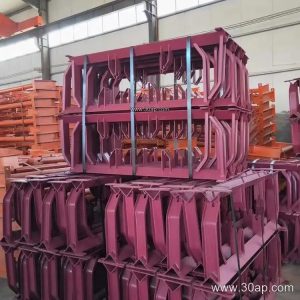
- Compatibility with the conveyor bracket and frame dimensions on site
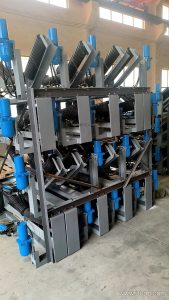
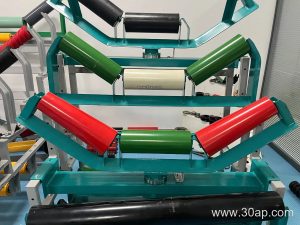
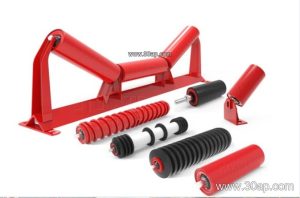
It also pays to check the belt itself. An EP conveyor belt, an NN conveyor belt or a multi-ply fabric core conveyor belt each behaves differently under load, and the pulley diameter must respect the minimum bend radius recommended for that construction. Matching a new drum to the existing idler roller heights and belt path avoids re-alignment work later.
Finally, keep spare lagging and bearings for the drive position, since that is where wear and slip appear first. A plant that records pulley diameter, face width and lagging thickness for every unit will replace them faster and with fewer mistakes. For more on matched conveyor components, see the range at www.shushengconveyor.com covering conveyor pulley, idler roller and conveyor belt options for aggregate and mining duty.