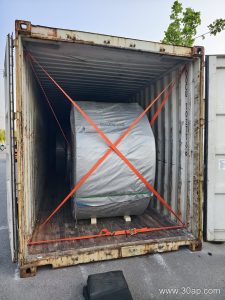
What the NN300 Conveyor Belt Is
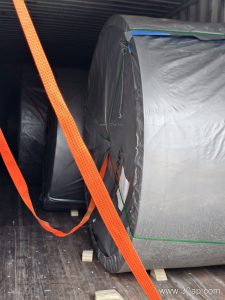
The NN300 conveyor belt is a nylon fabric core belt designed for demanding bulk material transport. In this designation, “NN” indicates nylon warp and nylon weft, while 300 refers to the nominal tensile strength per ply in N/mm. It belongs to the broader family of fabric core conveyor belts and sits in the mid-to-high strength range of the NN series, above NN200 and below NN400. Buyers often encounter it as an NN conveyor belt or nylon conveyor belt, but the full name preserves the specific strength class.
This belt is not a niche product. It is a workhorse in mining, cement, power generation, and aggregate processing, where conveyors must run for long shifts without frequent stoppages. The nylon carcass gives it good flexibility and resistance to fatigue, which matters on systems with multiple pulleys and long centre distances.
Construction and Materials
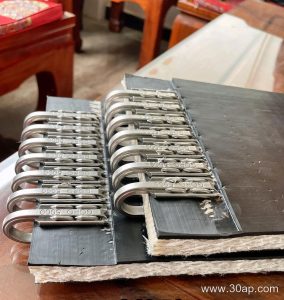
An NN300 conveyor belt typically consists of two to six plies of nylon fabric embedded in rubber. The warp and weft yarns are both nylon, which provides high strength in both directions and excellent resistance to impact and flexing. The top and bottom cover rubber grades are selected to suit the application: abrasion resistant, heat resistant, oil resistant, flame retardant, or anti-static compounds are common options.
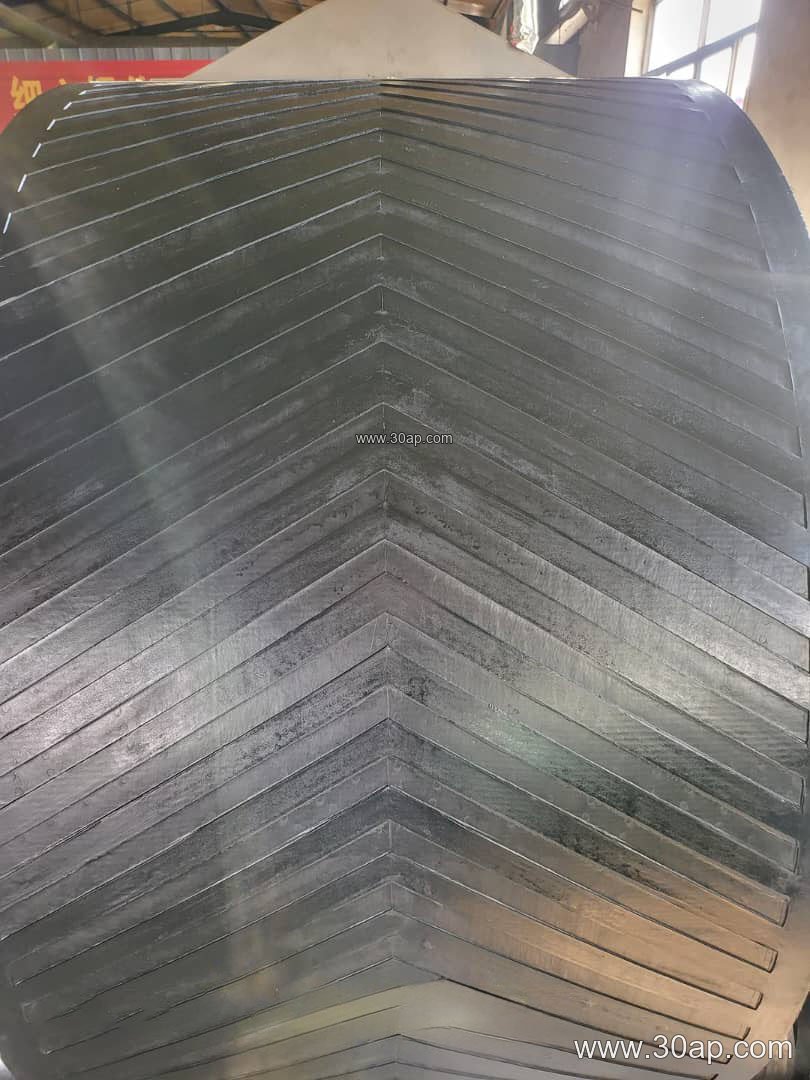
Cover thickness follows the duty. Typical combinations include 3+1.5 mm, 4+2 mm, 5+2 mm, 6+2 mm, and 8+3 mm. The first number is the top cover, the second the bottom cover. For heavy abrasive loads such as iron ore or crushed rock, thicker covers help extend service life. The carcass itself is protected by skim rubber between plies and edge rubber to resist water ingress.
Where It Fits in the Conveyor System
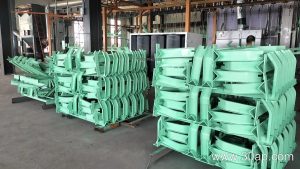
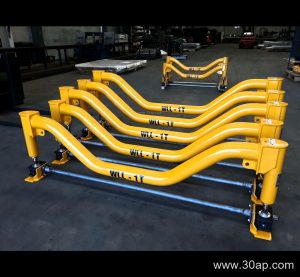
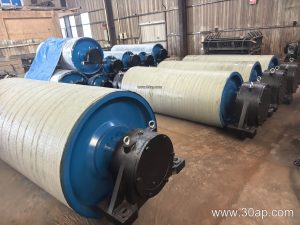
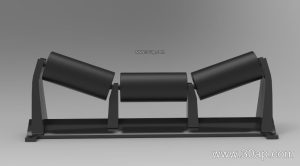
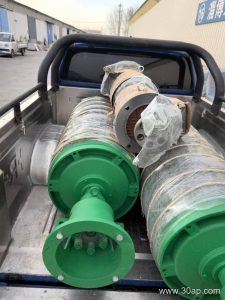
The belt runs over a series of conveyor pulleys and idler rollers supported by conveyor brackets. The drive pulley transmits motion, the tail pulley provides tension, and bend pulleys route the belt. These are distinct components and are not interchangeable. The NN300 belt is commonly used in:
- Mining and quarrying: ore, coal, and overburden transport.
- Cement plants: clinker, limestone, and raw meal.
- Power plants: coal handling and ash transport.
- Sand and gravel operations: aggregate and crusher feed.
- Ports and ship loading: bulk material transfer.
For very high strength or long overland routes, a steel cord conveyor belt may be specified, but the NN300 remains a practical choice for many medium-duty and heavy-duty circuits where flexibility and spliceability are valued.
Common Specifications
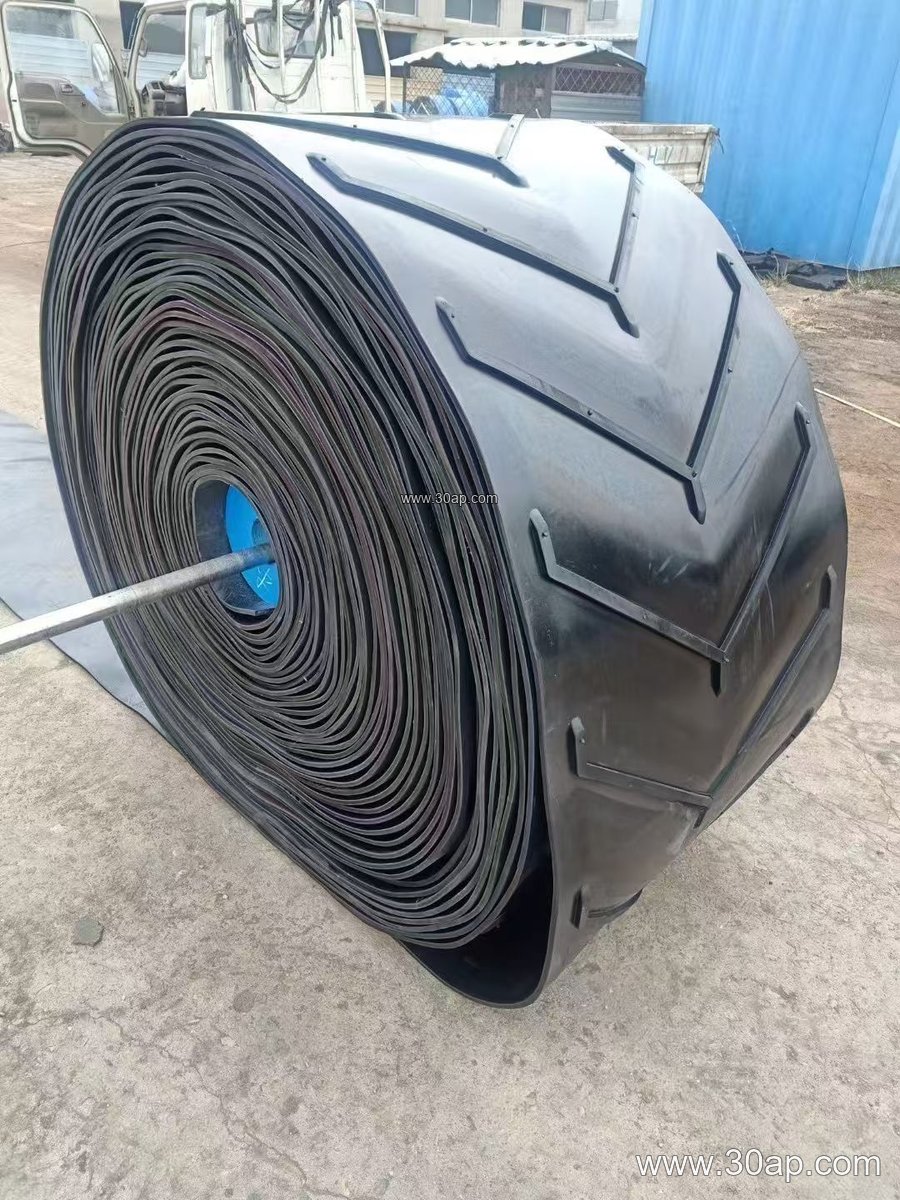
NN300 belts are available in a range of widths and configurations. The table below shows typical reference values; actual supply depends on the manufacturer and the engineered application.
| Parameter | Common Range |
|---|---|
| Belt width | B500, B650, B800, B1000, B1200, B1400, B1600, B1800 |
| Number of plies | 2 to 6 |
| Cover thickness | 3+1.5 mm, 4+2 mm, 5+2 mm, 6+2 mm, 8+3 mm |
| Tensile strength per ply | 300 N/mm (nominal) |
| Cover grades | Abrasion resistant, heat resistant, oil resistant, flame retardant, anti-static, cold resistant |
These values are indicative and should be confirmed against the design requirements of the conveyor. A wider belt does not automatically dictate a specific pulley diameter; pulley sizing depends on belt tension, ply count, and the pulley location in the system.
Selection and Maintenance Notes
When choosing an NN300 conveyor belt, consider the material being carried, lump size, loading impact, and ambient conditions. For coal mining or underground coal mining, flame retardant and anti-static properties are often required. In cement plants, heat resistant grades may be needed near kilns. For quarry and crusher duty, high abrasion resistant covers help reduce wear.
Proper alignment of idler rollers and pulleys prevents edge damage. Keep the belt tensioned according to the manufacturer’s recommendation, and inspect splices regularly. The nylon carcass tolerates flexing well, but sharp edges on the loading chute or structure can cut the belt. Using a skirted conveyor belt or corrugated sidewall conveyor belt is a different design choice for containing material, not a replacement for the NN300 in general transport.
For buyers sourcing through a conveyor belt supplier, specify the required width, ply count, cover thickness, and cover grade. The NN300 designation alone does not define the full belt; those additional details ensure the correct product for the duty.