What a Skirted Conveyor Belt Is
A skirted conveyor belt is a fabric or steel-reinforced belt fitted with raised rubber or PVC side walls, usually called skirts, that run along both edges of the carrying surface. The skirts form a shallow trough or channel that keeps loose material from spilling over the edges, especially at loading points, on inclines, and where the belt transitions between idlers. In many plants the product is also described as a belt with rubber skirts or a side-skirted belt, and those names refer to the same construction.
The skirted design differs from a corrugated sidewall belt. A corrugated sidewall conveyor belt uses tall, accordion-folded walls and often cleats to lift material at steep angles. The skirted belt is normally a flatter, lower-profile solution for spill control on conventional troughed conveyors. Both belong to the same family of contained bulk handling belts, but they are not interchangeable.
How the Belt Is Built
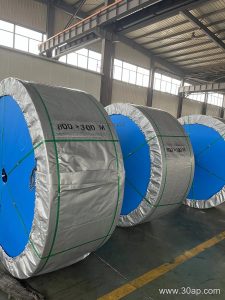
The base belt is a standard carcass, typically EP or NN fabric core, with rubber covers on the top and bottom. Skirts are bonded or vulcanized to the top cover near each edge. A typical build includes:
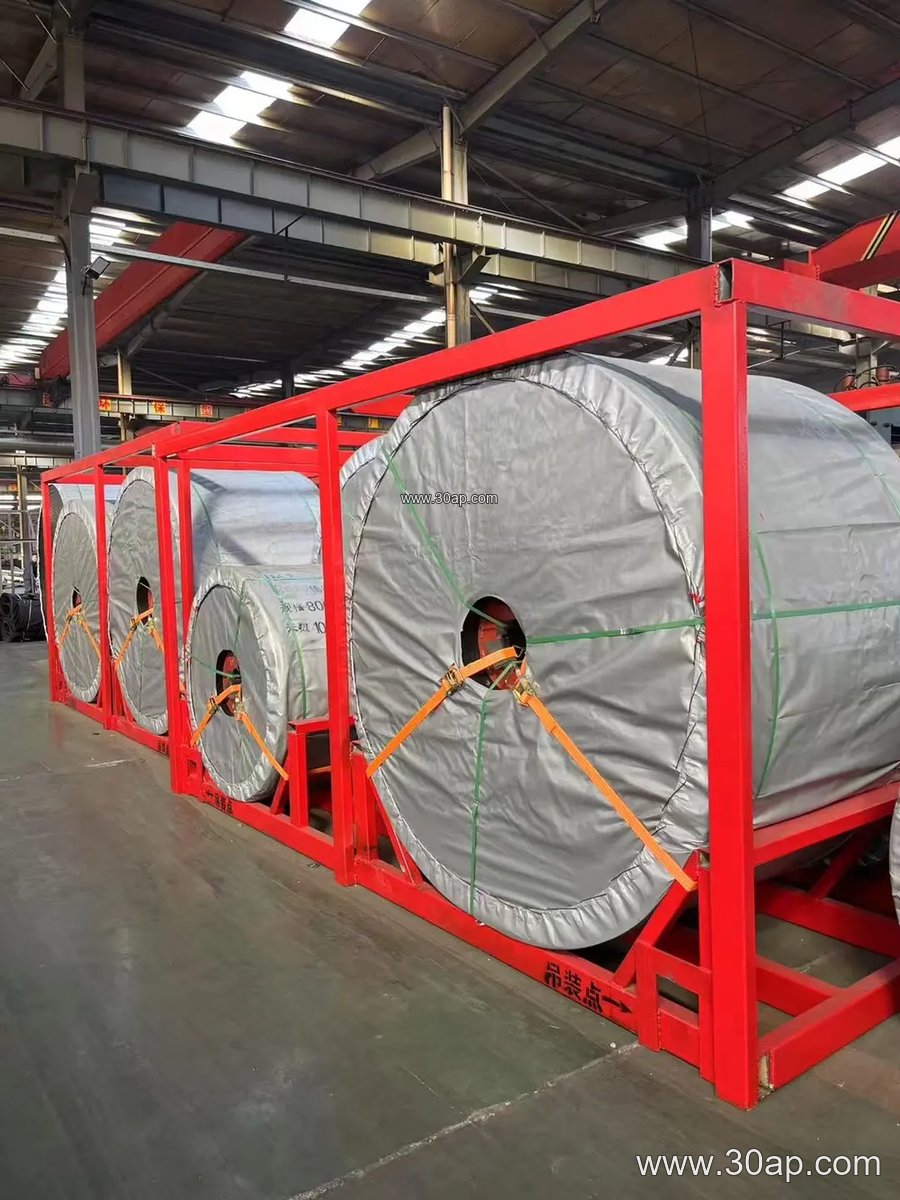
- A fabric core such as EP100, EP200, EP315 or EP400, or a heavier EP630 to EP1000 carcass for long runs and high tension.
- Top and bottom covers in common gauges like 4+2 mm, 5+2 mm or 6+2 mm, selected for abrasion, oil, heat or flame resistance.
- Rubber skirts in a height suited to the material load, usually from about 30 mm to 100 mm, fixed at a set distance from the belt edge.
- Optional cleats or cross-ribs where the belt must carry material up an incline.
Belt width is matched to the conveyor frame, not to a single pulley size. Common widths include B500, B650, B800, B1000, B1200 and B1400, with wider options available for large transfer points. A 1000mm wide skirted belt and a 1200mm wide unit can both run on the same conveyor frame if the pulley and idler arrangement is designed for that width.
Where Skirted Belts Are Used
Spill control is the main reason plants choose this belt. It appears in cement plants at clinker and raw meal transfer points, in coal handling systems and power plant coal yards, in quarry and aggregate operations feeding crushers and screens, and in sand and gravel plants where fines escape easily. Mining operations also use skirted belts on surface conveyors and in some underground sections where dust and spillage must be limited.
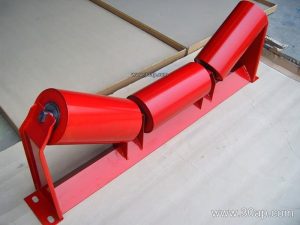
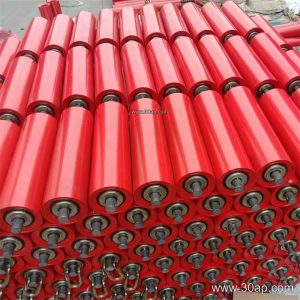
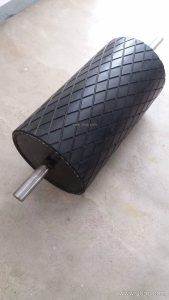
The belt works with standard conveyor components. A conveyor pulley at the drive and tail ends, idler rollers supporting the carrying run, and conveyor brackets holding the frame together all remain part of the system. The skirt does not replace the need for proper belt training or a well-aligned conveyor pulley.
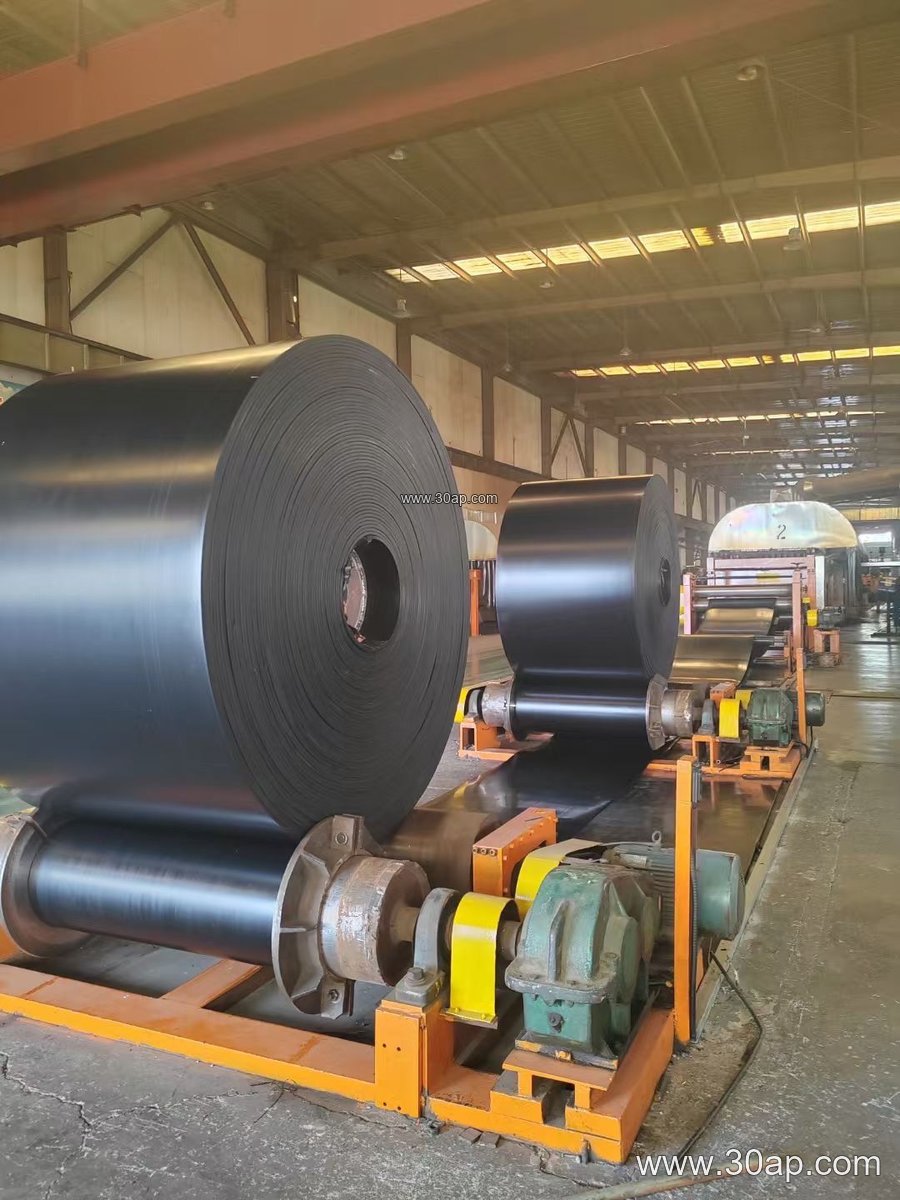
Selection Points for Buyers
Several details decide whether a skirted belt performs well:
- Material characteristics: abrasive ore, hot clinker, oily scrap or fine dust each call for a different cover compound. An abrasion resistant conveyor belt is common in quarry and iron ore service, while a heat resistant grade suits cement and steel plant transfers.
- Skirt height and position: too tall a skirt can rub on idlers; too short a skirt allows spillage. The skirt line should sit inside the troughing zone and clear the conveyor pulley and idler roller edges.
- Carcass strength: match the EP or NN grade to the calculated tension. A short transfer may only need EP200, while a long inclined run could require EP630 or a steel cord conveyor belt.
- Environmental rules: coal mining and underground coal mining conveyors often require flame retardant and anti-static properties. PVG and PVC belts are also used in some underground duties.
- Loading conditions: impact beds and closely spaced idler rollers reduce stress at the feed point, which extends skirt bond life.
Installation and Maintenance Notes
Keep the skirt edges clean and check the bond line for cracking during routine inspections. Material trapped between the skirt and the belt edge can cause premature wear, so belt cleaners and skirt rubber condition matter. Confirm that the conveyor pulley diameter and the idler roller profile allow the skirt to pass without pinching. When replacing a belt, record the skirt height, cover gauge and carcass grade so the next order matches the conveyor design rather than a guessed size.
For more belt, idler and pulley options, visit rubberbeltconveyor.com and review the skirted belt range alongside standard EP and NN constructions.