What a Guide Idler Bracket Does on the Conveyor
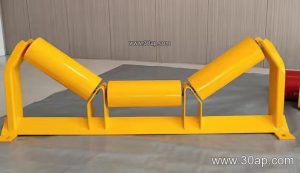
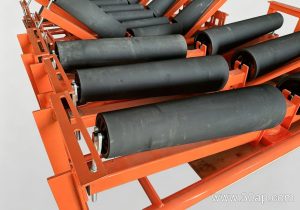
A guide idler bracket is the mounting component that holds a guide idler in position along the belt path, keeping the belt centered as it travels. In practice, this bracket works together with an idler roller and a conveyor bracket system to control belt wander before it becomes a problem. On a bulk material conveyor, even a small amount of misalignment can cause edge damage, spillage, and uneven wear, so the guide idler bracket earns its place as a small but important part of the whole structure.
The bracket is not a pulley and should not be confused with one. Drive pulleys, tail pulleys, and bend pulleys transmit power and change belt direction, while a guide idler bracket simply supports and positions a guide idler. That distinction matters when specifying replacement parts for a quarry conveyor, a cement plant, or a power plant coal handling line.
How the Bracket Is Built
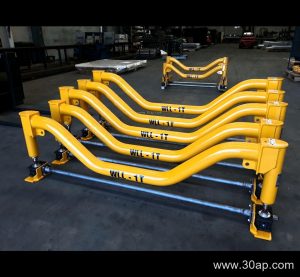
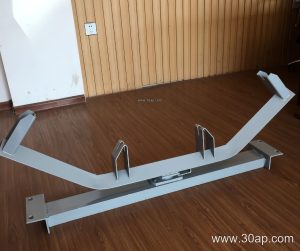
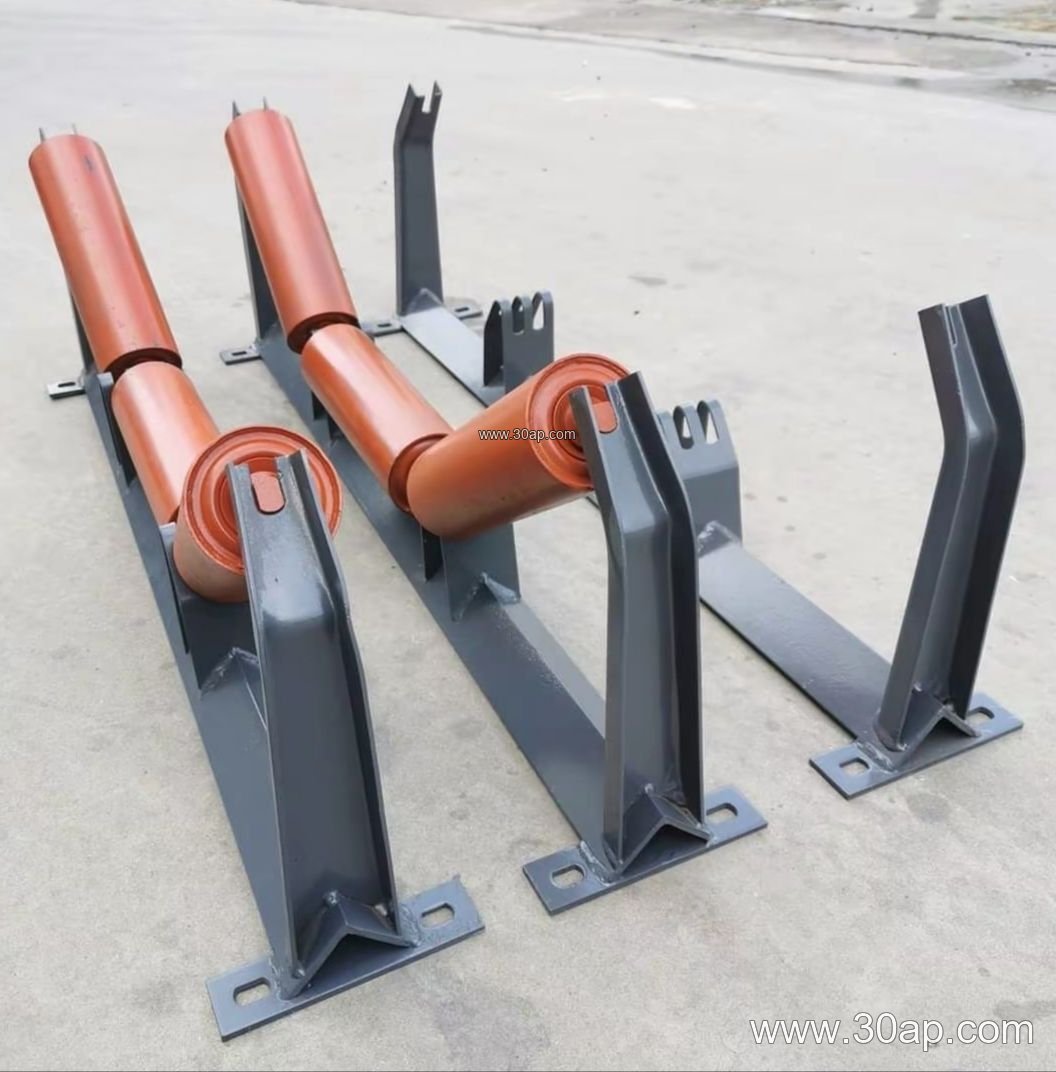
Most guide idler brackets are fabricated from angle steel, channel steel, or folded steel plate. The fabrication method affects stiffness and how well the bracket resists vibration under a loaded conveyor belt. A typical bracket includes mounting holes, a support face for the idler shaft, and sometimes an adjustable slot that allows fine positioning during installation.
Build quality shows in details: consistent hole spacing, clean welds, and a surface treatment suited to the environment. In a wash plant or a port terminal with humid air, corrosion protection matters. In a crushing and screening circuit, resistance to shock and dust is the priority.
Where Guide Idler Brackets Are Used
These brackets appear wherever belt tracking needs active control. Two common settings illustrate the range:
- Coal handling in a power plant: long transfer conveyors benefit from guide idlers that correct drift before the belt reaches the head end.
- Aggregate and sand production lines: short, heavily loaded conveyors after a crusher often need guide brackets to keep the belt steady through loading points.
Other industries such as fertilizer plants, grain silos, and tunnel spoil removal use similar arrangements when belt alignment is critical. The bracket itself is simple, but its placement along the conveyor frame determines how effectively the guide idler does its job.
Matching Bracket, Belt Width, and Idler Diameter
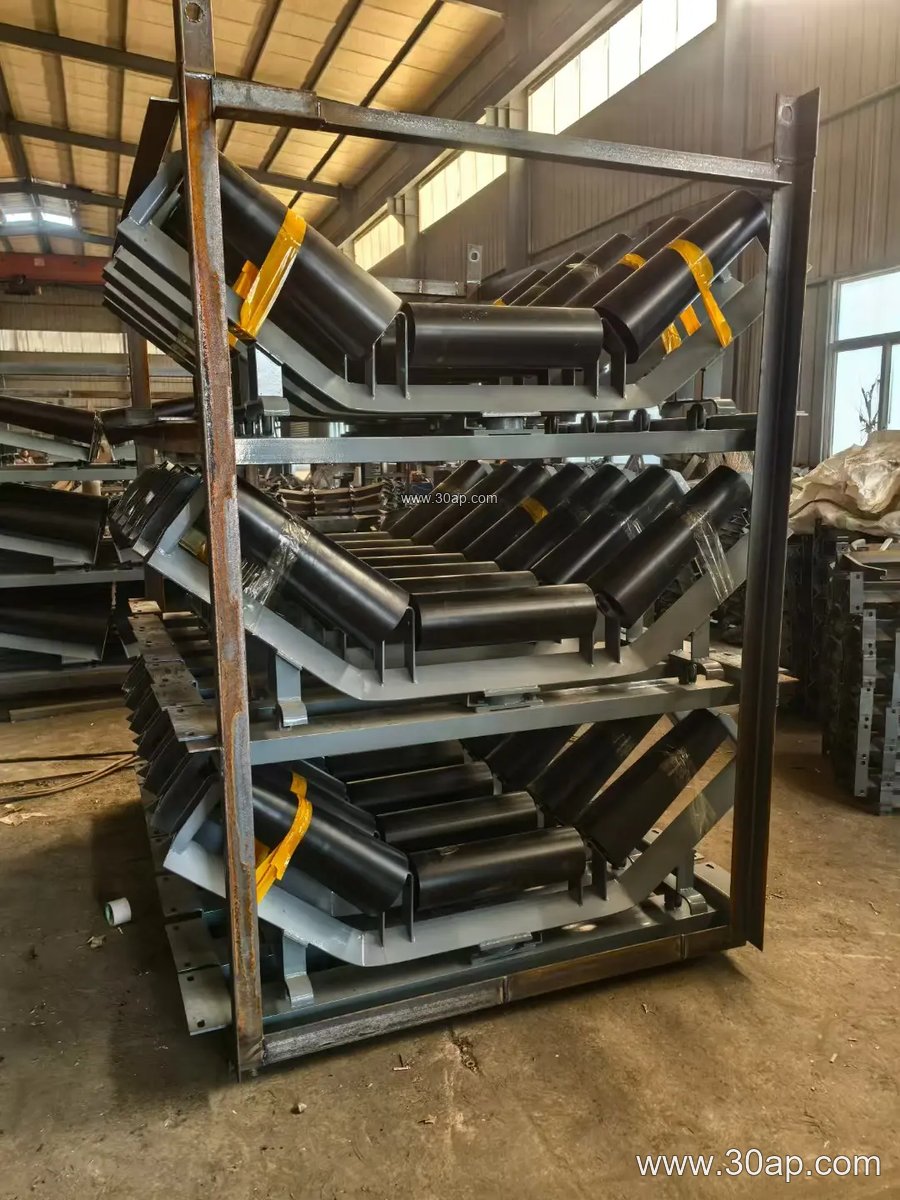
Selection starts with the belt width and the idler diameter the bracket must carry. The table below shows common reference combinations; these are examples, not fixed rules, and final values should follow the conveyor design.
| Belt Width | Trough Angle | Idler Diameter | Typical Bracket Note |
|---|---|---|---|
| B500 | 20 degrees | Ø89 | Light frame, compact mounting |
| B650 | 30 degrees | Ø89 | Common in small transfer lines |
| B800 | 35 degrees | Ø108 | Widely used in aggregate plants |
| B1000 | 35 degrees | Ø108 | General bulk material duty |
| B1200 | 45 degrees | Ø133 | Heavier loading, deeper trough |
| B1400 | 45 degrees | Ø159 | High capacity main lines |
| B1600 | 35 degrees | Ø159 | Large tonnage conveyors |
| B1800 | 45 degrees | Ø194 | Heavy-duty mining service |
Mounting hole spacing and crossbeam length change with belt width and trough angle, so they should be confirmed from the drawing rather than assumed. A bracket for one width will not automatically suit another, and one belt width does not lock the design to a single trough angle or roller diameter.
Fixed Versus Adjustable Guide Brackets
Fixed brackets hold the idler at a set position and suit conveyors where alignment is stable. Adjustable brackets allow the guide idler to be moved during commissioning or after belt stretch, which helps in long systems and in installations where the belt may be replaced with a different grade, such as an EP conveyor belt or a steel cord conveyor belt. Neither type is universally better; the choice depends on how much field adjustment the maintenance team expects to need.
Buyer Checklist
- Confirm belt width, trough angle, and idler shaft diameter before ordering.
- Check the mounting hole pattern against the existing conveyor frame.
- Ask about material thickness and surface treatment for the site environment.
- Verify whether the bracket is fixed or adjustable, and how much travel the adjustment provides.
- Keep spare guide idler brackets on hand for critical conveyors to reduce downtime.
For more on matching brackets with idlers and belts, visit www.example.com/conveyor-idler or www.example.com/conveyor-bracket. A well-chosen guide idler bracket is a modest part, but it protects the conveyor belt and keeps the whole line running straight.