What a Fire Resistant Conveyor Belt Is
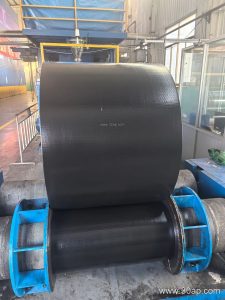
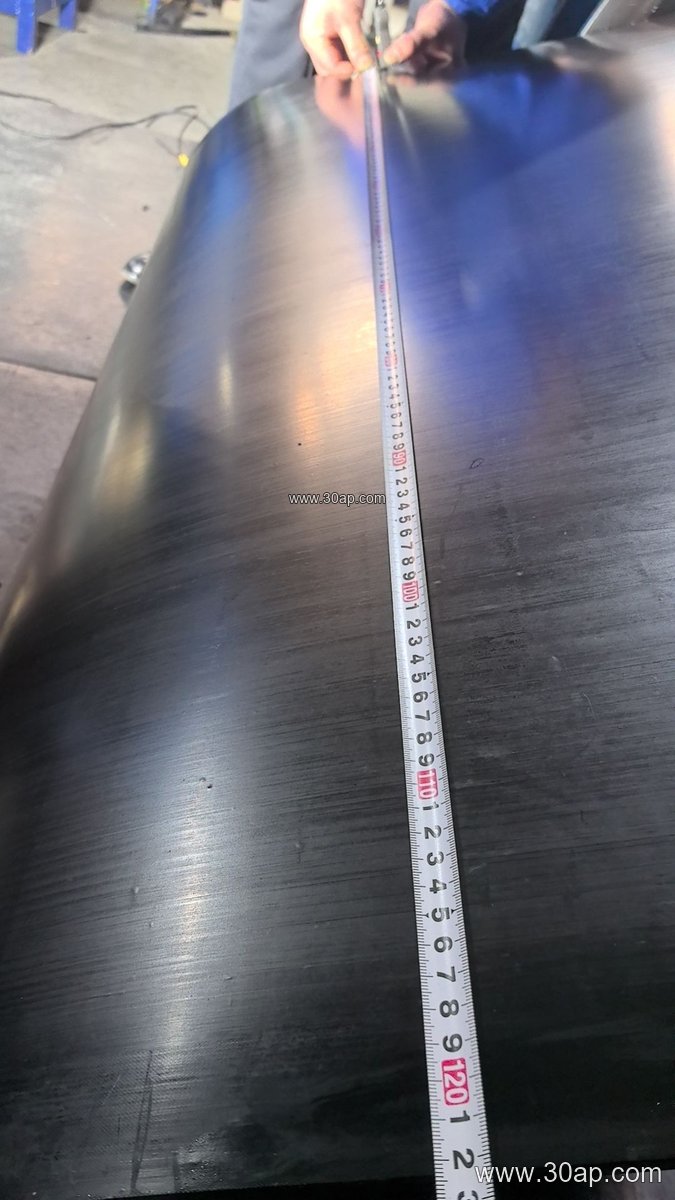
A fire resistant conveyor belt is a specialized rubber conveyor belt designed to resist ignition and limit flame spread in environments where sparks, hot material, or combustible dust present a risk. Often referred to as a flame retardant conveyor belt, it is a critical safety component in mining, coal handling, power generation, and other industries where fire safety is paramount. While standard belts focus on strength and abrasion resistance, this belt prioritizes fire safety without compromising load-carrying capacity.
These belts are engineered to meet specific safety standards, though exact performance varies by manufacturer. They are commonly used in underground coal mining, cement plants, and port facilities where the combination of heavy loads and fire hazards demands robust protection.
Construction and Materials
A fire resistant conveyor belt typically uses a fabric core or steel cord reinforcement, similar to other heavy-duty belts, but with cover compounds and core constructions formulated to resist flame propagation. The rubber covers often contain additives that suppress combustion and reduce smoke emission. Common carcass types include EP (polyester-cotton) and NN (nylon-nylon) fabrics, as well as steel cord, each offering different strength and elongation characteristics.
For example, an EP conveyor belt with fire-resistant properties might use multiple plies of EP fabric embedded in rubber, while a steel cord version uses brass-plated steel cords for high tensile strength. The cover compounds are usually based on chloroprene rubber (CR) or styrene-butadiene rubber (SBR) with flame-retardant additives. Thicknesses for top and bottom covers are often specified as 3+1.5 mm, 4+2 mm, or 6+2 mm, depending on the application and required durability.
Where It Is Used
Fire resistant conveyor belts are indispensable in industries where fire hazards are inherent to the process. In coal mining, both surface and underground operations rely on these belts to transport coal safely, as coal dust and methane can create explosive atmospheres. Power plants use them in coal handling systems to prevent fires from spreading along the conveyor line. Cement plants, with their high-temperature clinker and potential for sparks, also benefit from fire-resistant belts. Other applications include steel mills, foundries, and recycling facilities where hot materials or flammable debris are present.
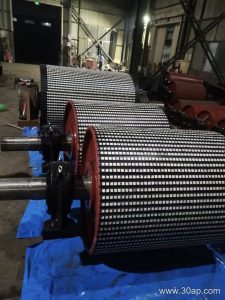
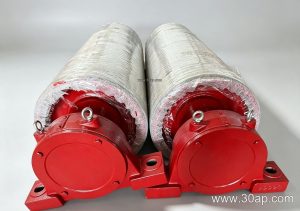
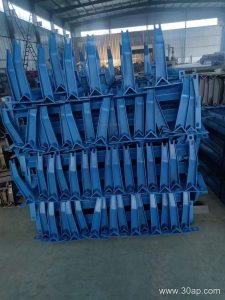
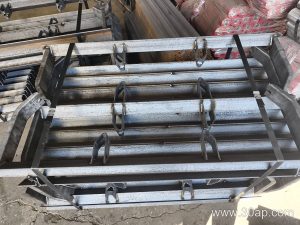
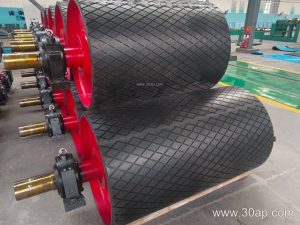
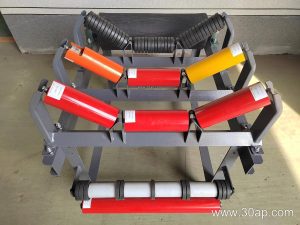
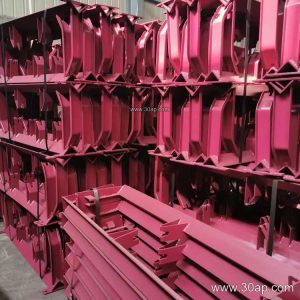
In these settings, the belt works alongside conveyor pulleys, idler rollers, and conveyor brackets to form a complete material handling system. Proper alignment and maintenance of these components are essential to prevent friction heating that could compromise the belt’s fire resistance.
Key Specifications and Selection Factors
When selecting a fire resistant conveyor belt, buyers should consider several parameters. The belt width must match the conveyor system, with common widths including 500 mm, 650 mm, 800 mm, 1000 mm, 1200 mm, 1400 mm, and 1600 mm. Wider belts up to 2000 mm or more are available for high-capacity applications. The tensile strength of the carcass is another critical factor, often expressed in EP grades such as EP200, EP400, EP630, EP1000, or EP1250, or steel cord grades like ST1000, ST1600, or ST2000.
Cover thickness and quality affect both fire resistance and wear life. A typical specification might be 4+2 mm covers with an EP1000 carcass for a coal mining application. However, these values are reference points; actual requirements depend on load, speed, and environmental conditions. Buyers should also verify that the belt meets relevant fire safety standards, such as MSHA or ISO, though certifications vary by region and manufacturer.
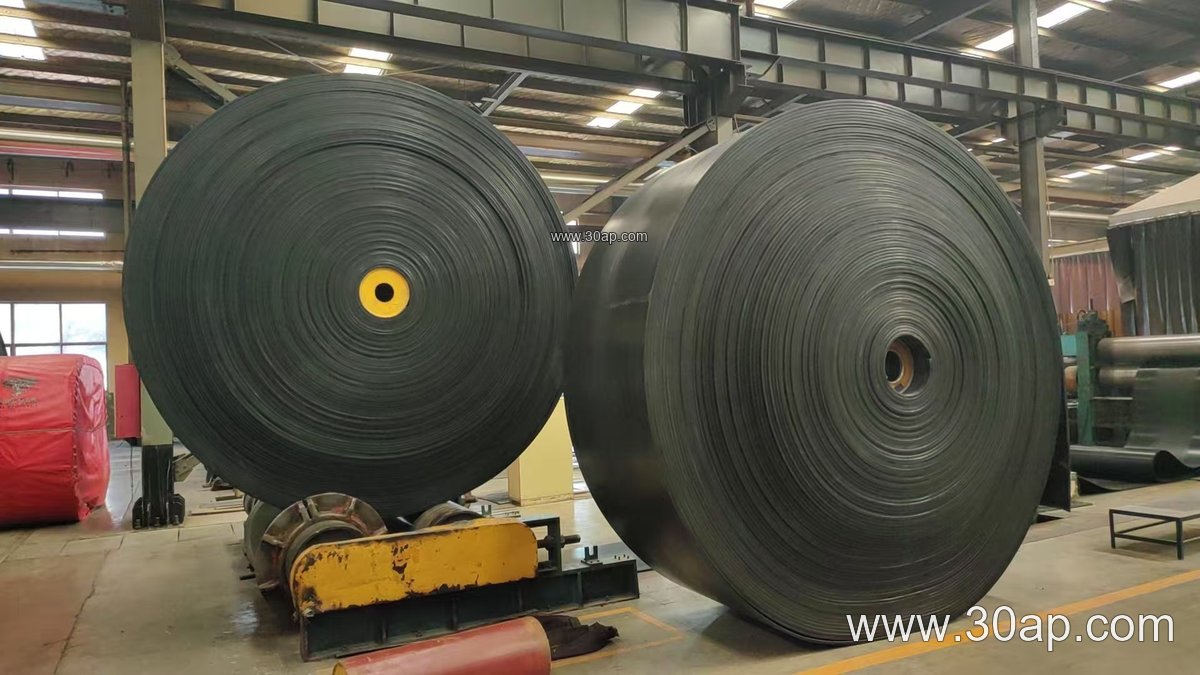
Other considerations include the number of plies (commonly 2 to 6), the type of edge (cut or molded), and the need for anti-static properties, which are often combined with fire resistance in underground mining belts.
Installation and Maintenance Tips
To maximize the service life of a fire resistant conveyor belt, proper installation and maintenance are crucial. Ensure that the belt is correctly tensioned and aligned to avoid rubbing against conveyor brackets or idler rollers, which can generate heat. Regular inspections should check for wear, cuts, and cover damage that could expose the carcass and reduce fire resistance. Keep the conveyor system clean from combustible dust and material spillage. When splicing, use fire-resistant splice materials and follow manufacturer guidelines to maintain the belt’s integrity.
In high-risk areas, consider additional safety measures such as fire detection systems and automatic sprinklers. Remember that while a fire resistant conveyor belt reduces fire risk, it does not eliminate it entirely; proper system design and housekeeping are equally important.
Conclusion
Choosing the right fire resistant conveyor belt involves balancing safety, strength, and durability. By understanding the construction, applications, and key specifications, buyers can make informed decisions that enhance workplace safety and operational efficiency. Always consult with belt manufacturers and adhere to local safety regulations to ensure the best outcome for your material handling needs.