What Idler Procurement Covers
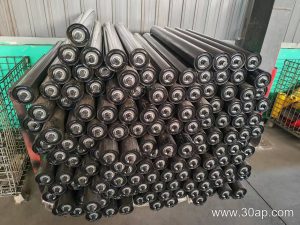
Idler procurement is the process of selecting and purchasing the rollers that support and guide a conveyor belt along its carrying and return runs. The idler roller is a deceptively simple component, yet it directly affects belt life, energy draw, and the amount of spillage a plant has to clean up. Buyers working in a quarry, a coal preparation plant, a cement kiln line, or a power station coal yard all face the same basic question: which idler configuration suits this conveyor, and what should the purchase order actually specify?
The item is also called a conveyor idler or belt idler in many catalogues. These are accurate equivalent names for the same product. They should not be confused with a conveyor pulley, which is a driven or return drum at the head, tail, or bend of the system. Drive pulleys, tail pulleys, and bend pulleys perform different work and are not interchangeable with idlers.
How an Idler Roller Is Built
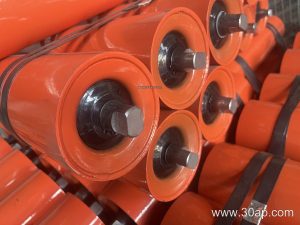
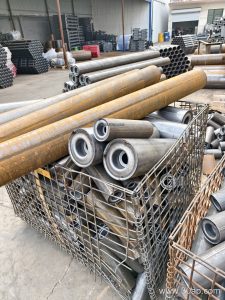
A typical idler consists of a steel tube shell, two bearing housings, a shaft, and a sealing arrangement. The shell may be plain steel, nylon-coated, ceramic-covered, or fitted with rubber rings for impact absorption. Bearing selection usually follows the load and speed of the conveyor rather than the belt width alone; common sizes include 6204, 6205, 6305, 6306, 6308, and 6310. A larger roller diameter does not automatically dictate one bearing number, and a given belt width does not lock the buyer into a single shaft size.
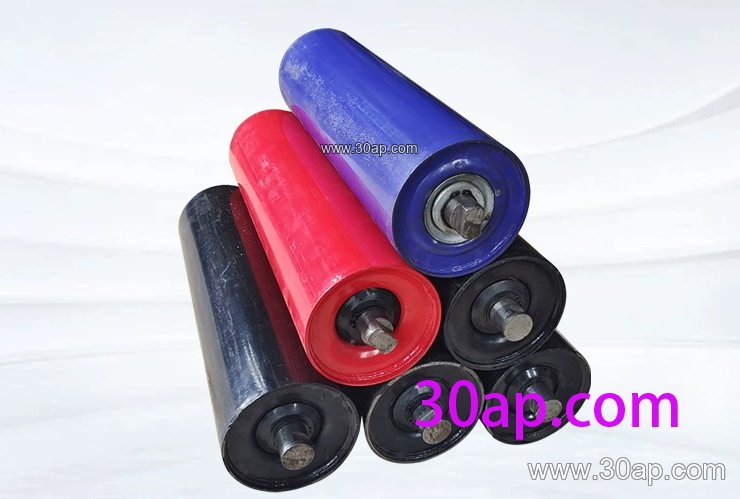
Sealing deserves close attention during procurement. Dust from limestone, iron ore, or crushed aggregate is the main enemy of bearing life. Labyrinth seals and multi-stage dust guards are common on idlers destined for dirty, wet, or high-dust environments.
Matching Idler Type to Conveyor Position
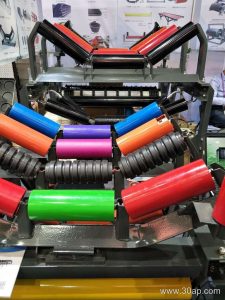
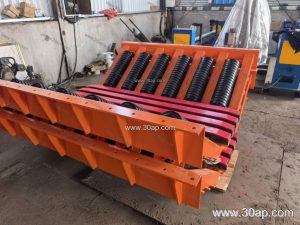
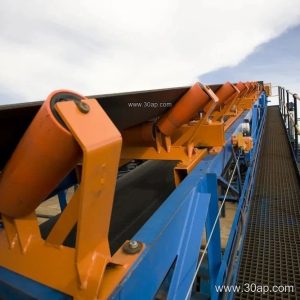
The carrying run normally uses three-roll troughing sets, while the return run may use flat or V-return idlers. Impact idlers with rubber rings are placed under loading points where coarse rock falls onto the belt. Self-aligning idlers, including friction and tapered types, help correct belt tracking on long or misaligned sections. Spiral idlers are sometimes chosen where sticky material tends to build up on the shell.
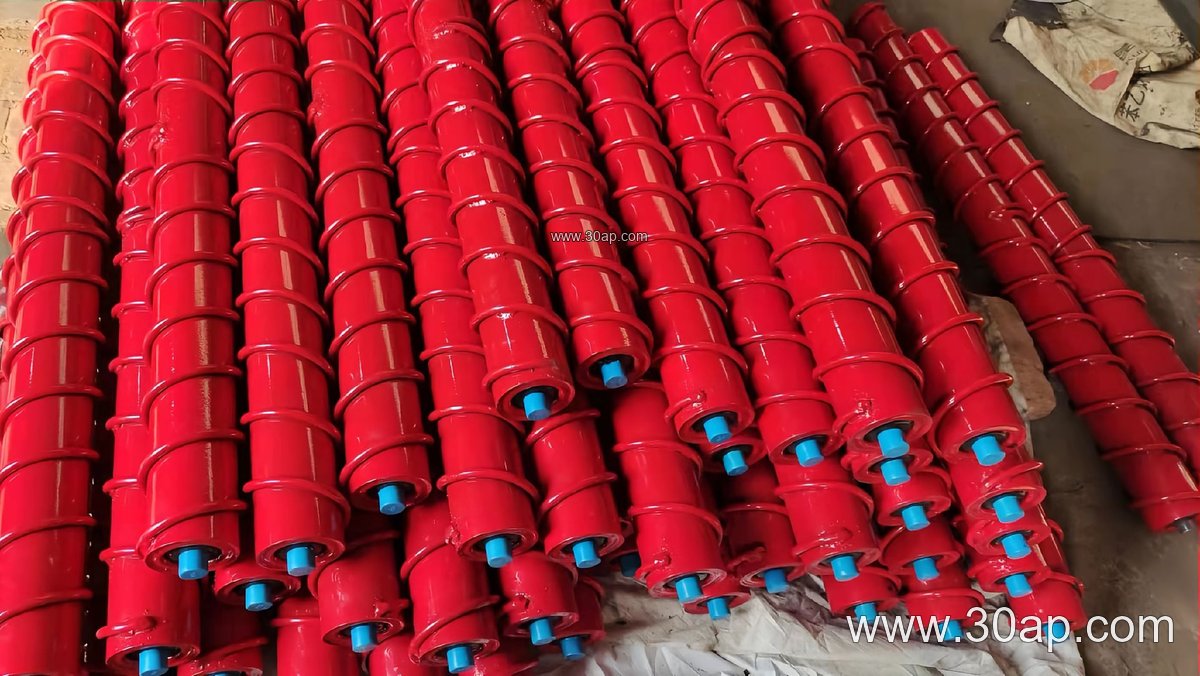
Trough angle influences how much material the belt can hold. Common angles are 20, 30, 35, and 45 degrees. A steeper trough increases capacity but can affect belt training and the behaviour of lumpy material. Forward tilt of about 1.5 to 2 degrees is sometimes used on training idlers, and this detail should be stated clearly if it matters to the application.
Common Roller Diameter and Belt Width References
The table below shows reference values only. Final dimensions are determined by the conveyor design, belt speed, load, and the idler set configuration.
| Parameter | Common Reference Values |
|---|---|
| Roller diameter | 63, 76, 89, 102, 108, 127, 133, 159, 178, 194, 219 mm |
| Belt width | B400, B500, B650, B800, B1000, B1200, B1400, B1600, B1800, B2000, B2200, B2400 |
| Trough angle | 20, 30, 35, 45 degrees |
| Roller surface | Steel tube, nylon, ceramic, rubber ring |
| Bearing examples | 6204, 6205, 6305, 6306, 6308, 6310 |
Roller length varies with belt width, trough angle, and set form. As a rough guide for three-roll troughing sets, a B500 conveyor often uses rollers around 200 mm long, B800 around 315 mm, B1000 around 380 mm, B1200 around 465 mm, and B1600 around 600 mm. Side rollers and centre rollers can differ, so these figures should never be treated as fixed pairings.
Where Idlers Are Used
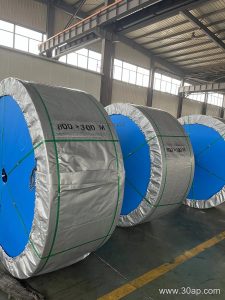
Idlers appear wherever bulk material moves on a conveyor belt. In a sand and gravel line they carry crushed stone between screening stages. In a coal yard or underground coal mining conveyor they support high-tonnage flows and must resist dust and, in some cases, flame spread. Cement plants rely on them through clinker and raw meal circuits, while ports use them on ship loading and stockyard conveyors. The belt itself may be an EP conveyor belt, a steel cord conveyor belt, or a flame retardant conveyor belt, but the idler selection still follows the load, speed, and environment.
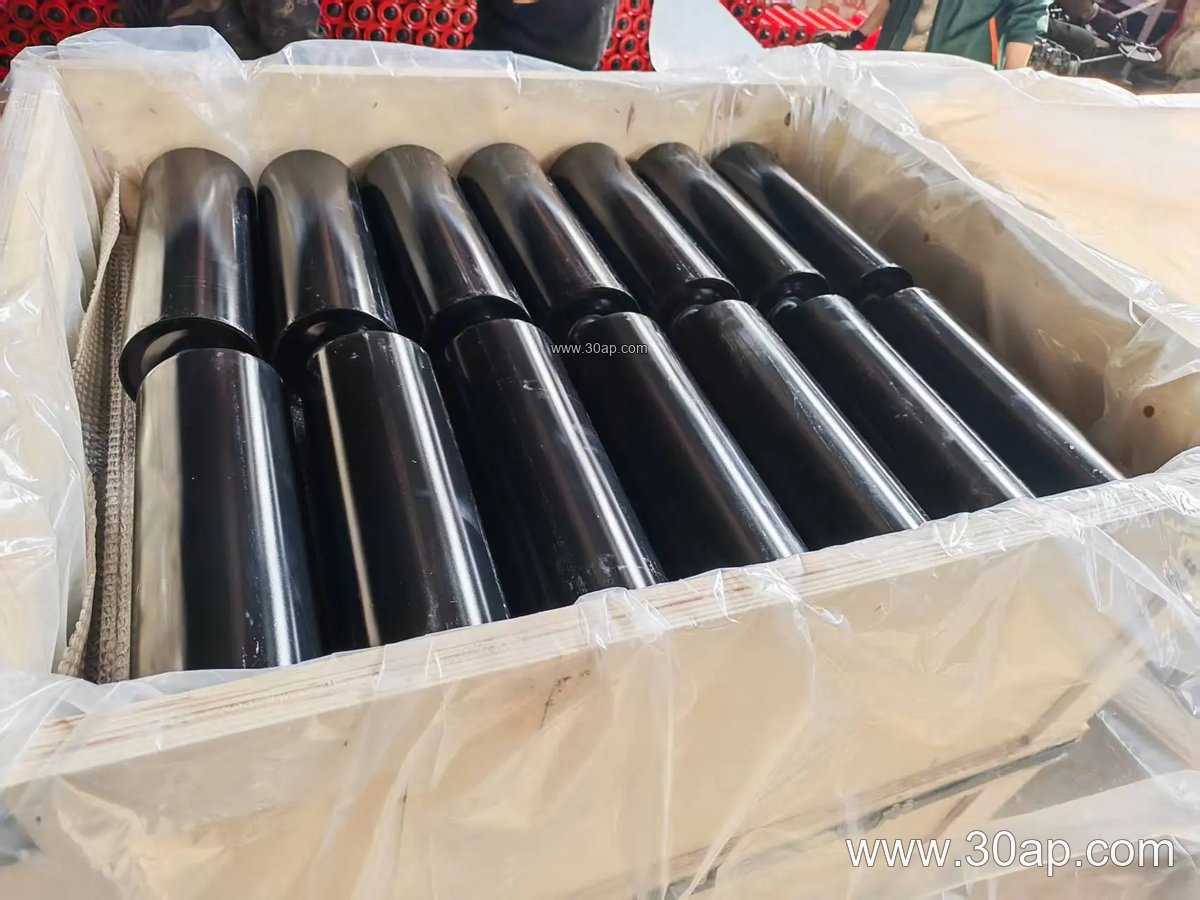
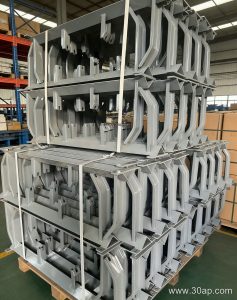
Buyers should also consider the conveyor bracket and frame that receive the idler. A well-chosen roller in a misaligned bracket will not run true. Checking mounting dimensions, slot spacing, and frame condition before ordering avoids costly returns.
What a Buyer Should Put on the Enquiry
- Belt width and conveyor duty, with the material being handled.
- Idler type and position, such as troughing, return, impact, or training.
- Roller diameter and required roller length, or the set drawing.
- Trough angle and any forward tilt requirement.
- Shell material and whether rubber rings are needed.
- Bearing size if already standardised in the plant.
- Sealing class and environmental conditions such as dust, moisture, or heat.
Grouping orders by conveyor and by idler type makes later maintenance easier and reduces the chance of fitting the wrong roller. Spare idlers kept in store should be labelled with diameter, length, and set position. For plants that also purchase conveyor belting, it helps to keep idler records alongside belt records, since belt tracking problems are often traced back to a worn or mismatched roller.
Good idler procurement is less about finding the cheapest roller and more about matching shell, bearing, seal, and mounting details to the real working conditions. Get those details right and the conveyor runs quieter, the belt lasts longer, and maintenance crews spend less time chasing tracking faults.