What a Construction Site Really Needs from a Conveyor Belt
A construction industry conveyor belt is rarely asked to do an easy job. On a crushing line, a batching plant, or a tunnel muck removal system, the belt carries sharp aggregate, wet sand, cement powder, or demolition debris at high tonnage, often in dust and weather. The belt is the wearing component that decides how long the whole conveyor stays productive. Understanding how it is built and what each construction duty demands makes specification far more predictable.
Construction of a Heavy-Duty Belt
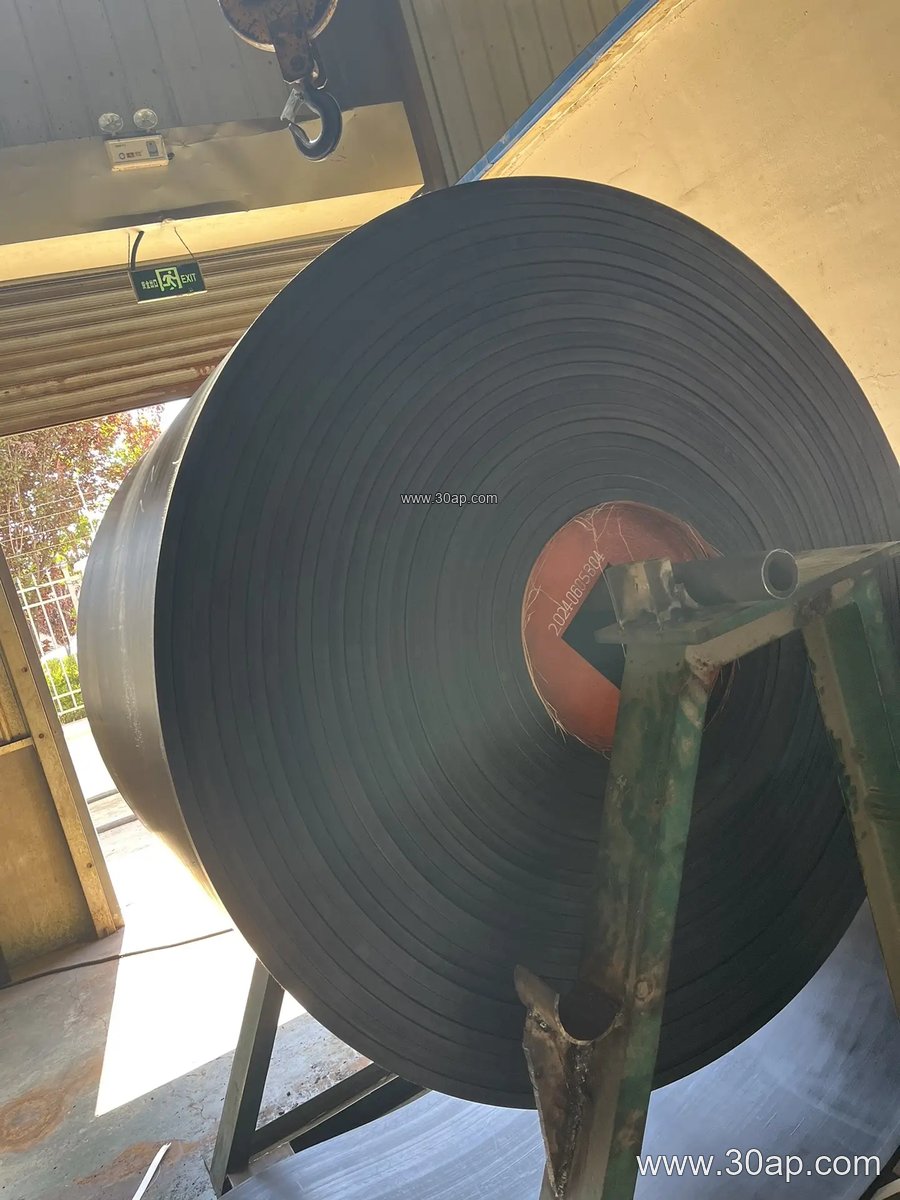
The carcass carries the tension and absorbs impact. In construction work, the common carcass options are EP Conveyor Belt (polyester warp, nylon weft), NN Conveyor Belt (all-nylon), and Steel Cord Conveyor Belt for long, high-tension runs. EP carcass gives low stretch and good troughability, which is why an EP Rubber Conveyor Belt is often the default for aggregate and cement duty. Multi-ply construction remains common, with 2 to 6 plies depending on the load.
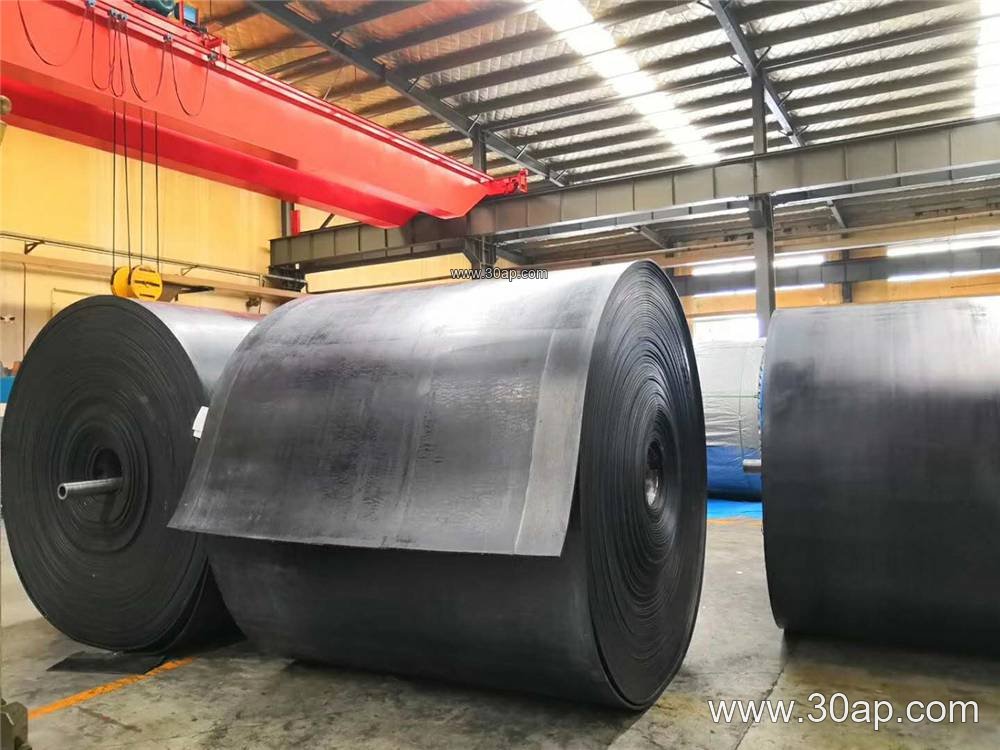
The cover compounds are where the construction environment is answered. A quarry or crusher duty calls for an Abrasion Resistant Conveyor Belt with a thick top cover. A cement kiln area or hot clinker transfer may need a Heat Resistant Conveyor Belt. Coal handling and enclosed transfer towers require a Flame Retardant Conveyor Belt and Anti-Static Conveyor Belt. Where oil drips from machinery or recycled material is present, an Oil Resistant Conveyor Belt reduces swelling and cover loss.
Common Belt Types and Reference Data
The table below shows typical reference values for construction duty. Actual values depend on the manufacturer and the conveyor design.
| Item | Typical Reference Values |
|---|---|
| Carcass type | EP, NN, steel cord, PVC, PVG |
| EP strength grades | EP200, EP315, EP400, EP500, EP630, EP800, EP1000, EP1250, EP1600, EP2000 |
| Steel cord grades | ST1000, ST1250, ST1600, ST2000, ST2500, ST3150 |
| Belt width | B500, B650, B800, B1000, B1200, B1400, B1600, B1800, B2000 |
| Cover thickness (top + bottom) | 3+1.5, 4+2, 5+2, 6+2, 8+3 mm |
| Ply count | 2 to 6 plies, by design |
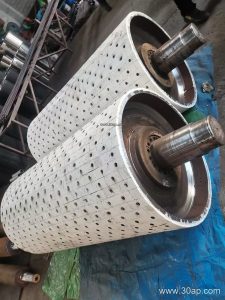
Width and strength are matched to the conveyor, not to each other. A 1200mm wide belt may run EP630 on one conveyor and EP1000 on another, depending on tonnage, incline, and pulley arrangement. Drive, tail, and bend pulleys are separate components and each has its own diameter and shaft requirement; belt width alone does not fix any pulley size. The same applies to idler roller diameter, which follows load and belt speed.
Special Profiles for Construction Layouts
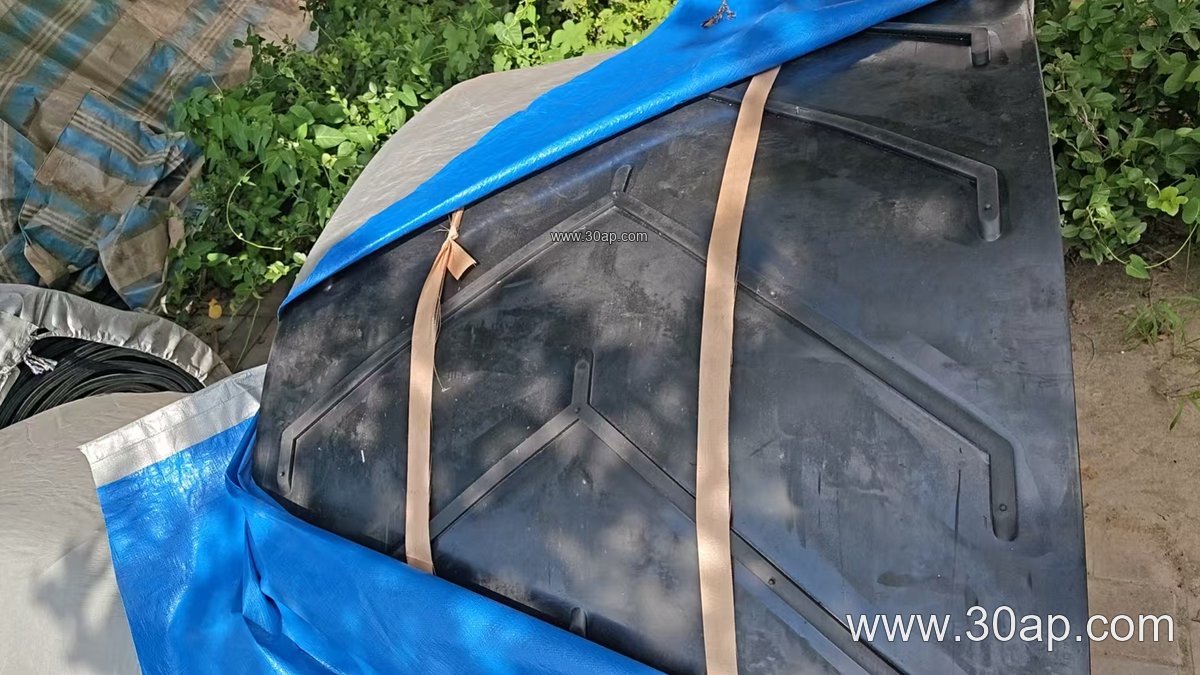
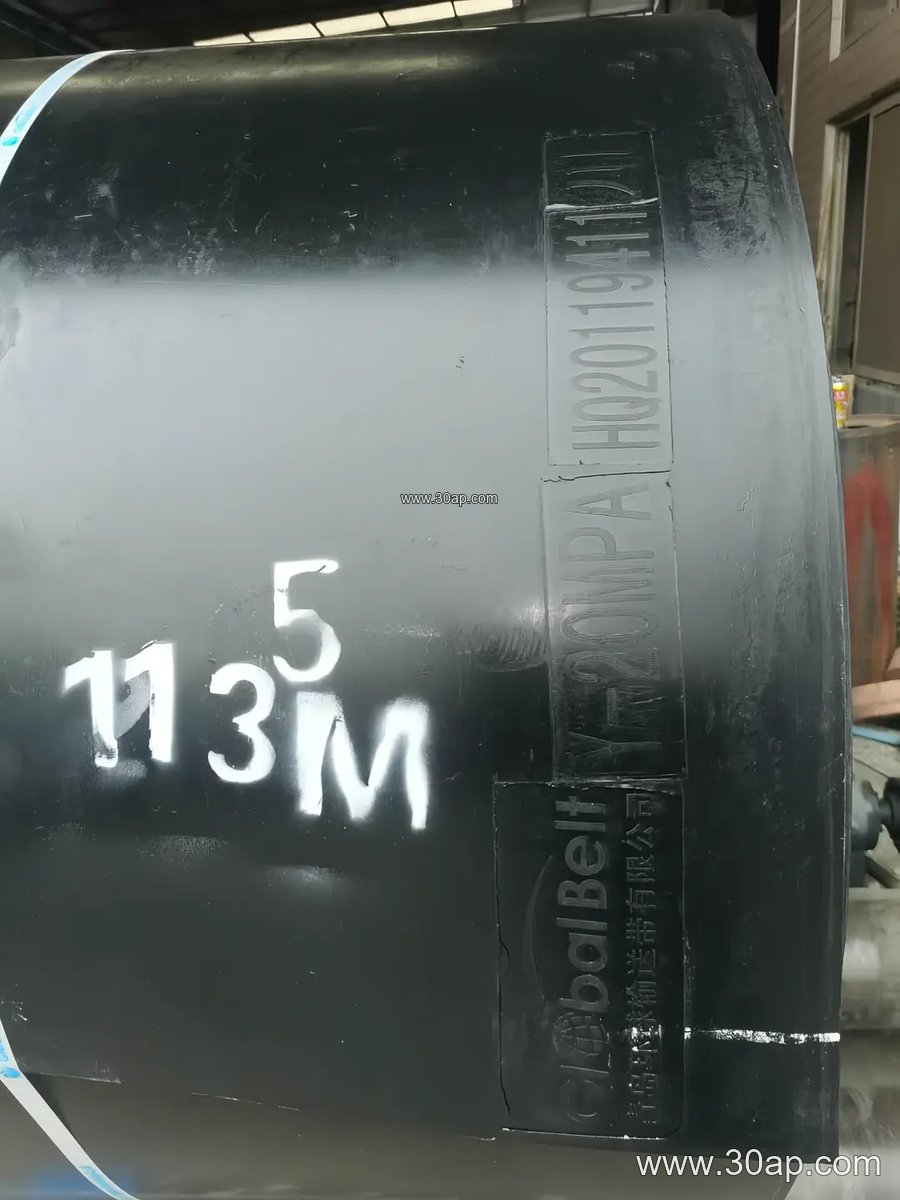
Space on a construction site is tight and inclines are steep. A Chevron Conveyor Belt helps hold material on a slope. A Corrugated Sidewall Conveyor Belt or Skirted Conveyor Belt contains material on steep, confined routes such as batching plant feed. A Pipe Conveyor Belt encloses the load, which suits dusty cement and tunnel spoil where spillage is unacceptable. For mobile plants and short transfer conveyors, an Endless Conveyor Belt reduces splicing time on site.
Where These Belts Work
- Quarry and aggregate: primary and secondary crusher discharge, screen feed, stockpile conveyors.
- Cement plants: limestone, clinker, and cement powder handling, often with heat and abrasion duty.
- Coal and mining: underground and surface coal transport requiring flame retardant and anti-static covers.
- Power plants: coal yard and ash handling lines.
- Sand and stone plants: washing and grading circuits with wet, abrasive material.
- Ports and ship loading: high-capacity bulk transfer.
- Recycling and demolition: mixed debris with sharp edges and oil contamination.
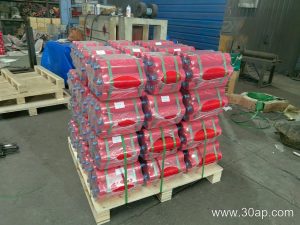
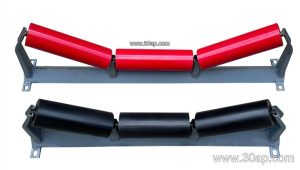
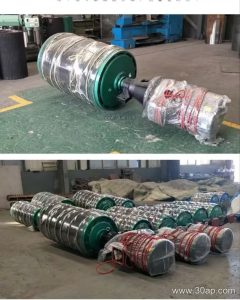
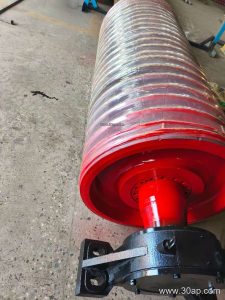
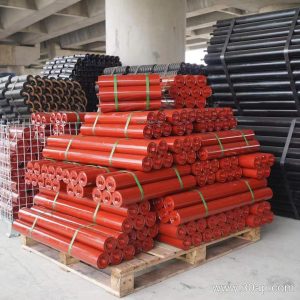
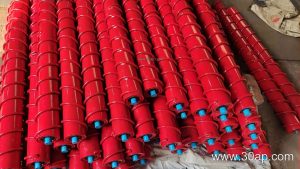
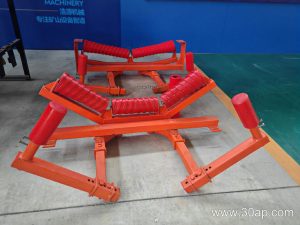
In all of these, the belt works with conveyor pulley, idler roller, and conveyor bracket assemblies. Belt tracking, pulley alignment, and idler condition affect belt life as much as cover quality does.
Buyer Checklist
- State the material, lump size, moisture, and temperature range.
- Give the conveyor capacity, belt speed, incline angle, and center distance.
- Confirm the required cover grade: abrasion, heat, oil, flame retardant, or cold resistant.
- Check carcass strength against the calculated tension, with a sensible safety margin.
- Match belt width to the conveyor frame and chute openings, not to a catalogue habit.
- Ask about splice method and whether an endless or open-length belt suits the site.
- Plan spare idler roller and pulley inspection alongside belt maintenance.
For construction sites, abrasion and impact usually dominate the decision, followed by flame retardancy in coal and tunnel work. A belt specified for the real duty, rather than the lowest price per meter, keeps the crushing line and the batching plant running through the whole project.