Understanding the Vertical Idler Bracket
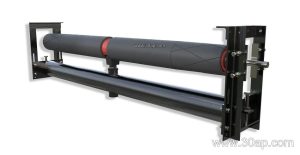
In bulk material handling systems, the vertical idler bracket is a specialized support component that holds idler rollers in a vertical or near-vertical orientation. Unlike conventional troughing or return brackets that position rollers horizontally or at an angle, this bracket is designed for applications where the conveyor belt needs vertical guidance, such as in pipe conveyor systems or at transfer points where the belt changes direction. It ensures the idler roller maintains proper contact with the conveyor belt, reducing misalignment and extending component life.
Construction and Design
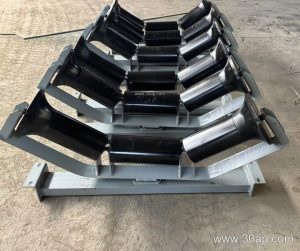
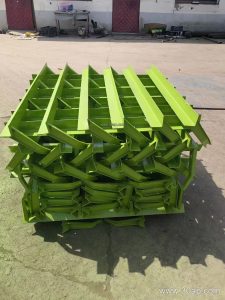
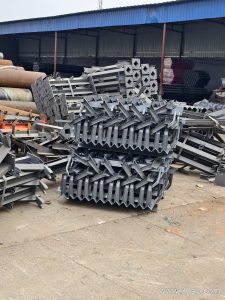
Vertical idler brackets are typically fabricated from sturdy materials such as angle steel, channel steel, or bent steel plate. The choice of material depends on the load requirements and environmental conditions. For instance, in a quarry conveyor belt system, brackets made from channel steel offer robust support for heavy-duty idler rollers. The bracket features mounting holes and slots that allow for precise adjustment of the idler roller position, accommodating variations in belt width and trough angle. Common belt widths for vertical brackets include B500, B650, B800, B1000, and B1200, though larger sizes are available for specialized applications. The bracket’s design must account for the idler roller diameter, with common sizes such as Ø89, Ø108, Ø133, Ø159, and Ø194.
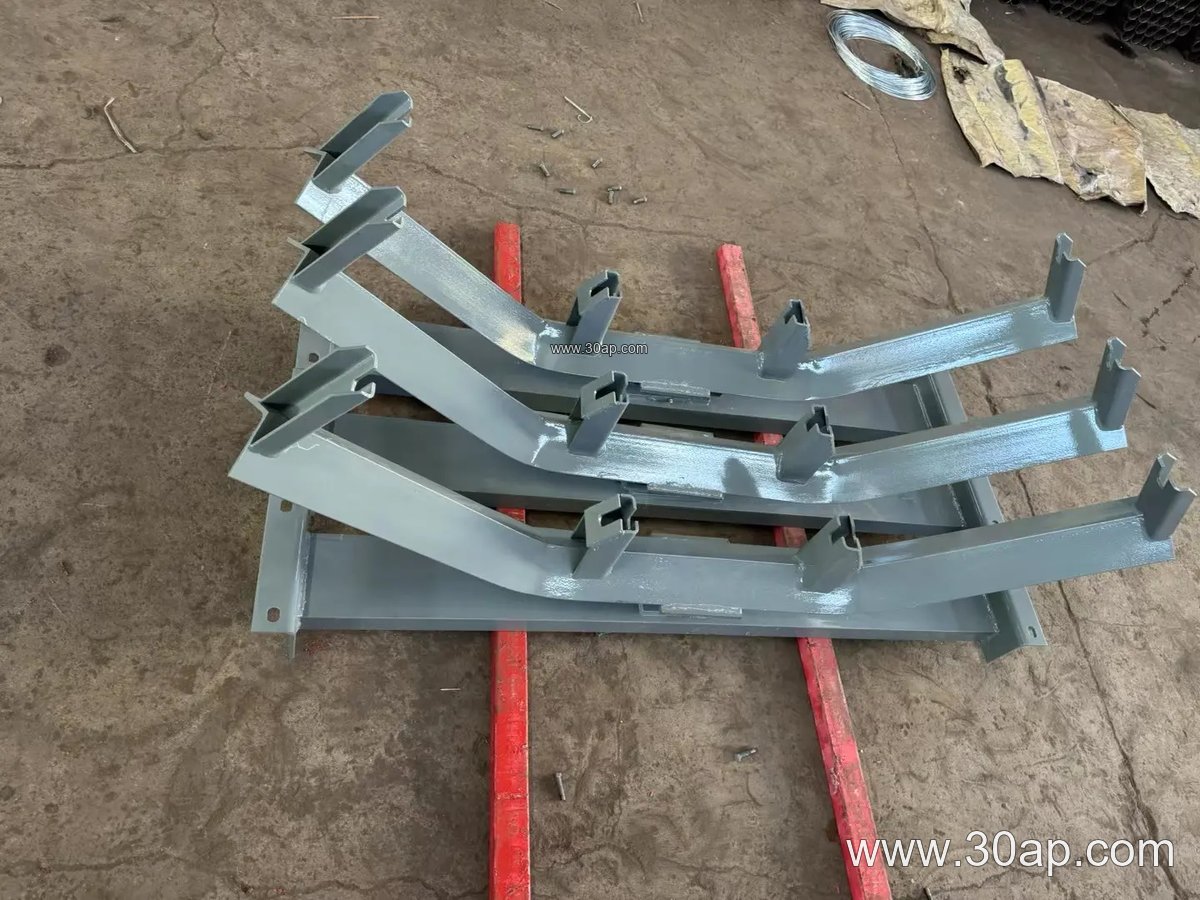
Applications Across Industries
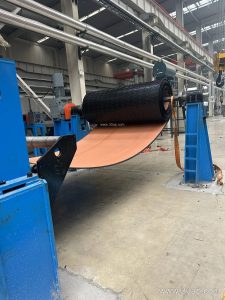
Vertical idler brackets find use in a variety of industries where conveyor belts operate under challenging conditions. In the mining sector, particularly in underground coal mining conveyor belt systems, these brackets help guide the belt through tight spaces and changes in elevation. They are also employed in cement plants for clinker transport and in power plant coal handling systems. The bracket’s ability to maintain proper belt alignment is crucial in pipe conveyor belt applications, where the belt is formed into a tube. Additionally, in port conveyor belt operations, vertical brackets support idler rollers at ship loading facilities, ensuring smooth material flow.
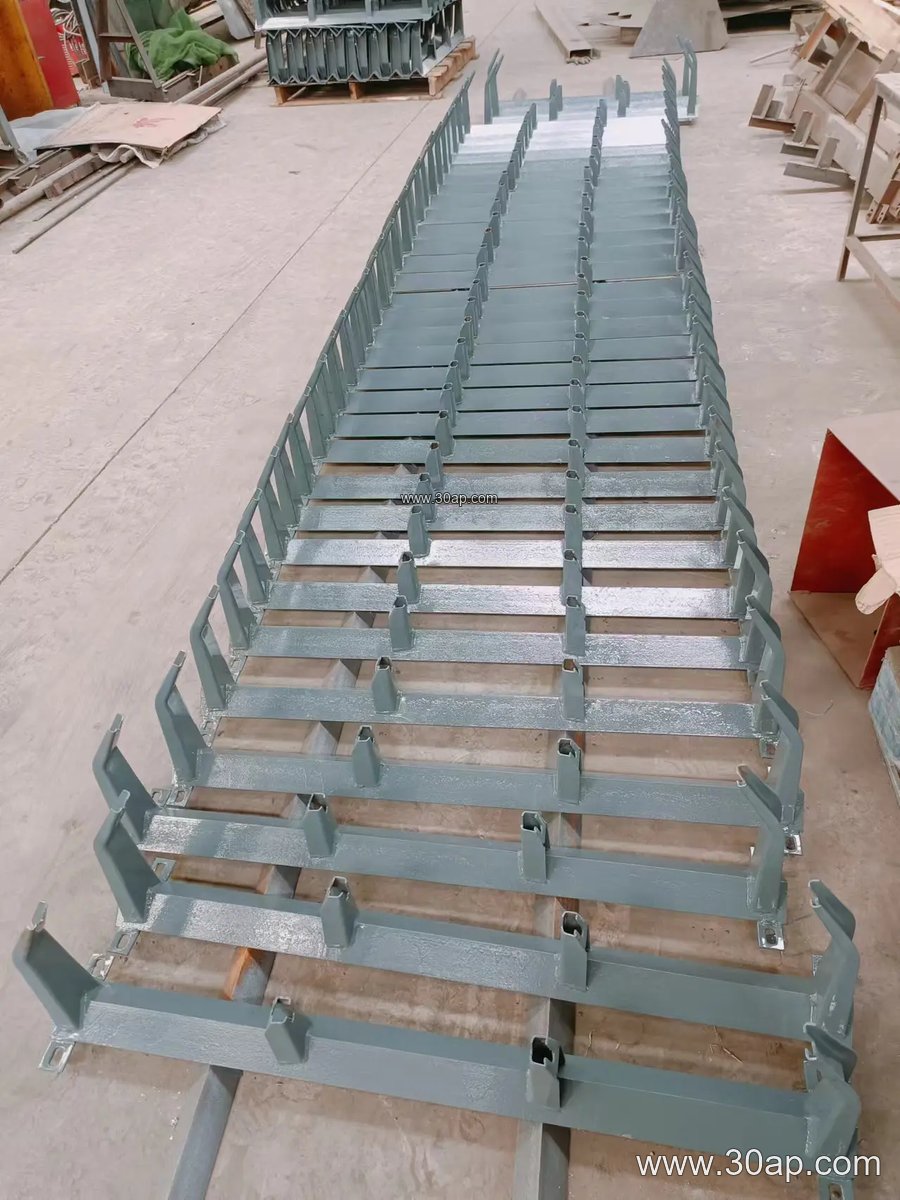
Selection and Compatibility
When selecting a vertical idler bracket, consider the conveyor belt width, idler roller diameter, and the required trough angle. While vertical brackets are not typically used for troughing, they may be part of a transition arrangement where the belt moves from a flat to a troughed profile. The bracket should be compatible with the conveyor pulley and drive system to avoid unnecessary stress. For heavy-duty applications, such as those involving steel cord conveyor belt or high abrasion resistant conveyor belt, brackets with reinforced construction are recommended. It is important to match the bracket’s load capacity with the weight of the idler roller and the material being conveyed.

Installation and Maintenance Tips
Proper installation of vertical idler brackets is essential for optimal conveyor performance. Ensure that the bracket is securely fastened to the conveyor frame and that the idler roller is free to rotate. Regular inspection for wear, corrosion, or deformation is advised, especially in harsh environments like iron ore mines or fertilizer plants. Lubrication of moving parts, if applicable, should follow the manufacturer’s guidelines. When replacing brackets, verify that the new unit matches the original specifications in terms of mounting dimensions and material grade.
Key Considerations for Buyers
Buyers should request detailed drawings and material certificates to confirm the bracket’s suitability for their conveyor system. The bracket’s design must accommodate the specific belt width and idler roller size; for example, a B800 belt with Ø108 rollers may require a different bracket than a B1200 belt with Ø133 rollers. It is also wise to consider the environmental factors: in cold climates, cold resistant conveyor belt may be used, and brackets should be made from materials that resist brittleness. For food grade applications, stainless steel brackets may be necessary. Always consult with the conveyor designer to ensure compatibility with other components like the conveyor pulley and conveyor bracket assemblies.
For more information on conveyor components and to discuss your specific requirements, visit our website at www.beltconveyorparts.com/vertical-idler-bracket or contact our technical team.