What Is a Non-Standard Conveyor Bracket?
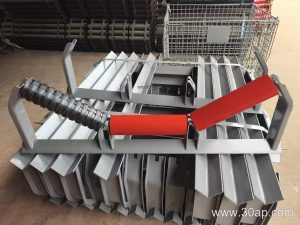
A non-standard conveyor bracket is a support component made to fit a conveyor frame that does not follow common dimensional standards. Unlike off-the-shelf brackets, these are engineered to match specific belt widths, roller diameters, trough angles, and installation positions. In industries such as mining, coal preparation, cement plants, power station coal handling, and aggregate quarries, standard parts often fall short when conveyors are modified, space is tight, or the material load demands a different geometry. This is where a custom-made bracket becomes essential. It ensures that idler rollers and the conveyor belt stay aligned, reducing wear and downtime.
Construction and Materials
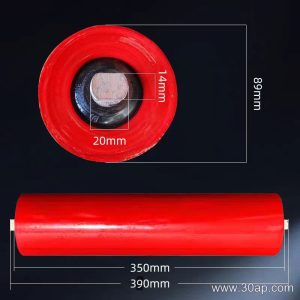
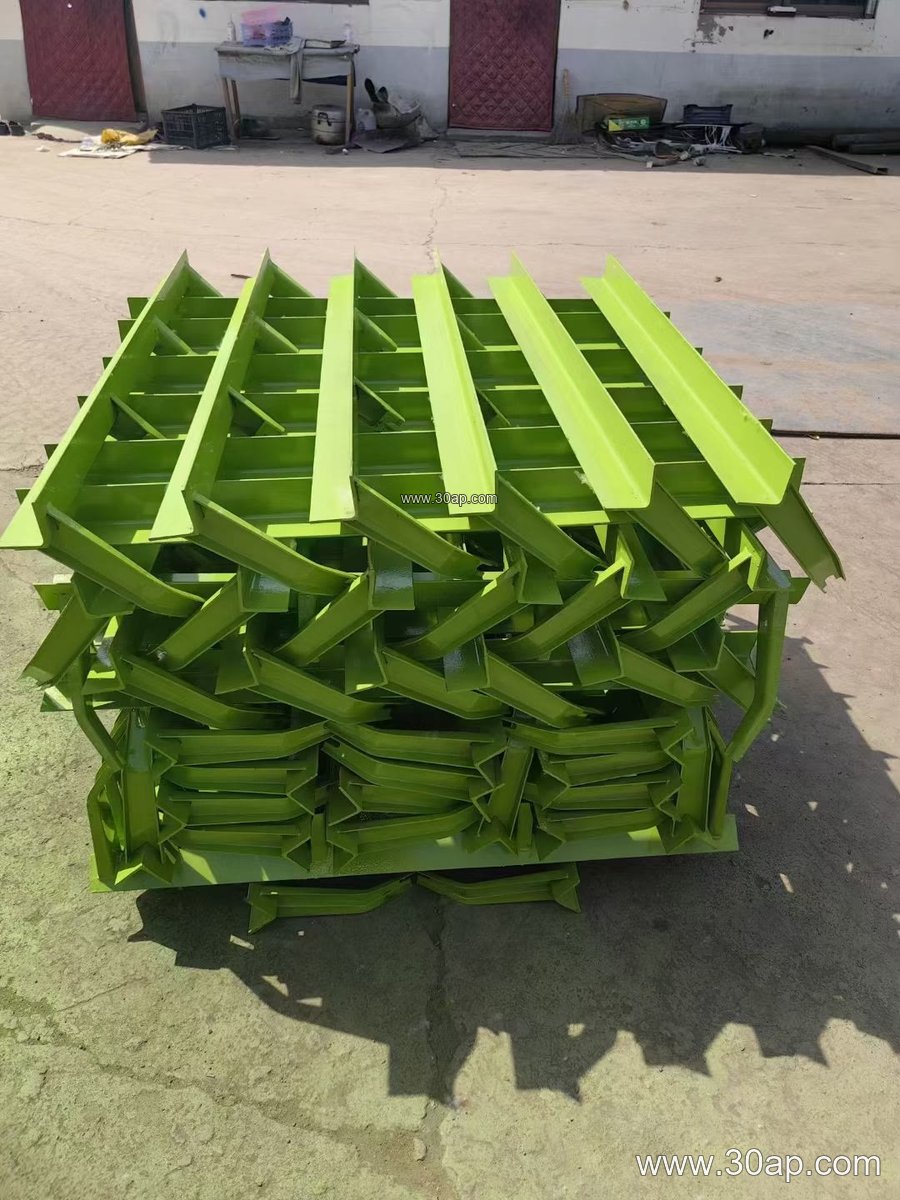
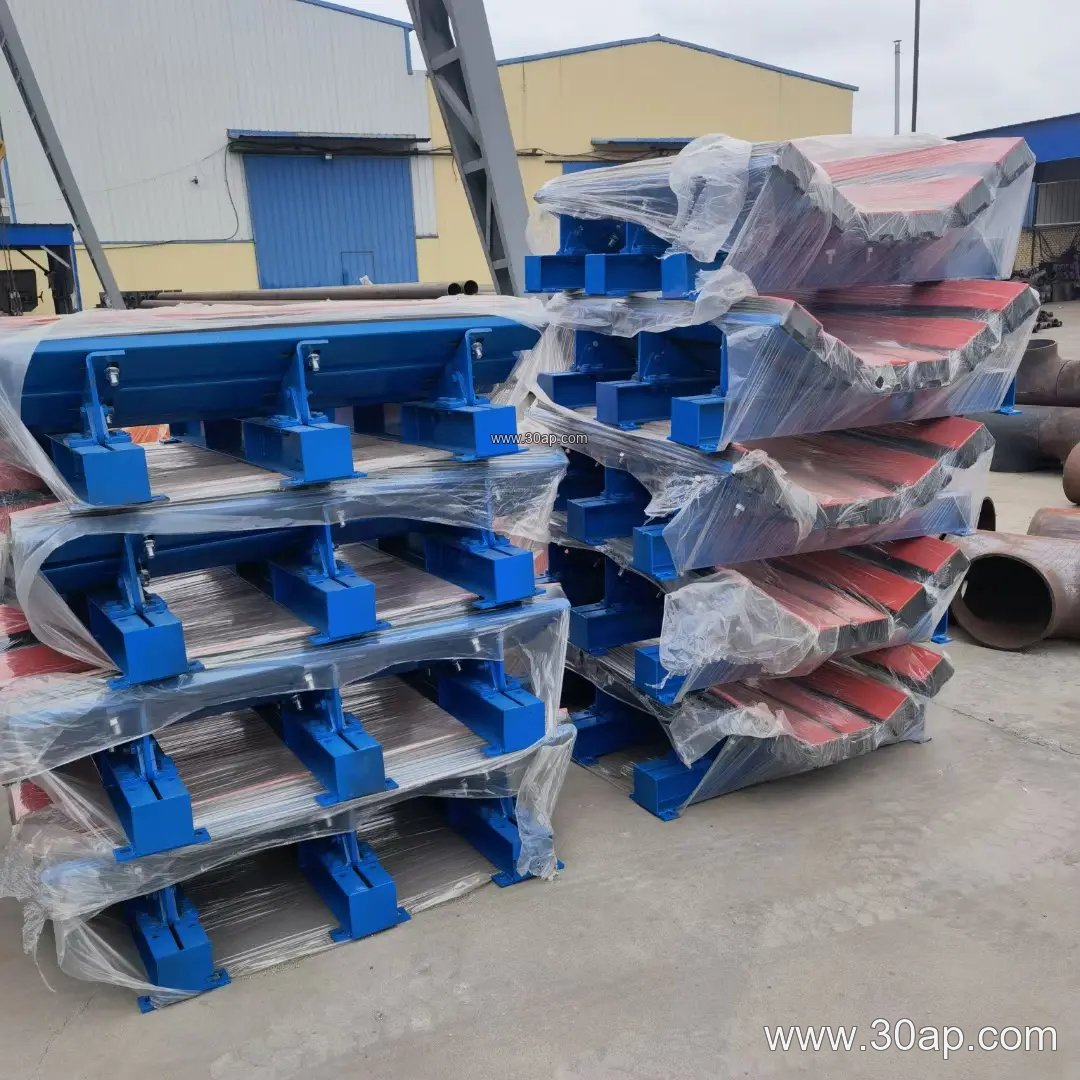
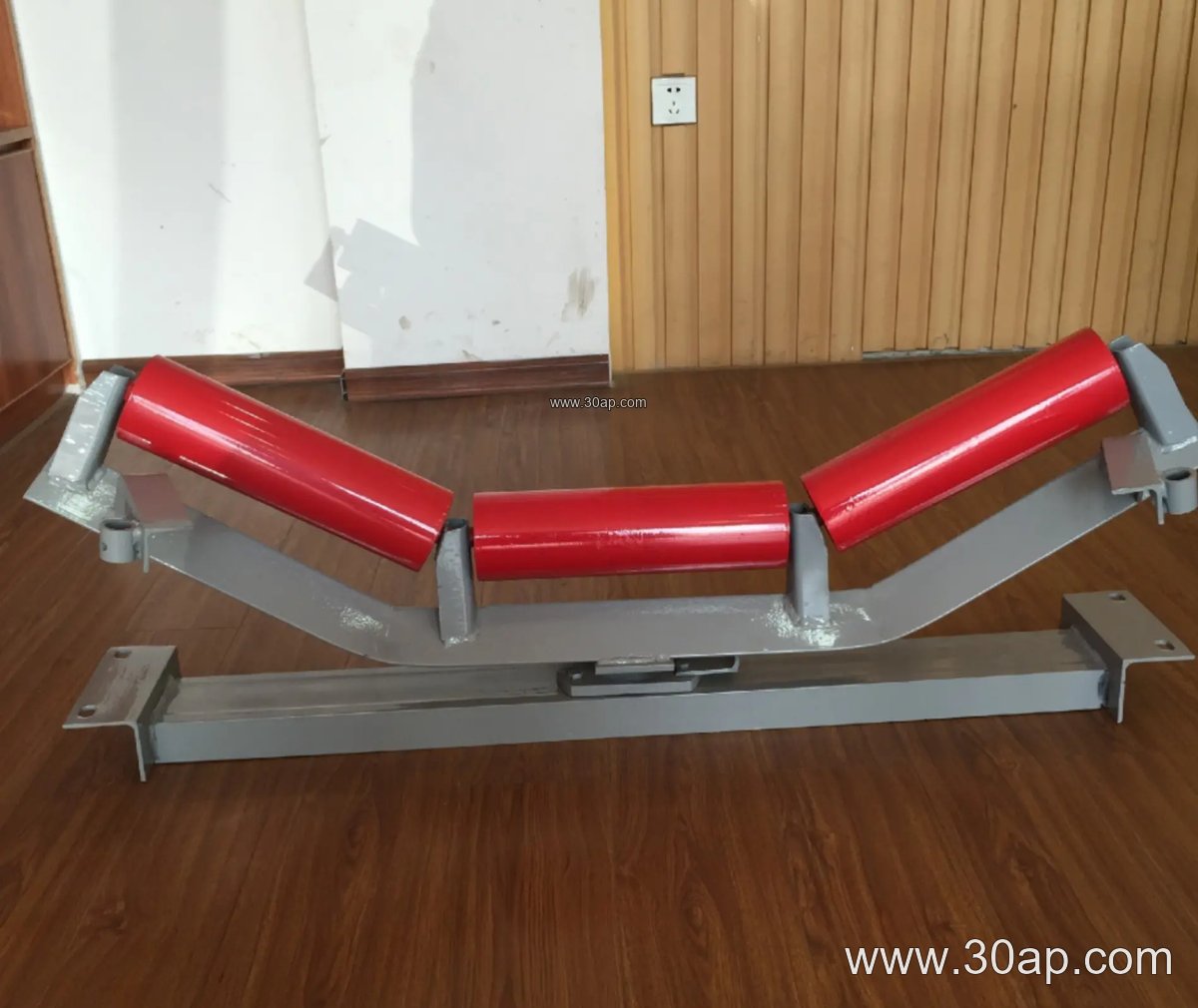
Non-standard conveyor brackets are typically fabricated from angle steel, channel steel, or folded steel plate. The choice depends on the load and environment. For heavy-duty mining conveyor belts and high-abrasion applications, thicker channel steel may be used to resist deformation. The bracket design must account for the mounting hole spacing and crossbeam length, which vary with belt width and trough angle. Common trough angles include 20, 30, 35, and 45 degrees; adjustable brackets allow transition between these angles. Roller diameters such as Ø89, Ø108, Ø133, Ø159, and Ø194 are matched to the bracket’s saddle or mounting slots. A well-built bracket keeps the idler roller securely in place, preventing belt misalignment and extending the life of the conveyor belt.
Where Non-Standard Conveyor Brackets Are Used
These brackets appear in a wide range of bulk material handling systems. In a limestone quarry, a custom bracket might be needed to fit a transition zone where the belt changes from flat to troughed. In a coal washing plant, non-standard brackets support return idlers in confined spaces. Cement plants use them on clinker conveyors where heat and abrasion require robust support. Power plants handling coal often need brackets that accommodate variable belt widths, such as B800 or B1200, with specific roller diameters. Other applications include iron ore mines, port loading facilities, and crushing plants. In each case, the bracket must integrate with the existing conveyor pulley, idler roller, and belt width without compromising performance.
Key Parameters and Selection
When specifying a non-standard conveyor bracket, several parameters must be defined. Belt width is a primary factor, commonly ranging from B500 to B2200. The trough angle and roller diameter follow, but there is no fixed rule that one belt width matches only one angle or roller size. For example, a B1000 belt might use a 35-degree trough with Ø108 rollers in one plant, while another might use a 45-degree trough with Ø133 rollers. Adjustable brackets offer flexibility in angle. The table below lists common reference values; actual dimensions should be confirmed by design.
| Parameter | Common Reference Values |
|---|---|
| Belt Width (B) | B500, B650, B800, B1000, B1200, B1400, B1600, B1800, B2000, B2200 |
| Trough Angle | 20°, 30°, 35°, 45° (adjustable brackets allow change) |
| Roller Diameter | Ø89, Ø108, Ø133, Ø159, Ø194 |
| Material | Angle steel, channel steel, folded steel plate |
| Mounting Hole Spacing | Varies with belt width and trough angle (by design) |
Buyers should also consider the type of bracket: trough brackets, transition brackets, return brackets, impact brackets, self-aligning brackets, and adjustable brackets are among the options. For instance, a transition bracket helps guide the belt from flat to troughed, while a self-aligning bracket corrects belt tracking. The choice depends on the conveyor layout and the material being conveyed. Heavy-duty mining conveyor belts and high-abrasion belts may require reinforced brackets to withstand impact and wear.
Buyer’s Checklist
- Confirm the exact belt width and existing conveyor frame dimensions.
- Determine the required trough angle and whether adjustability is needed.
- Match the bracket to the idler roller diameter and mounting type.
- Specify the material and thickness based on load and environment.
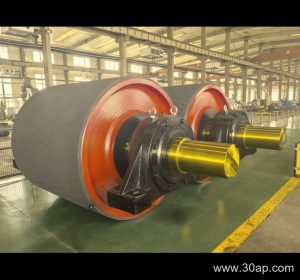
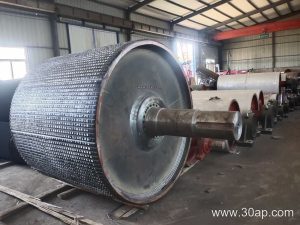
- Consider the conveyor pulley and belt type (e.g., EP conveyor belt, steel cord conveyor belt) for compatibility.
- Ask for drawings to verify hole spacing and crossbeam length.
A non-standard conveyor bracket may seem like a small part, but it plays a critical role in keeping the conveyor belt centered, reducing spillage, and extending component life. Whether you are working with a fabric core conveyor belt in a recycling plant or a flame retardant conveyor belt in an underground coal mine, the right bracket ensures smooth operation. For more information on conveyor brackets and related components, visit our site at www.example.com/conveyor-bracket. Proper selection and installation of non-standard brackets will contribute to the overall efficiency of your material handling system.