What a Food Grade Conveyor Belt Is
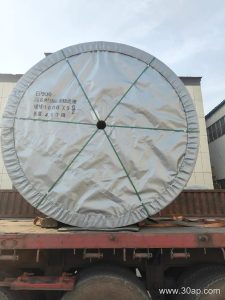
A Food Grade Conveyor Belt is a belt designed for conveying food, food ingredients, and other materials where contamination control matters. The working surface and the belt body are made with materials selected for contact with edible products, and the belt is built so it can be cleaned repeatedly without breaking down quickly. In practice, this means a belt that resists moisture, oils, and fats, tolerates washdown and mild cleaning agents, and presents a smooth or easily released surface that does not trap residue.
The term describes a hygienic belt, not a single construction. A food grade belt may be a fabric-core rubber belt, a PVC belt, or a modular design, and each has its own place depending on the product being moved and the cleaning routine in the plant.
How the Belt Is Built
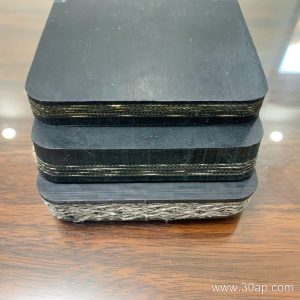
Most food grade belts share a layered structure. A carcass provides strength and dimensional stability, while cover compounds on one or both faces protect the carcass and form the product contact surface. Common carcass options include fabric cores such as EP or NN, and in some light-duty lines a single-ply or two-ply construction is enough. Cover compounds are chosen for food contact and for resistance to the oils and fats found in snacks, bakery goods, meat, and dairy products.
Surface finish matters as much as the compound. A smooth cover is easier to scrape and clean, while a lightly textured cover can help with incline holding. Edge construction, splice quality, and the absence of exposed fabric all influence how well the belt performs under daily washdown. Belts that will be spliced on site should be joined so the splice is flush and sealed against moisture ingress.
Where It Fits in the Plant
Food grade belts appear across many production and packing lines. Typical duties include moving raw ingredients from storage, carrying dough or formed products through processing, transferring baked goods after cooling, and feeding packaging machines. They also serve in fruit and vegetable handling, confectionery lines, and seafood or meat processing where hygiene is a priority.
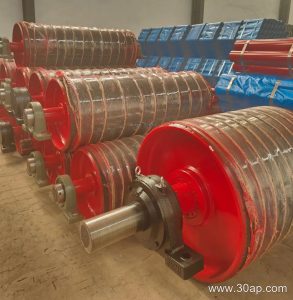
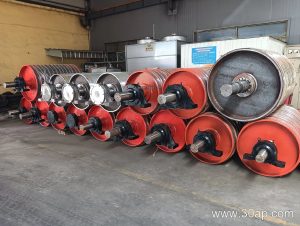
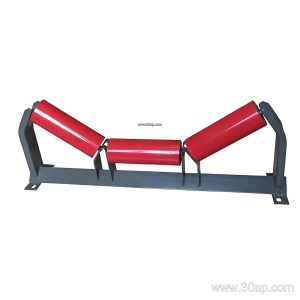
Although the keyword belongs to food handling, the same belt technology appears in adjacent industries that value clean surfaces, such as pharmaceutical and cosmetics production. In heavier industries the priorities are different: a mine, quarry, cement plant, or coal preparation facility usually relies on an abrasion resistant conveyor belt or a flame retardant conveyor belt for bulk material, not a food grade belt. A sand and gravel yard or a power plant coal yard has little use for hygienic covers, but the belt, conveyor pulley, idler roller, and conveyor bracket arrangement is similar in principle, which is why buyers sometimes compare configurations across sectors.
Common Constructions and Reference Data
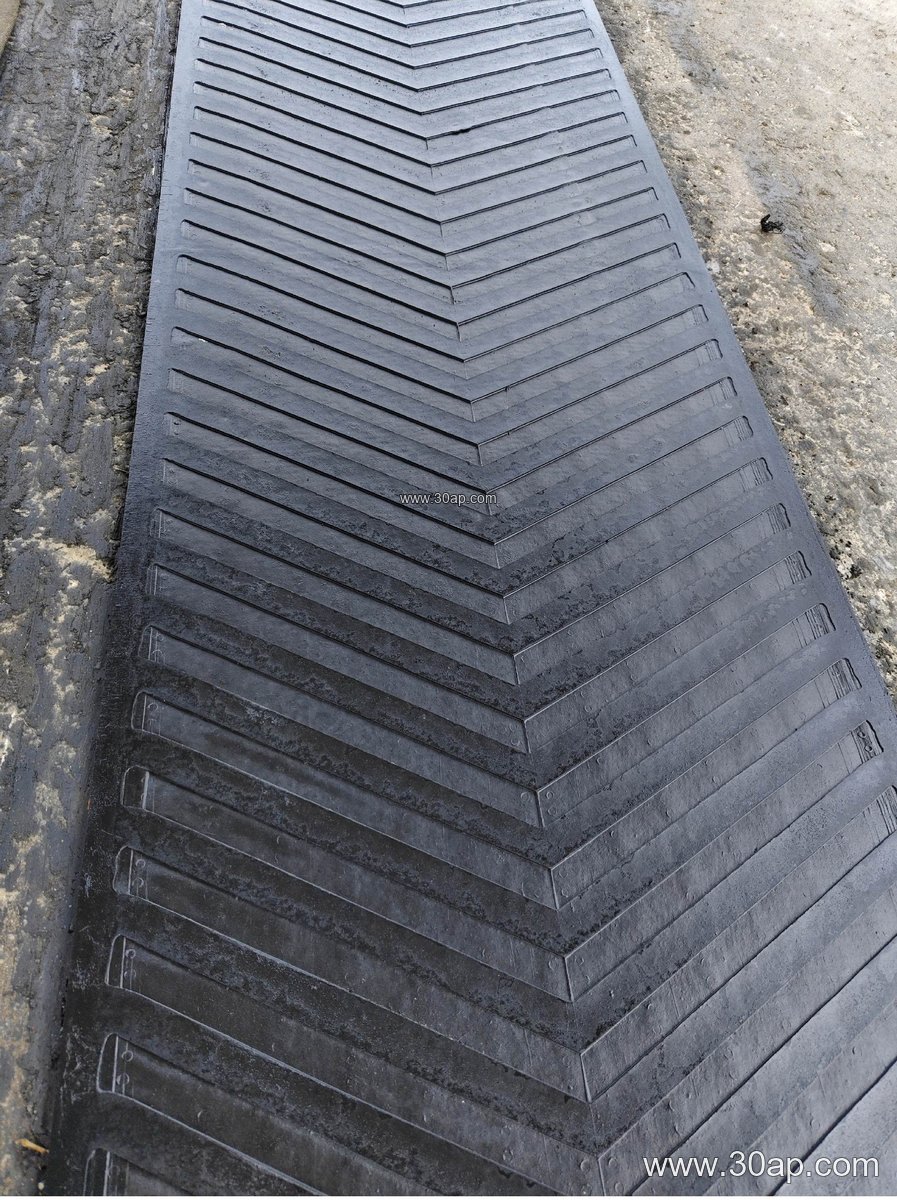
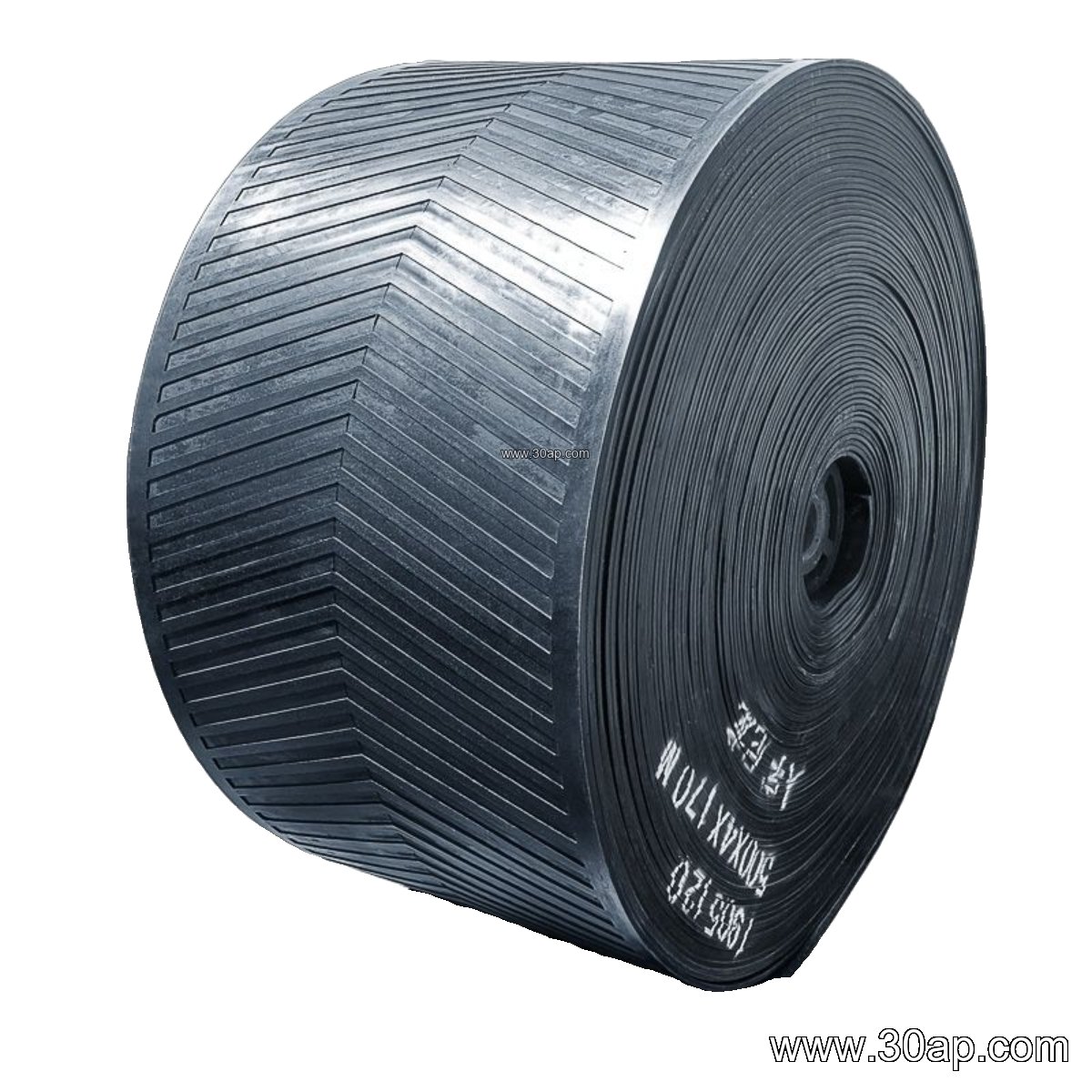
Buyers will meet several constructions under the food grade umbrella. Fabric-core belts are common for moderate loads and shorter centers, PVC belts suit light products and frequent cleaning, and corrugated sidewall or skirted designs help on steep inclines where product would otherwise slide back. For comparison only, a chevron conveyor belt is a general-purpose inclined belt, but its cleated profile is not usually chosen where exposed ridges would complicate cleaning.
The table below lists reference values that appear in supplier literature. They are examples, not fixed rules, and actual selection depends on the conveyor design.
Reference Parameters
- Fabric core types: EP, NN, and multi-ply fabric core constructions
- Strength grades commonly quoted: EP200, EP315, EP400, EP500, EP630, EP800, EP1000
- Belt widths: B500, B650, B800, B1000, B1200, B1400
- Cover thickness examples: 3+1.5 mm, 4+2 mm, 5+2 mm
- Carcass plies: 2 to 6 layers depending on duty
- Surface forms: smooth, lightly textured, and sidewall or skirted
These figures should be matched to the actual load, incline, and cleaning method rather than copied from a catalogue. A wider belt does not dictate a particular pulley diameter, and shaft sizing follows the conveyor design and bearing load, not the belt width alone.
Selection and Maintenance Notes
Start with the product: its temperature, oil content, moisture, and whether it is sticky or free-flowing. Then confirm the cleaning regime, because a belt that suits dry brushing may not suit daily washdown. Check the conveyor frame as well, since a conveyor pulley, idler roller, and conveyor bracket that are not aligned will cause edge wear and shorten belt life regardless of cover quality.
During operation, watch for oil absorption, surface cuts, and splice lift. Keep scrapers and brushes correctly tensioned, and avoid sharp transitions that pinch the belt. Storing spare belts flat and away from direct sunlight helps preserve the cover compound. When a replacement is needed, record the belt width, cover thickness, and carcass type so the next order matches the line.
For buyers comparing options, a food grade conveyor belt should be evaluated on cleanability, compound compatibility with the product, and splice reliability. Those three factors usually decide whether a belt performs well over its service life.