What a High Temperature Conveyor Belt Is
A high temperature conveyor belt is a heat resistant conveyor belt engineered to carry hot bulk materials without losing its carcass strength or cover integrity. In cement plants, steel mills, power stations, and sinter plants, the belt surface may see continuous heat from clinker, coke, ash, or castings. The same product is also called a heat resistant conveyor belt, and both names describe the same construction: a fabric or steel cord carcass protected by a cover compound formulated for elevated temperatures.
Heat is not the only challenge. Hot loads often arrive with abrasion, sharp edges, and occasional flame exposure, so the cover and carcass must work as a system. A belt that is only heat resistant but weak in abrasion resistance may wear through before the carcass is damaged. Buyers should match the belt to the actual temperature profile, material size, and conveyor layout.
Construction and Compound Choices
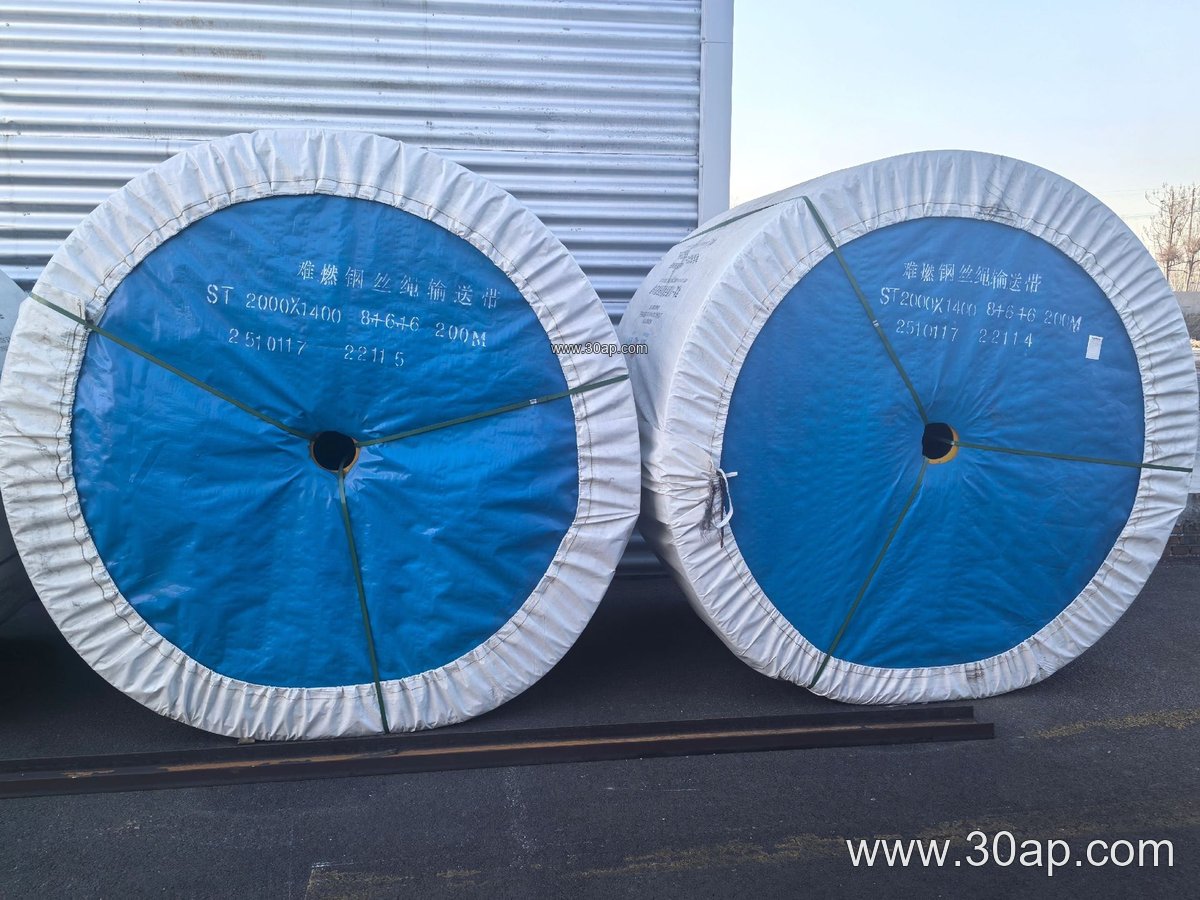
The carcass provides tensile strength and troughability. Common options include EP conveyor belt (polyester warp, nylon weft) and NN conveyor belt (nylon warp and weft). For very high tension or long center distances, a steel cord conveyor belt may be selected. In underground coal mining, PVG conveyor belt or PVC conveyor belt constructions are used where flame retardant and anti-static properties are required.
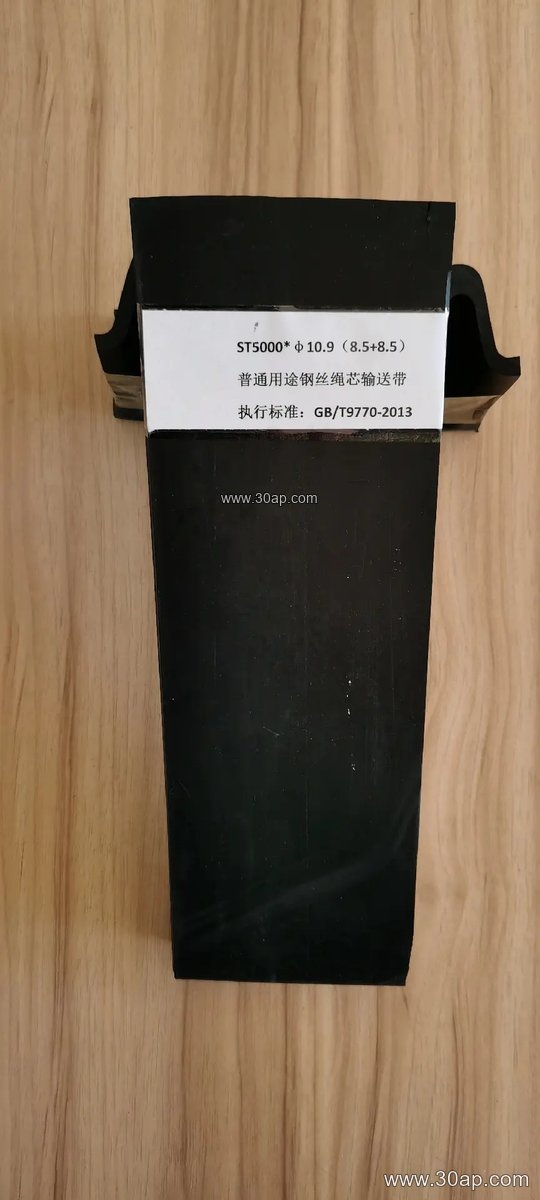
Cover compounds for heat service usually rely on EPDM or specially blended rubber. The cover is often specified in gauges such as 4+2 mm, 5+2 mm, or 6+2 mm, with the first number indicating top cover thickness and the second the bottom cover. Carcass layers typically range from 2 to 6 plies in fabric constructions. These values are common references, not fixed rules; the final build is determined by the conveyor design.
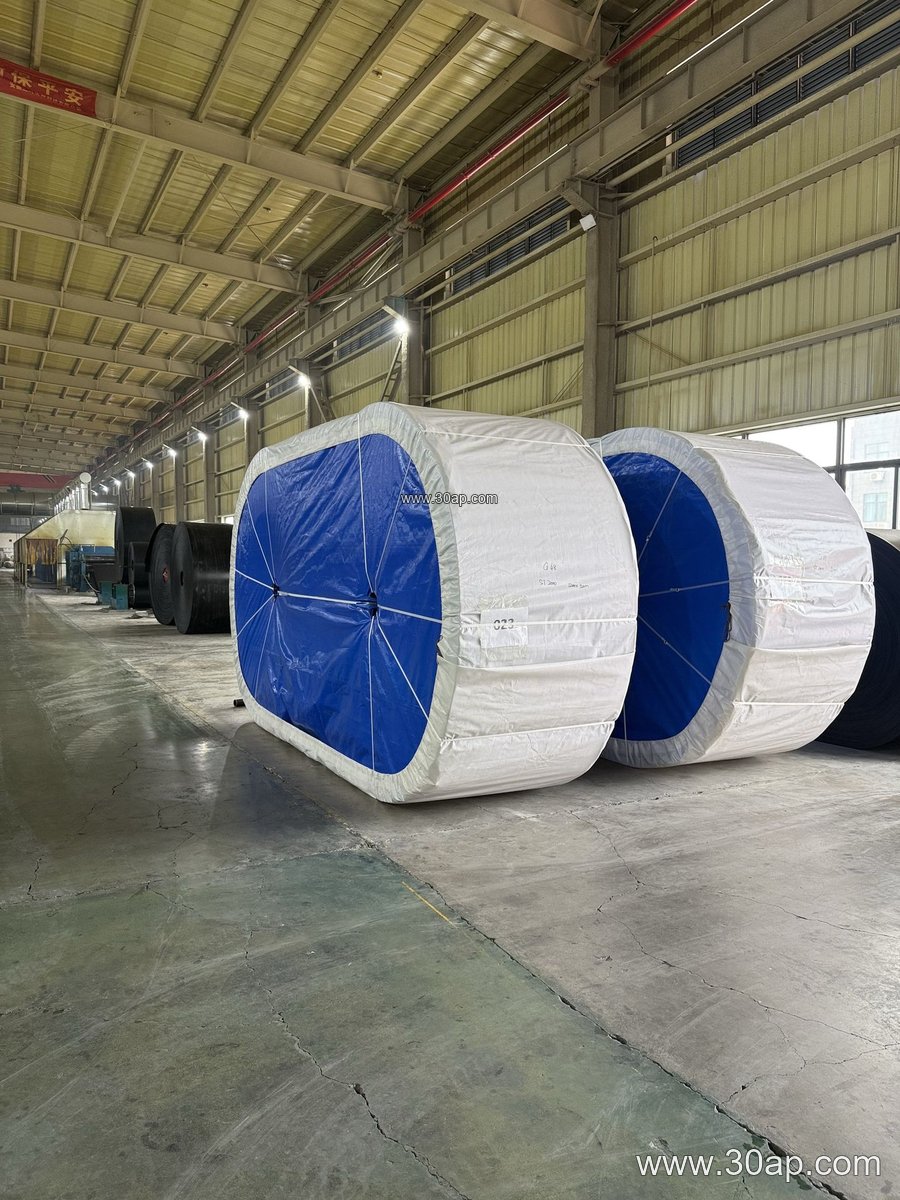
| Parameter | Typical reference range |
|---|---|
| Belt type | Heat resistant conveyor belt (EP, NN, steel cord) |
| Strength grades | EP200, EP315, EP400, EP500, EP630, EP800, EP1000 |
| Belt width | B500, B650, B800, B1000, B1200, B1400, B1600 |
| Cover gauge | 4+2 mm, 5+2 mm, 6+2 mm, 8+3 mm |
| Carcass plies | 2 to 6 layers (fabric core) |
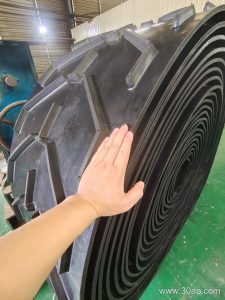
Surface forms such as chevron conveyor belt or corrugated sidewall conveyor belt are separate design choices. A chevron top helps on inclines, while a corrugated sidewall belt contains material on steep or vertical sections. These are not replacements for a heat resistant belt; they are profile options that can be combined with a heat rated cover when the application demands it.
Where Heat Rated Belts Are Used
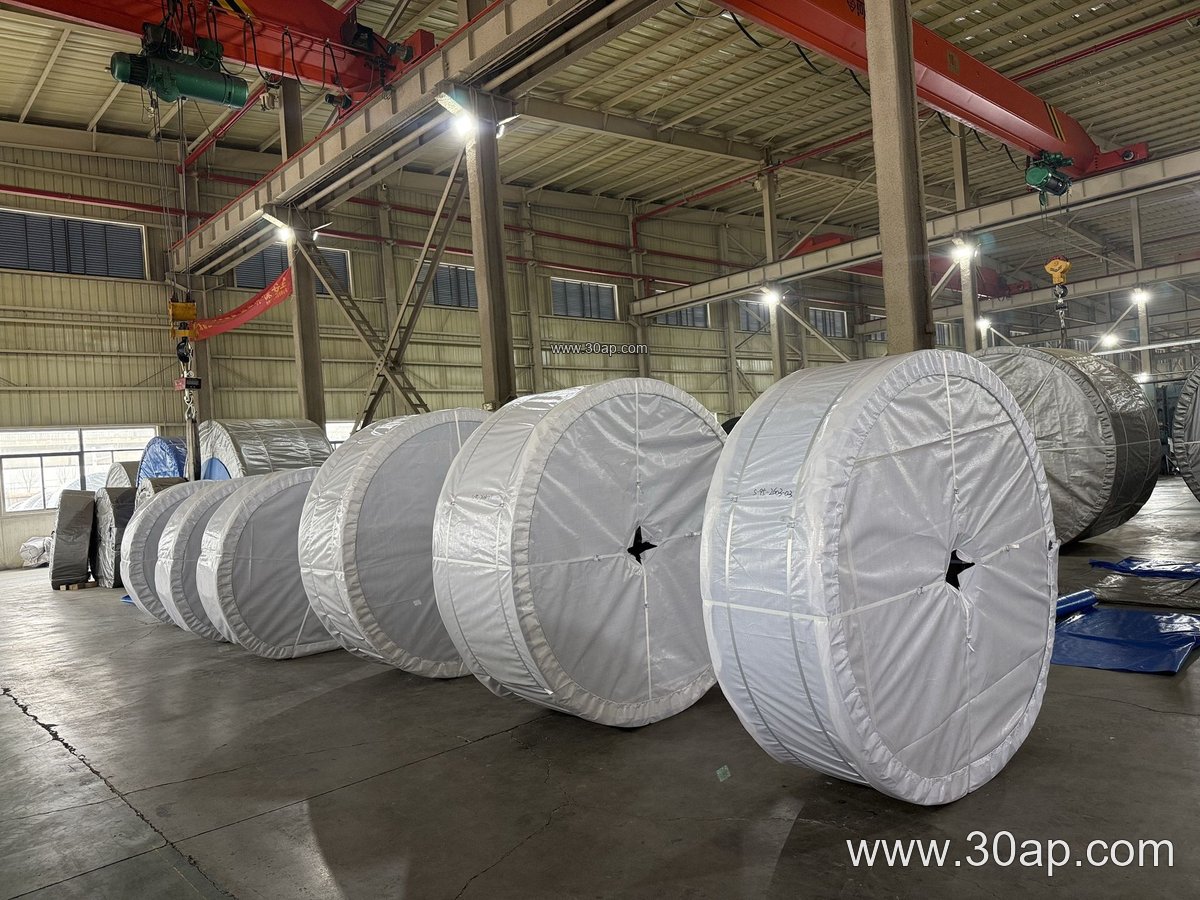
In cement plants, belts transport clinker from the cooler to storage. In steel plants, they move sinter, coke, and hot briquettes. Power plants use them for ash and coal handling, while foundries and sand plants handle hot castings and reclaimed sand. The same belt family appears in mining conveyor systems, quarry conveyor lines, and aggregate conveyor circuits where processed material retains heat.
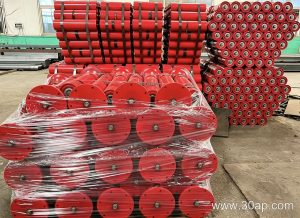
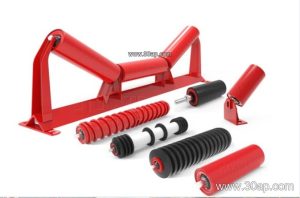
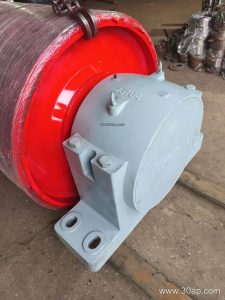
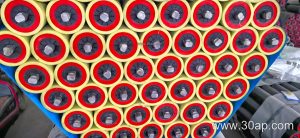
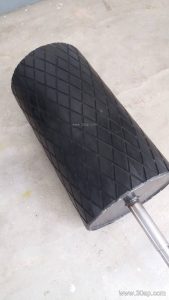
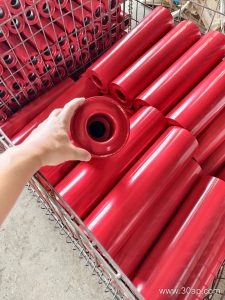
Supporting equipment matters. A conveyor pulley at the drive, tail, and bend positions must be sized for the belt tension and temperature exposure. Idler roller selection affects how the belt troughs and how heat dissipates. Conveyor bracket and frame design should allow for thermal expansion and easy inspection. A heat resistant conveyor belt running on poorly aligned pulleys or seized idlers will fail early regardless of compound quality.
Selection and Maintenance Notes
Buyers should provide the maximum material temperature, the duration of exposure, the ambient temperature, and whether sparks or open flame are possible. A belt that sees 120 °C continuously faces a different duty from one that sees 200 °C for short pulses. Cover hardness, carcass type, and edge protection should be discussed with the supplier.
- Check belt tracking and pulley alignment regularly; heat can accelerate edge wear.
- Inspect the cover for cracks, hardening, or exposed carcass.
- Keep idler rollers turning freely to avoid localized hot spots.
- Store spare belts away from direct sunlight and ozone sources.
For a reliable match, describe the conveyor duty in detail and ask for a heat resistant conveyor belt specification that fits the line. Whether the circuit is a cement conveyor, a steel plant conveyor, or a power plant conveyor, the right belt combines a heat rated cover with a carcass that can carry the load.