What a Coal Conveyor Belt Does
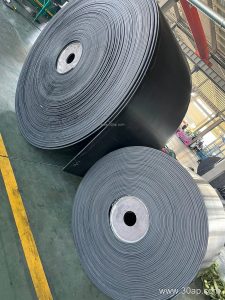
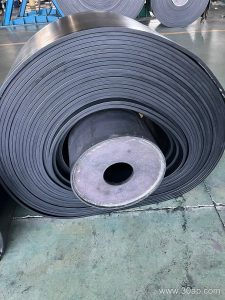
A coal conveyor belt is the load-carrying element of a belt conveyor system, moving crushed or raw coal from stockpiles, silos, crushers, and load-out points to screens, bunkers, and transfer towers. In mines, power plants, cement works, and port terminals, this component works continuously under dust, moisture, and varying lump sizes. Its job is straightforward: carry material at a steady rate without spillage, slippage, or premature wear. Because coal is abrasive and often dusty, the belt is usually built as a heavy-duty rubber product with a fabric or steel reinforcement.
Construction and Common Types
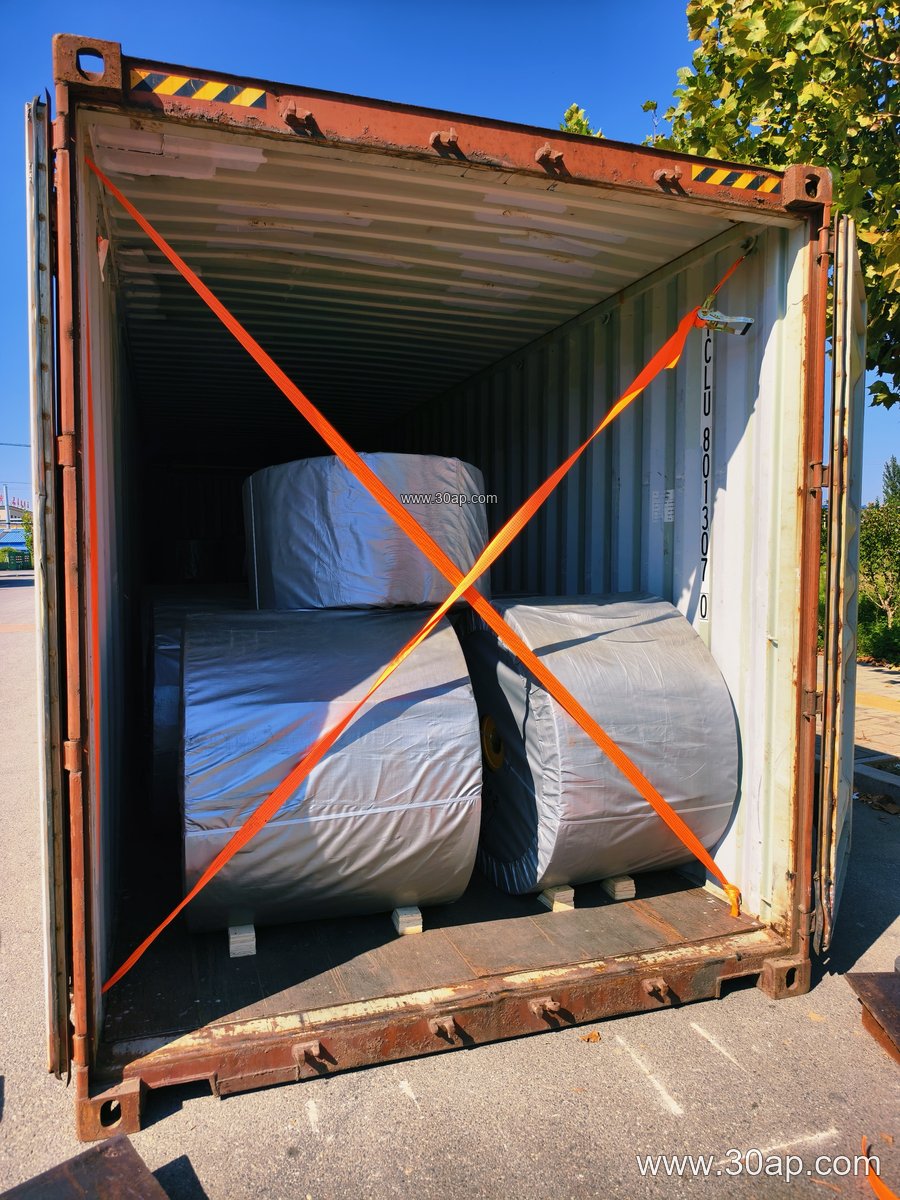
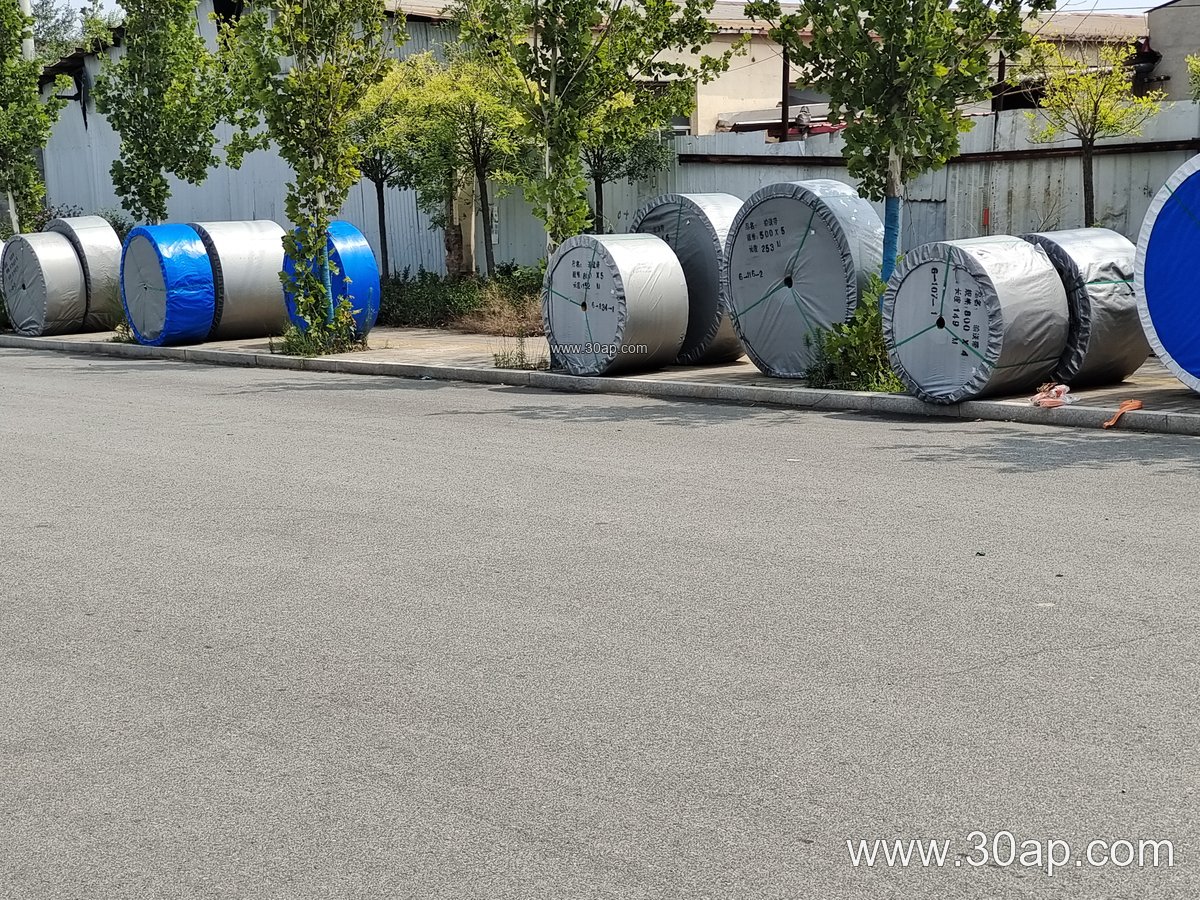
Most coal handling lines use a multi-ply fabric core or a steel cord carcass. Fabric constructions such as EP conveyor belt and NN conveyor belt grades are common where moderate tension and good troughability are needed. For long runs, high lifts, or large tonnage, a steel cord conveyor belt provides higher tensile strength with fewer splices. Rubber covers protect the carcass, and cover thickness is selected according to lump size and drop height.
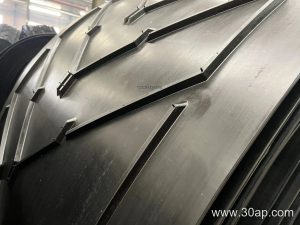
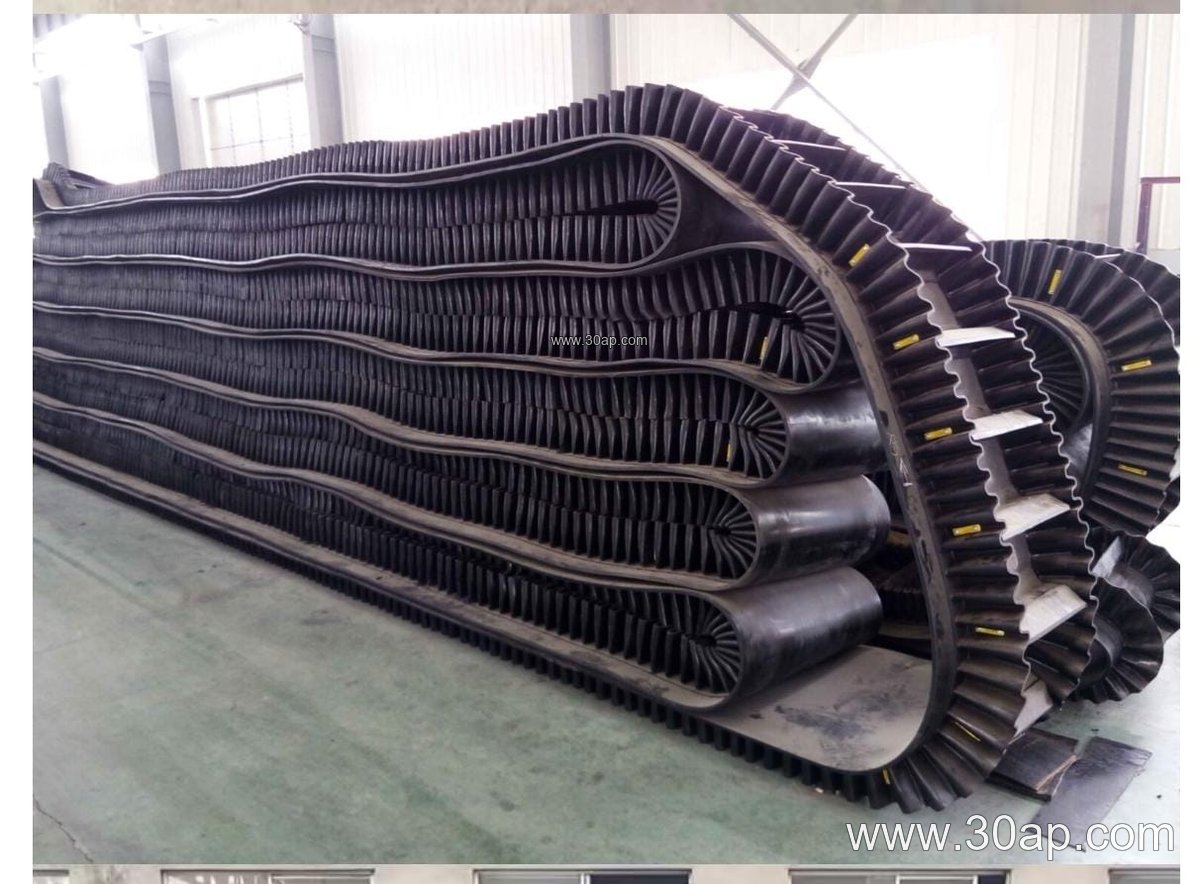
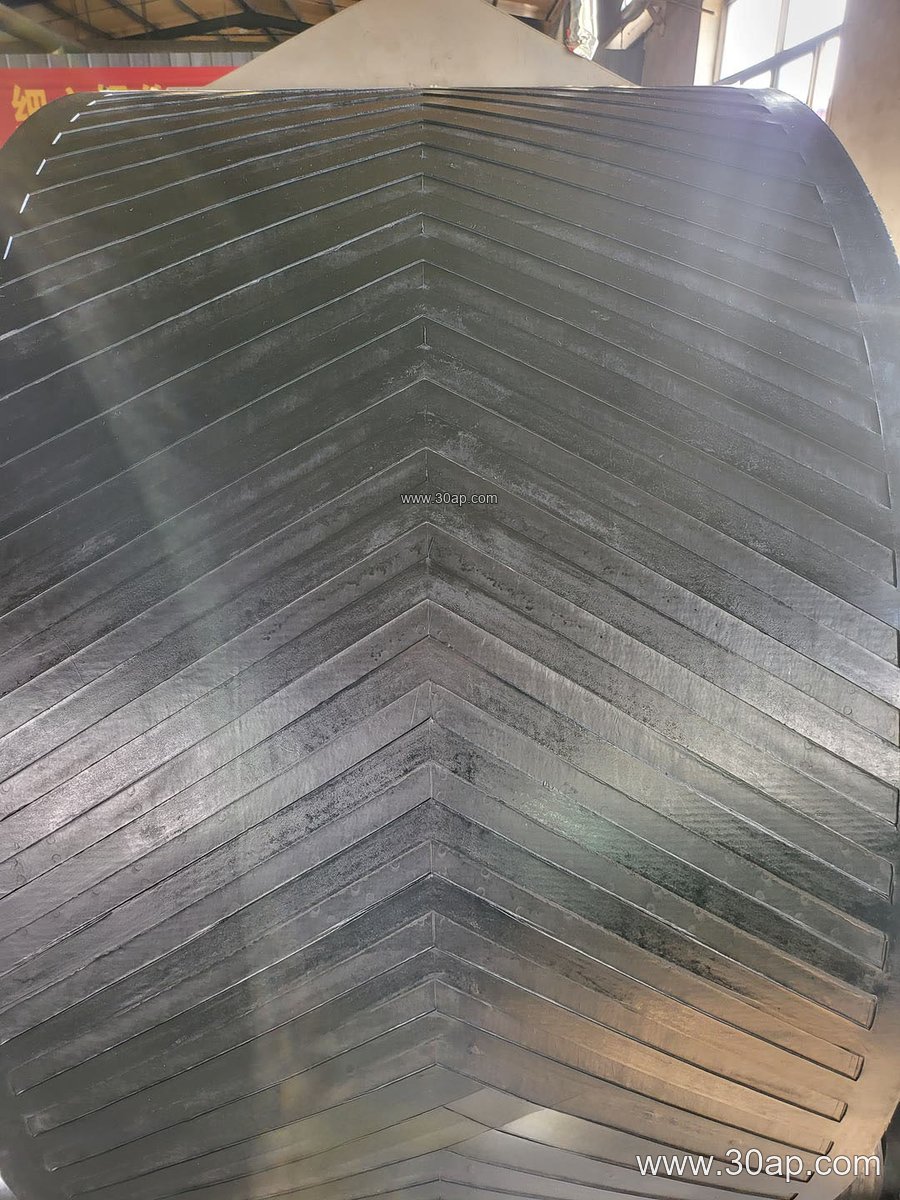
Where dust and methane are present, a flame retardant conveyor belt or fire resistant conveyor belt grade is often specified. A PVG conveyor belt or PVC conveyor belt may be used in underground coal mining conveyor belt applications where anti-static and flame-retardant performance are required. A chevron conveyor belt or corrugated sidewall conveyor belt helps on inclines where material would otherwise slide back.
| Parameter | Typical Reference | Notes |
|---|---|---|
| Belt width | B500, B650, B800, B1000, B1200, B1400, B1600, B1800, B2000 | Matched to tonnage and lump size |
| Fabric strength | EP200, EP400, EP630, EP800, EP1000, EP1250 | Selected by calculated tension |
| Steel cord grade | ST1000, ST1600, ST2000, ST2500 | For long distance and high load |
| Cover thickness | 4+2, 5+2, 6+2, 8+3 mm | Top and bottom cover |
| Ply count | 2 to 6 layers | Depends on belt class |
Where It Fits in the System
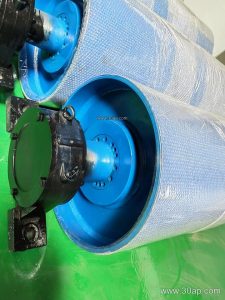
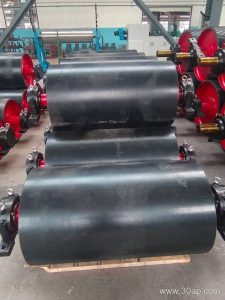
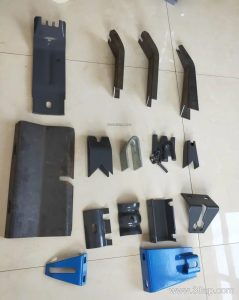
A coal conveyor belt does not work alone. It runs over conveyor pulley assemblies, including drive, tail, and bend pulleys, and is supported by idler roller sets spaced along the frame. Conveyor bracket and frame components hold the idlers and pulleys in alignment. In a coal yard or power plant conveyor belt line, proper alignment of these parts reduces edge wear and tracking problems. The same belt may feed a crusher conveyor belt section, a stockpile conveyor, or a ship loading conveyor belt at a port.
In cement plants and quarries, an abrasion resistant conveyor belt is often chosen for limestone and clinker, while a heat resistant conveyor belt may be needed near kilns or hot material transfer points. Coal handling itself usually favors a combination of abrasion resistance and flame retardancy.
Selection Points for Buyers
- Confirm the design tension and choose between fabric and steel cord construction accordingly.
- State the coal lump size and drop height to set cover thickness and impact resistance.
- Check whether underground or enclosed conditions require flame retardant and anti-static properties.
- Review incline angle to decide if a smooth, chevron, or sidewall belt is appropriate.
- Match belt width to the conveyor frame and pulley face width; do not assume one width fixes every pulley diameter.
- Ask for splice method and edge condition details for long-term tracking.
Widths such as 800mm conveyor belt, 1000mm conveyor belt, and 1200mm conveyor belt are frequently used in coal plants, but the final choice should follow conveyor design calculations rather than a single standard. Buyers should also confirm cover grade, ply count, and whether an endless conveyor belt is preferred to reduce joint maintenance.
Maintenance and Service Life
Regular inspection of the belt surface, edges, and splices prevents small damage from becoming a shutdown. Checking idler roller rotation and pulley alignment keeps the belt running centered. Cleaning carryback and keeping transfer chutes clear reduce abrasion and spillage. In cold regions, a cold resistant conveyor belt grade may be needed to avoid cracking, while oil resistant or acid resistant covers may suit special service conditions. Storing spare belt sections and monitoring cover wear help planners schedule replacement before failure.
For more information on matching belts, pulleys, and idlers, visit www.example.com/conveyor-belt and www.example.com/coal-conveyor-belt for related product notes. A well-selected coal conveyor belt, supported by the right pulleys and idlers, keeps coal moving safely from mine to boiler or stockyard.