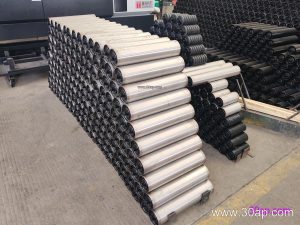
What a Galvanized Conveyor Bracket Does
A galvanized conveyor bracket is the structural link between a conveyor frame and the idler roller that carries the belt. Its job is to hold the roller at the correct height, angle and spacing so the conveyor belt runs true, wears evenly and stays loaded. In a quarry, a cement plant or a power plant coal yard, these brackets are exposed to dust, moisture and occasional washdown, which is why hot-dip galvanizing is often specified. The zinc coating resists rust and lets the bracket survive years of outdoor or humid service without repainting.
The bracket is not a wear part in the same way as a roller or a belt, but it determines how well those parts perform. A loose or misaligned bracket can shorten roller life and cause belt tracking problems. For this reason, buyers often treat the galvanized conveyor bracket as a structural component that deserves the same attention as the conveyor pulley and the conveyor belt itself.
Construction and Common Forms
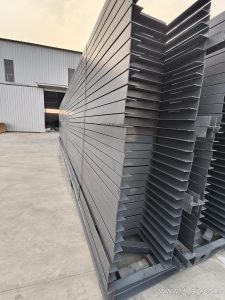
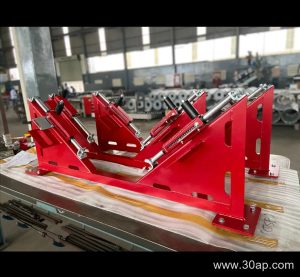
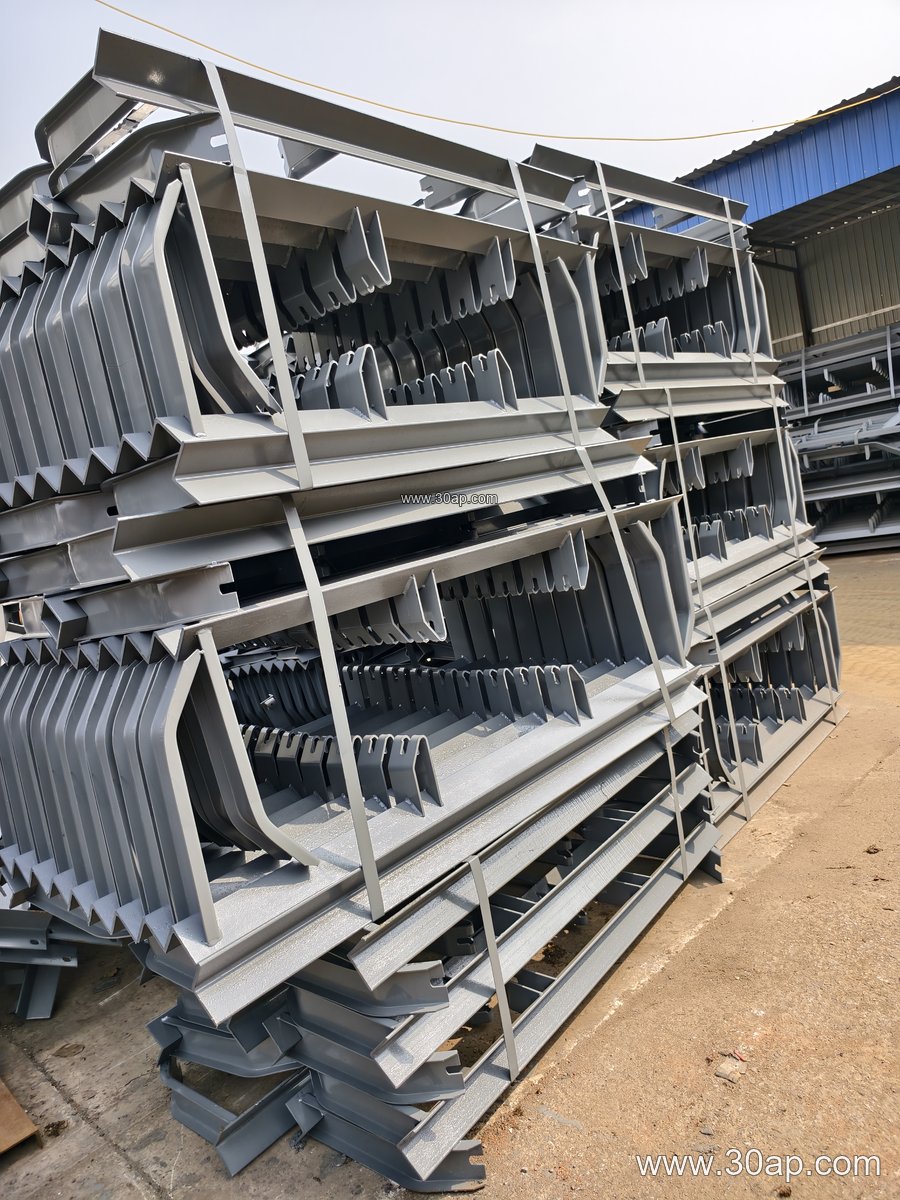
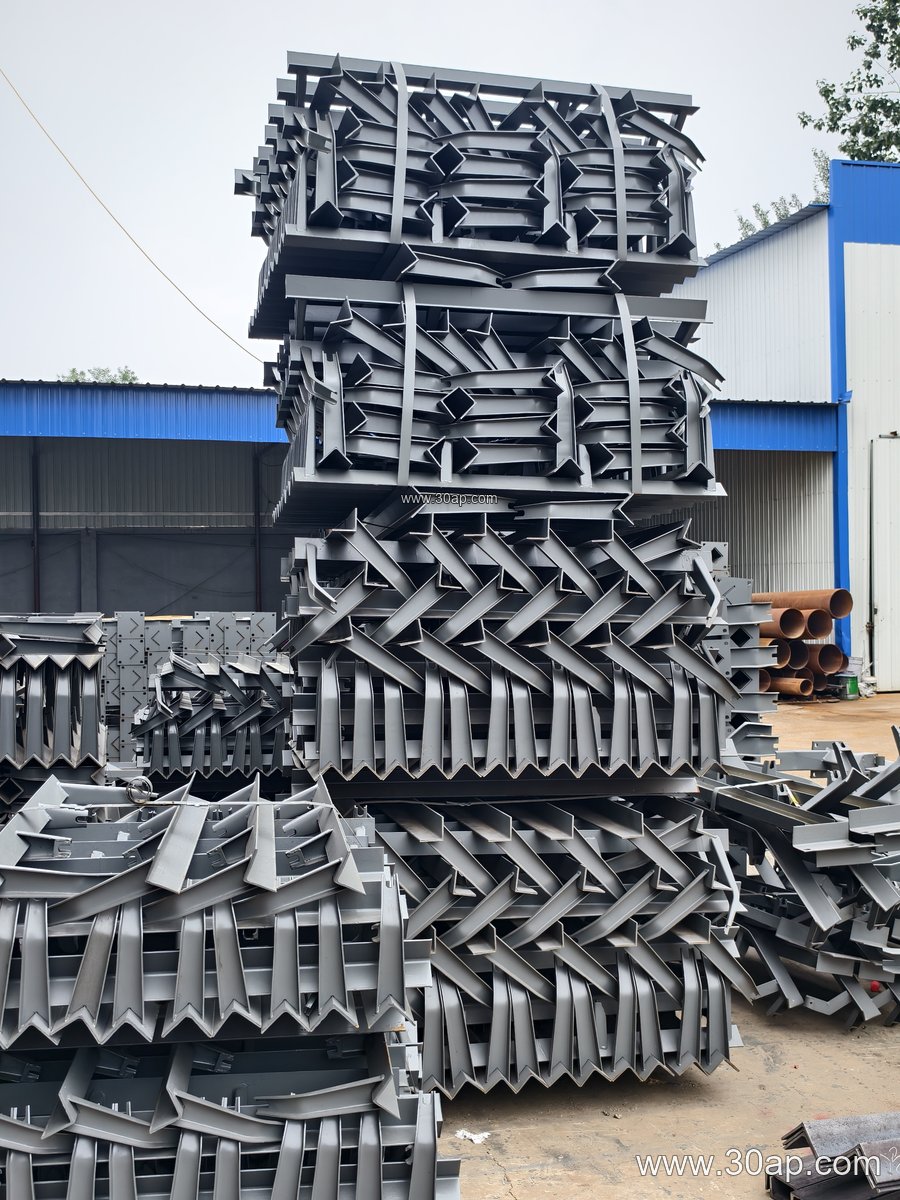
Most brackets are fabricated from angle steel, channel steel or folded steel plate. After cutting, drilling and welding, the assembly is galvanized. The coating thickness is usually controlled by the galvanizing process rather than by a single universal figure, so the buyer should confirm the coating class with the supplier. The bracket may be a simple fixed support, a troughing bracket that sets the trough angle, or an adjustable version that allows the roller position to be fine-tuned on site.
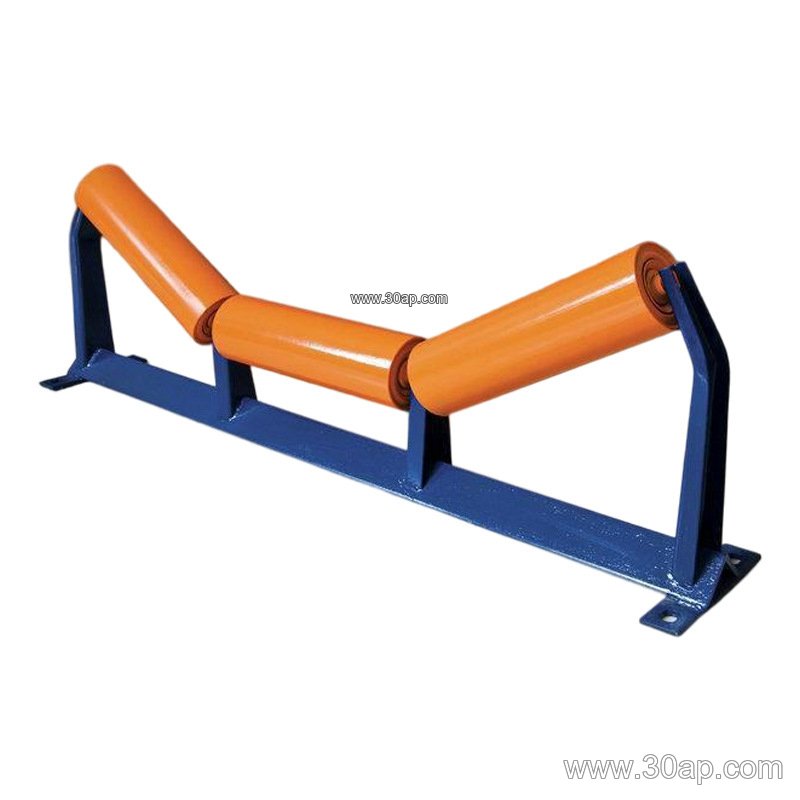
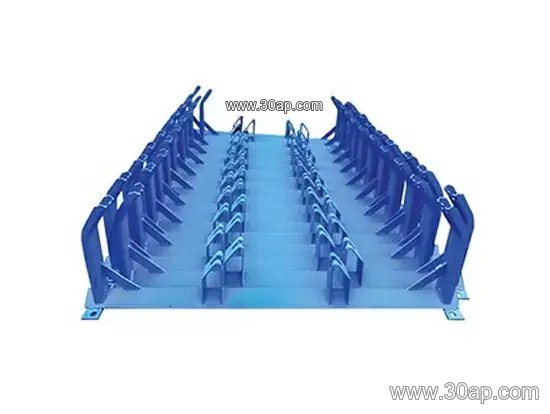
Common forms include troughing brackets, transition brackets, return brackets, impact brackets, self-aligning brackets and suspended brackets. A troughing bracket is the most familiar: it carries the three-roller set that shapes the belt into a trough. An adjustable bracket can change the trough angle, which is useful when a conveyor handles different materials or when the belt needs a smoother transition at the tail pulley. The bracket is usually matched to the belt width and the roller diameter, not chosen in isolation.
Where It Fits in a Conveyor
On a typical belt conveyor, the galvanized conveyor bracket appears along the carrying side and the return side. The carrying side uses troughing brackets with idler rollers to support the loaded belt. The return side uses flat or V-return brackets to support the empty belt. At the head, the conveyor pulley drives the belt; at the tail, the tail pulley redirects it. Bend pulleys and take-up arrangements may also be present, but those are separate components and should not be confused with the bracket.
In a stone crushing line, a quarry conveyor or a cement plant, brackets are often mounted on stringers or on a box frame. The bracket spacing depends on the belt width, the material weight and the impact loads at the loading point. Impact brackets with rubber or spring cushions are used under a crusher discharge or a transfer chute where lumps fall onto the belt. Self-aligning brackets help keep the belt centered on long runs, especially where the conveyor belt is wide and the load is uneven.
Matching Bracket, Roller and Belt
There is no single bracket size for every conveyor. A B800 belt may run with a 35-degree trough and a Ø108 roller in one plant, while a B1200 conveyor in another plant may use a 45-degree trough and a Ø133 roller. Both combinations can be correct when the design calls for them. The bracket must match the roller end shaft, the mounting hole spacing and the frame width. The table below gives common reference ranges, not fixed rules.
| Reference item | Common range | Notes |
|---|---|---|
| Belt width | B500 to B2200 | Bracket length and hole spacing vary with width |
| Trough angle | 20, 30, 35, 45 degrees | Adjustable brackets can be set within a range |
| Roller diameter | Ø89, Ø108, Ø133, Ø159, Ø194 | Match to belt speed and load |
| Material | Angle steel, channel steel, folded plate | Galvanized after fabrication |
When the conveyor uses a heavy-duty mining conveyor belt or a steel cord conveyor belt, the bracket and roller set must be strong enough for the extra tension and weight. A fabric core conveyor belt such as an EP conveyor belt or NN conveyor belt may call for a different bracket spacing than a thick steel cord belt. The bracket does not change the belt specification, but it must support the belt that the design selects.
Buyer Checklist
- Confirm the belt width and the roller diameter before ordering, and check the mounting hole spacing against the frame drawing.
- Decide whether a fixed or adjustable troughing bracket suits the conveyor; adjustable types help with transition zones and belt tracking.
- Check the galvanizing requirement and the steel thickness, especially for outdoor quarry or port applications.
- Consider the environment: a coal mining conveyor belt may need flame retardant properties, while a fertilizer or food application may need a different belt grade. The bracket itself should be selected for corrosion resistance and strength.
- Ask for the bracket to be matched with the idler roller and the conveyor pulley layout so that the whole support system fits together.
For more information on conveyor components, visit www.example.com/conveyor-bracket or www.example.com/galvanized-bracket. A well-chosen galvanized conveyor bracket keeps the belt supported, the rollers turning and the conveyor running smoothly in demanding industrial settings.