What a Guide Idler Bracket Does on a Conveyor
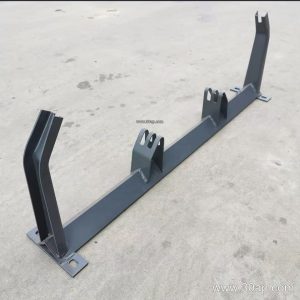
A guide idler bracket is the structural component that holds and positions idler rollers, keeping the conveyor belt aligned and supported along its path. Often referred to as a conveyor bracket or idler support bracket, it connects the idler roller to the conveyor frame and maintains the correct trough angle or return position. In quarry conveyor lines, cement plants, and power plant coal handling, the guide idler bracket helps prevent belt misalignment and reduces edge damage, especially when moving abrasive bulk materials on an abrasion resistant conveyor belt.
Construction and Material Options
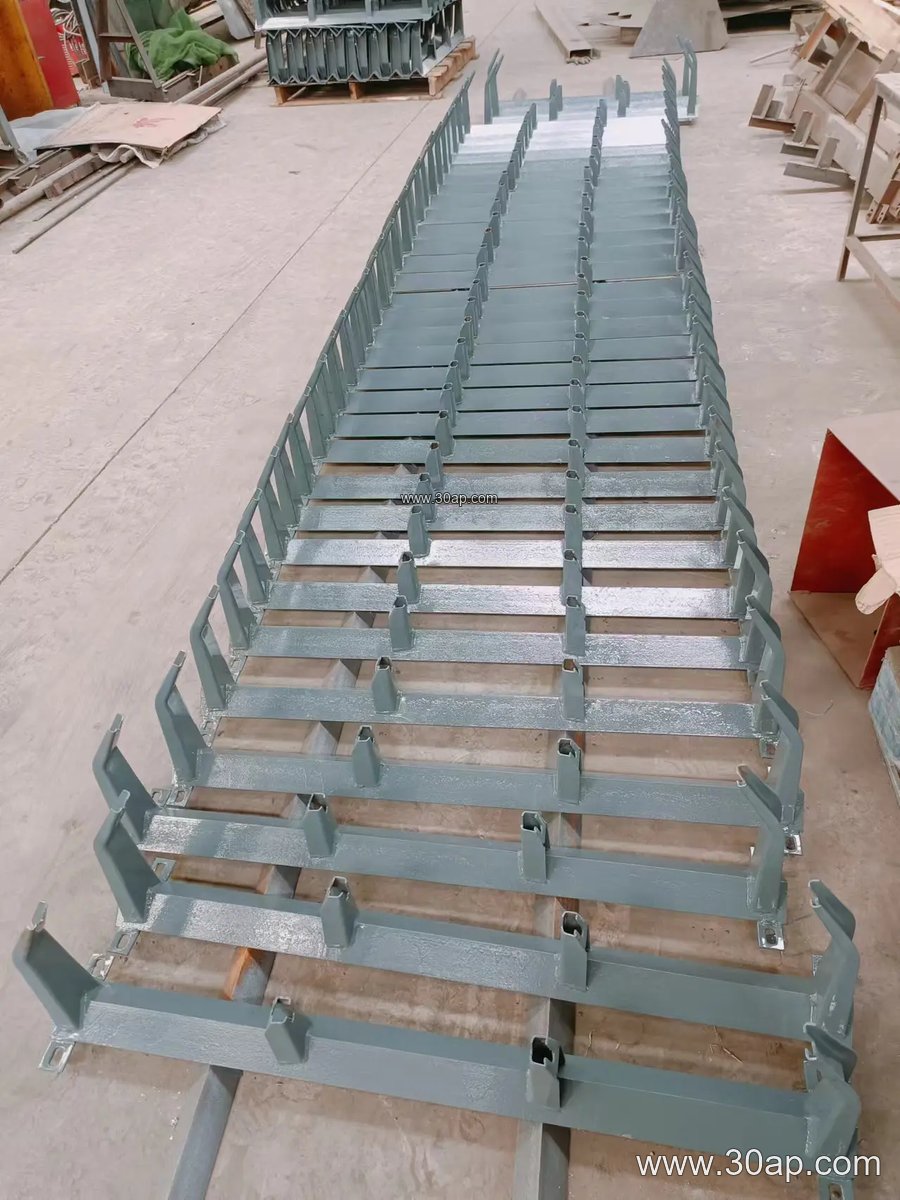
Most guide idler brackets are fabricated from angle steel, channel steel, or bent steel plate, selected for stiffness and corrosion resistance. The bracket must withstand continuous vibration and loading from the belt and material. Common surface treatments include painting or galvanizing, though specific requirements depend on the environment. For dusty operations such as a limestone mine or a crushing and screening plant, brackets with reinforced mounting slots are often preferred to simplify adjustment.
Types and Their Roles
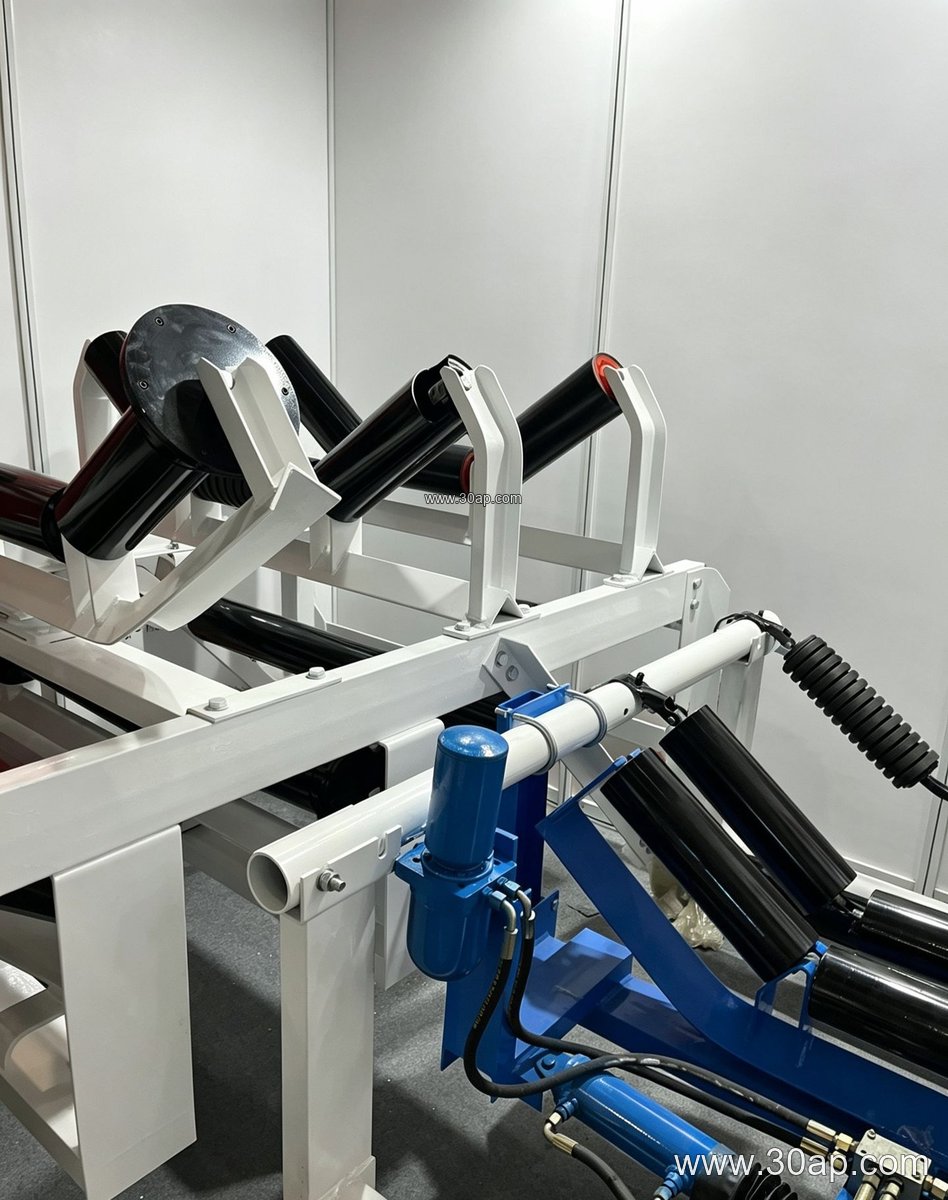
Guide idler brackets come in several forms to suit different belt sections. Troughing brackets support the carrying side and set the trough angle, typically 20, 30, 35, or 45 degrees. Transition brackets ease the belt from flat to troughed profile near pulleys. Return brackets hold the belt on the return side, with V-return and flat-return variants. Self-aligning brackets help correct belt drift, while impact brackets absorb shock at load points. Adjustable brackets allow the trough angle to be changed within a range, which is useful when the same conveyor handles different materials or belt widths.
Matching Brackets to Belt Width and Roller Diameter
Bracket dimensions are not universal. The mounting hole spacing and crossbeam length vary with belt width and trough angle. Common belt widths include B500, B650, B800, B1000, B1200, B1400, B1600, B1800, B2000, B2200. Roller diameters such as Ø89, Ø108, Ø133, Ø159, and Ø194 are used across these widths, but no single width dictates one roller diameter. The bracket must be selected so that the idler roller fits the mounting slots and the assembly achieves the design trough angle. For example, a B800 conveyor with a 35-degree trough might use Ø108 rollers, while a B1200 conveyor with a 45-degree trough could use Ø133 rollers; these are typical combinations, not fixed rules.
Applications Across Industries
Guide idler brackets are found wherever belt conveyors operate. In a coal mining conveyor system, flame retardant conveyor belts and self-aligning brackets work together to keep the belt centered in dusty, confined spaces. In a cement plant, heat resistant conveyor belts may require brackets that tolerate thermal expansion near kiln discharge. Port terminals handling iron ore or copper ore rely on heavy-duty brackets and steel cord conveyor belts to maintain alignment under high tension. Aggregate operations use impact brackets at transfer points to protect the belt from large lumps.
Installation and Adjustment Tips
Proper installation starts with aligning the bracket squarely to the conveyor centerline. Adjustable brackets should be set to the required trough angle and locked securely. For self-aligning brackets, ensure the pivot mechanism moves freely. Check that the idler roller rotates without binding after mounting. In a wash plant or a fertilizer handling line, regular inspection of brackets for corrosion or loose bolts helps avoid belt tracking problems. When replacing a bracket, match the mounting hole pattern and roller diameter to the existing assembly; do not assume that a bracket from a different belt width will fit.
Buyer Checklist
- Confirm belt width and required trough angle (e.g., B1000, 35 degrees).
- Verify roller diameter and mounting slot dimensions.
- Select material and finish suitable for the environment (dust, moisture, temperature).
- Decide between fixed and adjustable brackets based on operational flexibility needs.
- Check compatibility with the conveyor frame and existing idler rollers.
For more information on conveyor components and belt selection, visit our site at beltconveyorparts.com for guide idler bracket details and conveyor belt options.
Maintenance and Long-Term Reliability
Routine inspection of guide idler brackets should include checking for bent or cracked steel, worn mounting holes, and loose fasteners. In a steel plant or sintering plant, brackets may be exposed to high temperatures and should be inspected for deformation. Replacing worn brackets promptly prevents excessive belt edge wear and reduces the risk of belt damage. Keeping spare brackets on hand for common belt widths and roller diameters can minimize downtime in continuous operations such as a power plant coal yard or a ship loading terminal.