What a Heavy-Duty Lagged Pulley Does
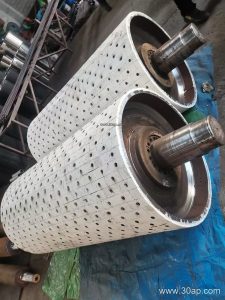
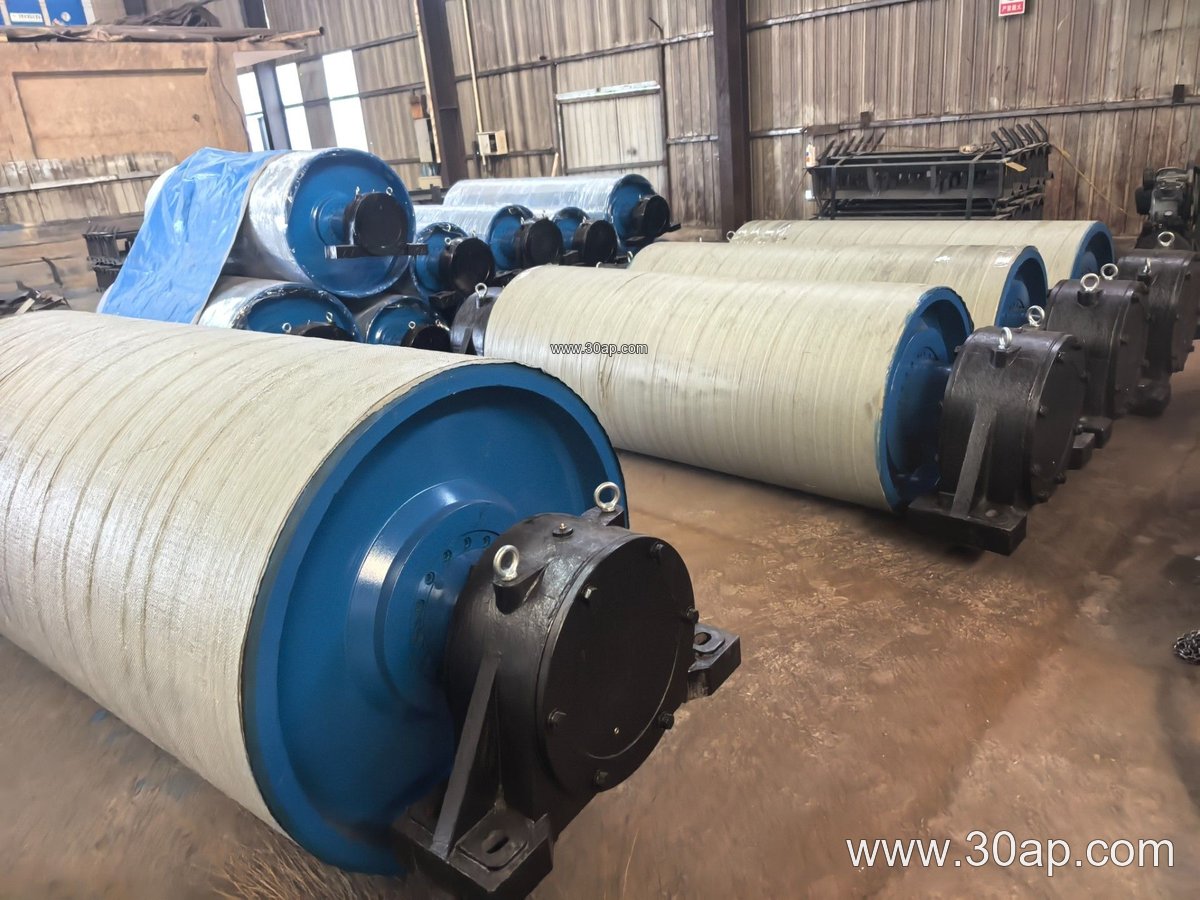
A heavy-duty lagged pulley is a conveyor pulley with a rubber or ceramic lagging bonded to its shell. This lagging layer increases friction between the pulley and the conveyor belt, reducing slip and improving traction under high loads. It also protects the pulley shell from wear and extends service life in demanding environments. Common in mining, cement, and power plant bulk handling, this pulley is often the drive or tail component that keeps a conveyor system running smoothly. Whether you call it a lagged drum pulley or a rubber-lagged conveyor pulley, the core function remains the same: reliable power transmission and belt tracking.
Construction and Surface Options
The heavy-duty lagged pulley is built with a robust steel shell, a sturdy shaft, and durable bearings. The lagging is applied in several ways: hot vulcanized rubber, cold-bonded rubber, or ceramic tiles. Surface patterns include plain, diamond, herringbone, and ceramic. Lagging thickness commonly ranges from 8 mm to 20 mm, depending on the application. For high-traction needs, diamond or herringbone patterns are popular; for extreme wear, ceramic lagging offers excellent grip and abrasion resistance. The pulley face width is usually slightly wider than the belt. For example, a B800 belt might use a pulley face around 950 mm, while a B1200 belt may pair with a 1400 mm face. Diameters vary widely, from Ø200 mm for smaller systems to Ø1800 mm for large drives, and shaft diameters are determined by torque and load, not by belt width alone.
Where It Fits in the Conveyor System
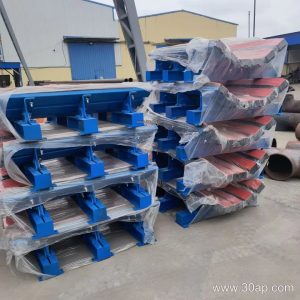
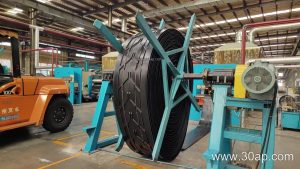
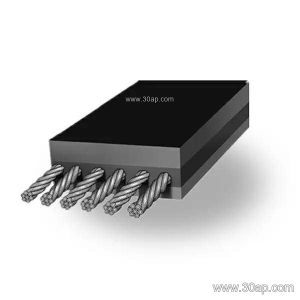
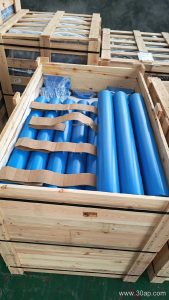
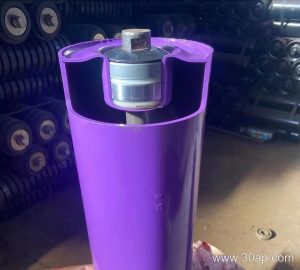
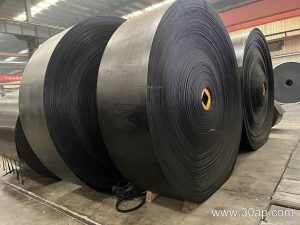
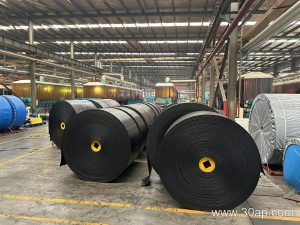
Heavy-duty lagged pulleys are typically found at the head (drive) or tail positions, where maximum traction is needed. In a quarry or aggregate line, the drive pulley must grip the belt firmly to handle continuous loads of rock and gravel. In a coal mining conveyor, lagged pulleys help prevent slip in wet or dusty conditions. They are also used as bend or take-up pulleys in some configurations, but drive and tail pulleys are the most common. The pulley works in concert with the conveyor belt, idler rollers, and conveyor brackets to maintain smooth operation. For instance, a heavy-duty mining conveyor belt paired with a lagged drive pulley ensures efficient transport of bulk materials. Similarly, a steel cord conveyor belt on a long overland system relies on lagged pulleys for dependable power transfer.
Key Selection Considerations
When choosing a heavy-duty lagged pulley, consider the belt width, pulley diameter, lagging type, and shaft size. The belt width determines the pulley face width, but there is no fixed rule that one belt width matches only one diameter. For example, a B1000 belt might use a Ø500 mm or Ø630 mm pulley depending on the drive requirements. Lagging thickness should match the load and environmental conditions; 10 mm or 12 mm rubber lagging is common for general use, while 15 mm or 20 mm may be specified for high-wear areas. Shaft diameter is calculated based on the torque and radial load, with common sizes ranging from Ø50 mm to Ø200 mm. Always consult the conveyor design to ensure compatibility. Other pulley types, such as bend pulleys, serve different roles and are not interchangeable with drive or tail pulleys. A heavy-duty lagged pulley is a specific component that should be selected for its intended position.
Maintenance and Longevity
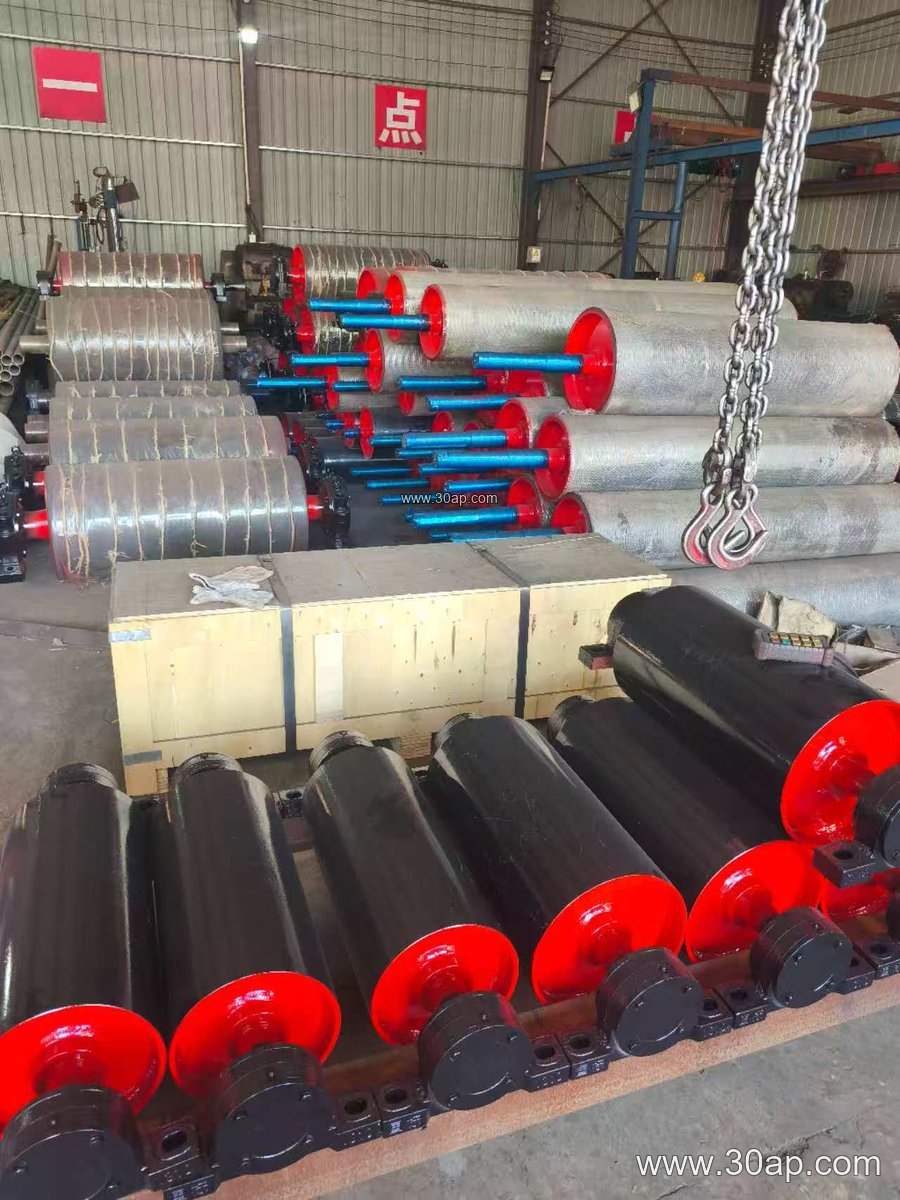
Regular inspection of the lagging surface is important. Look for signs of wear, glazing, or detachment. Worn lagging reduces traction and can lead to belt slippage. In dusty environments like a cement plant or coal handling facility, keep the pulley clean to prevent material buildup. Proper belt tension and alignment also extend pulley life. When replacing lagging, choose the same specification or consult the manufacturer for upgrades. Remember that the pulley is part of a system; check idler rollers and conveyor brackets as well to avoid premature failure. For harsh conditions, consider a heavy-duty lagged pulley with ceramic lagging for superior grip and durability.
For more information on conveyor components, visit our site at conveyor pulley and explore our range of heavy-duty conveyor belt options. Our lagged pulley solutions are designed for demanding industries.