What an Idler Bracket Does on a Conveyor
An idler bracket is the small but decisive steel component that holds a conveyor idler roller at the correct height, angle and spacing along the conveyor frame. Without a firm bracket, the roller cannot keep the belt in a stable trough, and the whole carrying run becomes uneven. In a quarry, a cement plant or a power plant coal yard, the bracket is often the first part a maintenance team inspects when a belt starts to wander or the roller frame begins to vibrate.
The bracket is not a pulley and should never be confused with a conveyor pulley. Drive pulleys, tail pulleys and bend pulleys transmit or redirect belt tension at the ends of a conveyor, while an idler bracket simply supports the idler roller that carries the belt between those ends. Each has its own drawing, load path and replacement logic.
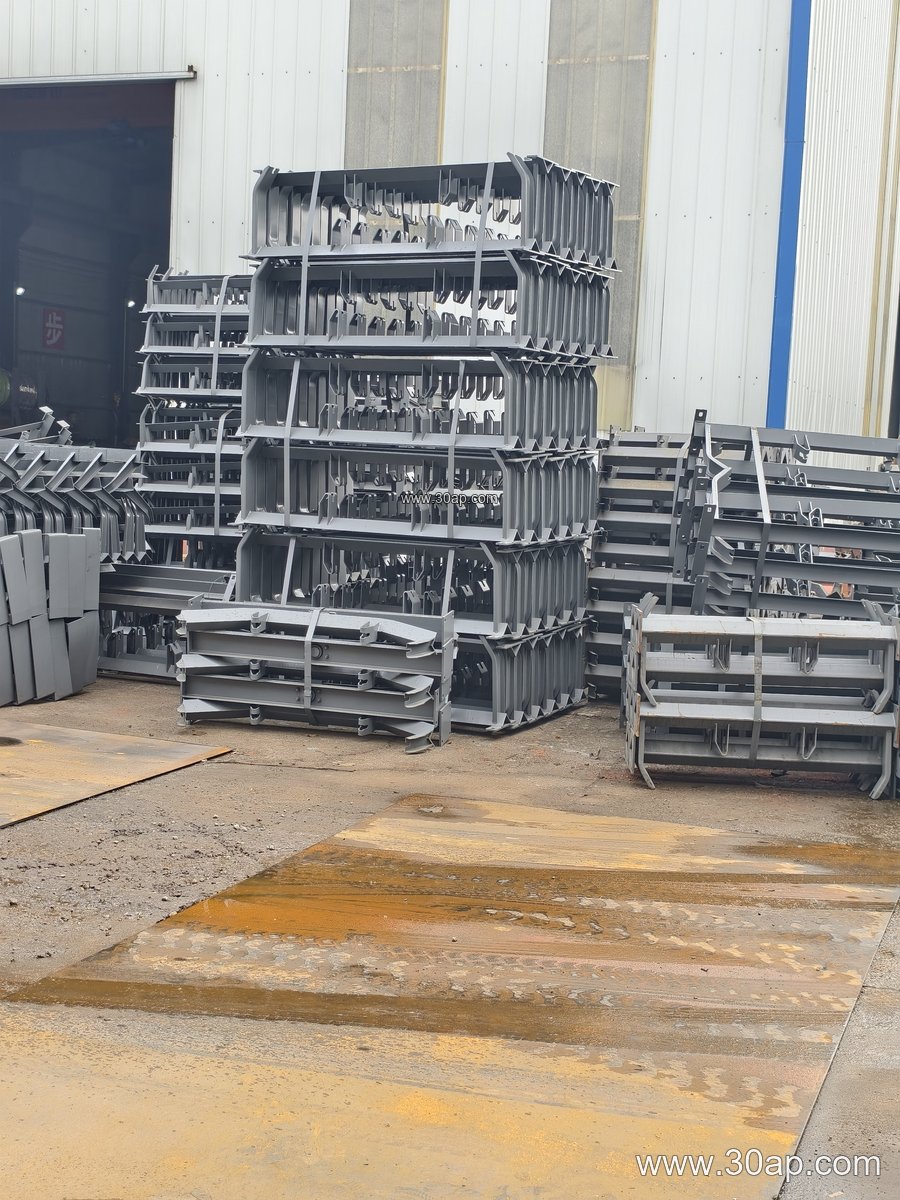
How the Bracket Is Built
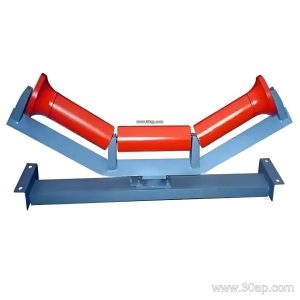
Most brackets are fabricated from angle steel, channel steel or folded steel plate, then drilled or punched for mounting bolts. A typical assembly includes a crossbeam, one or two bracket ears, a slot or hole pattern for the idler shaft, and a foot that bolts to the conveyor stringer. Welded construction is common, and the weld quality matters because the bracket carries repeated dynamic loads from the moving belt and the material on it.
Surface treatment usually follows the site environment. A sand and gravel line may accept a standard painted finish, while a port handling bulk material or a fertilizer plant may need a more corrosion-conscious coating. Buyers should ask for the material thickness and the hole spacing rather than assuming a bracket will match an existing frame.
Troughing, Return and Transition Positions
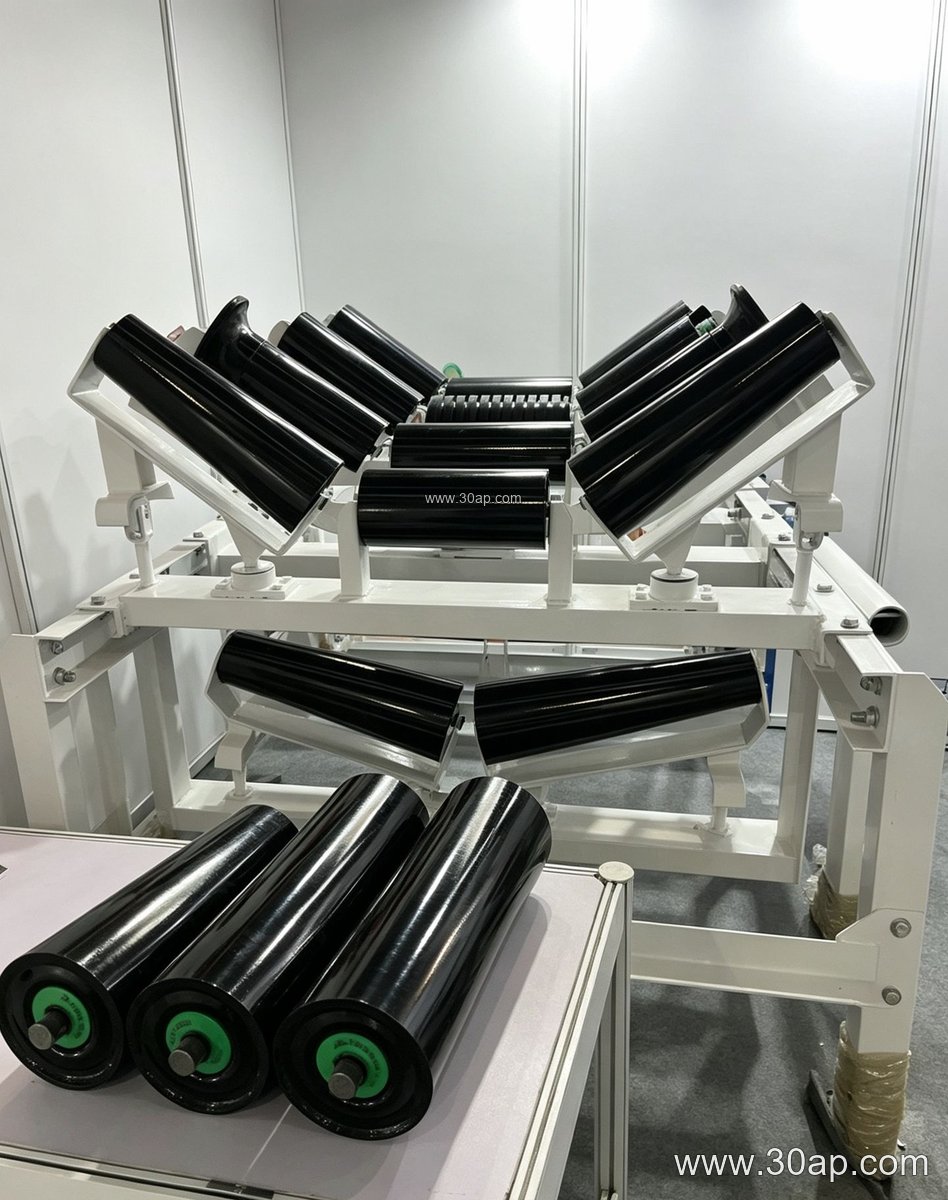
Brackets appear in several positions along one conveyor, and the position changes the design. Common arrangements include:
- Troughing brackets that set the carrying idlers at 20, 30, 35 or 45 degrees.
- Transition brackets placed where the belt changes from flat to troughed, easing stress on the belt edge.
- Return brackets and V-return brackets that support the empty belt.
- Impact brackets used under loading points, often paired with cushion rollers.
- Self-aligning and forward-leaning brackets that help control belt tracking.
- Suspended and adjustable brackets for frames that need field adjustment.
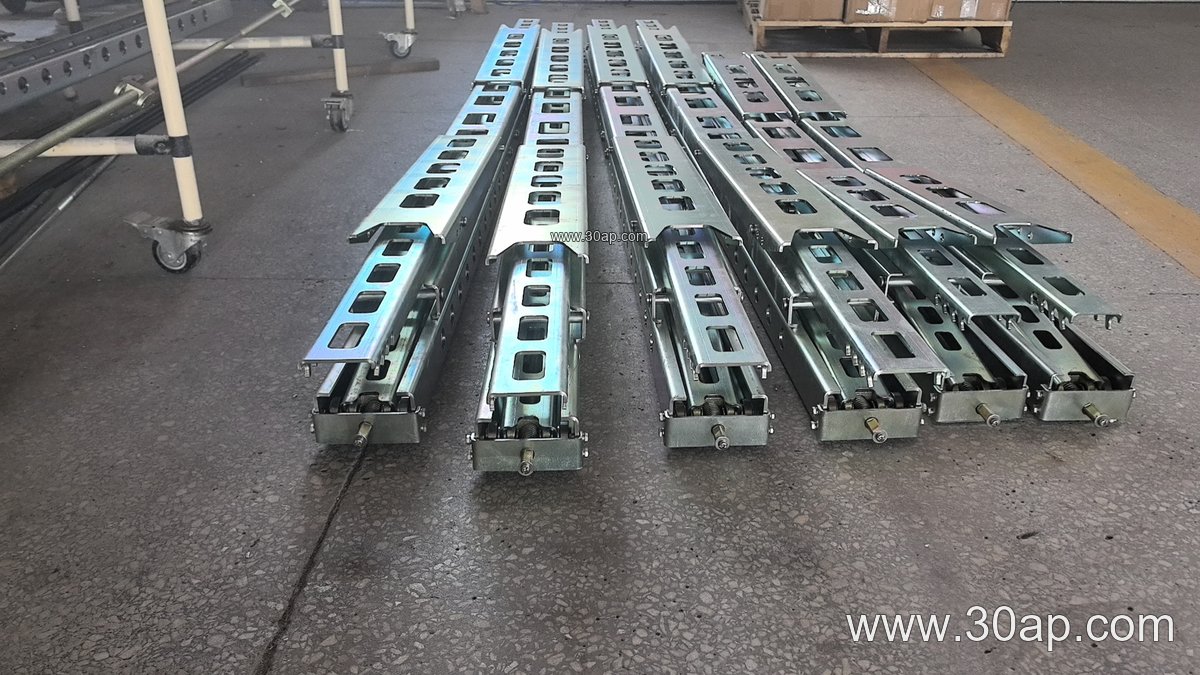
A fixed bracket holds one geometry, while an adjustable bracket allows the trough angle to be changed within a range. That flexibility is useful during commissioning, but it should not be treated as a substitute for correct initial design.
Matching Belt Width, Roller Diameter and Trough Angle
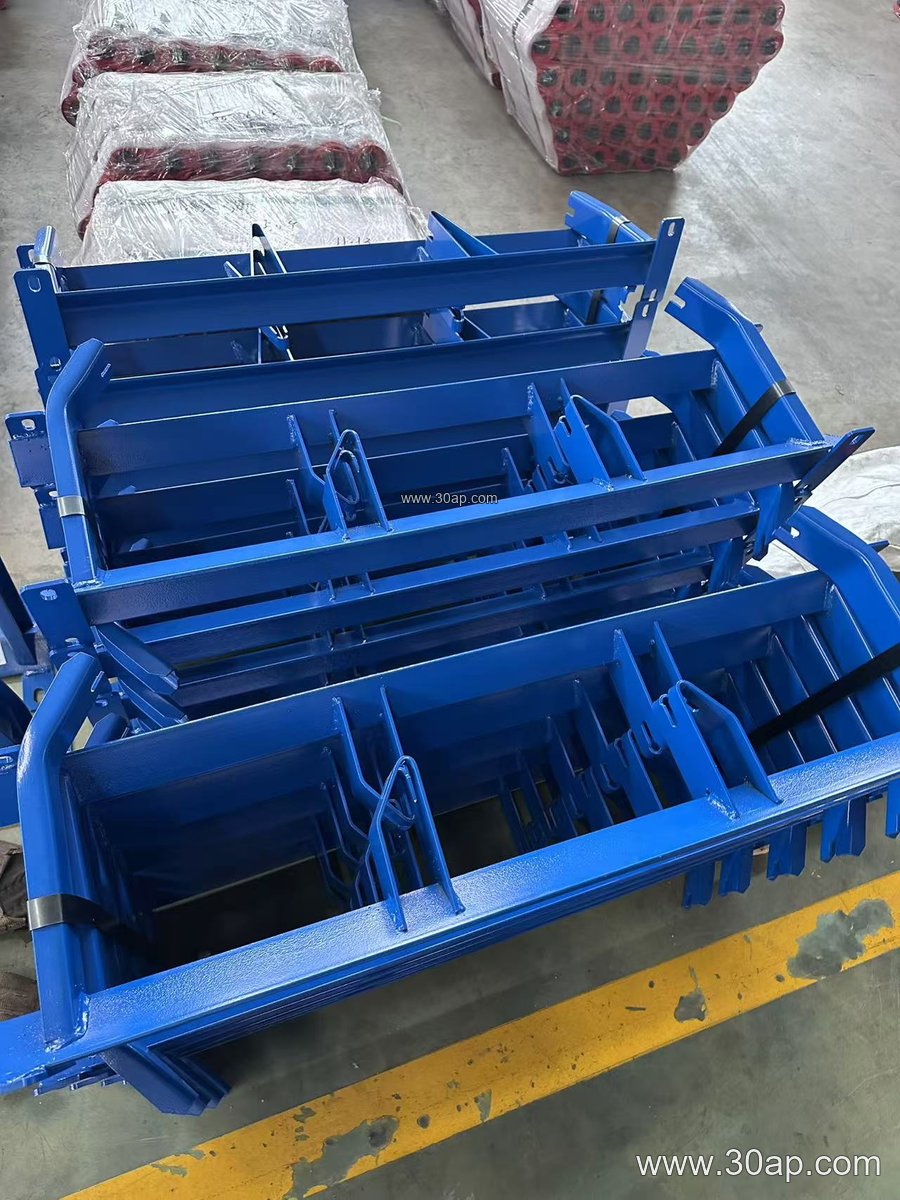
Bracket selection starts with the belt width and the idler roller diameter, then moves to the trough angle. The three values are related but not locked in a one-to-one way. A B800 conveyor might run 30 degrees with a Ø108 roller in one plant and 35 degrees with a Ø133 roller in another, depending on capacity, material lump size and belt stiffness. The table below shows common reference combinations; final values are confirmed by the conveyor design.
| Belt width | Typical trough angle | Common roller diameter | Typical bracket role |
|---|---|---|---|
| B500 | 20–30 degrees | Ø89 | Troughing or return support |
| B650 | 30 degrees | Ø89–Ø108 | Troughing bracket |
| B800 | 30–35 degrees | Ø108–Ø133 | Troughing or transition |
| B1000 | 35 degrees | Ø108–Ø133 | Troughing bracket |
| B1200 | 35–45 degrees | Ø133–Ø159 | Troughing or impact |
| B1400 | 35–45 degrees | Ø133–Ø159 | Troughing bracket |
| B1600 | 35–45 degrees | Ø159–Ø194 | Heavy troughing support |
| B1800–B2200 | 35–45 degrees | Ø159–Ø194 | Heavy-duty troughing or transition |
Forward-leaning brackets are often set around 1.5 to 2 degrees to encourage self-centering. Mounting hole spacing and crossbeam length vary with belt width and trough angle, so they are determined per project rather than taken as a fixed number.
Where These Brackets Are Used
In a limestone quarry or a crushing and screening line, brackets hold troughing idlers under a heavy abrasive load, and the belt may be an abrasion resistant conveyor belt or a multi-ply fabric core conveyor belt. In a coal preparation plant or an underground coal mining conveyor, flame retardant conveyor belt and anti-static conveyor belt grades are common, and bracket alignment is checked carefully because tracking faults are harder to correct underground.
At a cement plant or a power plant coal handling system, long carrying runs use many identical brackets, so interchangeability and hole accuracy save maintenance time. Ports handling iron ore or copper ore may combine steel cord conveyor belt with heavy troughing brackets, while a food or fertilizer site may use a rubber conveyor belt with a different surface grade. In every case, the bracket’s job stays the same: keep the idler roller square to the belt and stable under load.
What a Buyer Should Check Before Ordering
Start with a drawing of the existing frame, not just a belt width. Confirm belt width, roller diameter, trough angle, bracket type and mounting hole spacing. Ask whether the bracket is fixed or adjustable, and check the steel section and plate thickness. State the environment, since a wash-down area, a dusty coal yard and a hot sinter line place different demands on coating and fit. Finally, confirm that the bracket is designed for the idler roller you plan to use, and keep spare brackets matched to each position rather than mixing types across the conveyor.