What a Mining Fire Resistant Conveyor Belt Is
A Mining Fire Resistant Conveyor Belt is a heavy-duty rubber belt engineered to resist ignition and limit flame spread when it carries coal, ore, and other bulk materials in underground and surface mining operations. In practice, it is often called a fire resistant conveyor belt, a flame retardant conveyor belt, or a mining flame retardant conveyor belt. These names describe the same product class: a belt whose rubber compounds are formulated so that the belt is difficult to ignite and tends to self-extinguish once an external flame source is removed.
Fire resistance is not a single property. It combines flame retardancy with anti-static behavior, because static discharge on a moving belt can become an ignition source in a dusty or gassy environment. This is why a Mining Fire Resistant Conveyor Belt is commonly specified together with anti-static requirements for conveyor systems operating in coal mines, cement plants, power plants, and ore processing facilities.
How the Belt Is Built
The construction follows the general pattern of a fabric core conveyor belt, with fire resistant compounds used in both the cover and the carcass. A typical build includes:
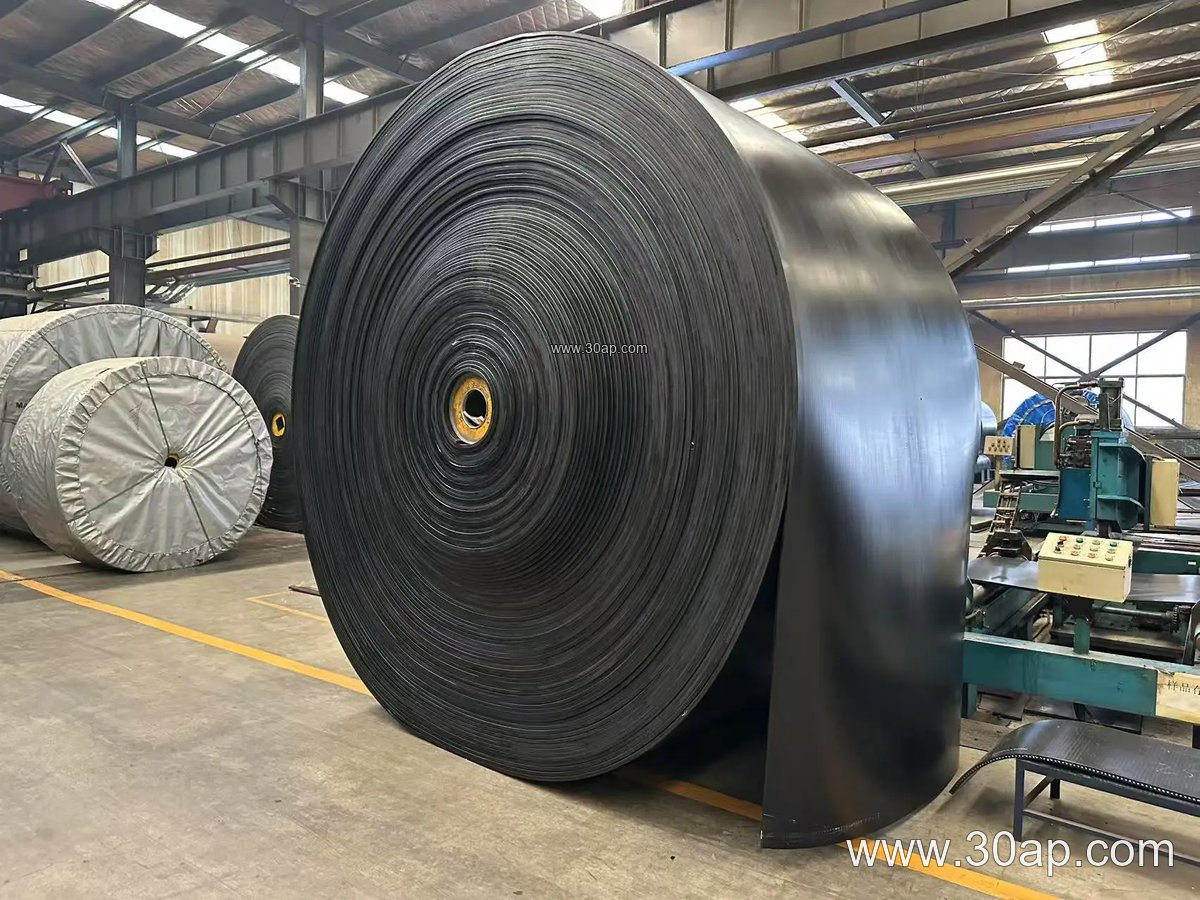
- Carcass: multiple plies of EP fabric (polyester warp, nylon weft) or NN fabric (nylon/nylon), which provide tensile strength and resistance to flex fatigue. A fabric core conveyor belt of this kind usually carries 2 to 6 plies depending on the duty.
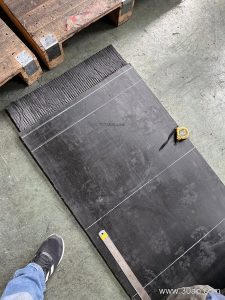
- Covers: top and bottom rubber layers with fire retardant and anti-static additives. Common cover combinations include 3+1.5 mm, 4+2 mm, 5+2 mm, 6+2 mm, and 8+3 mm, with thicker top covers for abrasive rock and ore.
- Edges and splices: cut edges or molded edges, with vulcanized or mechanical splices selected according to the belt tension and the installation method.
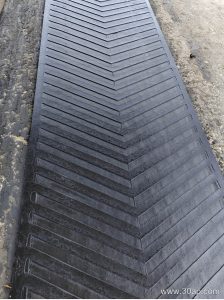
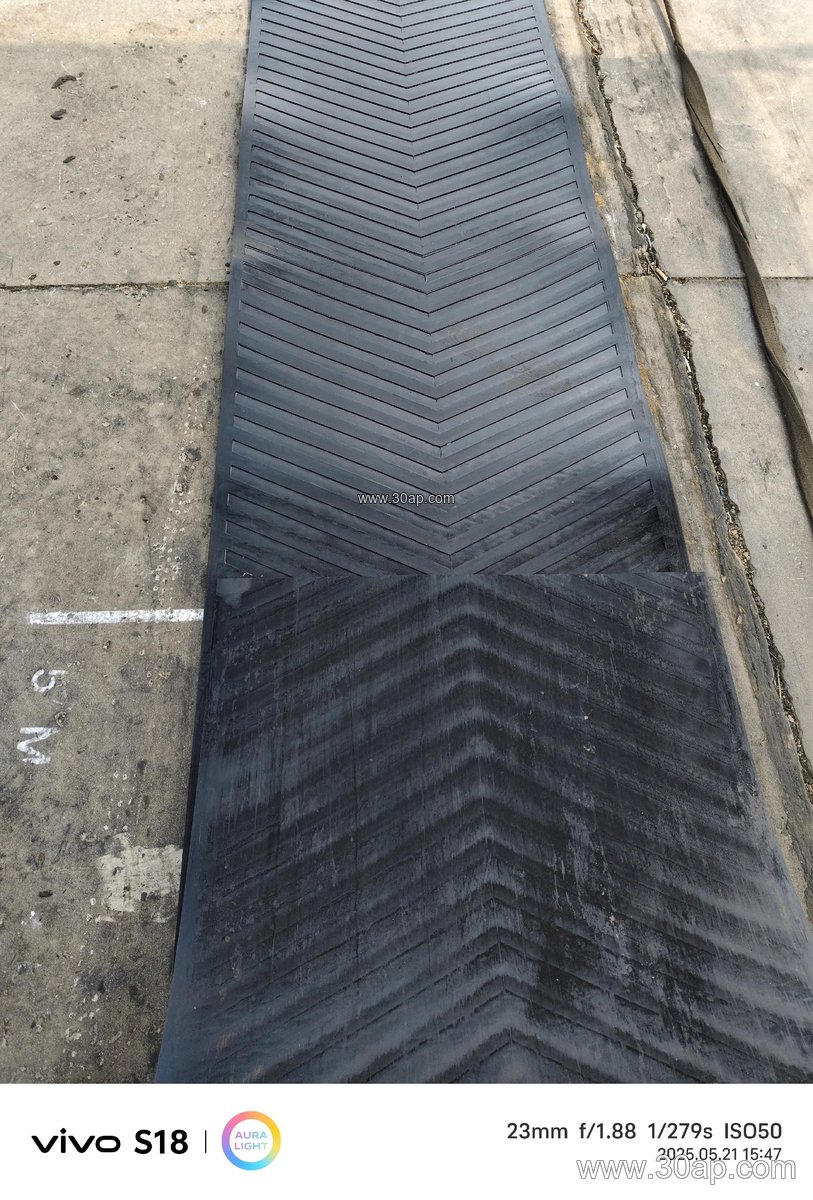
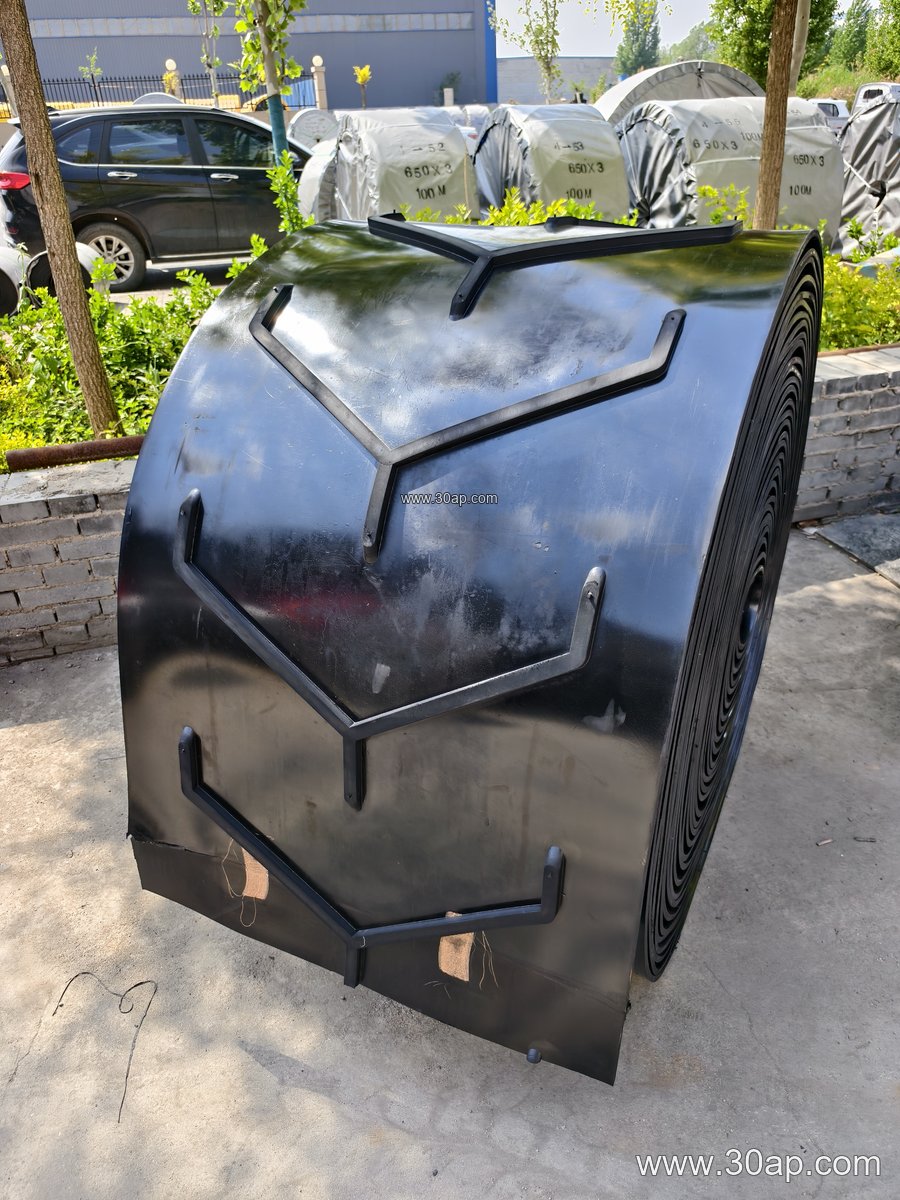
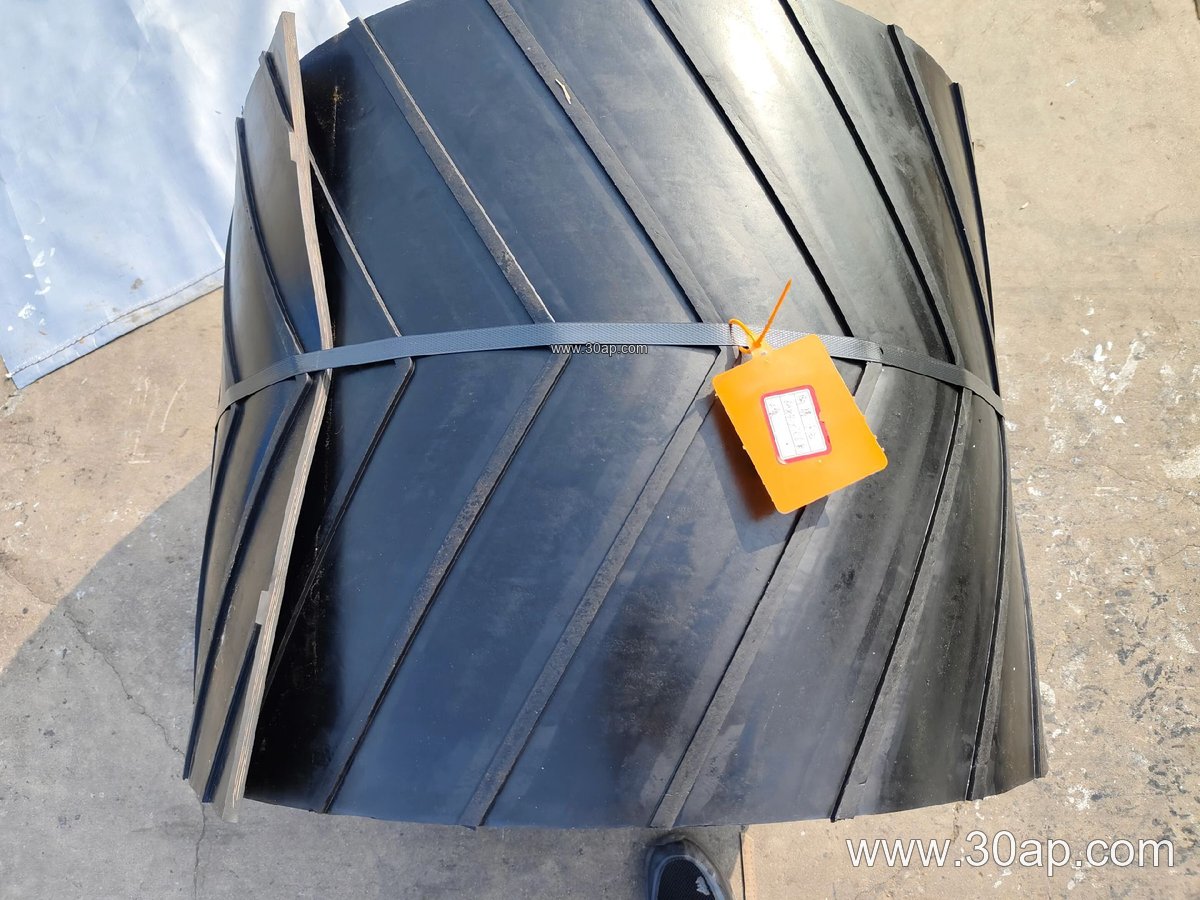
For long overland and high-tension mining conveyors, a steel cord conveyor belt may be chosen instead of fabric plies, but the fire resistant requirement still governs the compound selection. For steep inclines, a chevron conveyor belt or corrugated sidewall belt can be supplied in flame retardant grades, but these are different belt designs and not replacements for a standard flat fire resistant belt on a normal troughed conveyor.
Where It Is Used
The main applications are those where a spark, friction heat, or an electrical fault could start a belt fire:
- Coal mining: underground coal mining conveyor belts and surface coal handling systems, where flame spread and static are both critical.
- Metalliferous mines: iron ore conveyor belts, copper ore conveyor belts, and gold mining conveyor belts feeding crushers and stockpiles.
- Processing plants: cement plants, power plant coal yards, steel plants, and quarry or aggregate conveyor belts.
- Ports and bulk terminals: ship loading and bulk material conveyor belts handling dusty cargoes.
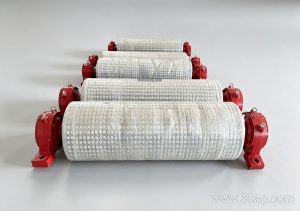
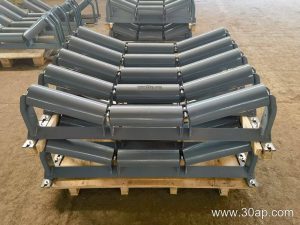
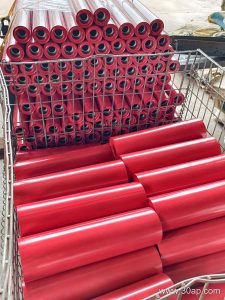
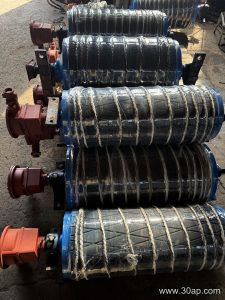
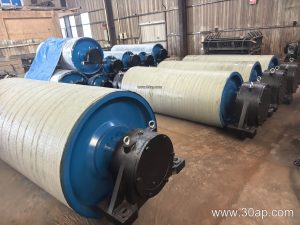
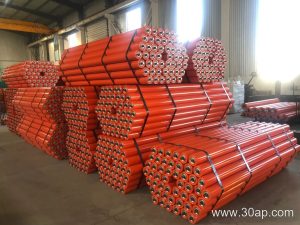
The belt usually runs on a troughed idler roller set supported by a conveyor bracket and frame, and is driven through a head pulley with a tail pulley and bend pulleys for the return run. Drive, tail, and bend pulleys have distinct roles in the conveyor geometry and should be specified separately; the belt itself does not change their function. A conveyor pulley with proper lagging and alignment helps reduce slip and frictional heat, which supports the fire safety of the whole system.
Specifications Buyers Should Review
Belt strength and width are the first data points to confirm, because the same fire resistant grade can be produced in many constructions. The values below are common reference ranges, not fixed supply promises, and should always be confirmed against the conveyor design.
| Parameter | Typical range | Notes |
|---|---|---|
| Fabric type | EP or NN | EP conveyor belt is common for general mining duty |
| Strength grade | EP200 to EP1000 | Higher grades for long, heavily loaded conveyors |
| Belt width | B500 to B2000 | 800 mm, 1000 mm, 1200 mm, and 1400 mm are frequent choices |
| Cover thickness | 3+1.5 to 8+3 mm | Thicker top cover for abrasive ore and rock |
| Ply count | 2 to 6 | Set by tension calculation |
| Fire performance | Flame retardant, anti-static | Test method and acceptance criteria per project |
Width and pulley diameter are separate design decisions. A wider belt does not dictate a single pulley size, and the shaft diameter must be calculated from the actual belt tension, pulley load, and conveyor layout rather than guessed from belt width. Buyers should also check whether the belt needs additional properties such as abrasion resistance, oil resistance, or heat resistance, since a fire resistant compound and a heat resistant conveyor belt compound serve different purposes.
Selection and Maintenance Notes
When specifying a Mining Fire Resistant Conveyor Belt, match the strength grade to the calculated working tension, keep the cover thick enough for the material’s abrasiveness, and confirm the splice method with the installer. On site, correct tracking matters: misalignment against the idler roller and the conveyor pulley generates edge wear and heat. Regular inspection of splices, edges, and pulley lagging, together with cleaning of spilled coal or ore, reduces both fire risk and belt wear. For systems that also face cold winters, an oil resistant or cold resistant grade may be considered where the duty requires it, but the fire resistant requirement remains the primary selection criterion in mining service.