What a Carbon Steel Idler Does on a Conveyor
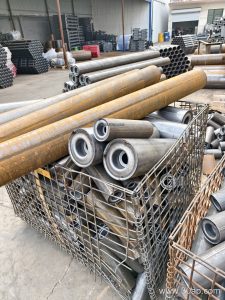
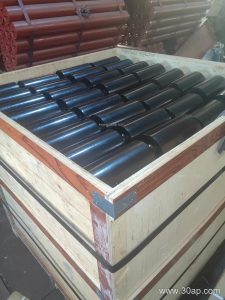
A carbon steel idler is the rotating support that carries the conveyor belt along its path. It is usually a tube made from carbon steel, fitted with bearings at each end and mounted in a frame. The idler roller keeps the belt aligned, reduces friction, and helps the belt move smoothly under load. In a typical conveyor structure, the idler works together with the conveyor pulley, conveyor bracket, and the belt itself. Carbon steel is chosen because it offers a good balance of strength, stiffness, and cost for many bulk handling duties.
How a Carbon Steel Idler Is Built
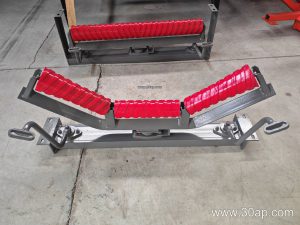
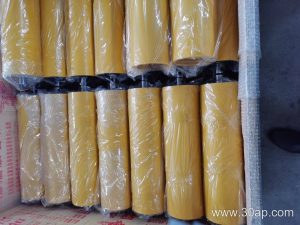
The main body is a carbon steel tube, often with machined end caps that hold the bearing housing. Common bearing sizes include 6204, 6205, 6305, 6306, 6308, and 6310, but the bearing is selected according to load and speed rather than matched to one tube diameter. The shaft runs through the bearing and is fixed to the conveyor bracket. Seals protect the bearing from dust and moisture. The roller surface may be plain steel or covered with rubber rings for impact absorption. A carbon steel idler can be supplied as a single roller, as a two-roller set, or as a three-roller troughing set. The roller diameter is often one of Ø63, Ø76, Ø89, Ø102, Ø108, Ø127, Ø133, Ø159, Ø178, Ø194, or Ø219 mm, while the length depends on belt width, trough angle, and the idler arrangement.
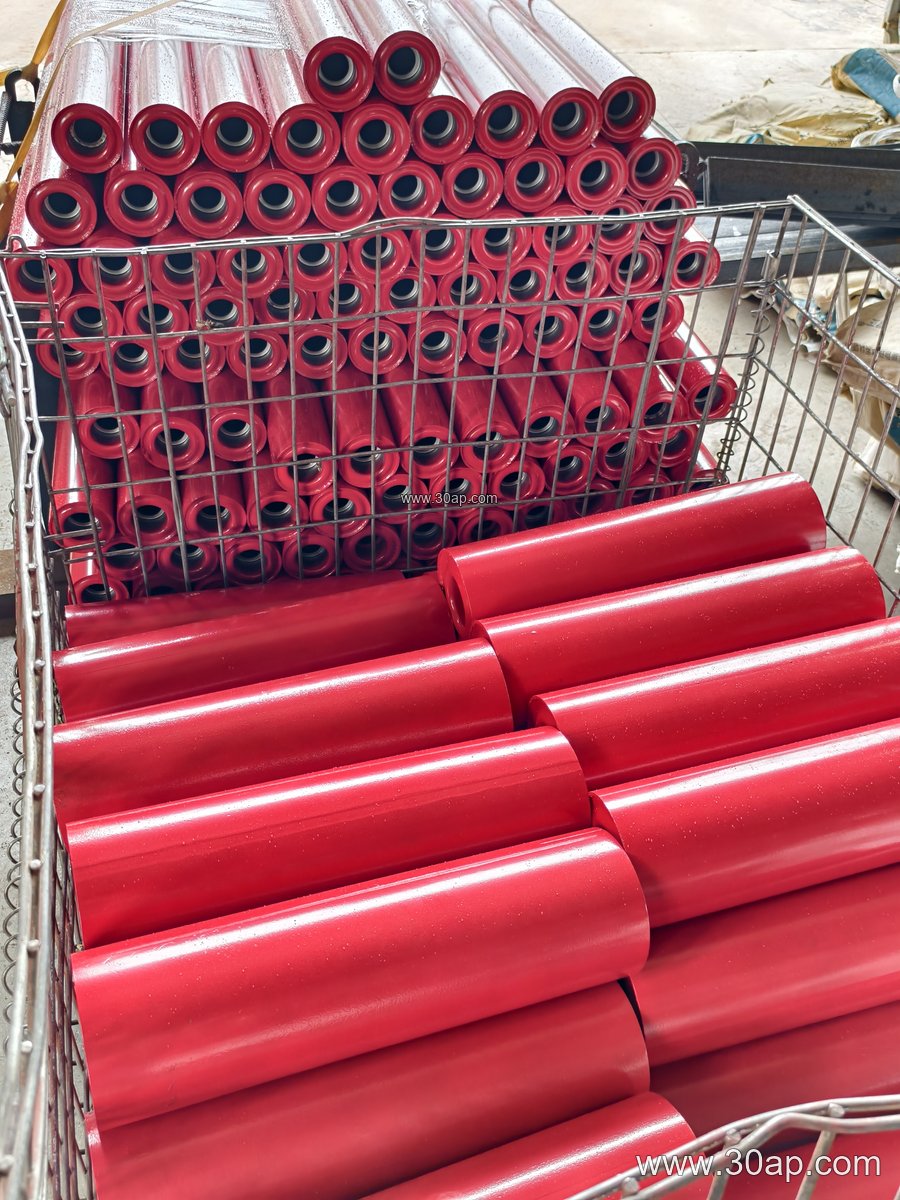
Where Carbon Steel Idlers Are Used
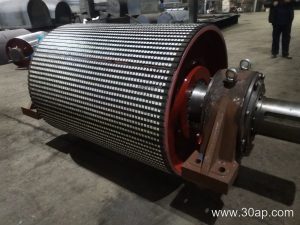
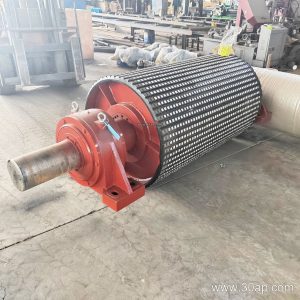
These idlers are common in quarry and aggregate lines, cement plants, power plant coal handling, and iron ore or copper ore conveying. They also appear in crushing and screening circuits, port loading systems, and tunnel spoil removal. In a coal mining conveyor, a carbon steel idler may be used on the carrying side with a three-roller troughing set to support a heavy-duty mining conveyor belt, or on the return side as a flat or V-return roller. In a cement plant, the same idler type can support an abrasion resistant conveyor belt that moves clinker or limestone. The idler is not the same as a drive pulley or tail pulley; each has a different role in the conveyor drive and tension system.
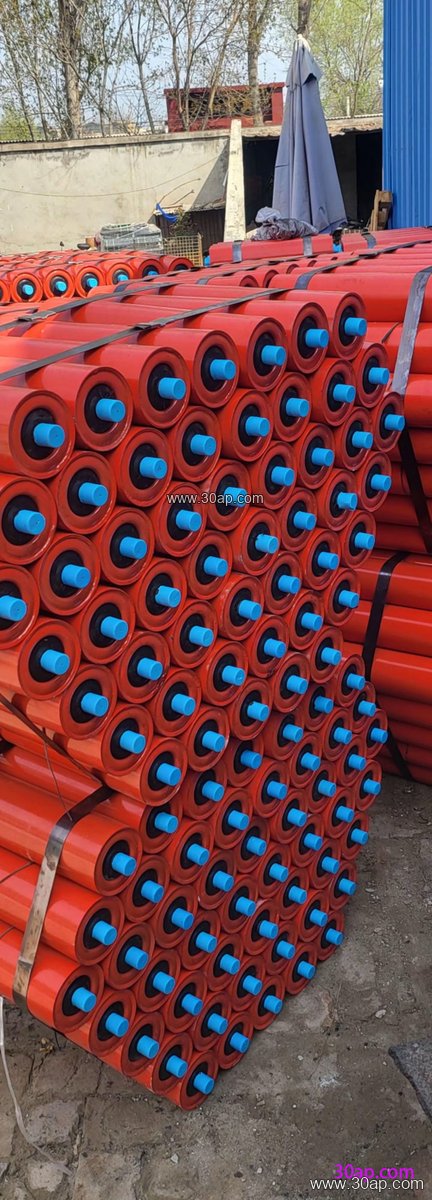
Trough Angles and Roller Arrangements
The trough angle affects how the belt forms around the load. Common trough angles are 20, 30, 35, and 45 degrees. A three-roller troughing set is widely used for bulk material, while a two-roller set may suit narrower belts or specific load shapes. For transition zones near a conveyor pulley, transition idlers help the belt change from flat to troughed without stress. On the return side, a flat return idler or V-return idler supports the empty belt. Self-aligning idlers, including friction and taper types, help correct belt drift. A spiral idler can reduce material build-up on the return side. These are different idler subtypes, not replacements for the carbon steel idler itself.
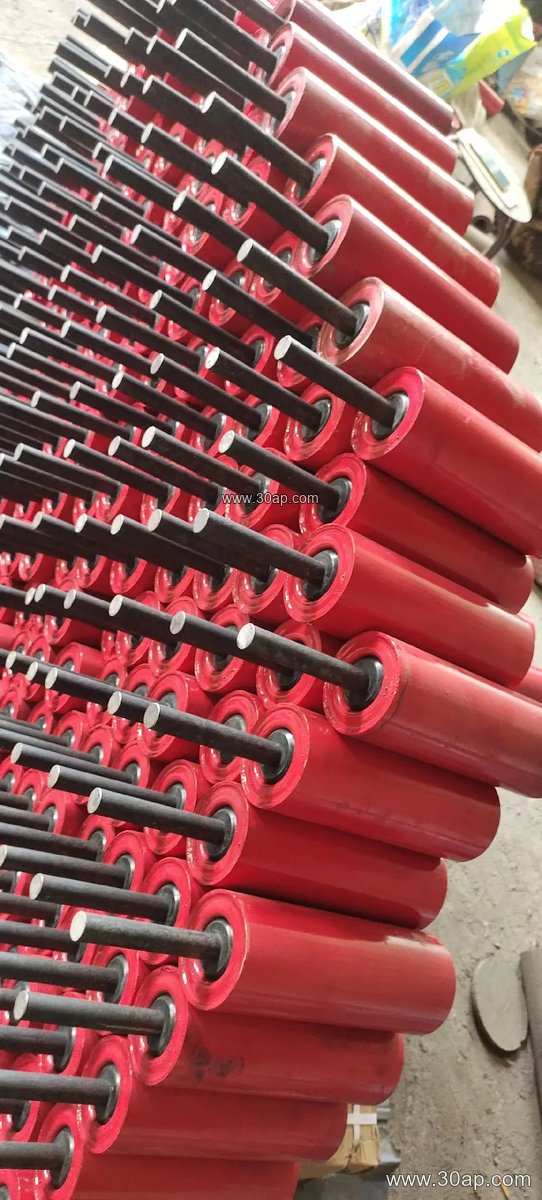
Matching Idler Size to Belt Width
Roller length is not fixed by belt width alone, but common examples for three-roller troughing sets give a useful starting point. For a B500 belt, a roller length around 200 mm is often used; for B650, about 250 mm; for B800, about 315 mm; for B1000, about 380 mm; for B1200, about 465 mm; for B1400, about 530 mm; for B1600, about 600 mm; for B1800, about 670 mm; and for B2000, about 750 mm. Side rollers and center rollers can differ, and the final length is confirmed by the conveyor design. The table below shows typical reference values, not a universal rule.
| Belt width | Common roller length for three-roller troughing set |
|---|---|
| B500 | about 200 mm |
| B650 | about 250 mm |
| B800 | about 315 mm |
| B1000 | about 380 mm |
| B1200 | about 465 mm |
| B1400 | about 530 mm |
| B1600 | about 600 mm |
| B1800 | about 670 mm |
| B2000 | about 750 mm |
For a heavy-duty mining conveyor belt or an EP conveyor belt, the idler diameter and bearing size should be checked against the actual load and belt speed. A larger diameter idler can reduce rolling resistance, while a smaller diameter may fit a compact frame. The carbon steel idler should be selected with the conveyor bracket and pulley dimensions in mind.
Buyer Checklist for Carbon Steel Idlers
- Confirm the belt width and trough angle before choosing roller length.
- Check the required roller diameter and bearing size for the load and speed.
- Decide between plain steel, rubber ring, or other surface forms based on impact and wear.
- Review the seal type for dusty or wet conditions in the plant.
- Make sure the idler frame matches the existing conveyor bracket and pulley layout.
- Ask for the actual drawing or datasheet rather than relying on a single size example.
Whether the line carries coal, clinker, ore, or aggregate, a carbon steel idler is a practical support component. It should be matched to the conveyor belt, the pulley, and the bracket system as a whole. For more information on idlers and related conveyor components, visit conveyoridler.com or zhongyitransmission.com.