What a Belt Conveyor Bracket Does
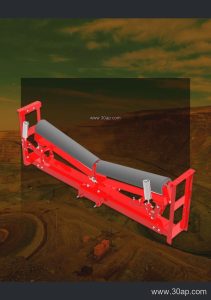
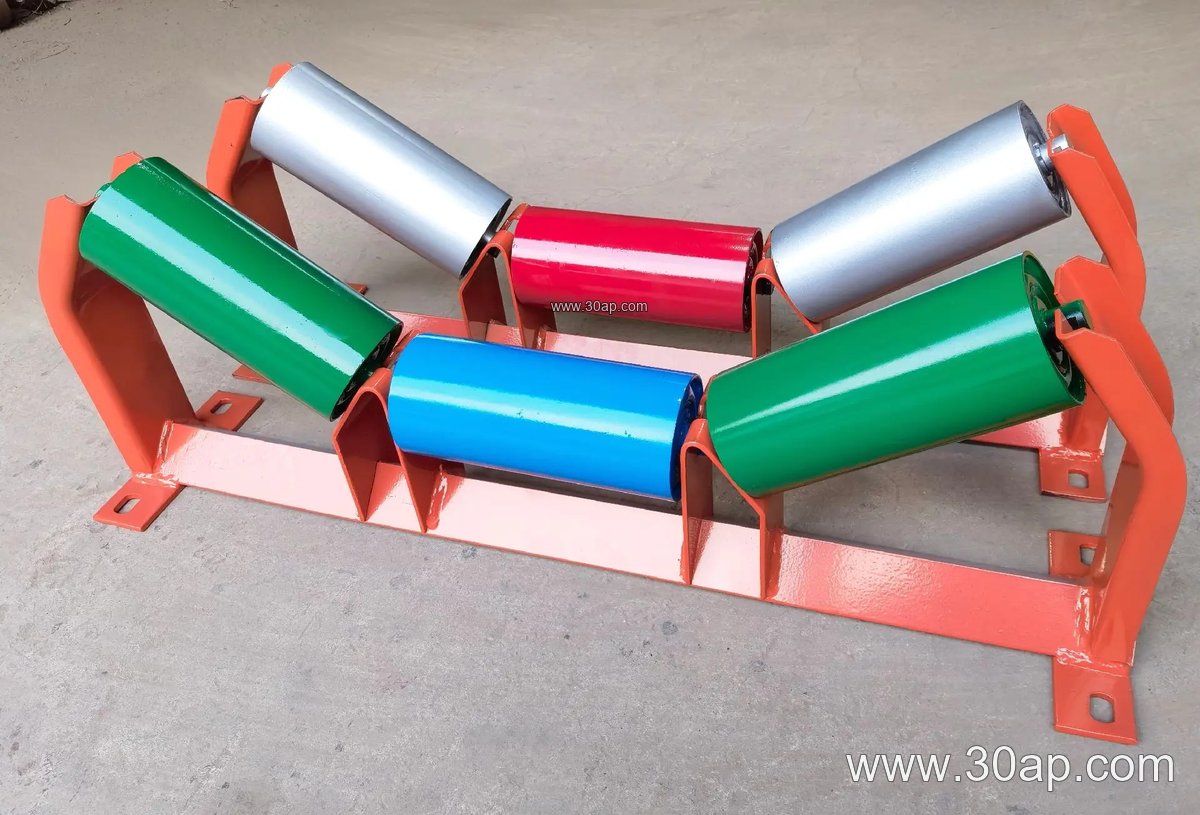
A belt conveyor bracket is the structural interface between the conveyor frame and the rollers that carry or return the belt. Often called a conveyor bracket, it holds the idler roller in the correct position and angle so the belt keeps its shape under load. In a stone crushing line or a cement plant, a loose or misaligned bracket shows up quickly as belt wander, spillage, and uneven wear.
The bracket itself carries little load compared with the belt and material, but it sets the geometry the whole conveyor depends on. That is why bracket choice belongs in the same conversation as belt width and roller diameter, not as an afterthought.
Construction and Common Forms
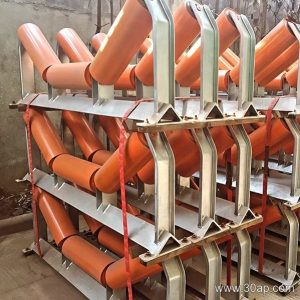
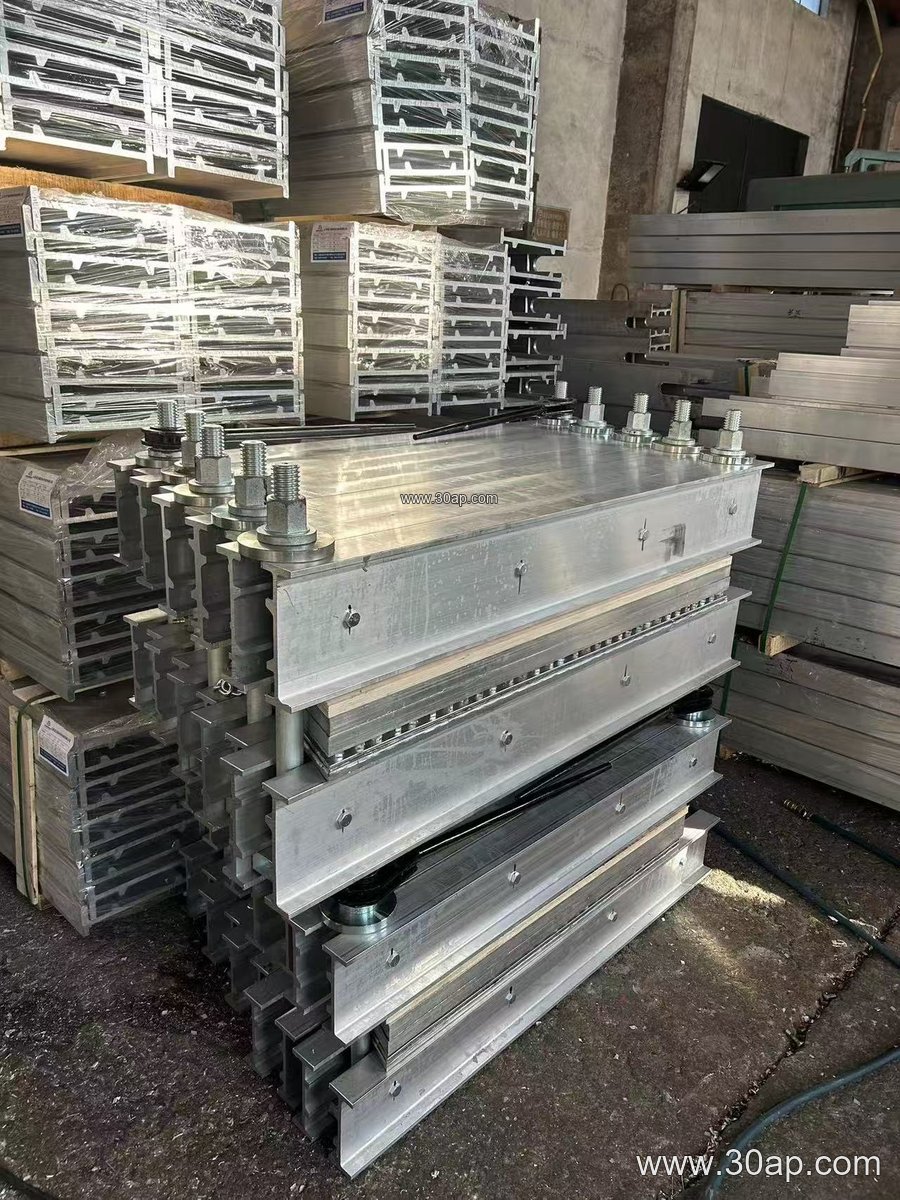
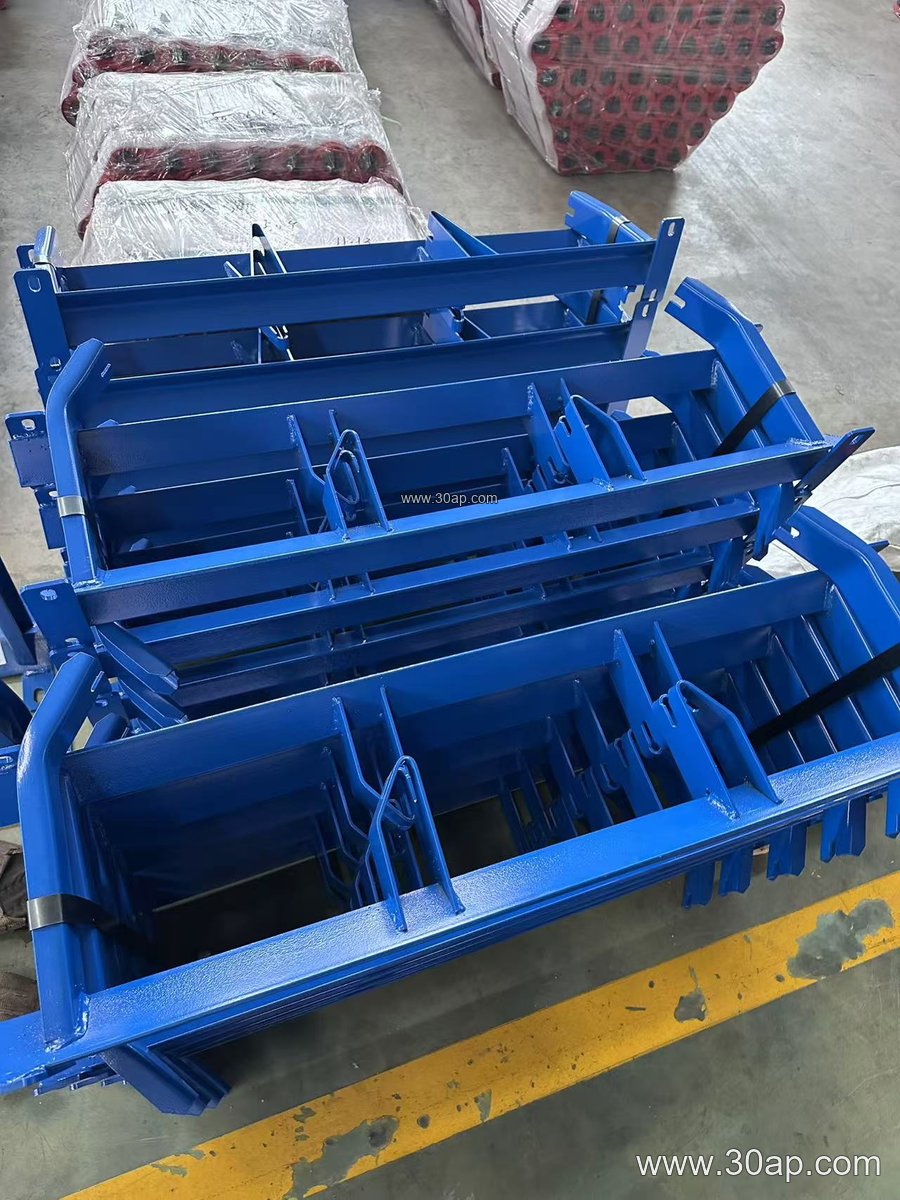
Most brackets are fabricated from angle steel, channel steel, or folded steel plate, then drilled and in some cases galvanized or painted. The main families differ by where they sit and what they do:
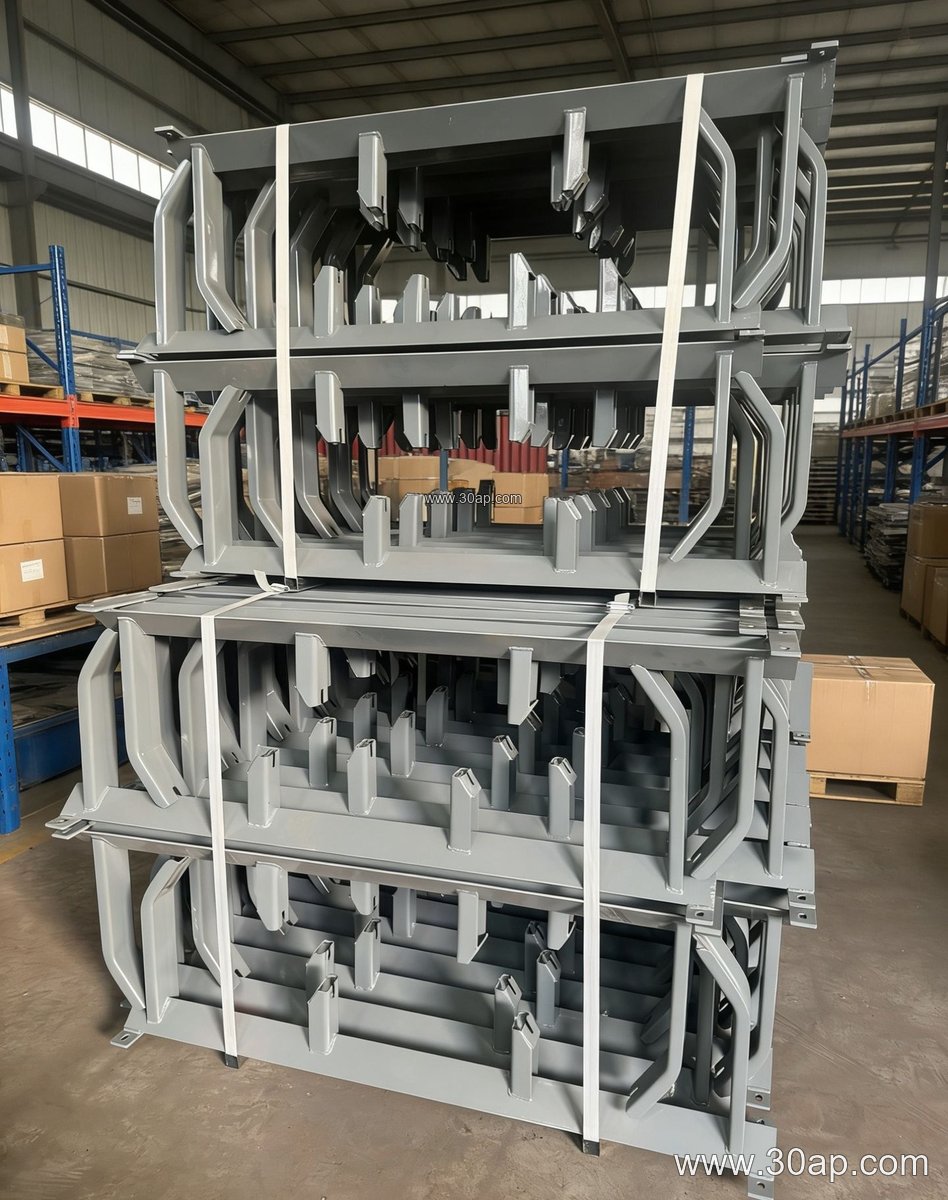
- Carrying brackets, including trough brackets that hold three rollers at a set trough angle
- Return brackets, including flat return and V-return designs
- Transition and impact brackets placed where material lands
- Self-aligning and forward-tilted brackets for belt training
- Adjustable brackets that allow the trough angle to be changed
A typical carrying bracket is described as, for example, B800, 35 degrees, for a diameter 108 mm roller. These are reference combinations, not fixed rules; a B1200 frame may use 45 degrees and a diameter 133 mm roller, while a smaller B650 line might run 30 degrees with a diameter 89 mm roller.
Matching Bracket, Belt, and Roller
The bracket has to agree with the belt width and the roller end fittings. Common belt widths in bulk handling run from B500 through B800, B1000, B1200, B1400, B1600, B1800, B2000, B2200, and the bracket span grows with them. Installation hole spacing and crossbeam length are determined by the belt width and trough angle, so they should be confirmed at design stage rather than assumed.
Trough angles are usually 20, 30, 35, or 45 degrees, and adjustable brackets can move between these settings. Forward-tilted brackets are commonly about 1.5 to 2 degrees. Roller diameters commonly seen include 89, 108, 133, 159, and 194 mm. A wide belt does not automatically dictate one roller diameter, and a given roller diameter does not lock the frame to one trough angle.
| Bracket type | Typical position | Notes |
|---|---|---|
| Trough carrying bracket | Load side | Sets 20 to 45 degree trough |
| Impact bracket | Below feed point | Used with impact rollers |
| Flat return bracket | Return side | Supports single return roller |
| V-return bracket | Return side | Two rollers in V form |
| Self-aligning bracket | Either side | Corrects belt drift |
Where Brackets Are Used
In a coal washing plant, flame retardant and anti-static grades of belt are common, and brackets must stay square under vibration from heavy feed. In a limestone quarry or aggregate line, abrasion resistant belting and impact brackets at the crusher discharge are a frequent pairing. Power plant coal handling and port ship loading systems use long runs where bracket alignment directly affects tracking.
The belt is only one part of the picture. A fabric core conveyor belt such as an EP conveyor belt or NN conveyor belt behaves differently from a steel cord conveyor belt, and the roller load and bracket stiffness should suit the belt tension and load. Where a chevron conveyor belt or corrugated sidewall belt is used on an incline, the bracket height and roller positions must clear the cleats.
What Buyers Should Check
- Confirm belt width, trough angle, and roller diameter together, not one at a time
- Ask for the hole spacing and crossbeam length that match your frame
- State whether the bracket is fixed or adjustable if belt training matters
- Specify material and finish for dusty, wet, or corrosive sites
- Check that impact and transition brackets are included at feed points
For a belt conveyor bracket order, send the belt width, roller diameter, trough angle, mounting pattern, and the site conditions. A bracket that fits the frame and the roller will keep the conveyor belt running true, extend idler roller life, and reduce spillage in mining, quarry, and plant duty alike.